
 Save 15% on your 1st Autoship learn more

 Email us
 Live Chat
 FAQs
FAQs





Introduction
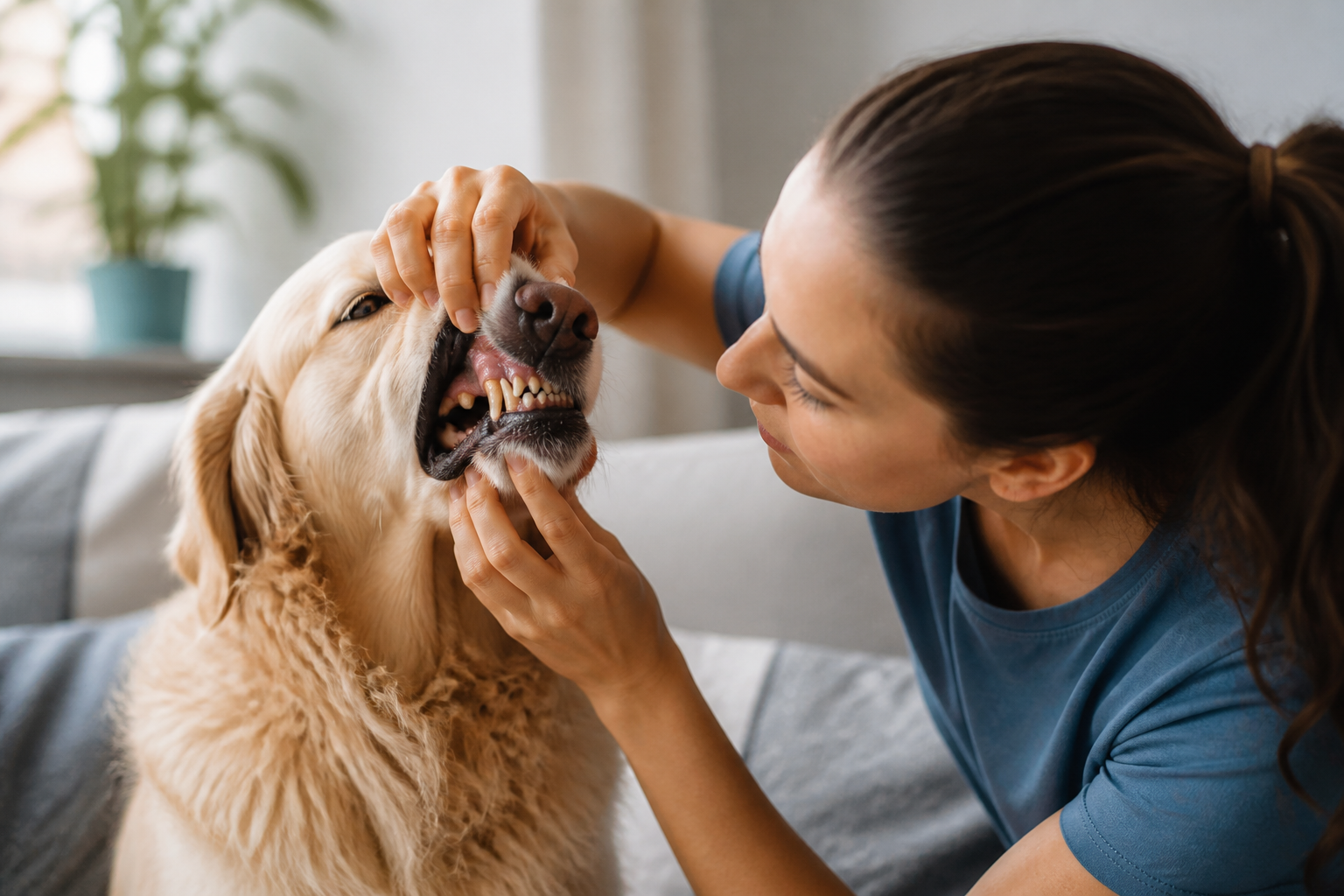
You are relaxing on the couch when your dog hops up to give you a friendly lick. Suddenly, you are hit with a wave of breath so foul it makes you pull away. Many pet owners laugh off stinky breath as a normal part of being a dog, but it is actually a primary warning sign of dental neglect. At BaxterBoo, we know that a dog's mouth is a window into their overall health. What starts as a little yellow buildup on the canines can quickly spiral into a cascade of physical problems. If you ignore oral hygiene, your dog faces far more than just losing a few teeth. This article explores the progression of dental disease, the surprising ways it affects the rest of the body, and how you can protect your companion from unnecessary pain.
Quick Answer: If you do not clean your dog's teeth, plaque hardens into tartar within 48 hours. This leads to gingivitis, painful periodontal disease, tooth loss, and potential organ damage to the heart, liver, and kidneys.
The Rapid Shift From Plaque to Tartar
Dental issues begin the moment your dog finishes a meal. Food particles mix with saliva and bacteria to form plaque, a sticky film that coats the teeth and settles under the gumline. At this stage, the plaque is soft. You can easily remove it with a toothbrush or even certain dental chews from our dog dental care collection. However, the window for easy cleaning is incredibly short.
Within 24 to 48 hours, plaque reacts with the minerals in your dog's saliva. It begins to calcify and harden into tartar, also known as calculus. Once plaque turns into tartar, it becomes a cement like substance. You cannot simply brush tartar away at home. It provides a rough, porous surface where even more plaque can latch on, creating a cycle of buildup. This cycle quickly leads to visible yellow or brown staining near the gums.
As the tartar expands, it begins to push under the gumline. This creates small pockets where bacteria can thrive away from the reach of oxygen or a toothbrush. This hidden environment is where the real damage starts. The bacteria produce toxins that irritate the gum tissue, leading to the first stage of clinical dental disease.
Gingivitis and the Inflammatory Response
The first visible sign of trouble, beyond bad breath, is gingivitis. You will notice a thin red line along the edge of the gums where they meet the teeth. The gums may also look slightly swollen or puffy. This is the body's immune system responding to the bacteria living in the tartar.
While gingivitis is painful, it is also the last stage of dental disease that is fully reversible. If you catch it here, a professional cleaning and a commitment to daily brushing can return the gums to a healthy state. If you wait, the inflammation becomes chronic. Chronic inflammation is exhausting for a dog's body. The immune system stays on high alert, diverting energy away from other needs to fight the constant infection in the mouth.
Vet Tip: If your dog's gums bleed when they chew a toy or during a light brushing, they likely have gingivitis. Consult your veterinarian for a professional assessment before the condition progresses to irreversible bone loss.
The Progression to Periodontal Disease
If gingivitis is left untreated, it progresses to periodontal disease. This is a much more serious condition that affects the deep structures supporting the teeth. The bacteria and the dog's own overactive immune response begin to destroy the periodontal ligament and the surrounding alveolar bone.
As the bone and tissue dissolve, the gums begin to recede. You might notice your dog's teeth looking longer than they used to because the roots are becoming exposed. These roots do not have the protective enamel that the crowns of the teeth do. This makes them extremely sensitive to cold, heat, and pressure.
Once bone loss occurs, it cannot be grown back. The teeth lose their anchors and start to wiggle. Eventually, the infection becomes so severe that the teeth either fall out on their own or must be surgically extracted by a veterinarian. By the time a tooth is loose, your dog has likely been living with significant pain for months or even years.
How Dental Bacteria Attacks the Heart
One of the most dangerous consequences of dental neglect is the impact on the heart. When a dog has advanced periodontal disease, their gums are often bleeding or ulcerated. This provides a direct gateway for bacteria to enter the bloodstream. This condition is called bacteremia.
Once the bacteria are in the blood, they can travel anywhere in the body. They have a particular affinity for the heart valves. The bacteria can latch onto the valves and cause an infection called endocarditis. This leads to inflammation, scarring, and eventually heart murmurs or congestive heart failure.
Studies show that dogs with severe dental disease are significantly more likely to develop heart issues than those with clean mouths. This is especially true for senior dogs whose hearts may already be under stress. Keeping the mouth clean is one of the most effective ways to protect your dog's cardiovascular longevity.
The Link to Kidney and Liver Damage
The heart is not the only organ at risk when oral hygiene is ignored. The kidneys and liver act as the body's filters. When bacteria from the mouth enter the bloodstream, these organs must work overtime to process and remove the invaders.
Over time, the constant presence of bacteria and the toxins they produce can cause micro abscesses in the liver. In the kidneys, the inflammation can lead to a decrease in function, potentially contributing to chronic kidney disease. Since kidney damage is often irreversible, preventing the source of the infection is vital.
Key Takeaway: Dental disease is a whole body health issue. Bacteria from the mouth can travel through the bloodstream to damage the heart, liver, and kidneys, often leading to life threatening complications.
The Vicious Cycle of Diabetes and Oral Health
If you have a dog with diabetes, dental care is even more critical. There is a two way relationship between diabetes and periodontal disease. High blood sugar can make it easier for oral infections to take hold. At the same time, the chronic inflammation caused by gum disease makes it much harder to regulate a dog's blood sugar.
The body's response to infection causes insulin resistance. This means you may struggle to stabilize your dog's glucose levels even with proper dosing. Many veterinarians find that once they treat a diabetic dog's dental disease, the dog's diabetes becomes much easier to manage. Our dog pharmacy provides prescription diets and medications for diabetic pets through our partnership with Pet's Choice, but those treatments work best when the pet's mouth is healthy and infection free.
Hidden Pain and Behavioral Changes
Dogs are masters at hiding physical discomfort. In the wild, showing pain was a sign of weakness, so they evolved to carry on as if nothing is wrong. This makes it very difficult for owners to realize how much a rotting tooth actually hurts.
You might think your dog is fine because they are still eating. However, many dogs will switch to swallowing their kibble whole to avoid biting down on a painful molar. They might chew only on one side of their mouth or drop food while eating. These are subtle signs that your dog is struggling.
For more warning signs, read about how dogs may hide dental pain.
Other behavioral changes can include:
- Becoming grumpy or snappy when touched near the face
- Withdrawing from play or losing interest in favorite toys
- Excessive drooling or pawing at the mouth
- A sudden preference for wet food over dry kibble
Many owners report that after a professional dental cleaning and the removal of painful teeth, their senior dog acts like a puppy again. This is because the chronic, dull ache they were living with has finally been lifted.
The Risk of Broken Jaws in Small Breeds
For owners of small breeds like Chihuahuas, Malteses, or Yorkies, dental neglect carries a terrifying risk: a broken jaw. Small dogs have teeth that are very large in proportion to their jawbones. When periodontal disease sets in, the infection quickly eats away at the thin bone of the lower jaw.
In some cases, the bone becomes so brittle and thin that the jaw can fracture from something as simple as jumping off a chair or eating a hard treat. These fractures are incredibly difficult to repair because there is not enough healthy bone left to hold pins or plates. Preventing bone loss through early dental intervention is the only way to avoid this devastating outcome.
The Financial Reality of Dental Neglect
It is often the cost of professional dental cleanings that makes owners hesitate. However, prevention is always cheaper than the cure. A routine cleaning is a controlled, predictable expense. On the other hand, waiting until your dog has an abscess or loose teeth leads to a much higher bill.
When dental disease is advanced, the procedure takes much longer. It requires more anesthesia, multiple X-rays, and complex surgical extractions. Your dog may also need expensive antibiotics and pain medications to recover. By investing in a toothbrush, dental chews, and regular checkups now, you are saving yourself thousands of dollars in emergency dental surgery later.
Creating a Successful At-Home Routine
You do not need to be a professional to improve your dog's oral health. The best routine is the one you can stick to consistently. Even brushing three times a week can make a massive difference in the amount of tartar that forms on your dog's teeth.
Step 1: Choose the right tools.
Use a toothbrush designed for dogs or a soft bristled child's toothbrush. Never use human toothpaste, as it often contains xylitol or foaming agents that are toxic to dogs. Use a poultry or beef flavored dog toothpaste instead.
Step 2: Start slowly.
Let your dog lick the toothpaste off your finger for a few days. Then, gently rub your finger along their gums. Gradually introduce the brush, focusing first on the large canine teeth and the outside of the molars.
Step 3: Keep sessions short.
You do not need to brush for two minutes like a human. Aim for thirty seconds of focused brushing. Reward your dog with praise or a dental chew afterward so they associate the process with something positive.
Step 4: Use supplements.
If your dog will not tolerate brushing, consider water additives or dental powders. These products help break down the biofilm of plaque before it can harden. We carry a wide variety of these dental aids in our dog dental supplements category to help make home care easier for busy owners.
For additional guidance, review these pet dental care tips for building a consistent routine.
Bottom line: Daily brushing is the gold standard for preventing the painful progression of dental disease and its systemic health risks.
The Role of Professional Veterinary Cleanings
While home care is vital, it cannot replace a professional cleaning. Just like humans need to see a dental hygienist, dogs need a deep clean that goes beneath the gumline. This is where the most dangerous bacteria live.
Professional cleanings must be done under general anesthesia. This allows the veterinarian to scale every surface of every tooth and perform a full oral exam without causing the dog stress or pain. Anesthesia also allows for dental X-rays. Since over 60 percent of dental disease happens under the gumline, X-rays are the only way to find hidden abscesses or rotting roots before they cause a major problem.
A veterinarian can also prescribe specific dental diets or medications. If your dog has an active infection, our pharmacy can fulfill prescriptions for antibiotics or specialized oral rinses through our Pet's Choice partnership. These treatments are essential for clearing up the bacteria that brushing alone cannot reach.
For more on professional cleanings and anesthesia, read about what to know about hidden dental disease and veterinary dental care.
Summary of Dental Neglect Consequences
If you stop cleaning your dog's teeth, you are setting off a predictable chain of events. It is a slow process that often goes unnoticed until the damage is severe.
- 48 Hours: Plaque hardens into tartar that cannot be brushed away.
- Months: Gums become inflamed, red, and painful (Gingivitis).
- 1-2 Years: Bone and tissue begin to dissolve, and teeth become loose (Periodontal Disease).
- Ongoing: Bacteria enter the bloodstream, causing damage to the heart valves, kidneys, and liver.
- Late Stage: Severe pain, tooth loss, potential jaw fractures, and a shortened lifespan.
Conclusion
Neglecting your dog's teeth is one of the most common mistakes pet owners make, but it is also one of the most preventable. What begins as bad breath can end in heart failure or a broken jaw. By taking small steps today, you can add years of healthy, pain free life to your dog's future. Whether you start with a finger brush, dental chews, or a veterinary consult, the most important thing is to act before the damage becomes irreversible.
At BaxterBoo, we are committed to helping you manage your pet's health from the inside out. Our pharmacy offers FDA approved medications and prescription dental diets through our partnership with Pet's Choice. You can also earn rewards on all your dental care supplies through the MVP Rewards programme. Take a moment to look at your dog's teeth tonight. If you see redness or brown buildup, it is time to start a new routine.
FAQ
How can I tell if my dog's teeth are causing them pain?
Dogs often hide dental pain, but look for subtle signs like chewing on one side of the mouth or dropping pieces of kibble. You might also notice they are less interested in hard toys or have developed a sudden "grumpy" attitude when you touch their face. If they have a foul odor coming from their mouth, it is a clear sign of infection and discomfort.
Is it ever too late to start cleaning my dog's teeth?
It is never too late to improve your dog's oral health, but you must start with a veterinary exam if there is already heavy tartar. Brushing over existing tartar or infected gums can be very painful for your dog and will not remove the hardened buildup. Once a vet performs a professional cleaning to get back to a "clean slate," your at-home brushing will be much more effective.
Are dental chews enough to keep my dog's teeth clean?
Dental chews are a great supplement, but they are rarely enough on their own to prevent periodontal disease. They work primarily on the chewing surfaces of the teeth and may not reach the gumline where the most harmful bacteria live. For the best results, use dental chews as a reward after a manual brushing session.
Why is anesthesia necessary for a dog's dental cleaning?
Anesthesia is the only way to ensure a thorough and safe cleaning. It allows the vet to clean deep under the gumline and perform X-rays without the dog moving or feeling pain. "Anesthesia-free" cleanings only address the visible part of the tooth, leaving the dangerous bacteria and infections hidden underneath the gums where they continue to do damage.






