
 Save 15% on your 1st Autoship learn more

 Email us
 Live Chat
 FAQs
FAQs





Introduction
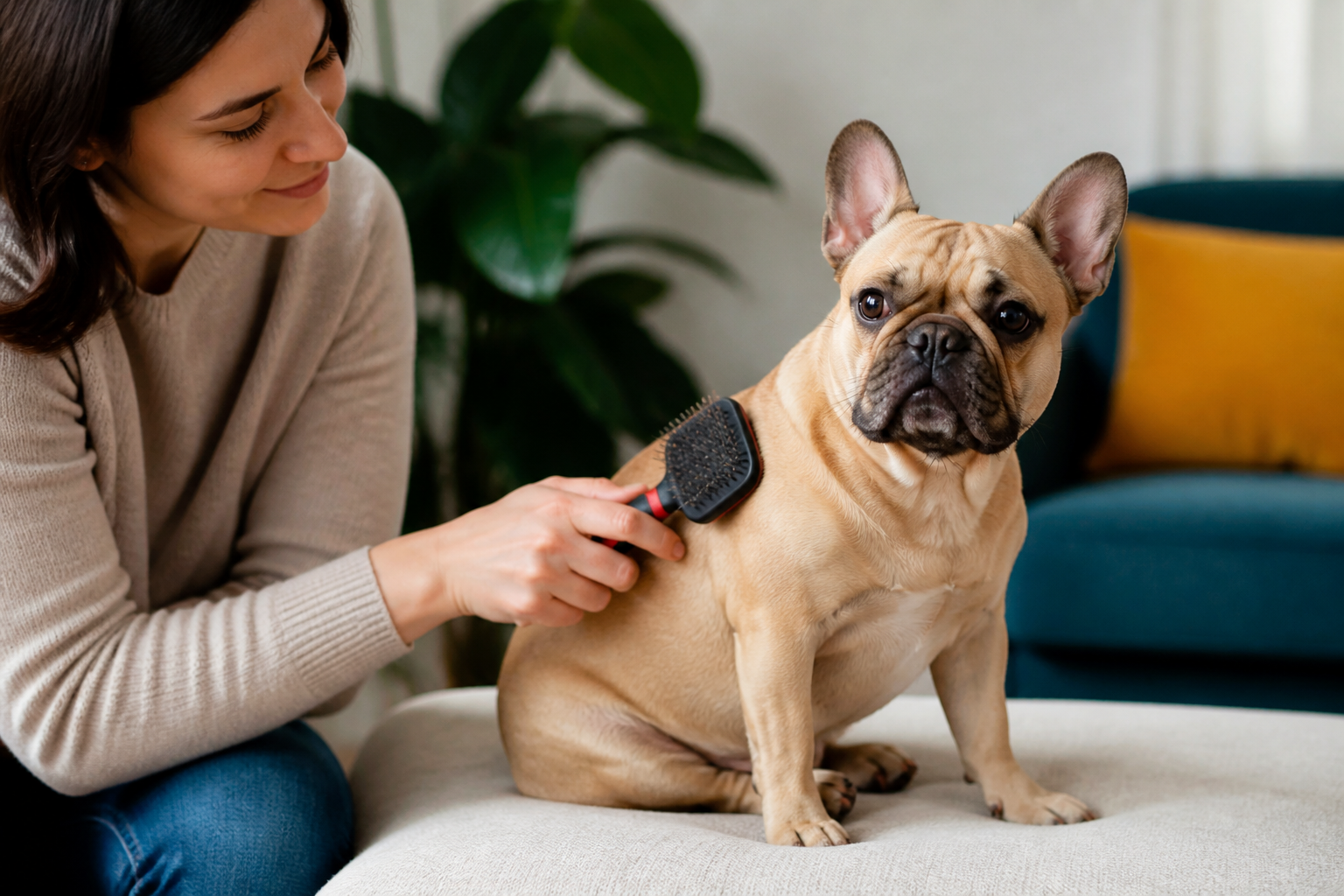
Finding dog hair on your favorite black sweater is a daily reality for many pet owners. There is a common myth that short-haired dogs are low maintenance. While they do not get the tangled mats that Poodles or Doodles face, breeds like Beagles, Labs, and Boxers can leave a surprising amount of fur on your furniture. At BaxterBoo, we see many owners who are frustrated because their current brush just slides over the top of the coat without picking anything up. Selecting the right tool is the secret to keeping your home clean and your dog comfortable. This guide covers the specific brush types designed for short coats and how to use them to improve skin health. Choosing the best brush depends on your dog's specific shedding level and skin sensitivity.
Quick Answer: The best brush for most short-haired dogs is a rubber curry brush or a natural bristle brush. These tools effectively lift loose hair and distribute skin oils without irritating the dog's skin.
Why Short Haired Dogs Still Need Regular Brushing
Many people choose a short-haired breed specifically to avoid grooming chores. However, short hair has a unique way of weaving itself into fabric and carpets. These tiny, stiff hairs act like needles. Once they are stuck in your upholstery, they are incredibly difficult to remove. Regular brushing stops the hair from falling onto your floor in the first place.
Brushing is about more than just cleaning up your house. It is a vital part of your dog's physical health. When you brush your dog, you are stimulating the skin. This action increases blood flow to the surface. It also helps move natural oils from the skin down the hair shaft. This process gives your dog that healthy, glossy shine that makes their coat look vibrant.
If you skip brushing, these oils can build up and trap dirt against the skin. This can lead to a "doggy smell" or even minor skin irritations. Brushing also serves as a weekly health check. It is the best time to look for hidden lumps, scratches, or parasites.
Key Takeaway: Brushing short-haired dogs is essential for managing shedding, distributing natural oils for a shiny coat, and performing routine health checks.
The Best Brush Types for Short Coats
Not all grooming tools are built for short fur. Using a heavy-duty rake designed for a Siberian Husky on a Greyhound could actually hurt the dog. Short-haired dogs have very little "padding" between their fur and their skin. You need tools that are effective but gentle.
Rubber Curry Brushes
The rubber curry brush is arguably the most important tool for any short-haired dog owner. These brushes are usually palm-sized and made of flexible rubber or silicone. They have soft nubs that act like magnets for loose fur.
Brands like Kong make the ZoomGroom, which is a staple in the grooming world. The rubber teeth reach through the coat to the skin. As you move the brush in a circular motion, it pulls out dead hair that a standard brush would miss. It also provides a deep tissue massage that most dogs find very relaxing. You can compare options in our dog grooming collection.
Natural Bristle Brushes
A bristle brush is the finishing tool for a perfect coat. These brushes use tightly packed bristles to smooth the fur. They are excellent for removing surface dust and dander.
If your dog has a very sleek coat, like a Dalmatian or a Miniature Pinscher, a soft bristle brush is ideal. It works by polishing the hair. This is the best tool for distributing those natural oils we mentioned earlier. Using a bristle brush daily can significantly reduce the amount of dander in your home.
Grooming Mitts and Gloves
Some dogs are "brush shy." They might feel intimidated by a plastic or wooden tool. Grooming mitts are the perfect solution for these sensitive pets. You simply wear the glove and pet your dog as you normally would.
The palms of these gloves are covered in small rubber nodules. They lift hair while you bond with your pet. This is an excellent way to introduce puppies to grooming. It feels like a normal petting session, so they do not develop anxiety about the process. For a gentler option, browse our dog grooming mitts and scrubbers.
De-shedding Tools for Dense Coats
Some short-haired dogs actually have a double coat. Labrador Retrievers and Corgis are famous for this. They have a stiff outer layer and a soft, dense undercoat. For these breeds, a rubber brush might not be enough during the heavy shedding seasons of spring and fall.
A de-shedding tool, such as the ones made by FURminator, uses a fine metal edge to reach under the topcoat. It gently pulls out the loose undercoat before it can shed. You must use these tools with a very light touch. Because there is not much fur to protect the skin, pressing too hard can cause "brush burn."
Matching the Brush to the Breed
Every short-haired dog is a little different. A Pit Bull has a very thin, single-layer coat. A Labrador has a thick, water-resistant coat. Your choice of brush should reflect these differences.
For Smooth, Single-Coated Breeds
Dogs like Boxers, Weimaraners, and Great Danes have very little undercoat. Their skin is often quite sensitive.
- Top Choice: Soft rubber curry brush.
- Secondary Tool: Soft bristle brush for shine.
- Avoid: Metal rakes or harsh de-shedding tools.
For Dense or Double-Coated Short Hair
Labs, Beagles, and Corgis shed significantly more than smooth-coated breeds. They require tools that can penetrate the density of the fur. A short-hair shedding comb can be useful for lifting loose hair from short to medium coats.
- Top Choice: Firm rubber curry brush.
- Secondary Tool: Undercoat de-shedding tool for seasonal use.
- Pro Tip: Use the rubber brush in the bath to loosen the undercoat while the fur is wet.
For Sensitive or Senior Dogs
As dogs age, their skin can become thinner. Bony areas like the spine and hips become more prominent.
- Top Choice: Grooming mitt.
- Benefit: The fabric of the glove provides a cushion, ensuring the rubber nubs do not press too hard against the bones.
How to Groom Your Short Haired Dog Correctly
Grooming is a skill that improves with practice. If you just scrub back and forth, you might irritate the skin. Follow these steps to get the best results for your pet.
Step 1: Start with the rubber brush. / Move the brush in circular motions against the direction of hair growth to loosen the fur.
Step 2: Brush in the direction of growth. / Once you have loosened the hair, use long strokes to sweep the dead fur away.
Step 3: Use the bristle brush to polish. / Finish the session by using the bristle brush to smooth the coat down and add a healthy shine.
Step 4: Wipe them down. / Use a damp microfiber cloth or a grooming wipe to pick up any remaining stray hairs that are sitting on the surface.
Vet Tip: If you notice your dog is shedding excessively, check their skin for redness or flakes. Chronic skin issues or heavy shedding can sometimes be linked to allergies or diet. We recommend consulting your veterinarian to rule out any underlying health concerns. Our BaxterBoo Pharmacy offers a variety of prescription skin and coat treatments through our partnership with Pet's Choice if your vet identifies a medical need.
The Role of Bathing in Shedding Management
Brushing and bathing go hand in hand. For short-haired dogs, a bath is one of the most effective ways to manage a heavy shed. The warm water and shampoo help to release the dead hair from the follicles. For additional bathing guidance, read our tips for bathing your dog.
When you bathe your dog, use your rubber curry brush while the shampoo is still on the coat. This helps the soap reach the skin and physically pulls the hair out while it is slippery. It makes the post-bath cleanup much easier. A wet-use option such as the BASS Bathing Dog Brush can be used during bathing and grooming.
Always use a shampoo specifically formulated for dogs. Human shampoos have a different pH balance and can strip away the essential oils that keep a short coat healthy. We carry over 500 trusted brands, including many premium grooming lines that focus on natural ingredients.
Training Your Dog to Enjoy Brushing
The best brush in the world will not help if your dog runs away when they see it. You want your dog to view grooming as a spa day. This is especially important for puppies.
Start with very short sessions. Just 30 seconds of gentle brushing followed by a high-value treat can change a dog's perspective. Gradually increase the time as they become more comfortable. If your dog has a particularly "hot" spot where they do not like being touched, leave that area for last.
Most short-haired dogs grow to love the rubber curry brush because it feels like a massage. If your dog is still nervous, try using a grooming mitt. The familiar sensation of your hand petting them is often enough to keep them calm.
Supporting Coat Health from the Inside Out
A shiny coat starts with good nutrition. No amount of brushing can fix a coat that is dull due to poor diet. Short-haired dogs often show the results of a high-quality diet more quickly than long-haired breeds.
Look for foods rich in Omega-3 and Omega-6 fatty acids. These nutrients support skin elasticity and hair strength. Brands like Open Farm, Orijen, and Acana focus on high-protein recipes that include these essential fats.
If your dog has persistent dry skin or a brittle coat, a supplement might be necessary. We offer a wide range of joint and skin supplements from brands like Zesty Paws and Cosequin. Keeping your pet on an Autoship schedule for their favorite food and supplements ensures they never miss a dose of the nutrition they need. Plus, Autoship customers receive a free MVP Gold membership for extra savings.
Common Mistakes to Avoid
Even with the right brush, it is possible to overdo it. Here are a few things to keep in mind to ensure your dog stays safe and happy.
- Avoid too much pressure. Because short-haired dogs have less fur to cushion the skin, it is easy to cause irritation. Let the tool do the work.
- Don't ignore the belly. The skin on a dog's stomach is very thin. Use only the softest tools in this area.
- Watch for "brush burn." This is a red, irritated patch of skin caused by repetitive friction. If the skin looks pink, stop brushing that area immediately.
- Keep tools clean. Hair and skin oils build up on brushes. Wash your rubber brushes with mild soap and water once a week to prevent bacteria growth.
Bottom line: Success with short-haired grooming comes from using gentle, circular motions with rubber tools rather than harsh scraping with metal ones.
Professional Grooming vs. Home Care
Does a short-haired dog ever need to see a professional? For basic maintenance, most owners can handle grooming at home. However, there are times when a pro is worth the visit.
Professional groomers have high-velocity dryers. These machines use a powerful stream of air to literally "blast" the loose undercoat out of the fur. This is incredibly effective for dogs like Labs during their spring shed. A groomer can also handle tasks like nail trimming and ear cleaning if you are uncomfortable doing them yourself.
If your dog has a skin condition that requires medicated baths, a professional can ensure the shampoo stays on the skin for the required amount of time. If those medications are prescription-strength, remember that you can often find them at a better value through our pharmacy partnership with Pet's Choice.
Maintaining Your Grooming Kit
Building a quality grooming kit is an investment in your dog's long-term comfort. You do not need dozens of tools. A small, well-curated selection is better than a drawer full of cheap brushes that don't work.
- A Rubber Curry Brush: Your primary tool for hair removal and massage.
- A Soft Bristle Brush: For daily polishing and dander removal.
- A Microfiber Towel: For wiping away loose hair.
- High-Quality Shampoo: To maintain skin pH.
By shopping with us at BaxterBoo, you can earn up to 5% back on these essentials through our MVP Rewards program. We have been operating since 2006 and handpick every product we carry. We only stock items that we would use on our own pets.
Conclusion
Managing the coat of a short-haired dog does not have to be a chore. While they might not need the intensive clipping of a Poodle, their skin and coat still require consistent attention. The best brush for short hair dogs is one that balances effectiveness with comfort. A rubber curry brush is your most versatile option, providing both hair removal and a soothing massage. For a polished finish, a bristle brush is the perfect partner.
- Brush 2 to 3 times a week to keep shedding under control.
- Use rubber tools in the bath for a deeper clean.
- Monitor skin health during every grooming session.
- Support the coat with high-quality nutrition and Omega supplements.
Ready to upgrade your dog's grooming routine? Explore our full collection of grooming supplies and find the perfect match for your pet's coat type. Whether you need a new brush or a specialized skin treatment from our pharmacy, we are here to help you provide the best care for your furry friend.
FAQ
Do short haired dogs really need to be brushed?
Yes, short-haired dogs still shed and produce dander that can accumulate in your home. Brushing removes dead hair, distributes healthy skin oils, and allows you to check for skin issues or parasites. Regular sessions also reduce the "doggy smell" by removing trapped dirt and oils.
Can I use a slicker brush on my short haired dog?
You can use a slicker brush if it has very soft, flexible pins, but you must be extremely careful. Most slicker brushes are designed for longer hair and can scratch the sensitive skin of a short-haired dog. A rubber curry brush or a bristle brush is generally a much safer and more effective choice.
How often should I brush my Labrador or Beagle?
For breeds with dense short hair like Labs or Beagles, brushing 2 to 3 times a week is ideal. During the heavy shedding seasons in the spring and fall, you may want to brush them daily. This prevents the undercoat from building up and falling out all over your house.
What should I do if my dog's skin looks red after brushing?
If you notice redness, you may be using too much pressure or the wrong type of tool. Stop brushing the area and allow the skin to heal. If the redness persists or your dog seems itchy, consult your veterinarian to check for allergies or infections. Our pharmacy can help fulfill any skin-related prescriptions your vet might recommend.






