
 Save 15% on your 1st Autoship learn more

 Email us
 Live Chat
 FAQs
FAQs





Introduction
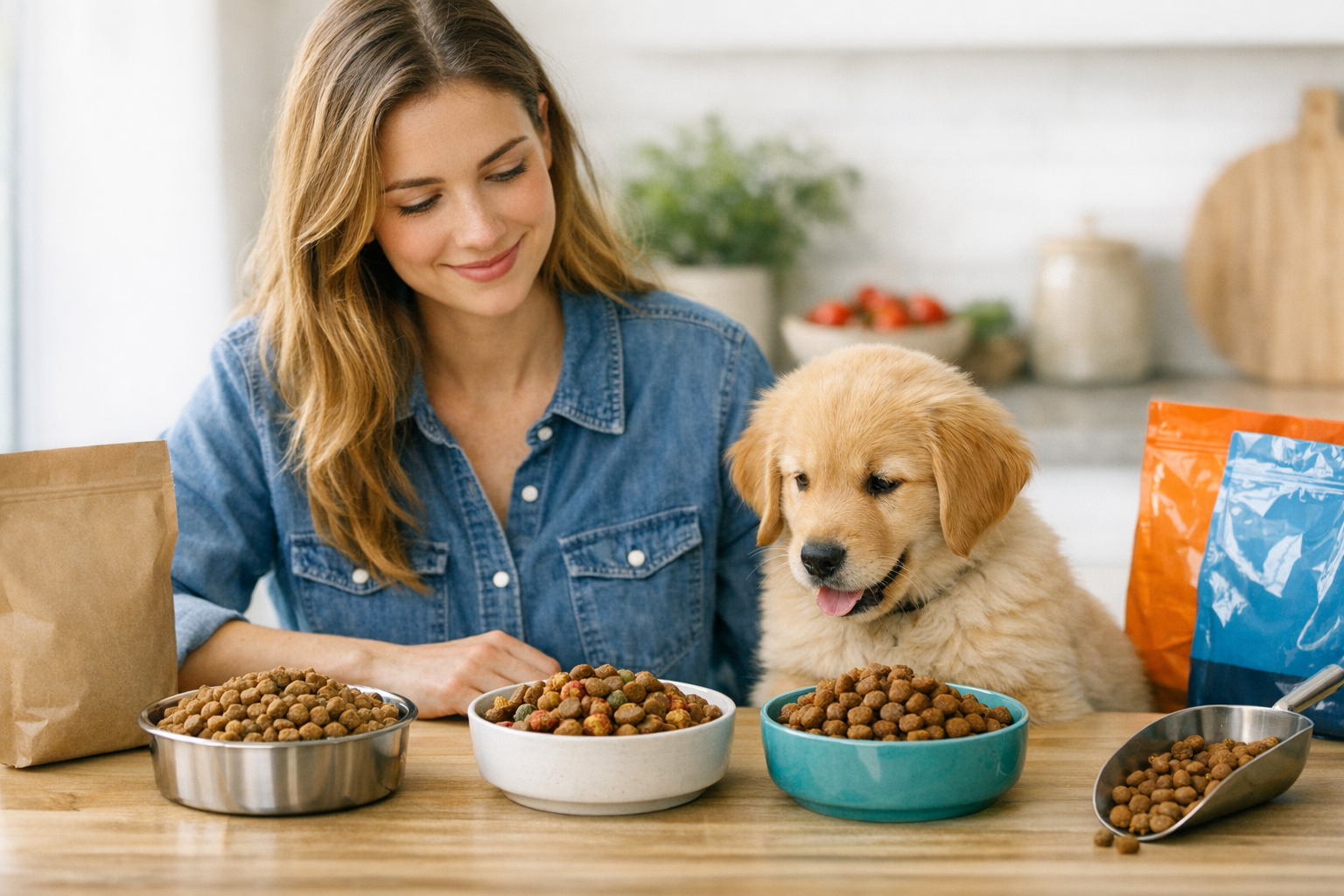
You are standing in the pet food aisle. It is a wall of bright bags and confusing labels. Every brand promises the world. Some focus on "ancient grains" while others boast about "wild-caught" proteins. For a new puppy parent, this moment feels heavy with responsibility. You know that the food you pick today builds the foundation for your dog's future health. At BaxterBoo, we understand that every puppy has unique needs based on their breed and activity level. If you are just getting started, our puppy collection is a helpful place to begin. This guide explores the best dry dog food for puppies. We will look at vet-recommended staples and premium natural options. We aim to help you move past the marketing fluff to find nutrition that actually supports your puppy's growth.
Quick Answer: The best dry dog food for most puppies is a formula specifically designed for their breed size that carries an AAFCO statement for "growth." Brands like Royal Canin, Purina Pro Plan, and Hill's Science Diet are top veterinary choices due to their rigorous feeding trials and nutritional precision.
What Makes a Dry Puppy Food the "Best"?
When searching for the best dry puppy food, it is important to look beyond the colorful packaging. Professional standards, such as the WSAVA Global Nutrition Guidelines, help us evaluate manufacturers based on their scientific rigor rather than their advertising budgets. A "best" rating is typically earned through transparency, quality control, and the involvement of board-certified veterinary nutritionists in the formulation process.
To evaluate the best dry dog food for puppies, we use a specific buying framework:
- Nutritional Adequacy: The bag must have an AAFCO statement confirming it is complete and balanced for growth.
- Manufacturer Credibility: Does the company employ full-time nutritionists and conduct feeding trials?
- Ingredient Quality: Named animal proteins should lead the list, supported by healthy fats and digestible carbohydrates.
- Specific Lifecycle Support: Puppies need higher caloric density and a very specific nutrient profile compared to adult dogs.
Best Kibble for Puppies: Size and Density
Choosing the best kibble for puppies involves more than just reading the ingredient list; the physical characteristics of the food matter for a developing dog.
- Kibble Size and Shape: Small and toy breeds require tiny, manageable pieces to prevent choking and ensure they can physically chew enough food to meet their high energy needs. Formulas like Royal Canin X-Small Puppy are specifically designed for these tiny jaws.
- Calorie Density: Puppies have small stomachs but huge energy requirements. The best kibble for puppies provides high energy density per cup, so they don't have to eat massive volumes to get the fuel they need.
- Texture and Palatability: High-quality kibble is designed to be appealing to picky eaters while offering a texture that helps gently scrape plaque from developing teeth.
- Digestibility: Because a puppy's digestive tract is still maturing, the best dry dog food for puppies uses highly digestible proteins to ensure more nutrients stay in the puppy and less ends up as waste in the yard.
Why Puppy Nutrition Is Different from Adult Dogs
Puppies are not just small versions of adult dogs. They are biological engines running at high speed. In the first year of life, a puppy builds its entire skeletal system and immune defense. They also develop their brain and internal organs. This rapid growth requires a very specific balance of nutrients.
Adult dog food is designed for maintenance. It keeps a dog at a steady weight and supports daily health. Puppy food is designed for construction. It contains higher levels of protein to build muscle and more fat for energy. If you feed a puppy adult food too early, they may miss out on essential building blocks. This can lead to stunted growth or weak bones.
The Role of DHA
Docosahexaenoic Acid (DHA) is an Omega-3 fatty acid. It is primarily found in fish oil. For puppies, DHA is non-negotiable. It supports brain development and eye health. Studies show that puppies fed diets rich in DHA are often more trainable. They process information faster than those on low-DHA diets. Most high-quality dry foods now include this ingredient.
The Importance of the Calcium-Phosphorus Ratio
This is the most critical balance in a puppy's diet. Calcium and phosphorus work together to build strong bones. If the ratio is off, a puppy can grow too fast or too slow. This is especially dangerous for large breed puppies. If they grow too quickly, their bones may become brittle. This can lead to lifelong joint pain or hip dysplasia. For these breeds, it is vital to see the AAFCO "growth including growth of large size dogs" wording on the label to ensure calcium levels are strictly capped.
Key Takeaway: Always look for a bag specifically labeled for puppies. Avoid "all life stages" food unless it specifically details its calcium and phosphorus levels for growing dogs.
Top Recommendations for Common Situations
Finding the best dry puppy food often depends on your specific dog's needs. Here are some of the most reliable options for common scenarios:
- Best Overall: Purina Pro Plan Puppy formulas are highly regarded because they include colostrum to support immune health and are backed by extensive feeding trials.
- Best for Small Breeds: Hill's Science Diet Puppy Small Paws is formulated with a small kibble size and high protein levels to support the fast metabolism of toy and small breed dogs.
- Best for Large Breeds: Royal Canin Large Puppy focuses on bone and joint support with controlled energy levels to prevent the dangerous "growth spurts" that can cause skeletal issues.
- Best for Picky Eaters: Stella & Chewy’s Raw Coated Kibble provides the taste of raw meat which often encourages even the most hesitant puppies to eat.
Puppy Food Red Flags: What to Avoid
When shopping, be on the lookout for these red flags that may indicate a formula is not the best dry dog food for puppies:
- Missing AAFCO Statement: If the bag doesn't explicitly state it meets AAFCO standards for growth, it is not a complete meal.
- Vague Protein Sources: Avoid terms like "animal fat" or "meat meal" without a specific animal named (e.g., "chicken fat" is good, "animal fat" is not).
- Adult Maintenance Only: Never feed a puppy food labeled only for "Adult Maintenance," as it lacks the growth-specific nutrients required.
- Legume-Heavy Grain-Free Recipes: Be cautious of grain-free foods that list peas, lentils, or chickpeas as primary ingredients in the top five, as these are being monitored for potential links to heart issues.
The Big Three Brands Recommended by Veterinarians
When you talk to a vet, three names usually come up first. These are Royal Canin, Hill's Science Diet, and Purina Pro Plan. These companies are the giants of the industry for a good reason. They do not just formulate food. They conduct long-term feeding trials. This means they actually observe how generations of dogs thrive on their recipes.
Royal Canin
Royal Canin takes a highly scientific approach to growth. They do not believe in a one-size-fits-all puppy food. They offer formulas based on the expected adult weight of the dog. They have options for X-Small, Small, Medium, Maxi, and Giant breeds.
They also focus on kibble shape. A French Bulldog puppy has a different jaw structure than a German Shepherd puppy. Royal Canin designs kibble that is easy for specific breeds to pick up and chew. This helps prevent choking and encourages proper digestion. You can browse our selection of Royal Canin products if you want to compare their options.
Hill's Science Diet
Hill's Science Diet is often the go-to for puppies with sensitive systems. Their "Small Paws" line is a favorite for toy breeds. Their formulas are biology-based. They look at how ingredients affect a dog's biology at a cellular level. Vets trust them because they employ hundreds of veterinarians and PhD nutritionists. They ensure every batch of kibble is consistent in its nutrient profile.
Purina Pro Plan
Purina Pro Plan is very popular with breeders and professional trainers. Their puppy formulas often include colostrum. This is a nutrient found in mother's milk. It helps bridge the "immunity gap" that happens when a puppy stops nursing. Pro Plan is also known for being very palatable. If you have a picky eater, this is often the brand that gets them to the bowl. You can also explore our selection of Purina Pro Plan products to see available formulas.
Vet Tip: If your puppy develops a health condition like a severe allergy or a sensitive stomach, your vet might recommend a prescription diet. Our pharmacy provides a way to explore medical nutrition options through our partnership with Pet's Choice.
Premium and Natural Dry Food Options
Some pet parents prefer a more natural approach. They want to see whole food ingredients and ethical sourcing. We carry several brands that focus on these values without compromising on puppy health.
Open Farm
Open Farm is a leader in transparency. Every bag has a lot code you can scan. This allows you to see exactly where every ingredient came from. Their puppy formulas use humanely raised meats and non-GMO vegetables. They also include ancient grains like oats and millet. These provide healthy fiber for steady digestion. At BaxterBoo, we often recommend Open Farm to owners who want to avoid cheap fillers and artificial preservatives. You can shop our selection of Open Farm products here.
Stella and Chewy's
Stella and Chewy's offers a unique take on dry food. Their Raw Coated Kibble is exactly what it sounds like. It is a high-quality dry kibble coated in freeze-dried raw meat. This provides the convenience of a dry food with the nutritional punch of raw protein. Their puppy recipes include high levels of glucosamine and chondroitin. These support joint health from day one. If that sounds like a fit, take a look at our selection of Stella & Chewy's products.
Nulo Freestyle
Nulo is a great choice for active puppies. Their formulas are high in animal protein and low in carbohydrates. They use a patented probiotic that survives the cooking process. This ensures the beneficial bacteria actually reach your puppy's gut. It is an excellent option for puppies that may have sensitivities to common grains like corn or wheat.
Bottom line: Natural brands offer high-quality ingredients and transparency, but make sure they still meet AAFCO standards for puppy growth.
Choosing Food Based on Breed Size
The size your puppy will become as an adult dictates what they should eat today. You cannot feed a Great Dane puppy the same way you feed a Pomeranian puppy.
Small and Toy Breed Puppies
Small dogs have very high metabolic rates. They burn through energy quickly. They need calorie-dense food. Their mouths are also very small. They need tiny kibble pieces. If the kibble is too large, they might struggle to eat enough to meet their energy needs. They are also prone to hypoglycemia if they do not eat frequently. Small breed puppy foods are designed to prevent these energy crashes.
Large and Giant Breed Puppies
Large breed puppies face the opposite challenge. They need to grow slowly. If a Labrador or Great Dane grows too fast, their skeleton cannot support their weight. Large breed puppy food has lower calorie density. It also has very strictly controlled calcium levels. This encourages a slow and steady growth rate.
Step-by-Step: How to Choose for Your Breed
Step 1: Determine your puppy's expected adult weight. / Check with your vet or breeder for an estimate. Step 2: Match the bag label to the size. / Look for "Small Breed," "Large Breed," or "Medium Breed" clearly on the front. Step 3: Check the AAFCO statement. / Ensure it says the food is complete for the "growth" life stage.
How to Read a Puppy Food Label
The front of the bag is marketing. The back of the bag is the truth. You do not need to be a scientist to understand a label. You just need to know what to look for.
The first three to five ingredients are the most important. These make up the bulk of the food. You want to see a named meat source first, like "chicken" or "lamb." Avoid vague terms like "animal by-products" or "meat meal" without a specific animal named.
Look for the AAFCO statement. This is a small box of text. It will say the food is formulated to meet nutritional levels established by the AAFCO Dog Food Nutrient Profiles. If a food does not have this, it is not a complete meal. It should only be used as a topper or treat.
- Named Proteins: Chicken, Beef, Salmon, Turkey.
- Healthy Fats: Fish oil, Chicken fat, Flaxseed.
- Whole Grains: Brown rice, Oatmeal, Barley.
- Essential Additions: DHA, Probiotics, Glucosamine.
Key Takeaway: The ingredient list is sorted by weight before cooking. A meat source should always be at the top of the list for a puppy diet.
What to Do for Sensitive Stomachs and Allergies
If your puppy is experiencing gas, soft stools, or itchy skin, the "best" food for them might be a more specialized formula.
Identifying the Problem
Before switching, consult your vet to rule out parasites or infections. If a food sensitivity is suspected, your decision path usually follows three steps:
- Try a Sensitive Stomach Formula: Many brands offer puppy-specific "sensitive skin and stomach" recipes that use highly digestible proteins like salmon or lamb and avoid common irritants.
- Limited Ingredient Diets: These use a single protein and carbohydrate source to minimize the chance of a reaction.
- Escalate to Prescription Nutrition: For severe cases, your vet may recommend a hydrolyzed protein diet where the protein is broken down so the immune system doesn't recognize it as an allergen.
The Grain-Free Debate
In recent years, many owners moved toward grain-free diets. They believed grains caused allergies. However, the FDA has investigated a link between grain-free diets and a heart condition called Dilated Cardiomyopathy (DCM). This is especially a concern when the grains are replaced with high amounts of peas, lentils, or chickpeas.
Most veterinarians now recommend a grain-inclusive diet for puppies. Unless your puppy has a medically diagnosed allergy to a specific grain, ingredients like oats and rice are beneficial. They provide the fiber and taurine support needed for a healthy heart. If you are worried about grains, speak with your vet before making a final choice. If you want to compare options, our grain-free dog food selection can help you review how those recipes are categorized.
Feeding Schedules and Portions
How you feed is just as important as what you feed. Puppies have small stomachs. They cannot handle one big meal a day.
Frequency
Puppies under six months old usually need three to four meals per day. This keeps their blood sugar stable. After six months, you can usually move to two meals per day. Stick to a strict schedule. This helps with potty training because your puppy will have a predictable elimination schedule.
Portion Control
Do not follow the bag instructions blindly. Those charts are based on averages. An active Border Collie puppy needs more food than a sleepy Bulldog puppy of the same weight. Start with the bag's recommendation and watch your puppy's body. You should be able to feel their ribs but not see them. If they are getting too round, talk to your vet about adjusting the portion.
Vet Tip: Avoid "free-feeding" where you leave a bowl out all day. This makes it hard to notice if your puppy loses their appetite, which is often the first sign of illness.
Transitioning to New Puppy Food
Never switch your puppy's food overnight. Their digestive systems are very sensitive. A sudden change can cause diarrhea or vomiting. This can lead to dehydration in a small puppy.
Take seven to ten days to make the switch. If you want a deeper breakdown, our puppy weaning timeline guide covers the transition from early kibble to solid food in more detail.
- Days 1-3: 75% old food, 25% new food.
- Days 4-6: 50% old food, 50% new food.
- Days 7-9: 25% old food, 75% new food.
- Day 10: 100% new food.
Watch for signs of upset. If your puppy has loose stools, slow down the transition. Keep them on the current mix for a few extra days.
Is the Food Working? Post-Purchase Validation
Once you have selected what you believe is the best dry puppy food and completed the transition, you should see physical evidence that the nutrition is working.
- Stool Quality: Stools should be firm, brown, and easy to pick up. Frequent loose stools or extreme gas suggest the food isn't being digested properly.
- Energy Levels: Your puppy should have consistent energy for play and learning, without extreme "sugar crashes" or lethargy.
- Coat and Skin: A healthy puppy should have a shiny, soft coat and clear skin without redness or constant itching.
- Steady Growth: Your puppy should be gaining weight and height at a steady rate appropriate for their breed, without becoming overweight.
Supporting Your Puppy's Health Long-Term
Choosing the right kibble is the first step. You can also enhance their diet with healthy additions. We offer various supplements and treats that support development.
Treats and Training
Puppies learn through rewards. However, treats should not exceed 10% of their daily calories. Look for single-ingredient treats like freeze-dried liver. These are high in protein and easy on the stomach. Avoid "human food" like salty snacks or sugary treats. These can lead to obesity and picky eating habits. If you are shopping for training rewards, our dog treats category is a useful next stop.
Supplements
If your puppy is eating a high-quality dry food, they usually do not need extra vitamins. In fact, over-supplementing calcium can be dangerous. However, some puppies benefit from extra Omega-3 oils for their skin or probiotics for their gut. Always ask your vet before adding a supplement to a puppy's diet.
Autoship and Rewards
Puppies eat a lot. You will find yourself running back to the store often. Our Autoship programme can help deliver your puppy's favorite food right to your door. It can also save you money on repeat orders. The MVP Rewards programme lets you earn value back on purchases, which can make premium nutrition easier to manage as your puppy grows.
Prescription Diets and Special Needs
Sometimes, a standard bag of puppy food is not enough. Some puppies are born with kidney issues, severe food allergies, or urinary problems. In these cases, a retail diet might make the problem worse.
If your vet prescribes a specific food, do not try to find a retail substitute. Prescription diets are formulated with medical-grade ingredients. They are tested to ensure they do not trigger specific health issues. Our pharmacy partnership with Pet's Choice allows us to fulfill these prescription food orders. We carry brands like Farmina Vet Life and Royal Canin Vet Diet. This ensures you can get everything your puppy needs in one place.
Bottom line: Use standard retail food for healthy puppies, but always follow your vet's lead if they recommend a prescription formula from our pharmacy.
Conclusion
Choosing the best dry dog food for your puppy is about finding a balance. You want a food that is backed by science, uses quality ingredients, and fits your puppy's specific breed size. Whether you choose a classic vet-recommended brand like Royal Canin or a natural option like Open Farm, the goal is consistent, balanced growth. Remember to watch your puppy’s energy levels and coat health. These are the best indicators that the food is working.
- Choose size-specific formulas for the best growth rates.
- Look for DHA for brain and eye development.
- Stick to a consistent feeding schedule to help with training.
- Consult your vet if you notice any digestive issues or skin irritation.
The best next step for your new puppy is to explore our dry dog food category or sign up for our Autoship programme to ensure you never run out of the nutrition your growing dog needs.
FAQ
Can I feed my puppy adult dog food if I run out?
It is okay for one meal in an emergency, but you should not do it regularly. Adult dog food lacks the high calorie density and specific calcium-phosphorus ratios puppies need for growth. Long-term feeding of adult food to a puppy can lead to nutritional deficiencies or bone development issues.
When should I switch my puppy to adult dog food?
The timing depends on the size of your dog. Small and medium breeds usually switch to adult food around 10 to 12 months of age. Large and giant breeds continue to grow for much longer and should stay on puppy-specific formulas until they are 18 to 24 months old.
Is grain-free dry food better for puppies with allergies?
Most puppies are actually allergic to proteins like chicken or beef rather than grains. Grain-inclusive diets are currently recommended by most vets to support heart health. If you suspect your puppy has a food allergy, it is best to consult your vet for a proper diagnosis before switching to a grain-free or limited-ingredient diet.
Why does my puppy eat their food so fast?
Puppies often inhale their food because of natural competition instincts from being with their littermates. This can cause choking or upset stomachs. You can help slow them down by using a slow-feeder bowl or a puzzle toy, which also provides great mental stimulation during mealtime.
How do I compare two similar-looking puppy foods?
Focus on the calorie count per cup and the AAFCO statement. If one brand uses feeding trials and the other only uses lab formulation, the brand conducting trials is generally the more reliable choice for long-term growth.
What should I do if my puppy has soft stools after a food switch?
Slow down the transition. If you were doing a 50/50 mix, go back to 75% old food for a few days until the stool firms up. If the problem persists for more than 48 hours, contact your veterinarian.






