
 Save 15% on your 1st Autoship learn more

 Email us
 Live Chat
 FAQs
FAQs





Introduction
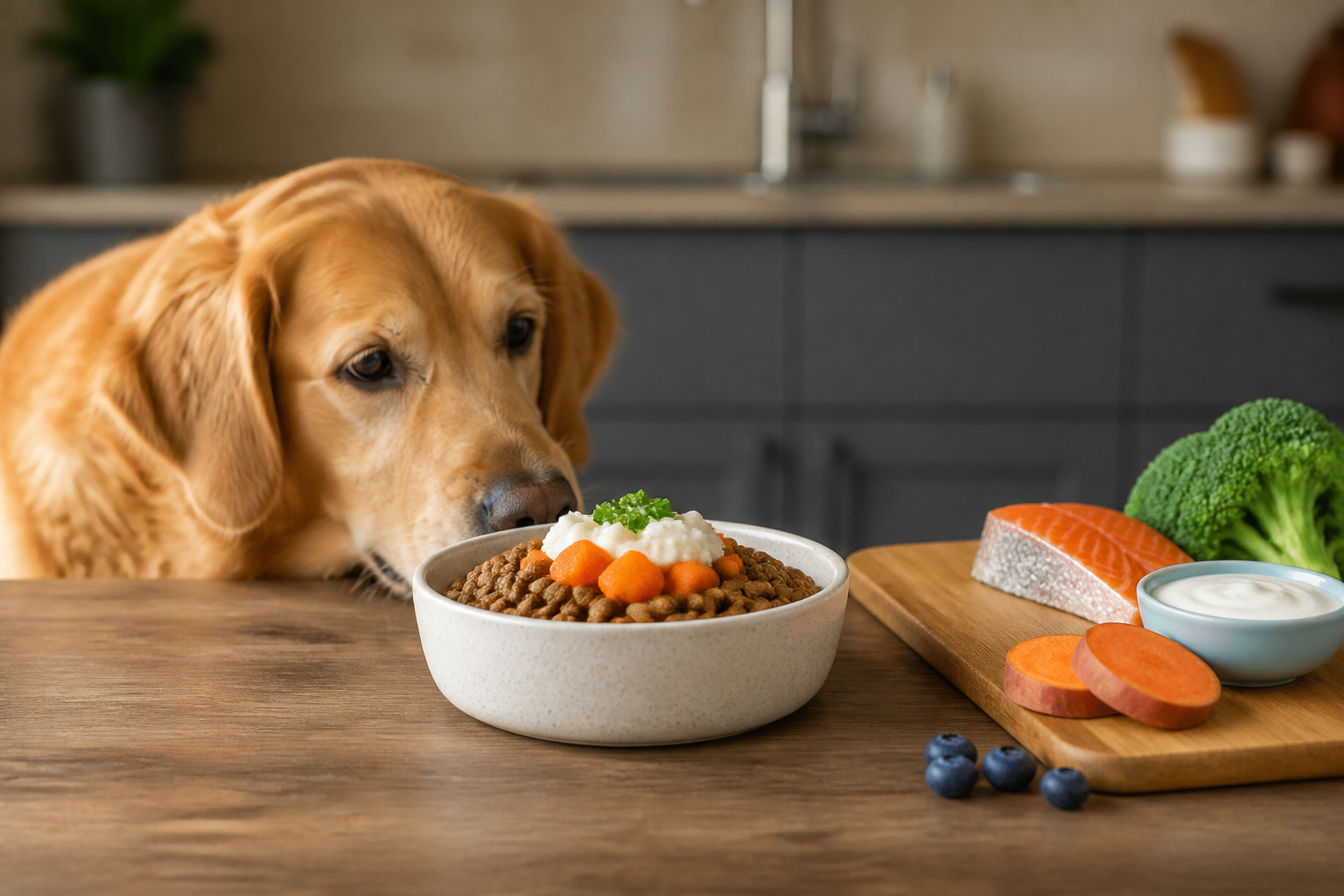
You spend time researching the best nutrition, measure out the perfect portion, and set the bowl down with a smile. Your dog walks over, takes a single sniff, and turns away to find a nap spot instead. This scenario is a daily reality for many pet parents. It is frustrating to watch high-quality kibble sit untouched while you worry about your pup getting enough calories. At BaxterBoo, we know that mealtime should be a moment of connection, not a battle of wills.
This post covers practical and healthy ways to make dry food more enticing. We will explore simple pantry additions, fresh food toppers, and commercial mixers that can spark your dog's interest. You will also learn when pickiness might actually be a sign of a health concern. Adding the right ingredients can transform a boring bowl of kibble into a meal your dog genuinely looks forward to eating.
Identifying Why Your Dog Is Picky
Before you start adding extras to the bowl, it is helpful to understand why the pickiness started. Some dogs are born with a more discerning palate. Others develop a preference for human food after getting too many table scraps. If a dog knows that holding out will result in a piece of steak, they will often ignore their kibble.
However, a sudden change in appetite is different from long-term pickiness. If your dog usually loves their food but suddenly stops eating, it could be a sign of discomfort. Dental issues are a common culprit. If it hurts to crunch on hard kibble, a dog will naturally avoid it.
Vet Tip: Always consult your veterinarian if your dog suddenly stops eating or loses weight. Pickiness can sometimes be a symptom of dental disease, kidney issues, or gastrointestinal upset. Your vet can rule out medical causes before you focus on behavioral changes.
Common Behavioral Reasons for Fussy Eating
- Boredom: Eating the same flavor and texture every day for years can lead to a lack of interest.
- Over-treating: If your dog receives many treats throughout the day, they may simply not be hungry at dinner.
- Anxiety: Changes in the home, loud noises, or a new feeding location can make a dog too nervous to eat.
- The "Better Option" Game: Your dog has learned that if they wait long enough, you will add something delicious to the bowl.
Liquid Mix-ins to Enhance Aroma
A dog’s sense of smell is much more powerful than their sense of taste. If a food does not smell like much, it might not seem like food at all. Dry kibble loses some of its aroma over time once the bag is opened. Adding liquids can help release the scent of the fats and proteins in the kibble.
Warm Water
The simplest and cheapest addition is warm water. This creates a bit of a "gravy" with the dust and oils on the outside of the kibble. It also softens the texture, which is helpful for senior dogs with sensitive teeth. Use warm water, not boiling water, to avoid burning your dog's mouth.
Unsalted Bone Broth
Bone broth is packed with nutrients and has a very strong, meaty scent. You can find dog-specific broths or use human-grade versions, provided they do not contain onions or garlic. These two ingredients are toxic to dogs. Bone broth adds hydration and a rich flavor that most dogs cannot resist.
Goat Milk or Kefir
For dogs without dairy sensitivities, a splash of goat milk can be a great topper. Goat milk is often easier for dogs to digest than cow milk. It contains probiotics that support gut health. It adds a creamy texture and a tangy scent that can entice a reluctant eater.
Quick Answer: The best things to add to dry dog food include bone broth, warm water, plain Greek yogurt, or freeze-dried meat toppers. These additions enhance the aroma and texture of the kibble to make it more appealing to a picky dog.
Fresh Food Toppers from Your Kitchen
You do not always need a trip to the pet store to find a solution. Many healthy human foods are safe for dogs and make excellent kibble mixers. These provide fresh enzymes and different textures to break up the monotony of dry food.
Plain Greek Yogurt
A spoonful of plain, unsweetened Greek yogurt is an excellent source of protein and calcium. It also provides probiotics. Make sure the yogurt does not contain xylitol, which is an artificial sweetener that is extremely dangerous for dogs. Most dogs enjoy the cool, creamy contrast to their crunchy kibble.
Canned Pumpkin
Pureed pumpkin (not pumpkin pie filling) is high in fiber and beta-carotene. It is often used to soothe upset stomachs, but many dogs also love the taste. It adds moisture and a sweet, earthy flavor. A tablespoon or two mixed into the kibble can make the meal much more substantial.
Fresh or Frozen Blueberries
Blueberries are a fantastic low-calorie snack. They are full of antioxidants and fiber. Some dogs love the pop of a fresh blueberry, while others prefer them mashed into the food. They provide a different flavor profile that can keep a dog interested in their bowl.
Scrambled or Boiled Eggs
Eggs are a complete protein source and contain essential fatty acids. A plain scrambled egg or a chopped hard-boiled egg is a high-value treat for most dogs. Because eggs are calorie-dense, you should reduce the amount of kibble slightly when you add them.
Sardines in Water
If your dog loves fish, a single sardine packed in water can do wonders. Sardines are rich in omega-3 fatty acids, which support skin and coat health. The strong fishy smell is usually enough to get even the fussiest dog to the bowl. Ensure the sardines have no added salt or oils.
Key Takeaway: Using fresh, whole-food toppers provides variety and nutritional boosts. Always introduce new foods slowly to ensure they do not cause digestive upset.
Commercial Toppers and Mixers
If you prefer something shelf-stable and specifically formulated for dogs, there are many excellent options available. We carry a variety of trusted brands in our dog food category that focus on high-quality ingredients for picky pets. These are designed to be "complete and balanced," so they do not throw off the nutritional profile of the meal.
Freeze-Dried Meal Mixers
Brands like Stella & Chewy's offer freeze-dried raw pieces that you can crumble over kibble. These have the intense flavor of raw meat but are easy to handle and store. Because they are freeze-dried, they retain most of their natural nutrients and aromas.
Gently Cooked and Fresh Diets
For dogs that truly refuse dry food, mixing in a portion of fresh food can be the answer. JustFoodForDogs Pantry Fresh is a popular choice. It looks and smells like human food because it is made with recognizable meats and vegetables. Adding a few spoonfuls of this to dry kibble can convince a dog to finish the whole bowl.
Air-Dried Protein Bits
Redbarn's dog food selection is another great tool for pet owners. It combines traditional kibble with air-dried protein pieces. This provides a dual texture that many dogs find more interesting than uniform pellets. The variety in every bite prevents the boredom that often leads to pickiness.
Step-by-Step: Introducing a New Topper
- Start Small. Add only a teaspoon of the new ingredient to the kibble.
- Observe. Watch for any signs of gas, diarrhea, or allergic reactions over the next 24 hours.
- Mix Thoroughly. If you just put the topper on top, your dog may "cherry-pick" the good stuff and leave the kibble.
- Gradually Increase. If your dog tolerates the topper, you can increase the amount slightly over the next few days.
Managing the Mealtime Environment
Sometimes the problem is not the food itself, but how it is served. If a dog feels stressed or knows they can manipulate the situation, they may refuse to eat. Adjusting your routine can be just as effective as changing the food.
The 15-Minute Rule
Stop leaving the food bowl out all day. This is called free-feeding, and it often leads to pickiness because the dog knows the food is always there. Instead, put the bowl down for 15 minutes. If the dog does not eat, pick it up and do not offer food until the next scheduled mealtime. This teaches the dog that food is a limited resource.
Warm the Food
If you are using wet toppers or broths, try warming them slightly in the microwave. Heat helps the fat molecules in the food vibrate and release more scent. A warm meal feels more like a "real" meal to many dogs. Just be sure to stir it and check for hot spots before serving.
Use Puzzle Feeders
Some dogs are bored with the act of eating from a bowl. Using a Kong or a snuffle mat can turn mealtime into a game. If they have to "hunt" for their kibble and toppers, they may find the process more rewarding. This is especially helpful for high-energy breeds that need mental stimulation.
Reduce Treats and Scraps
It is hard to say no to those puppy-dog eyes, but table scraps are the enemy of a consistent appetite. If your dog is eating 20 percent of their daily calories in cheese and biscuits, they will not be hungry for their nutritionally balanced kibble. Cut back on treats for one week and see if their interest in dinner improves.
Addressing Health Conditions and Prescription Needs
In some cases, pickiness is caused by an underlying health condition that requires a specific diet. Dogs with kidney disease, heart issues, or severe allergies may lose interest in standard food because it makes them feel unwell. These pets often need prescription diets that are formulated to manage their specific condition.
Our pet pharmacy provides access to FDA-approved medications and prescription diets through our partnership with Pet's Choice. If your veterinarian recommends a specific brand like Farmina Vet Life or Royal Canin for a health issue, you can fulfill those needs through our pharmacy services. These specialized foods are often designed with high palatability to ensure that sick or recovering dogs continue to eat.
Vet Tip: If your dog is on a prescription diet for a medical condition, always ask your vet before adding toppers. Some additions, like high-protein eggs or salty broths, could interfere with the therapeutic goals of a specialized diet.
Comparison of Common Topper Types
| Topper Type | Best For | Main Benefit |
|---|---|---|
| Liquids (Broth, Water) | Dehydrated dogs, seniors | Enhances aroma and softens kibble |
| Fresh Foods (Yogurt, Eggs) | High-energy dogs | Provides fresh protein and probiotics |
| Freeze-Dried (Meat Mixers) | Busy owners | High-value taste with zero prep work |
| Fruits/Veggies (Pumpkin, Berries) | Weight management | Adds volume and fiber without many calories |
Bottom line: Finding the right addition depends on your dog's specific taste preferences and your daily schedule.
Conclusion
Managing a picky eater requires a mix of patience, routine, and a little bit of culinary creativity. Whether you choose a simple splash of bone broth or a high-quality commercial topper like those we offer at BaxterBoo, the goal is to make mealtime a positive experience. Remember to keep a consistent schedule and limit treats to ensure your dog stays hungry for their main meals. If pickiness is accompanied by other symptoms, always consult your veterinarian to ensure your pup's health is the priority.
- Try simple kitchen additions like warm water or plain yogurt first.
- Use commercial toppers like Stella & Chewy's for a convenient nutrition boost.
- Stick to a strict feeding schedule to discourage "holding out" for scraps.
- Consult your vet for sudden changes in appetite or dental pain.
For more specialized health needs, our pharmacy carries a wide range of prescription diets and medications through our partnership with Pet's Choice. Explore our Medical and Mobility section to find the right support for your dog's unique life stage and health requirements.
FAQ
How long can a healthy dog safely go without eating?
A healthy adult dog can typically go 24 to 48 hours without food as long as they are still drinking water. However, if your dog misses more than two meals in a row, you should contact your veterinarian to rule out any underlying medical issues. Small breeds, puppies, and seniors are much more sensitive to skipped meals and should be seen sooner.
Will adding toppers make my dog even more picky?
If you constantly change the topper because your dog refuses to eat, you may accidentally train them to hold out for something "better." The best approach is to find one or two toppers they love and stick to a consistent routine. Avoid offering a "buffet" of options, as this can reinforce the behavioral side of picky eating.
Can I add human canned tuna to my dog's food?
You can occasionally add canned tuna if it is packed in water and has no added salt. However, tuna should be a rare treat because of its mercury content. Smaller fish like sardines or salmon are generally better choices for regular additions to a dog's diet because they offer more omega-3 fatty acids with lower mercury risks.
Why does my dog only eat their kibble if I hand-feed them?
Hand-feeding is often a behavioral habit rather than a nutritional need. Your dog may enjoy the extra attention and interaction that comes with being fed by hand. To break this habit, try using a puzzle toy or putting the food down for a limited time to encourage them to eat from their own bowl independently.






