
 Save 15% on your 1st Autoship learn more

 Email us
 Live Chat
 FAQs
FAQs





Introduction
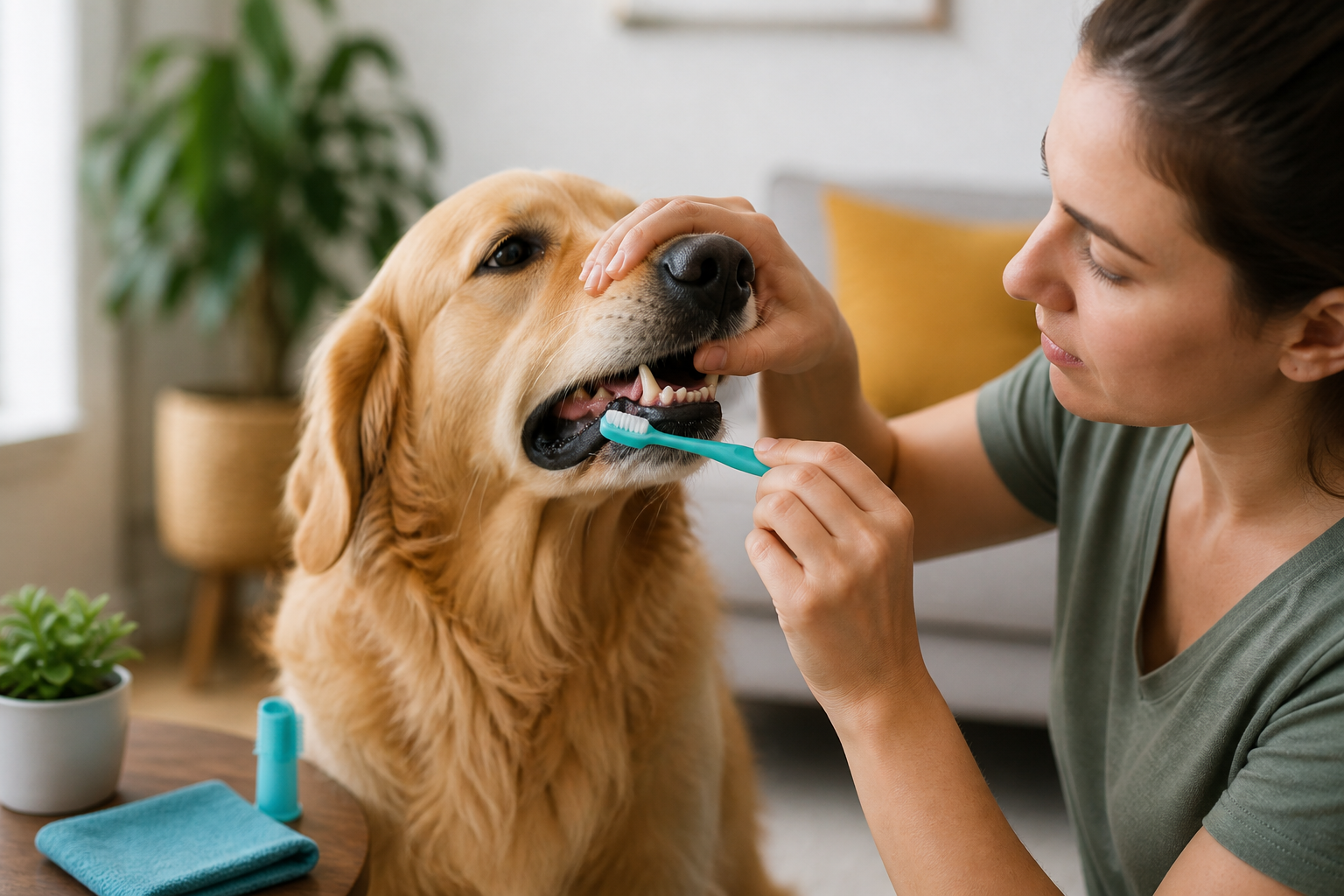
You are relaxing on the couch when your dog leans in for a friendly lick or a happy yawn. Instead of the usual warmth, you are met with a wave of "dog breath" that makes you recoil. This common moment is often the first sign that your pet needs better oral care. At BaxterBoo, we know that looking into a dog's mouth can be intimidating. You might see yellowing near the gums or redness that looks uncomfortable. Understanding what to clean dog teeth with is the first step toward preventing painful infections and expensive vet bills. This guide covers the best tools for home care, from specialized brushes to dental treats. We will help you build a routine that keeps your dog healthy and their breath fresh.
The Gold Standard: Dog-Specific Toothpaste
The most important rule of canine dental care is to never use human toothpaste. Our toothpaste often contains fluoride and foaming agents like sodium lauryl sulfate. These are not meant to be swallowed. Many human brands also contain Xylitol, an artificial sweetener that is highly toxic to dogs. Even small amounts can cause life-threatening drops in blood sugar or liver failure.
Dog-specific toothpaste is formulated to be swallowed safely. It does not foam, which is helpful since dogs cannot rinse and spit. These pastes often use enzymes to break down plaque chemically. They also come in flavors that dogs actually enjoy. Instead of overwhelming mint, you can choose poultry, beef, malt, or peanut butter. This turns a chore into a rewarding experience for your pet. Options such as our dog toothpaste selection can help you find a pet-safe formula for your routine.
Quick Answer: Clean your dog's teeth with a pet-specific toothbrush and enzymatic toothpaste designed for animals. You can also use dental wipes, water additives, or VOHC-approved dental chews to reduce plaque and tartar buildup.
Why Enzymes Matter
Enzymatic toothpastes do more than just scrub the surface of the tooth. They contain proteins that trigger a chemical reaction to fight bacteria. This is especially helpful because most dogs will not sit still for a full two-minute brushing session. Even if you only manage to get the paste onto the teeth and gums, the enzymes continue to work after you stop scrubbing. This helps dissolve the biofilm that eventually hardens into tartar. For more general guidance, see these pet dental care tips.
Choosing the Right Toothbrush
The tool you use to apply the toothpaste depends on your dog's size and comfort level. A standard human toothbrush is often too tall and stiff for a dog’s mouth. Dog brushes are designed with angles that reach the back molars more easily.
Dual-Headed Brushes
These brushes have a large head on one end and a smaller head on the other. The large side is perfect for the flat surfaces of the premolars and molars in big dogs. The small side works well for the tiny incisors at the front of the mouth or for small breeds like Chihuahuas. The long handle keeps your fingers away from the "danger zone" if your dog is still learning to be calm during the process. Our dog dental care category includes toothbrushes and other oral-care tools.
Finger Brushes
Finger brushes are made of soft, flexible silicone or rubber. They slip over your index finger and have small bristles on the tip. Many owners find these easier to control. Because you can feel exactly where the brush is, you are less likely to poke the sensitive gums. Finger brushes are an excellent starting point for puppies or dogs who are nervous about long objects being put in their mouths.
Choosing the Bristle Strength
Always look for soft bristles. Dog gums are sensitive and can bleed easily if you use a firm brush. If your dog has existing gum inflammation, a firm brush will cause pain. This makes them associate dental care with discomfort. A soft-bristled brush or a soft silicone finger tip is the safest choice for everyday use.
Key Takeaway: The best cleaning tool is the one your dog allows you to use consistently. Whether it is a finger brush or a long-handled dual brush, consistency matters more than the specific design.
Dental Wipes for Sensitive Dogs
Some dogs simply will not tolerate a brush. If your dog clenches their jaw or tries to flee at the sight of a toothbrush, dental wipes are a great alternative. These are pre-moistened pads textured to scrub away film from the surface of the teeth.
Wipes are very easy to use. You wrap the pad around your finger and rub the outer surfaces of the teeth. They are particularly effective at removing daily plaque before it has a chance to mineralize into tartar. While they do not get into the deep grooves of the molars as well as a brush, they are much better than doing nothing at all. You can also review these warning signs of hidden dental problems when deciding whether wipes are appropriate.
Limitations of Wipes
It is important to note that wipes generally only reach the outside of the teeth. Dogs tend to have more plaque on the cheek side of their teeth anyway, so this is still beneficial. However, wipes cannot reach the "inside" surfaces near the tongue. They also cannot clean beneath the gum line where periodontal disease often starts. We recommend using wipes as a supplement to brushing or as a transition tool.
Dental Chews and Their Role
Many owners wonder if a treat can really clean teeth. The answer is yes, but only if you choose the right ones. Effective dental chews work through mechanical action. As the dog bites down, the texture of the chew scrapes against the tooth. This mimics the action of a toothbrush. For ideas, browse our dental dog treats.
The VOHC Seal
When shopping for chews, look for the Veterinary Oral Health Council (VOHC) seal. This seal is only given to products that have been scientifically proven to reduce plaque or tartar. Many generic treats claim to "clean teeth" but lack the evidence to back it up. Brands like Greenies dental chews or specific dental formulas from Royal Canin often carry this seal.
Safety First with Chews
Never leave your dog unsupervised with a dental chew. Some dogs try to swallow large chunks, which can lead to choking or intestinal blockages. Also, be mindful of the hardness. A good rule of thumb is the "fingernail test." If you cannot make a small dent in the chew with your fingernail, it might be too hard. Items like dried hooves, antlers, and very hard nylon toys can actually fracture a dog's teeth.
Vet Tip: If you notice your dog chewing on only one side of their mouth or dropping their treats, they may have a painful tooth. Consult your veterinarian for a dental exam to check for cracks or abscesses before starting a new brushing routine.
Water Additives and Oral Sprays
For the busiest pet owners, water additives are a convenient option. These are liquid solutions that you add to your dog's water bowl. They usually contain enzymes or ingredients like chlorine dioxide that help kill oral bacteria. One example is the OxyFresh Pet Dental Water Additive.
How Water Additives Work
As your dog drinks, the solution coats the mouth. It works to break down the sticky biofilm that covers the teeth throughout the day. While a water additive will not remove existing thick tartar, it can significantly slow down the formation of new plaque. This is a "passive" cleaning method that requires zero cooperation from the dog.
Oral Sprays
Oral sprays work similarly to additives but are applied directly to the gums and teeth. Most sprays are designed to be used once or twice a day. They are helpful for dogs with especially bad breath. Many of these products contain essential oils or enzymes that neutralize odors on contact while fighting the bacteria that cause them.
The Truth About Food and Dental Health
There is a long-standing belief that dry kibble cleans teeth better than wet food. While kibble provides some mechanical scraping, the effect is often minimal. Most dogs swallow kibble whole or shatter it quickly. It does not provide the prolonged scrubbing action needed to clean the gum line.
Prescription Dental Diets
If your dog is prone to heavy tartar buildup, your vet might recommend a prescription dental diet. We carry brands like Farmina Vet Life and other specialty foods that are formulated for specific health needs. These diets use a much larger kibble size. The structure of the kibble is designed not to shatter. Instead, the tooth sinks into the nugget, allowing the fibers to scrub the tooth all the way to the gum line.
Fresh Snacks as Natural Cleaners
Certain fresh vegetables can act as natural toothbrushes. Raw carrots and apple slices (without seeds or the core) require a lot of chewing. This abrasive action can help remove some surface debris. While these are healthy snacks, they should not be your only method of cleaning. They are a great way to reward your dog after a brushing session.
Managing Existing Dental Disease
If your dog already has thick, brown, or orange buildup on their teeth, a toothbrush will not fix it. This buildup is called tartar or calculus. It is essentially "petrified" plaque that has bonded to the tooth enamel.
Professional Cleanings
Tartar must be removed by a professional using ultrasonic scalers. This procedure is done under anesthesia to allow the vet to clean deep under the gum line and take X-rays. At BaxterBoo, we believe that home care is about maintenance and prevention, but it cannot replace professional medical intervention.
The Role of the Pharmacy
If your dog develops an oral infection or needs a professional cleaning, they may require medication. Our pet pharmacy offers prescription medications through our partnership with Pet's Choice. Following your vet's instructions for post-cleaning care is vital for keeping the remaining teeth healthy.
Bottom line: Home cleaning tools are designed to prevent plaque from becoming tartar; once tartar forms, only a veterinarian can safely remove it.
Establishing a Brushing Routine
Transitioning your dog to a dental routine takes patience. You cannot expect them to sit for a full cleaning on the first day.
Step 1: Let them taste the paste. / Put a small dab of poultry or beef-flavored toothpaste on your finger and let your dog lick it off. Do this for a few days so they see the paste as a treat.
Step 2: Touch the teeth and gums. / While they lick the paste, gently rub your finger along their gums. This gets them used to the sensation of your hand in their mouth.
Step 3: Introduce the tool. / Put some toothpaste on the finger brush or toothbrush. Let them lick it off the bristles. Slowly start to move the brush in a circular motion on the front teeth only.
Step 4: Gradually expand. / Each day, try to reach one or two more teeth. Focus on the outside surfaces, as that is where the most tartar accumulates.
Tips for Success
- Keep it short: Aim for 30 to 60 seconds.
- Be consistent: Brushing three times a week is the minimum for results, but every day is best.
- Reward often: Follow the session with a favorite toy or a walk so they associate the brush with fun.
Signs Your Dog Needs a Vet Visit
While you are cleaning your dog's teeth, keep an eye out for warning signs. Dental health is closely linked to heart and kidney health. Bacteria from a mouth infection can enter the bloodstream and damage internal organs.
- Bleeding gums: Healthy gums are pink. Red, swollen, or bleeding gums are a sign of gingivitis.
- Loose teeth: Adult dogs should not have loose teeth. This indicates bone loss around the root.
- Bumps or growths: Check for any unusual lumps on the gums or under the tongue.
- Nasal discharge: Sometimes a severe tooth root infection can cause sneezing or a runny nose on one side.
If you see these symptoms, schedule an exam. Your vet can determine if your pet needs a prescription diet or a professional cleaning. You can fulfill those prescription needs through our pharmacy services.
Conclusion
Keeping your dog's mouth clean is a fundamental part of being a pet parent. By choosing the right combination of toothpaste, brushes, and dental treats, you can prevent discomfort and keep their breath fresh. Remember that even the best home routine works best when paired with regular veterinary checkups. We are here to support your journey with a wide selection of dental care products and expert advice.
- Use pet-safe enzymatic toothpaste.
- Choose a brush size that fits your dog's mouth comfortably.
- Incorporate VOHC-approved chews for mechanical cleaning.
- Monitor for signs of pain or infection.
Key Takeaway: Consistent home care reduces the frequency of professional cleanings and protects your dog's overall health.
To get started on your dog's dental health journey, explore our full dental care collection.
FAQ
Can I use baking soda to clean my dog's teeth?
It is best to avoid using baking soda for your dog's dental care. Baking soda has a high alkaline content and can upset your dog's stomach if they swallow too much of it. Additionally, it does not have the appealing taste or the beneficial enzymes found in formulated pet toothpastes.
How often should I clean my dog's teeth?
Ideally, you should brush your dog's teeth every day to prevent plaque from hardening into tartar. If a daily routine is not possible, aiming for at least three times a week can still provide significant health benefits. Consistency is more important than the length of each individual cleaning session. If you regularly purchase dental supplies, our Autoship programme can help you schedule repeat deliveries.
Are bones safe for cleaning a dog's teeth?
While some raw bones can help scrape away plaque, they come with risks like broken teeth or internal blockages. Cooked bones should never be given because they can splinter and cause serious injury. If you choose to use bones, always supervise your pet and consult your vet about the safest options for your dog's chewing style.
Do dental water additives really work?
Water additives can be an effective part of a multi-step dental plan, but they are not a replacement for brushing. They work by using enzymes or minerals to reduce bacteria in the mouth and slow down plaque formation. They are most effective when used daily alongside other mechanical cleaning methods like chews or brushing.






