Save 15% on your 1st Autoship learn more

 Email us
 Live Chat
 FAQs
FAQs





Introduction
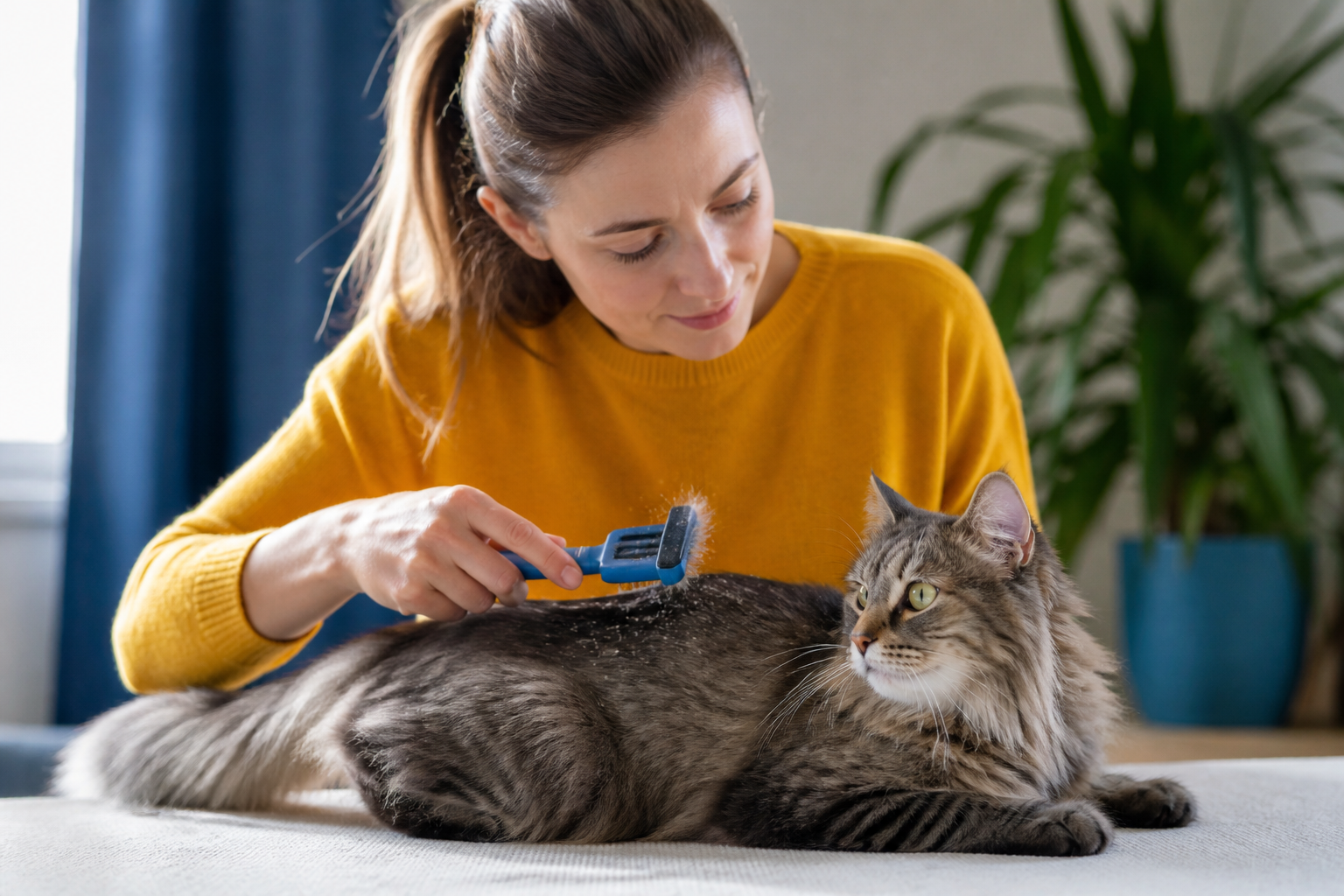
You are enjoying a quiet evening on the sofa, running a brush through your cat's soft fur, when you notice something unexpected. Small white flakes start appearing on the brush bristles and settling on your cat's coat. This is a common moment for many cat owners, and it often leads to questions about skin health and grooming habits. At BaxterBoo, we have helped pet parents navigate these concerns since 2006. We know that a few flakes might seem minor, but they often tell a story about what is happening beneath the surface of the skin. This article covers why these flakes appear during grooming, the common causes of feline skin issues, and how to help your cat regain a glossy coat. Understanding the difference between normal shedding and health concerns is the first step toward a happy, comfortable cat.
Quick Answer: Cat dandruff seen during brushing is often a sign of dry skin, poor nutrition, or an inability to groom properly. While a few flakes can be normal, a sudden increase usually requires changes in diet, grooming routines, or a visit to the veterinarian to rule out parasites or underlying health issues.
Understanding the Difference Between Dandruff and Dander
It is easy to confuse dander and dandruff, but they are quite different. Every healthy cat produces dander. These are microscopic skin cells that shed naturally as the skin renews itself. You cannot see dander with the naked eye. It is the material that carries the proteins responsible for human cat allergies. When these tiny cells fall off, they circulate in the air or settle on furniture.
Dandruff is much larger and clearly visible. These are the white or gray flakes you see on the brush or your cat's back. Dandruff happens when the skin is irritated, overly dry, or excessively oily. It is a symptom of an underlying issue rather than a disease itself. When you see these flakes, it means the natural process of skin cell turnover has sped up or the cells are clumping together.
Key Takeaway: If you can see the flakes, it is dandruff. If you can only smell or feel an allergic reaction, it is likely dander. Dandruff is a visible sign that your cat’s skin needs attention.
Why Flakes Appear When You Brush Your Cat
You might wonder why the dandruff only seems to appear when you are grooming your pet. Brushing acts like an exfoliant for your cat's skin. The bristles reach down through the fur and disturb the top layer of the epidermis. If there is a buildup of dead skin cells, the brush lifts them up and pulls them to the surface of the coat.
Brushing also helps distribute natural oils. In a healthy cat, these oils keep the skin supple and the flakes minimal. If your cat's skin is dry, the brush cannot distribute enough oil to keep the cells flat. Instead, the mechanical action of the brush breaks the dry skin into the visible flakes you see. This is especially common in the "petting zone" along the lower back and the base of the tail.
Common Causes of Cat Dandruff
Finding flakes during a grooming session can be frustrating. Identifying the cause is the only way to fix the problem permanently. There are several reasons your cat might be flaking, ranging from lifestyle factors to medical conditions.
Inability to Groom Properly
Cats are famous for their fastidious grooming habits. They spend a large portion of their day cleaning themselves. This process removes dead skin cells before they can clump into dandruff. If a cat stops grooming effectively, flakes will build up quickly.
Obesity is a major factor here. An overweight cat simply cannot reach every part of its body. The lower back is usually the first area to show signs of neglect. Similarly, senior cats often suffer from arthritis or joint stiffness. This makes it painful to twist and reach the areas where dandruff tends to accumulate.
Nutritional Gaps and Hydration
Skin health starts from the inside. If your cat's diet is low in essential fatty acids, their skin will lose its moisture barrier. Omega-3 and omega-6 fatty acids are crucial for maintaining a healthy coat. Many dry kibble diets are processed at high heat, which can degrade these sensitive fats.
Hydration also plays a role. Cats have a low thirst drive because their ancestors obtained moisture from prey. If a cat eats only dry food and does not drink enough water, they can live in a state of mild, chronic dehydration. This leads to dry, brittle skin that flakes off easily.
For options that support different feeding routines, explore our cat food collection.
Environmental Factors
The air in your home affects your cat's skin just as much as it affects yours. During the winter, indoor heating systems strip moisture from the air. This low humidity environment is a primary cause of seasonal dandruff. You might notice the flakes increase in December and disappear by May.
Parasites and "Walking Dandruff"
Some dandruff is actually alive. Cheyletiella mites are small parasites that live on the skin surface. They are often called "walking dandruff" because the mites move under the scales of the skin, making the flakes look like they are crawling. This condition is highly contagious to other pets and can even cause itchy spots on humans.
Fleas and lice can also cause enough irritation to create flaking. When a cat has a flea allergy, their skin becomes inflamed. This inflammation leads to rapid skin cell turnover and a dusty, flaky appearance.
Vet Tip: If the dandruff seems to move or if your cat is scratching excessively, consult your veterinarian immediately. They can perform a skin scraping to check for mites or lice. Many of these issues require specific medical treatments that are more effective than over the counter shampoos.
Supporting Skin Health Through Nutrition
At BaxterBoo, we carefully curate brands that prioritize high quality ingredients to support overall wellness. Improving your cat's diet is often the most effective way to eliminate dandruff.
Look for foods that list specific animal proteins as the first ingredient. Brands like Farmina, Orijen, and Acana focus on biologically appropriate recipes that provide the nutrients cats need for skin repair. If you currently feed only dry food, consider adding wet food to the routine. Brands like Tiki Cat or Fussie Cat offer high moisture options that significantly improve hydration levels.
Supplements are another excellent tool. Adding a fish oil supplement can provide a concentrated dose of Omega-3 fatty acids. We carry trusted brands like Zesty Paws and Honest Paws that offer skin and coat support. These supplements help reinforce the skin's natural barrier and reduce inflammation. You can compare available options in our cat skin and coat care category.
Transitioning to New Food
Step 1: Mix a small amount of the new food with the old food. / Use about 25% new food and 75% old food for the first few days.
Step 2: Increase the ratio of new food slowly. / Move to a 50/50 mix for another three days while watching for any digestive changes.
Step 3: Complete the transition over ten days. / By the end of the week, your cat should be eating 100% of the new, nutrient dense diet.
Bottom line: Better nutrition leads to better skin, but always transition slowly to avoid upsetting your cat's stomach.
The Importance of the BaxterBoo Pharmacy
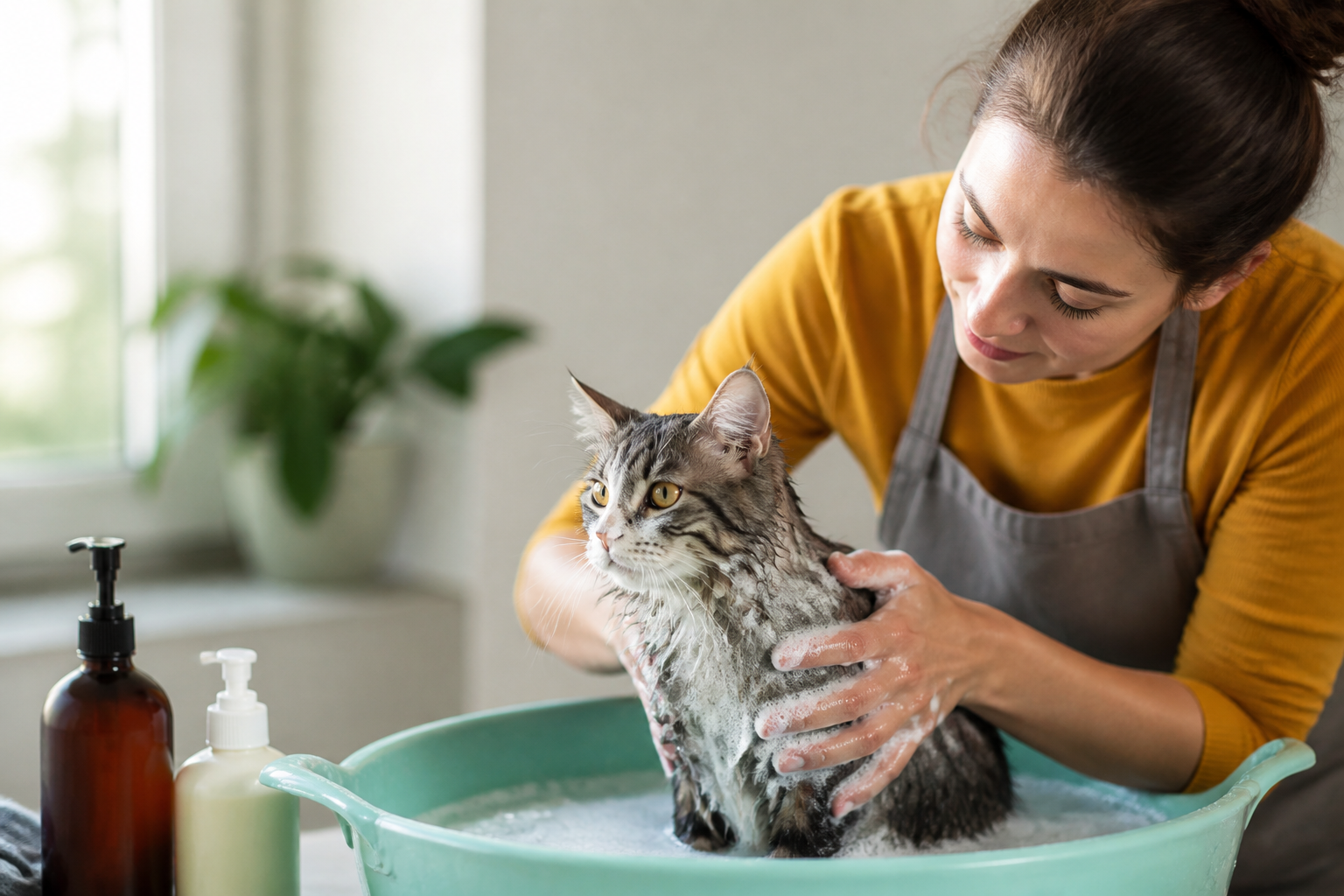
Sometimes, the cause of dandruff requires more than just a better brush or a new bag of food. If your cat is suffering from a skin infection, a severe parasite infestation, or an underlying metabolic condition like hyperthyroidism, they will need medication.
We offer a full service pharmacy through our partnership with Pet's Choice. This allows you to get FDA-approved prescription medications and therapeutic diets delivered right to your door. If your vet prescribes a medicated shampoo or a specific flea and tick preventive like NexGard or Frontline, you can find those through our cat pharmacy. We also carry prescription diets like Farmina Vet Life for cats managing weight or other chronic conditions.
Vet Tip: Never use human dandruff shampoos on your cat. Many of these products contain zinc or coal tar, which can be toxic to felines. Always stick to products specifically formulated for cats and approved by your veterinarian.
Grooming Tools and Techniques
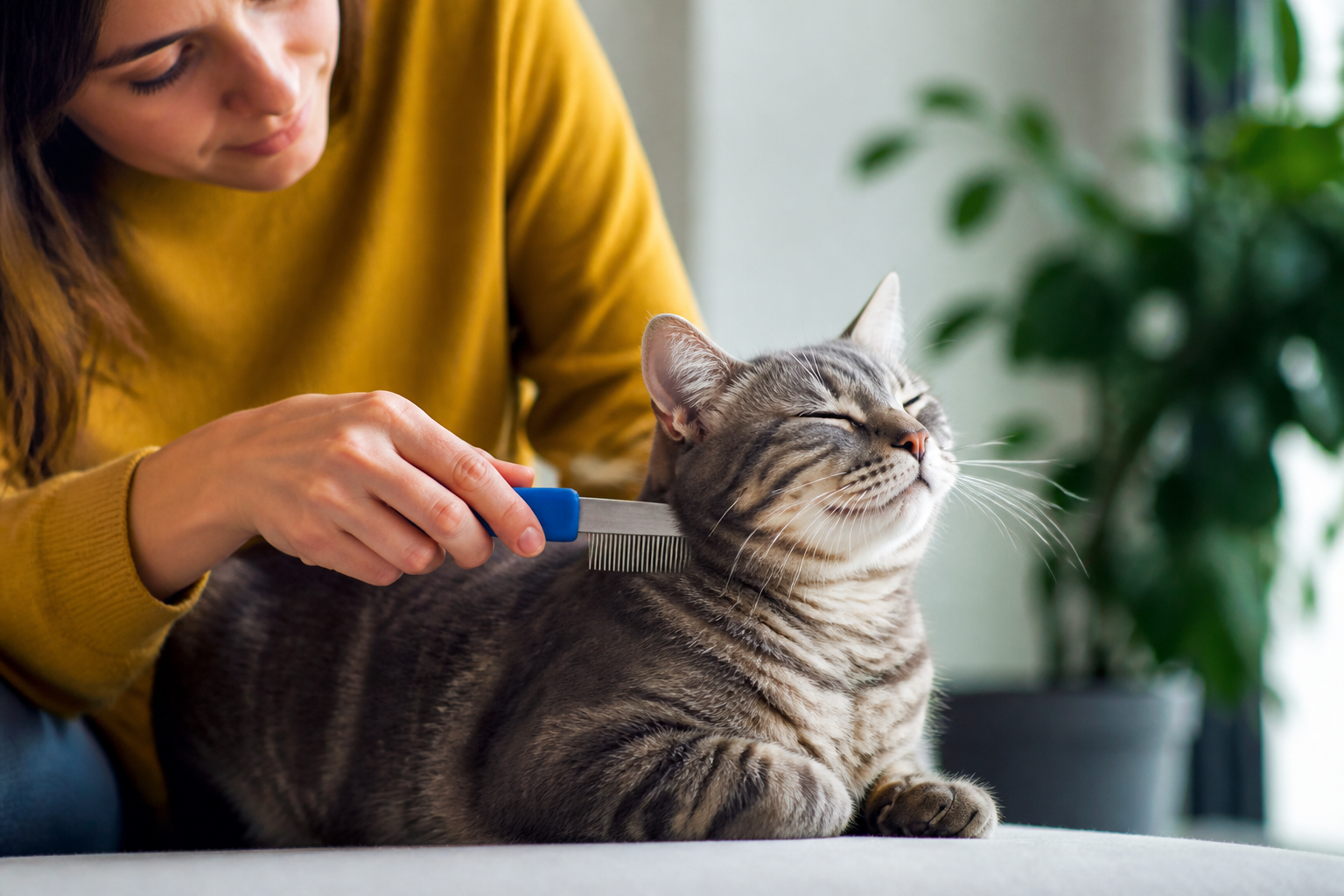
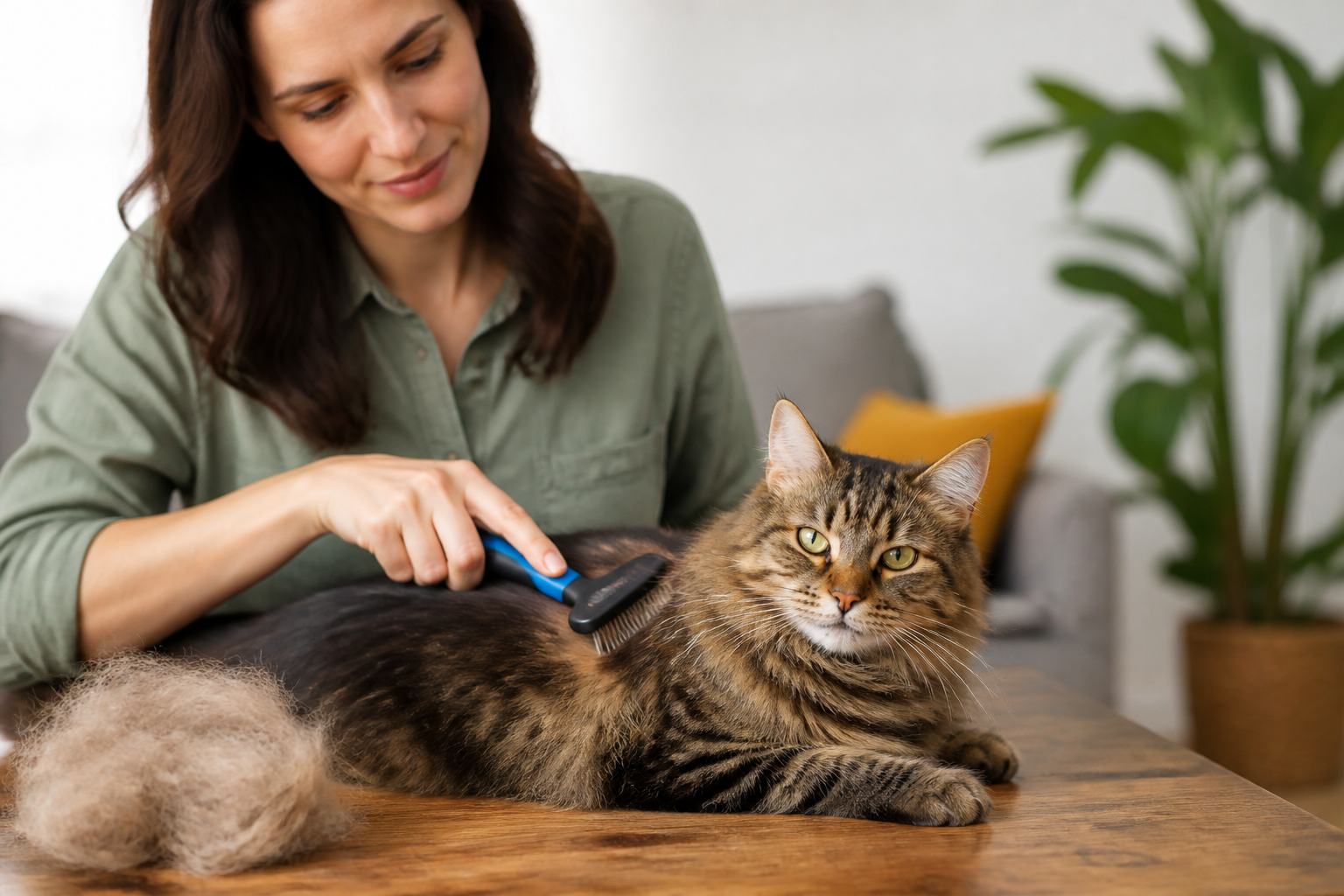
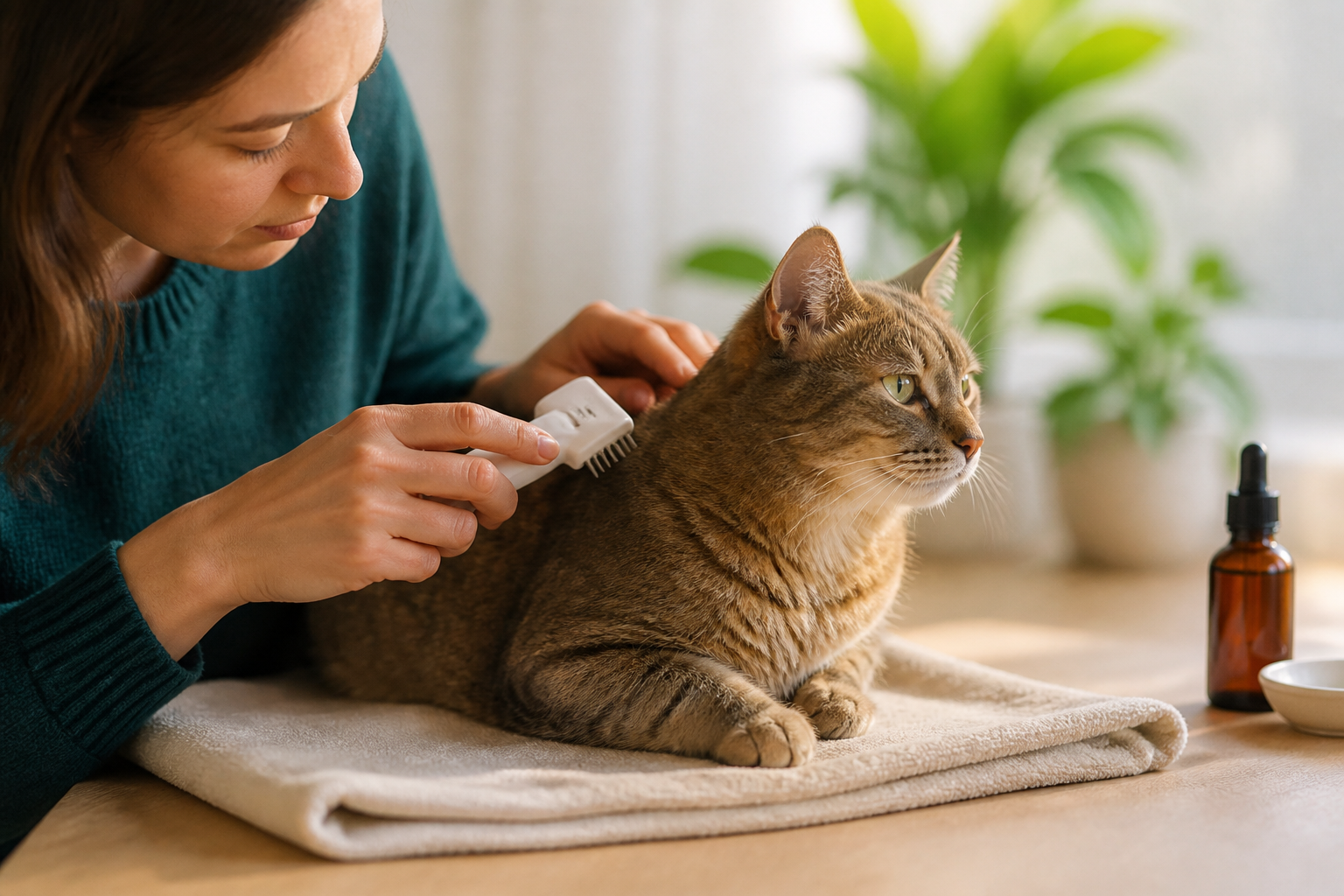
The right tools make a massive difference in how you manage dandruff. For short-haired cats, a soft bristle brush or a rubber grooming mitt is often enough to stimulate the skin and remove flakes. Long-haired cats require more intensive care. A high quality stainless steel comb can help reach the undercoat where dead skin cells often get trapped.
When you brush your cat, use gentle, long strokes. Avoid pressing too hard, as irritated skin is already sensitive. If your cat has dandruff due to obesity or arthritis, you may need to focus more on their lower back. Since they cannot reach this spot, your daily grooming session is their primary way of staying clean.
For additional grooming options, browse our cat grooming supplies.
- Bristle Brushes: Best for finishing and distributing oils.
- Slicker Brushes: Excellent for removing loose fur and debris from the undercoat.
- Grooming Mitts: Ideal for cats that are nervous about traditional brushes.
- Stainless Steel Combs: Essential for preventing mats and lifting flakes in long-haired breeds.
A versatile option is the U-Groom Combo Brush for Dogs and Cats, which combines stainless-steel pins with boar bristles.
Creating a Comfortable Environment
If dry air is the culprit, a humidifier is your best friend. Placing a humidifier in the room where your cat spends the most time can prevent their skin from drying out. This is a simple, non-invasive way to manage seasonal flaking.
You should also keep your cat's stress levels in mind. Stress can manifest as over-grooming or a lack of grooming, both of which impact skin health. Using calming diffusers or providing plenty of vertical space can help a nervous cat feel more secure, leading to better self-care habits.
Key Takeaway: Managing dandruff is a multi-step process that involves the right environment, the right tools, and the right nutrition.
When to See the Veterinarian
While many cases of dandruff are minor, some indicate serious health problems. You should schedule a veterinary visit if the dandruff is accompanied by other symptoms.
Watch for patches of hair loss or redness. If your cat is constantly licking one specific area until the skin is raw, this is a sign of pain or intense itching. Changes in thirst, appetite, or litter box habits can also point to systemic issues like diabetes or kidney disease. These conditions often affect the coat quality long before other symptoms become obvious.
Our partnership with FIGO Pet Insurance can help provide peace of mind when these unexpected vet visits arise. Managing a chronic skin condition or an underlying illness is much easier when you have the right support and resources.
Vet Tip: Keep a log of when you notice the dandruff and any changes you make to their diet or environment. This information is incredibly helpful for your vet when they are trying to narrow down a diagnosis.
Conclusion
Seeing cat dandruff when brushed is a signal from your cat's body that something needs to change. Whether it is a simple fix like adding a humidifier or a more complex need like managing arthritis, your attention to their coat is a vital part of their care. At BaxterBoo, we are committed to providing the expert advice and high quality products you need to keep your cat healthy. From premium foods like Stella and Chewy's to FDA-approved medications from our pharmacy, we are here to support every stage of your pet's life.
- Identify if it is dandruff or normal dander.
- Assess your cat's ability to groom themselves.
- Check for parasites or signs of "walking dandruff."
- Improve nutrition with high quality fats and moisture.
- Consult a vet for persistent flakes or skin irritation.
The next step is to evaluate your cat's current grooming and nutrition routine. Consider browsing our skin and coat care category or speaking with your vet about a prescription diet through our pet pharmacy.
FAQ
Is it normal to see some flakes when I brush my cat?
A very small amount of flaking can be normal, especially during seasonal changes or in older cats. However, if the flakes are numerous, persistent, or accompanied by redness and itching, it usually indicates an underlying issue. Regular grooming should ideally leave the coat looking glossy and clear rather than dusty.
Can I use human skin oils or lotions on my cat's dandruff?
No, you should never use human skin products on a cat without veterinary approval. Cats groom themselves with their tongues, meaning they will ingest whatever you put on their fur. Many human lotions contain scents, chemicals, or essential oils that are toxic to cats or can cause severe digestive upset.
How often should I brush my cat to get rid of dandruff?
For most short-haired cats, brushing two to three times a week is sufficient to manage flakes and distribute oils. Long-haired cats or those with mobility issues may need daily grooming. If you are using grooming to manage dandruff, be gentle to avoid irritating the skin further.
Will changing my cat's food help with their dry, flaky skin?
Dietary changes are often very effective for improving skin health. Foods rich in Omega-3 and Omega-6 fatty acids help build a strong skin barrier and reduce inflammation. Transitioning to a high quality brand like Farmina or adding wet food for better hydration can make a visible difference in just a few weeks.