Save 15% on your 1st Autoship learn more

 Email us
 Live Chat
 FAQs
FAQs





Introduction
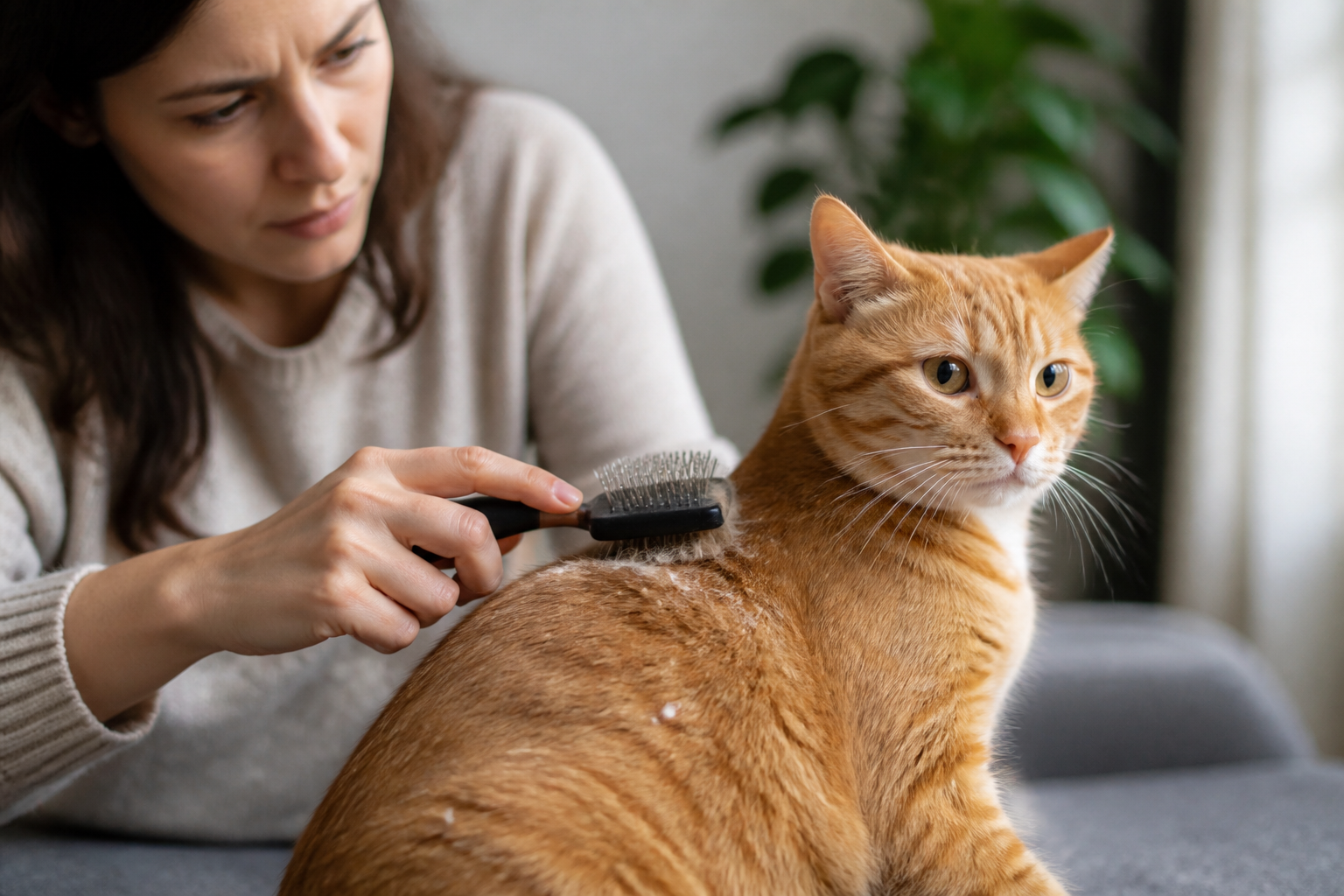
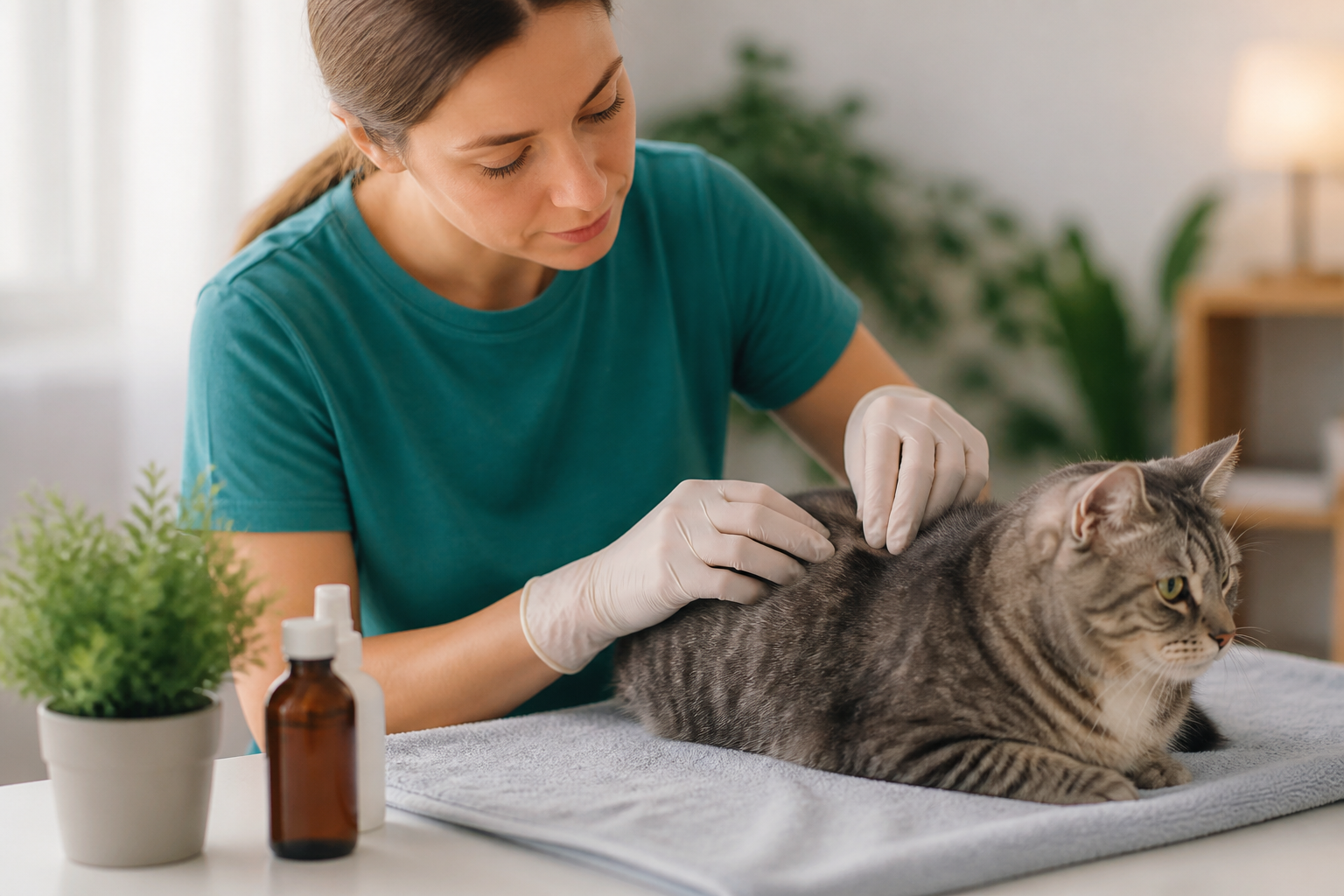
You are sitting on the couch with your cat and notice a dusting of white flakes along their spine. It looks like a light sprinkle of salt or tiny bits of paper caught in their fur. While a small amount of skin shedding is normal for any animal, a sudden increase can signal a change in your cat's health. At BaxterBoo, we often hear from owners who are worried that their cat's once glossy coat is now looking dull and flaky. This post covers the common reasons for feline dandruff, how to distinguish it from pests, and what you can do to help your cat feel comfortable again. We will also look at when it is time to involve your veterinarian and how specialized care can make a difference. Understanding the root cause is the first step toward helping your pet achieve a healthy, flake free coat.
Quick Answer: A lot of dandruff on a cat's back is usually a sign of poor grooming, dry environmental air, or an underlying health issue like obesity or arthritis. While mild flaking happens naturally, excessive dandruff requires a closer look at your cat’s diet, grooming habits, and potential for parasites.
Understanding Feline Dandruff
It is important to know the difference between dander and dandruff. Every healthy cat produces dander. Dander consists of microscopic skin cells that shed naturally as the body replaces old tissue with new cells. You generally cannot see dander with the naked eye. It is the protein in this dander that often triggers allergies in humans.
Dandruff is different because it is visible. These are larger clumps of dead skin cells that have come away from the surface of the skin. They often get trapped in the fur, especially on cats with thicker undercoats. When you see a lot of dandruff on a cat's back, it means the natural shedding process has been disrupted or accelerated.
The location is a major clue. Cats are fastidious groomers and usually spend hours every day cleaning themselves. If the dandruff is concentrated on the lower back or the base of the tail, it often suggests that the cat cannot reach that area. This simple observation can help you and your vet narrow down the cause.
Key Takeaway: All cats have microscopic dander, but visible dandruff is a sign that something is preventing the skin from staying healthy or being properly groomed away.
Why the Back and Tail Base?
The most common area for cat dandruff to accumulate is along the dorsal line, which is the area from the shoulders down to the tail. The lower back is a difficult spot for many cats to reach. If a cat has any physical limitation, this is the first place where the coat will start to look unkempt.
A healthy, flexible cat uses their tongue to comb through their fur. This action removes loose hair and dead skin while distributing natural oils. When this process stops, skin cells build up and the coat may start to look greasy or matted. This is why the back is the primary "hot spot" for dandruff.
Common Causes of Excessive Flaking
There are several reasons why your cat might suddenly look like they have been playing in the snow. Identifying the cause requires looking at your cat's lifestyle and physical condition.
Obesity and Mobility Issues
Obesity is a leading cause of dandruff on a cat's back. A cat carrying extra weight might find it physically impossible to reach the base of their tail. They often cannot groom the middle of their back during their daily cleaning routine. This leads to a buildup of oils and skin cells that eventually flake off.
For additional guidance, read about helping an indoor cat lose weight.
Similarly, arthritis can prevent a cat from twisting and turning to reach their back. Senior cats often suffer from joint stiffness that makes grooming painful. If you notice your cat has stopped grooming their back, it may be due to discomfort rather than laziness.
Environmental Factors
Dry air is a major culprit during the winter months. When the heater is running constantly, the humidity in your home drops. This dries out your cat's skin just as it does yours. In these cases, the dandruff is usually accompanied by static electricity in the fur and a lack of other symptoms like redness or itching.
Poor Nutrition
Skin is the largest organ of the body. It requires a significant amount of protein and healthy fats to stay supple. If a cat is eating a low quality diet, their skin may become dry and brittle. Omega-3 and Omega-6 fatty acids are essential for maintaining the skin's moisture barrier.
You can compare options in our cat food selection for skin and coat health.
Parasites and Infections
Sometimes, what looks like dandruff is actually something else. Fleas can cause skin irritation that leads to flaking. There is also a specific mite called Cheyletiella that is famously known as walking dandruff. These mites are large enough to see with the naked eye. They look like white flakes, but they actually move across the skin.
Vet Tip: If the flakes on your cat's back appear to be moving, or if your cat is scratching intensely, contact your veterinarian immediately. You may be dealing with a contagious parasite infestation like Cheyletiella or fleas.
For more information about parasite prevention, see this guide to flea and tick prevention products.
The Role of Grooming
Grooming is about more than just looking good. It is a vital part of a cat's health. When you see dandruff, it is a sign that the coat needs intervention. For cats that cannot groom themselves, you must step in as the primary groomer.
We carry a variety of tools that can help. For short haired cats, a soft bristle brush or a rubber grooming mitt can help distribute oils. For long haired cats, a fine toothed comb or a de-shedding tool is necessary to reach the skin. Regular brushing removes the dead cells before they have a chance to clump together into visible dandruff.
Explore our cat grooming supplies for brushes, combs, shampoos, and other grooming tools.
Bottom line: Regular grooming is the most effective way to manage dandruff caused by mobility issues or a thick undercoat.
| Grooming Tool Type | Best For | Purpose |
|---|---|---|
| Rubber Mitt | Short hair cats | Gentle oil distribution and massage |
| Slicker Brush | Medium to long hair | Removing loose undercoat and tangles |
| Fine Toothed Comb | All coat types | Detecting fleas and removing small flakes |
| De-shedding Tool | Thick or double coats | Thinning the undercoat to prevent mats |
Dietary Support for Skin Health
Nutrition is often the foundation of a healthy coat. If your cat has chronic dandruff, it may be worth examining their food bowl. High quality brands focus on bioavailable nutrients that support skin cell turnover.
We stock several premium brands that prioritize skin and coat health. Brands like Farmina, Royal Canin, and The Honest Kitchen offer formulations rich in essential fatty acids. If your vet suspects a food allergy is causing the skin irritation, they might recommend a prescription diet.
Our pharmacy provides access to FDA approved prescription diets through our partnership with Pet's Choice. This includes options like Farmina Vet Life, which are specifically designed to manage health conditions that manifest through the skin. Sometimes, a simple change in protein source can clear up flaky skin within a few weeks.
Supplements to Consider
In addition to a balanced diet, supplements can provide an extra boost. Fish oil is the most common recommendation. It is packed with DHA and EPA, which help reduce inflammation and hydrate the skin from the inside out. Brands like Zesty Paws and Honest Paws offer liquids or treats that are easy to add to your cat's daily routine.
One option is Nutramax Welactin Omega 3 Fish Oil for Cats.
Managing Walking Dandruff (Cheyletiellosis)
Walking dandruff is a parasitic infestation that is often mistaken for simple dry skin. These mites live on the surface of the skin and spend their entire life cycle on the animal. They are highly contagious and can spread to other pets and even humans.
If your cat has Cheyletiellosis, simple brushing will not help. You will need a medical treatment plan from your vet. This usually involves flea and tick preventives that are also effective against mites. Our pharmacy carries a range of these products, including options that require a prescription. Keeping your cat on year round prevention is the best way to avoid this uncomfortable condition.
Environmental Adjustments
If the dandruff is strictly environmental, you can make changes at home to improve your cat's comfort.
- Use a humidifier. / Adding moisture back into the air can stop the skin from drying out during the winter.
- Provide fresh water. / Dehydration can lead to dry skin. Use a pet fountain to encourage your cat to drink more.
- Avoid over-bathing. / Most cats do not need regular baths. Frequent washing can strip away the natural oils they need for skin health.
- Stress management. / Stress can actually cause a cat to shed skin cells more rapidly. Products like Feliway can help keep your cat calm.
When to See a Veterinarian
While a few flakes might be manageable at home, certain symptoms require professional help. You should not try to diagnose a complex skin condition on your own.
Signs That Need a Vet Visit
- The skin is red, inflamed, or bleeding.
- Your cat is losing patches of fur (alopecia).
- The dandruff is accompanied by a foul odor.
- Your cat is constantly scratching, biting, or over-grooming.
- You see black specks in the fur (flea dirt).
- Your cat seems stiff or is having trouble jumping.
A veterinarian can perform a skin scraping or a flea comb test to see exactly what is happening. They may also suggest blood work to rule out conditions like hyperthyroidism or diabetes, which can affect the quality of a cat's coat.
For context on grooming changes linked to joint discomfort, read about arthritis care for cats.
How to Brush a Cat with Dandruff
If your cat has dandruff on their back, you need to be careful with how you brush them. The skin underneath those flakes may be sensitive or even sore.
Step 1: Choose a calm moment. / Wait until your cat is relaxed or sleepy before you start.
Step 2: Start at the head and shoulders. / Most cats enjoy being brushed around the chin and neck. Start there to build trust.
Step 3: Move slowly to the back. / Use short, gentle strokes along the spine. Do not press down hard on the skin.
Step 4: Check the brush. / Look for any signs of fleas or moving mites as you work.
Step 5: Reward your pet. / Give them a high quality treat like those from Vital Essentials or Stella and Chewy's to make it a positive experience.
Bottom line: A gentle, consistent grooming routine is better than a single, aggressive session.
The BaxterBoo Pharmacy and Ongoing Care
For many cats, dandruff is a chronic issue linked to a medical condition. Managing these cases requires more than just a new brush. It requires a partnership between you and your vet.
Through our partnership with Pet's Choice, our cat pharmacy makes it easy to get the medications and prescription foods your cat needs. Whether it is a specialized shampoo to treat a fungal infection or a prescription flea preventive like NexGard or Frontline, we help you manage your cat's health from home. Having these supplies delivered on a schedule through our Autoship program ensures you never run out of the treatments that keep your cat's skin healthy.
Long Term Prevention Strategies
Preventing dandruff is often easier than treating it once it has become severe. A proactive approach to feline wellness goes a long way.
- Maintain a healthy weight. / Keeping your cat lean ensures they can reach every part of their body for grooming.
- Year round parasite control. / Never skip flea and tick prevention, even for indoor cats.
- Daily brushing. / This is especially important for long haired cats or senior pets with limited mobility.
- Routine vet checkups. / Wellness exams can catch early signs of arthritis or metabolic diseases before they impact the coat.
At BaxterBoo, we have been helping pet owners since 2006. We believe that every pet deserves to feel comfortable in their own skin. By paying attention to small changes like dandruff on the back, you can catch health issues early and provide the care your cat needs to thrive.
Conclusion
Seeing a lot of dandruff on your cat's back can be frustrating, but it is often a manageable problem. Whether the cause is a lack of humidity, a struggle with mobility, or a need for better nutrition, there are clear steps you can take to help. Focus on regular grooming, a high quality diet, and consistent parasite prevention. If the problem persists or your cat seems uncomfortable, your veterinarian is your best resource for a diagnosis. Our goal is to provide you with the products and expertise needed to support your pet through every life stage. Visit our cat skin and coat care collection or our pharmacy to find the specialized tools and treatments that will help your cat's coat shine again.
FAQ
Is it normal for a cat to have some dandruff on their back?
A small amount of flaking can be normal, as cats constantly shed dead skin cells to make room for new ones. However, if the dandruff is very visible, covers a large area, or is accompanied by greasy fur, it usually indicates that the cat is not grooming properly or has an underlying health issue. You should monitor your cat for other signs like itching or redness to determine if the dandruff is a concern.
Can I use human dandruff shampoo on my cat?
No, you should never use human dandruff shampoo on a cat unless specifically instructed by a veterinarian. Human shampoos often contain ingredients that are toxic to cats if they lick their fur after the bath. Furthermore, the pH level of human skin is different from cat skin, so these products can strip away essential oils and make the dryness even worse. Always use a shampoo specifically formulated for felines.
How does obesity cause dandruff in cats?
Obesity limits a cat's flexibility, making it difficult for them to reach the middle and lower parts of their back. When a cat cannot groom these areas, dead skin cells and natural oils build up instead of being brushed away by the tongue. This buildup leads to the visible white flakes you see on the fur. Helping your cat reach a healthy weight through diet and exercise is often the best cure for this type of dandruff.
What is the difference between flea dirt and dandruff?
Dandruff is white or translucent and consists of dead skin flakes. Flea dirt looks like tiny black or dark brown specks of pepper. A simple way to tell them apart is the "wet paper towel test." If you place the specks on a damp white paper towel and they turn a reddish-rusty color, it is flea dirt, which is actually digested blood. Dandruff will remain white and will not change color when wet.