Save 15% on your 1st Autoship learn more

 Email us
 Live Chat
 FAQs
FAQs





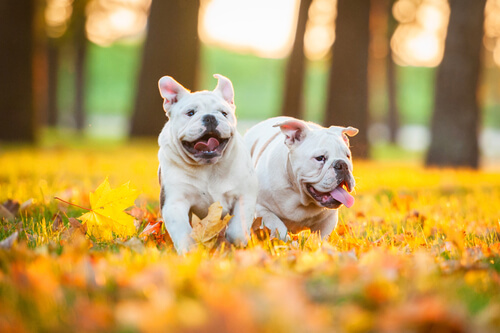
The weather is starting to change, and that means a couple months of beautiful and mostly comfortable weather, but it also means that the country is heading toward winter, and unless you live in the south, that will create a situation where your pup has limited opportunities to get out and get active. For some larger dog breeds with heavier coats this is no problem at all. For others, though, it can pose significant challenges. Small dogs tend to pick up snow and get wet no matter how much their coat protects them from the cold, and dogs with shorter coats are often uncomfortable outside for long periods of time. Luckily, there are a variety of ways to keep your pet both active and comfortable, making it easier for them during the cold months.
1. Invest in Dog Clothing—But Be Smart About It
Not every pet wants or needs clothing, so it is important to make sure that your winter clothing choices reflect your best buddy’s needs. Otherwise, you wind up in a situation where your dog might resist clothing because it is uncomfortable. When you’re first looking for clothes, it can be a bit of trial and error to find your pet’s best options. Still, there are a few ways to help yourself narrow things down.
First, make sure you take note of any sensitive areas. If your dog recoils from ear touches in many cases, then a hat that holds the ears down is not likely to be a big hit. The same goes for dog booties. There are a lot of dogs that benefit from having some protection against the cold when they go out, because even though their paws are less sensitive than human feet, the cold does still hurt after a point. Despite this obvious benefit, though, there are some dogs that simply do not tolerate the sensation that comes with wearing boots, and trying to make them acclimate to clothing that is uncomfortable is not likely to go over well or easily.
If you can avoid those sensitive areas, then it gets a lot easier to predict which clothing is likely to be a hit. Many dogs practically jump into their jackets and sweaters once they learn how much extra protection and warmth they bring, an every positive experience helps. That’s why small dogs and those that are low to the ground tend to do well with sweaters—just remember to take them off if they get wet!
2. Find Your Optimum Level of Winter Activity
If your dog had his way, he’d probably still be outside as much as possible during the winter. If you’ve got a backyard that allows for this, it can be tempting to let animals play out. Doing that is a great idea when you can, but it does also lead to the pets needing to be monitored to be safe, and it also results in a lot of in-and-out while you are home. One of the better ways to offset that in-and-out disruption is to make some dedicated play time that gives your dog a workout. Even if you’re not a really active person in the snow, a twenty minute fetch session could save you a lot of interruptions later on.
Having dedicated active time is also a good idea if you don’t have a fenced yard where your pet can run freely. It provides some much-needed exercise, and it gives you the opportunity to monitor your dog for signs of distress or discomfort. That, in turn, gives you a clearer idea about what their cold weather tolerance is like, which is useful when planning future exercise sessions and also when you need to start looking into clothing to offset the cold temperatures. Even if you can only manage a couple of blocks each day, that time is essential to your pet’s health! Just make sure you let them romp through the snow, because sidewalk salt is not friendly on their feet.
3. Create Indoor Activity Opportunities
Your mileage might vary with this one, since large dogs need a lot of space to get into really active play, but if you have an open basement area, even they can benefit from some real activity indoors. Fetch can become a cross-house activity if you invest in safe, soft throw toys like fabric balls and squishy toys that don’t have a lot of weight. These can be tossed around without endangering your home furnishings too much, and small dogs will make your living room into an obstacle course if you give them the opportunity to do so. Indoor play gives you a chance to wear them out with healthy activity without overexposing yourself to the cold, too, so it is ideal for those whose health makes winter a difficult time to be outdoors.
When you look for your pets’ best options for indoor play, keep a few guidelines in mind to make sure you are really engaging them and not just giving them a way to vent their boredom. This means:
· Give them something to do! If all your toys are chew toys, then your dog will get bored easily. It also creates a higher likelihood that the chewing will escalate into a problem if it is encouraged too much.
· Look for varied activities—fetch is great, but indoors it can be hard to let loose and really run unless you happen to have a dog that is under 15 pounds or a really generous living space. Puzzles that reward your pet with treats can keep them active and moving and independent—which is perfect when you have work to do.
· Remember to support exercise with nutrition! The right supplements and a good oral hygiene routine both go a long way toward keeping your pet happy and well-adjusted during the winter months.
If you follow this plan, you’ll have the opportunity to get your pup outdoors for as much play time as possible while still keeping both of you comfortable. Before you know it, the weather will turn again, and the outdoor fun will pick back up. In the meantime, when you choose your indoor toys, pick a generous selection.