
 Save 15% on your 1st Autoship learn more

 Email us
 Live Chat
 FAQs
FAQs





Introduction
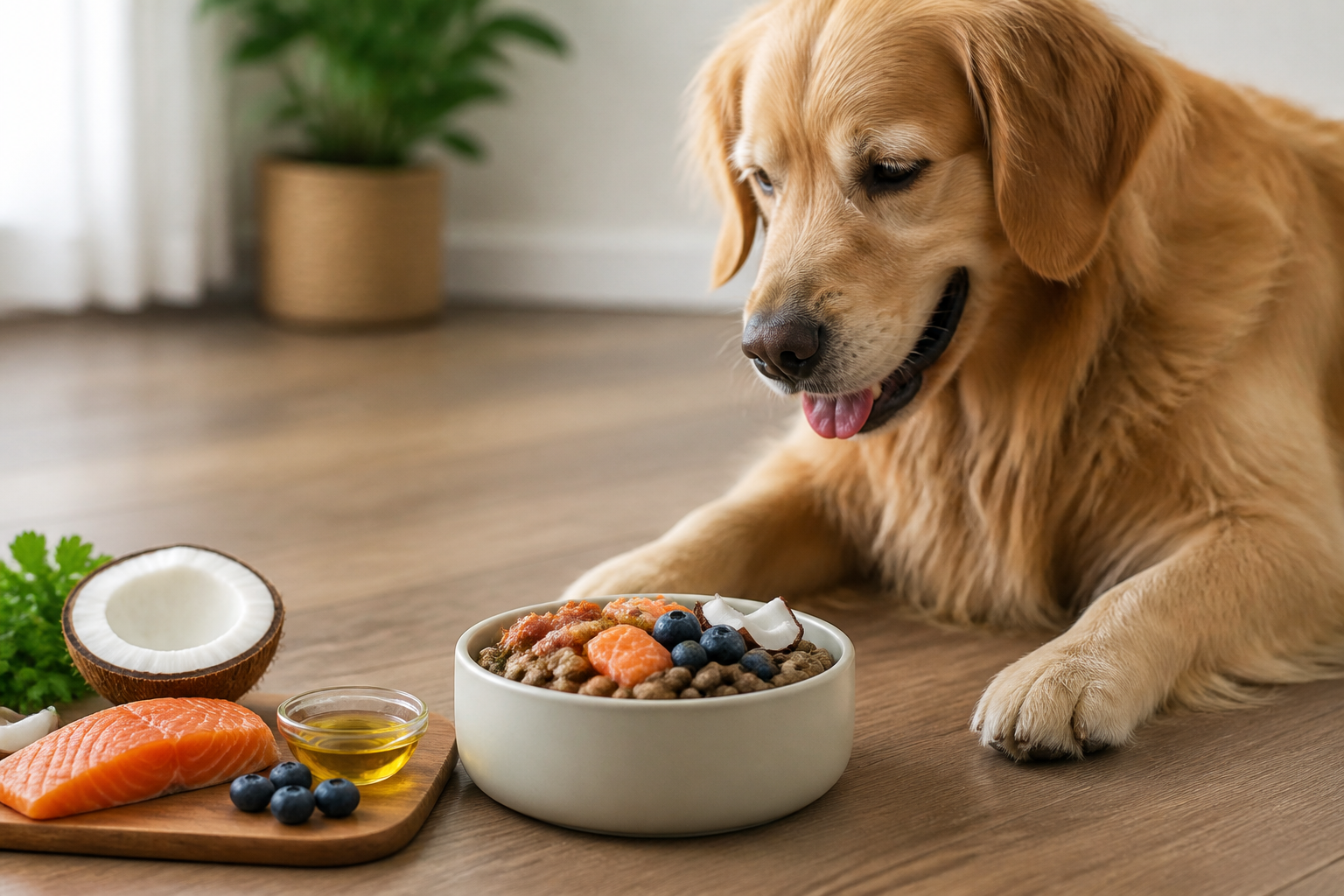
You have likely heard that persistent, rhythmic thumping in the middle of the night. It is the sound of your dog frantically scratching at a spot they just cannot seem to soothe. Perhaps you have noticed a flurry of white flakes on their back when you reach down for a pat, or their coat feels brittle and dusty rather than soft. Dry skin is one of the most common reasons pet owners visit us at BaxterBoo. While environmental factors like dry winter air or central heating play a part, the real solution often starts in the food bowl. In this guide, we will look at specific oils, whole foods, and supplements you can add to your dog's daily meals to restore moisture and shine. Nutrition is the foundation of a healthy coat and the first line of defense against irritation.
The Power of Essential Fatty Acids
The most effective way to help a dog with dry skin is to look at their intake of essential fatty acids. These are fats that the body cannot produce on its own. They must come from the diet. When a dog is low on these nutrients, their skin loses its ability to hold onto moisture. This leads to the flaking and itching you see on the surface.
Omega-3 Fish Oils
Fish oil is often called the gold standard for skin health. It is packed with two specific types of Omega-3s: EPA and DHA. These fats are highly bioavailable, which means your dog's body can use them almost immediately. Adding a high-quality liquid fish oil or a supplement like Zesty Paws Salmon Oil can make a visible difference in as little as three weeks.
Fish oil works by reducing inflammation in the skin. If your dog scratches because of seasonal allergies, the anti-inflammatory properties of fish oil help calm that reaction. It also strengthens the skin barrier. Think of it like a sealant that keeps moisture in and irritants like dust or pollen out.
Plant-Based Omega-6 Fatty Acids
While Omega-3s get most of the attention, Omega-6 fatty acids are just as important for the coat. Linoleic acid is a specific Omega-6 that helps maintain the outer layer of the skin. If your dog's food is low in this, they might develop a dull, thin coat.
You can find healthy Omega-6s in certain plant oils. Flaxseed oil is a popular choice, though dogs are not as efficient at processing plant-based omegas as they are with fish-based ones. Still, it provides a great boost for the skin's lipid barrier. Sunflower oil or safflower oil can also be used in very small amounts to improve coat softness.
Quick Answer: Adding Omega-3 fatty acids like salmon oil is the most effective way to treat dry skin from the inside out. You can also add whole foods like plain eggs or sardines to provide biotin and minerals that strengthen the skin barrier.
Kitchen Staples for Skin Support
You do not always need a specialized supplement to see results. Many items already in your pantry or refrigerator can serve as potent skin-healing additions. These whole foods provide a complex range of nutrients that single-ingredient oils might miss.
The Incredible Egg
Eggs are a powerhouse of nutrition for dogs. They are rich in biotin, a B vitamin that is essential for cell growth and the metabolism of fatty acids. A deficiency in biotin often shows up as scaly skin, hair loss, or a brittle coat.
Feeding a plain, boiled, or scrambled egg once or twice a week is an easy way to give your dog a concentrated dose of protein and vitamins. Make sure the egg is cooked, as raw egg whites contain avidin, which can actually interfere with biotin absorption over time. Never add salt, butter, or seasonings to your dog's eggs, as these can irritate their stomach.
Coconut Oil
Coconut oil has become a favorite for many pet owners. It contains medium-chain triglycerides and lauric acid. These have mild antibacterial and antifungal properties. While it does not have the same Omega-3 punch as fish oil, it is excellent for improving coat shine and softness.
You can add a small amount to their food, but coconut oil is also very effective when used topically. If your dog has dry, crusty elbows or a specific dry patch on their hip, you can rub a tiny amount directly onto the skin. It acts as a natural moisturizer. Just be aware that most dogs will try to lick it off immediately.
Olive Oil
Most of us have a bottle of olive oil on the kitchen counter. It is rich in antioxidants, phytonutrients, and Vitamin E. These nutrients help nourish the skin and improve its elasticity. Adding about a teaspoon to the meals of a medium-sized dog a few times a week can help prevent the skin from becoming "papery" or thin.
Key Takeaway: Whole food additions like eggs and sardines provide a broad spectrum of vitamins that support skin cell turnover. Always introduce these items slowly to avoid upsetting your dog's digestion.
Targeted Supplements and Nutrients
Sometimes a dog's dry skin is a symptom of a deeper nutritional gap. In these cases, targeted supplements can provide the specific minerals and vitamins needed for regeneration. You can explore our dog supplements for options that support skin, coat, and overall wellness.
Vitamin E and Zinc
Vitamin E is a powerful antioxidant that protects skin cells from damage. It is often found in high-quality kibble, but dogs with chronic dry skin may need a little extra. It helps the skin heal faster from the micro-tears caused by scratching.
Zinc is another critical mineral. It plays a role in how skin and hair cells regenerate. Some breeds, particularly northern breeds like Huskies or Malamutes, can have trouble absorbing zinc properly. This often leads to crusty, scaly skin around the eyes and mouth. Adding a zinc-rich topper or choosing a food like NutriSource or PureVita that uses highly absorbable minerals can help.
Probiotics and Gut Health
It might seem strange to look at the stomach when the skin is the problem. However, the gut and the skin are closely linked. If your dog's gut microbiome is out of balance, it can lead to systemic inflammation that shows up as itchy, dry skin.
Plain, unsweetened yogurt or a dedicated probiotic supplement can help. These beneficial bacteria strengthen the immune system. A stronger immune system is less likely to overreact to environmental allergens, which means less itching and scratching for your dog.
Vet Tip: If your dog has red, raw, or "hot" spots on their skin, or if there is a strong odor, please consult your veterinarian. These are signs of an infection that kitchen additives cannot fix. Your vet may need to prescribe medicated shampoos or antibiotics.
Managing the Transition to New Additives
When you decide what to add to your dog's food, the temptation is to add everything at once. This is a mistake. Adding too much oil or new protein too quickly can cause diarrhea or upset the stomach.
- Step 1: Start with one change. / Choose one oil or one whole food to add to their routine. This helps you see exactly how your dog reacts.
- Step 2: Introduce slowly. / Start with a quarter of the recommended dose. For salmon oil, this might be just half a pump. For eggs, perhaps just a few bites.
- Step 3: Monitor for changes. / Watch your dog's stool for the first 48 hours. If it remains firm, you can gradually increase the amount over a week.
- Step 4: Be patient. / Skin cells take about 21 to 30 days to turn over. You will not see a change in the coat overnight. Commit to the new routine for at least a month before deciding if it works.
When Nutrition Isn't Enough
Sometimes, no amount of salmon oil or eggs will fix the problem. This usually happens when the dry skin is caused by an underlying medical condition or a severe allergy.
Dealing with Allergies
If your dog is scratching year-round, they may have a food allergy. Common culprits include beef, dairy, or wheat. Switching to a limited ingredient diet from brands like Acana, Orijen, or Stella and Chewy's can help identify the trigger. These foods use single protein sources and fewer fillers, which reduces the chance of a skin reaction.
Environmental Factors
Central heating is a major cause of dry skin in the winter. It strips the humidity from the air, which in turn strips moisture from your dog's skin. Using a humidifier in the room where your dog sleeps can make a massive difference.
Grooming habits also matter. If you bathe your dog too often, you are washing away the very oils you are trying to supplement. Stick to a bath every four to six weeks unless they get particularly muddy. Always use a gentle, soap-free oatmeal shampoo to soothe the skin rather than strip it.
For more seasonal ideas, read our guide to winter supplements for dogs.
The Role of the Pharmacy
If your dog's dry skin is caused by a flea allergy, even one bite can cause weeks of misery. In these cases, nutrition is secondary to parasite prevention. Our pet pharmacy carries FDA-approved flea and tick preventives through our partnership with Pet's Choice. Options like NexGard or Frontline are essential for dogs with sensitive skin.
For chronic conditions like hypothyroidism or severe allergic dermatitis, your vet may prescribe specific medications or a prescription diet. We carry these items, including Farmina Vet Life and Royal Canin Veterinary Diets, which are formulated specifically to manage medical skin conditions.
Key Takeaway: If diet changes do not show results within a month, the issue may be medical. Use our pharmacy for prescription diets and allergy medications once you have a diagnosis from your vet.
Creating a Sustainable Routine
Helping your dog's skin is not a one-time fix. It requires a consistent routine. Here is a simple checklist for maintaining a healthy coat:
- Add a pump of fish oil to dinner every single day.
- Feed one cooked egg once or twice a week.
- Brush your dog at least three times a week to distribute natural oils.
- Keep a fresh bowl of water available at all times for internal hydration.
- Use a humidifier during the winter months.
High-Quality Food as the Base
The additives we have discussed work best when the base diet is already high quality. If the kibble is full of cheap fillers and low-quality fats, you are fighting an uphill battle. Look for foods where a named meat (like chicken, turkey, or salmon) is the first ingredient.
Brands like Open Farm and The Honest Kitchen use human-grade ingredients and high-quality fats that naturally support skin health. If your dog has a very sensitive stomach along with dry skin, a dehydrated or freeze-dried dog food diet can be easier for them to process. This ensures they actually absorb the nutrients meant for their skin and coat.
Bottom line: A combination of high-quality base food and targeted fatty acid additions is the most effective way to eliminate dry skin in dogs.
Conclusion
Dry skin is more than just a cosmetic issue. It is a source of constant discomfort for your dog. By adding healthy fats like salmon oil, biotin-rich foods like eggs, and maintaining proper hydration, you can help your dog feel comfortable in their own skin again. We have seen countless dogs transform from itchy and flaky to glossy and vibrant just by making these small changes to the bowl.
If you are ready to start your dog on a skin-supporting journey, consider our Autoship programme. It is the easiest way to ensure you never run out of the supplements or specialty foods your dog needs. You will save on your first order and earn MVP Rewards back on every purchase. Let's get that tail wagging without the scratching.
FAQ
How long does it take for food additives to fix dry skin?
You should expect to wait about three to four weeks to see a visible change in your dog's coat and skin. This is because it takes time for new, healthy skin cells to grow and for the hair to reflect the improved nutrition. Consistency is the most important factor in seeing results.
Can I give my dog too much oil for dry skin?
Yes, giving too much oil can lead to weight gain or digestive upset like diarrhea. In extreme cases, a sudden influx of high-fat oils can trigger pancreatitis in sensitive dogs. Always start with a small amount and follow the dosage instructions on the product packaging or your vet's advice.
What is the best oil for a dog with very itchy skin?
Salmon oil is generally considered the best choice because it is high in EPA and DHA, which specifically target inflammation. While coconut oil and olive oil are good for general moisture, they do not have the same anti-inflammatory power as fish-based Omega-3s.
Should I change my dog's food or just add supplements?
If your dog's food is already a high-quality brand, adding a supplement is usually enough. However, if the current food contains many fillers or artificial colors, switching to a limited-ingredient or grain-free diet may be necessary. A better base diet often reduces the need for multiple extra supplements over time.






