
 Save 15% on your 1st Autoship learn more

 Email us
 Live Chat
 FAQs
FAQs





Introduction
You lean in for a morning snuggle and your dog lets out a yawn that clears the room. It is a familiar moment for many of us. That "dog breath" is often the first sign that plaque and tartar are building up on those pearly whites. At BaxterBoo, we know that brushing a wriggling dog's teeth is not always easy. Many owners look for a simpler way to manage oral health without the daily struggle of a toothbrush. Adding a dental solution to your dog's water is one of the most convenient ways to fight bacteria throughout the day. This post covers which additives are safe, how they work, and what to avoid to keep your pet healthy. Using a water additive can be a vital part of a complete dental care routine.
Quick Answer: You can add veterinary-approved water additives containing ingredients like stabilized chlorine dioxide or zinc gluconate to your dog's bowl. These formulas help break down the bacterial biofilm that leads to plaque and tartar while freshening their breath.
The Basics of Dental Water Additives
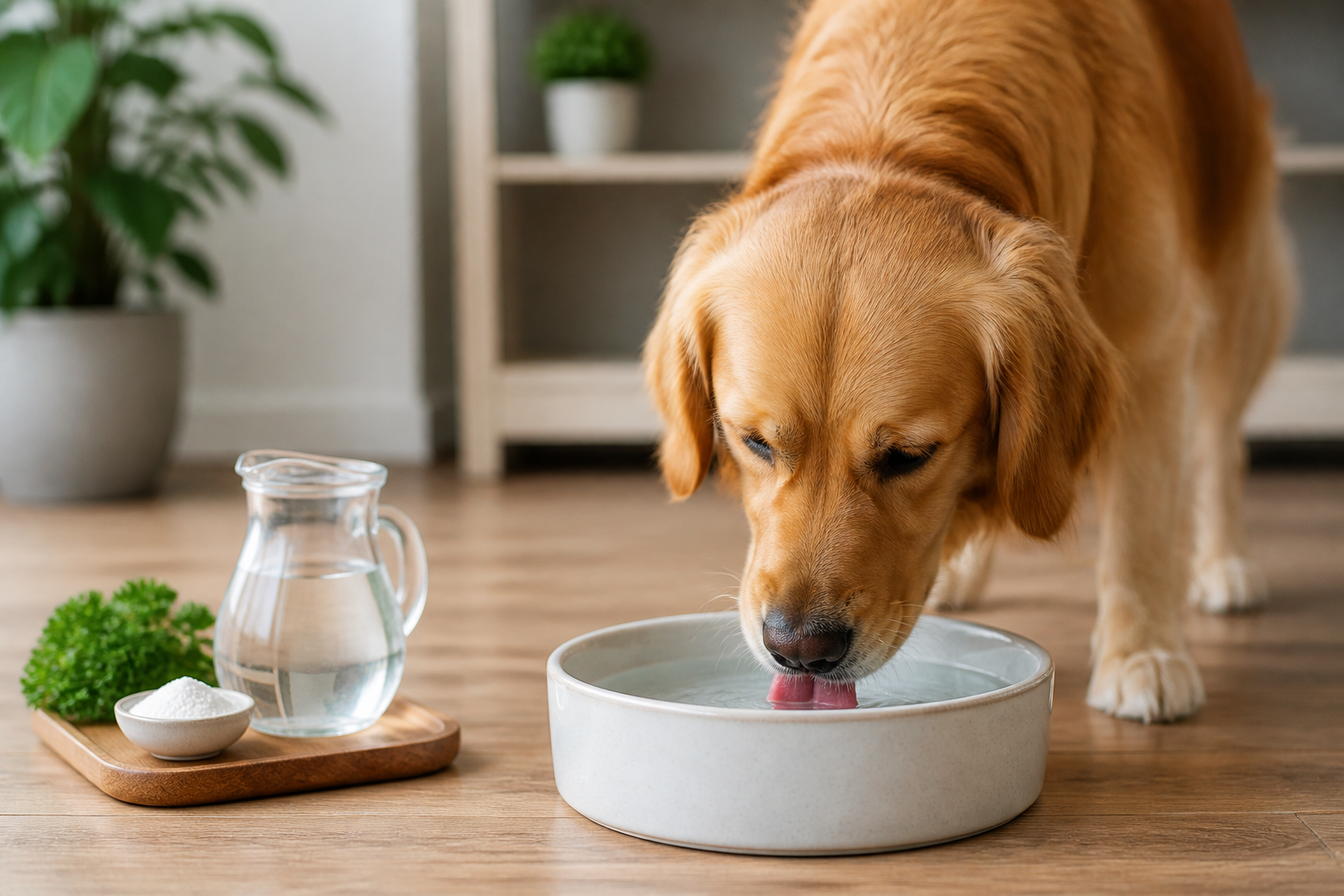
Water additives function much like mouthwash does for humans. You simply pour a measured amount into your dog's fresh water bowl every day. As your dog drinks, the solution coats the teeth and gums. These products are designed to be tasteless and odorless so that even picky drinkers will not notice a change in their water. The main goal of these products is to address plaque before it hardens into tartar. You can explore our dog dental and breath care selection for products designed to support a daily routine.
Plaque is a sticky film of bacteria that forms on the teeth within hours of eating. If it is not removed, it mineralizes and turns into tartar, which is much harder to get off. Tartar usually requires a professional cleaning by a veterinarian to remove completely. Water additives contain enzymes or minerals that disrupt the plaque's ability to stick to the tooth surface. This makes it easier for the dog's own saliva or chew toys to rub the plaque away.
It is important to remember that these additives are a supplement. They work best when they are part of a larger plan. While they do a great job of freshening breath and slowing down buildup, they cannot reach deep under the gumline where serious periodontal disease starts. Think of them as a tool to maintain cleanliness between professional checkups.
Key Takeaway: Water additives are a low-effort way to reduce plaque and freshen breath by changing the chemical environment in your dog's mouth.
Safe Ingredients to Look For
When you are shopping for a water additive, the ingredient list is your best friend. Not all products are created equal. You want to look for ingredients that have a proven track record of safety and effectiveness. One of the most common and effective ingredients is stabilized chlorine dioxide. This sounds like a harsh chemical, but in pet-safe concentrations, it is a powerful antimicrobial agent. It kills the bacteria that cause bad breath and helps break down the protein bonds that allow plaque to form.
Zinc gluconate is another helpful ingredient. Zinc is a mineral that helps inhibit the formation of calculus, which is another word for tartar. It works by binding to the calcium in the dog's saliva, preventing it from hardening onto the teeth. Many high-quality additives also include enzymes like glucose oxidase. These enzymes mimic the natural protective properties of a dog's saliva to keep the mouth balanced and healthy.
At BaxterBoo, we always suggest looking for the VOHC Seal of Acceptance. The Veterinary Oral Health Council only gives this seal to products that have been through clinical trials. To get the seal, a product must prove it reduces plaque or tartar by at least 20 percent. This is a great way to ensure you are not just buying flavored water.
Common Beneficial Ingredients:
- Stabilized Chlorine Dioxide: Kills odor-causing bacteria.
- Zinc Gluconate: Prevents plaque from hardening into tartar.
- Sodium Citrate: Helps regulate the pH balance of the mouth.
- Green Tea Extract: Provides natural antioxidants and fights bacteria.
- Erythritol: A natural sweetener that can inhibit bacterial growth.
Bottom line: Stick to products with recognizable, vet-approved ingredients and avoid those with heavy dyes or unnecessary perfumes.
Natural Items You Can Use
Some owners prefer to use items they already have in the kitchen. While commercial additives are more potent, certain natural additions can provide mild benefits for your dog's breath and oral health. Fresh parsley is a classic choice. It contains chlorophyll, which acts as a natural deodorizer. You can chop a small amount of fresh parsley and add it to their water or food.
Coconut oil is another popular option. It has natural antibacterial and antifungal properties thanks to its high lauric acid content. Some owners add a teaspoon of melted coconut oil to the water bowl. However, keep in mind that coconut oil adds fat and calories to the diet. If your dog is prone to weight gain or has a history of pancreatitis, you should skip the oil and stick to a calorie-free water additive.
Apple cider vinegar is sometimes suggested for cleaning teeth, but you must use it with caution. It is very acidic. If the concentration is too high, it can actually erode the enamel on your dog's teeth over time. If you choose to use it, only add a tiny splash to a large bowl of water. Most dogs dislike the smell and taste of vinegar, so they might stop drinking their water entirely.
Vet Tip: Always introduce new additives slowly to ensure your dog does not experience any stomach upset or refuse to drink.
Dangerous Ingredients to Avoid
While most products on the market are safe, there are a few ingredients that should never be in your dog's water bowl. The most dangerous one is xylitol. This is an artificial sweetener often found in human mouthwash or sugar-free gum. Xylitol is extremely toxic to dogs. Even a small amount can cause a rapid drop in blood sugar, seizures, or liver failure. Always double-check that any dental product you buy is specifically formulated for pets.
You should also be cautious with chlorhexidine if it is used in high concentrations without veterinary supervision. While it is a great antiseptic used in clinics, some dogs can develop an inflammation of the mouth called stomatitis if they are sensitive to it. It can also cause temporary staining of the teeth if used for long periods.
Avoid products that contain high amounts of alcohol or artificial dyes. Alcohol can be drying to the gums and is generally unnecessary in a pet formula. Dyes like Red 40 or Blue 1 are purely cosmetic and do not provide any health benefits. They can also cause allergic reactions in sensitive dogs or stain your carpet if your dog is a messy drinker.
Note: Never use human mouthwash for your dog. The ingredients and concentrations are not safe for animals who will inevitably swallow the liquid.
How to Introduce a Water Additive
If you decide to try a water additive, do not just pour a full dose into the bowl on the first day. Dogs have a very keen sense of smell. Even "tasteless" products have a scent that your dog might find suspicious. If they decide they do not like the water, they may stop drinking. This can lead to dehydration, which is a much more serious problem than bad breath.
Step 1: Start with a very small amount. / Use only a quarter of the recommended dose for the first few days.
Step 2: Observe your dog's drinking habits. / Make sure they are still visiting the bowl as often as usual.
Step 3: Gradually increase the dose. / If they seem fine after three days, move to a half dose, then finally the full dose.
Step 4: Keep a second bowl of plain water available. / During the transition, give your dog a choice so they never go thirsty.
If your dog has a sensitive stomach, look for signs of digestive upset. Some additives can cause soft stools or gas when first introduced. If you notice these symptoms, stop using the product and talk to your vet. They may suggest a different brand or a different form of dental care, like a dental powder for dogs and cats that goes on their food.
Bottom line: Patience during the introduction phase ensures your dog remains hydrated and accepts the new routine.
When Water Additives Are Not Enough
Water additives are great for daily maintenance, but they have limits. If your dog already has thick, brown tartar buildup or red, bleeding gums, an additive will not fix the problem. This is a sign of periodontal disease. At this stage, the bacteria have likely moved under the gumline. This can lead to tooth loss and can even affect your dog's heart and kidneys if the bacteria enter the bloodstream. For more warning signs, read how to recognize bad teeth in dogs.
In these cases, your veterinarian will recommend a professional dental cleaning under anesthesia. This allows the vet to scale the teeth and polish away the surface where plaque likes to hide. For dogs with chronic dental issues, a vet might prescribe a specific diet. Through our pharmacy, we offer access to prescription dental foods. These diets are designed with a specific kibble shape and texture that scrubs the teeth as the dog chews.
If your dog is managed for a health condition like kidney disease or heart issues, your vet might want you to use specific FDA-approved medications or rinses. Our pet pharmacy carries these professional-grade options, which often require a prescription to ensure they are used correctly for your pet's specific needs.
Vet Tip: If your dog has loose teeth, bleeding gums, or is dropping food while eating, skip the water additive and head straight to the vet for an exam.
Creating a Complete Dental Routine
A single product is rarely enough to keep a dog's mouth perfectly healthy. The best approach is a "multi-modal" strategy. This means you use several different tools to tackle plaque from different angles. Water additives handle the chemical side by neutralizing bacteria in the saliva. To get the best results, you should pair them with something that provides mechanical cleaning.
Mechanical cleaning involves physically rubbing the plaque off the teeth. The gold standard is brushing with a dog-specific toothpaste. If your dog absolutely refuses a brush, dental chews are a good alternative. These treats are designed to be tough and rubbery. As your dog gnaws on them, the treat scrapes against the surface of the teeth. For more ideas, see these dental chew options for dogs.
Toys can also help. Rope toys or textured rubber toys act like a natural floss. When you combine these with a water additive, you are attacking plaque both chemically and physically. We carry a wide variety of these supplies at our Vernon Hills warehouse and online to help you build the right kit for your dog's age and breed.
The Daily Dental Checklist:
- Fresh water with a vet-approved additive.
- One VOHC-approved dental chew.
- Five minutes of play with a textured dental toy.
- A quick check of the gums for redness or swelling.
- Brushing with pet toothpaste at least three times a week.
Key Takeaway: Combining chemical additives with physical scrubbing is the most effective way to prevent expensive dental surgeries later in life.
Monitoring Your Dog's Progress
Once you start using a water additive, keep an eye on the results. You should notice an improvement in their breath within a week or two. If the breath remains very foul, there may be an underlying issue like a rotten tooth or even a systemic problem like kidney disease. Dental health is often a window into the rest of the body.
Take a look at your dog's teeth every week. Lift the lip and look at the back molars, as these are usually the first teeth to accumulate tartar. You want to see white teeth and pale pink gums. If the gums look like a red "fire engine" color along the tooth line, that is gingivitis. While water additives can help reduce the bacteria that cause gingivitis, they might not be enough to reverse it on their own once it has started. These routine checks are also discussed in our pet dental care tips.
If you are using a water additive and notice your dog is suddenly drinking much more or much less water, it is time for a vet visit. Changes in water consumption can be a sign of many different health issues, and it is important to rule out anything serious. Most owners find that once they find a brand their dog likes, the routine becomes a simple, thoughtless part of their day.
Bottom line: Regular "mouth checks" help you catch small problems before they turn into painful, expensive dental emergencies.
Why Quality Matters
It is tempting to pick up the cheapest bottle on the shelf, but quality matters when it comes to something your dog swallows every day. Low-quality additives often use harsh preservatives or high levels of sodium. This can be problematic for older dogs or those with heart conditions who need to watch their salt intake. Choosing a trusted brand ensures that the ingredients are balanced and safe for long-term use.
BaxterBoo has been around since 2006, and we have seen a lot of dental products come and go. We only stock brands that we would trust for our own pets. Whether you are shopping for a puppy who is just starting their oral care journey or a senior dog who needs extra help, we have options that fit. Remember that staying consistent is the most important part. A high-quality additive only works if it is in the water bowl every single day. Consider Synergy Labs Dental Fresh Water Additive Dog Original Formula when comparing pet-specific water additives.
If you find a product that works, consider using a service like our Autoship programme. This ensures you never run out of your dental supplies and often comes with extra savings. Plus, being part of the MVP Rewards programme means you earn points on every bottle of additive or bag of dental treats you buy. It is a great way to save money while keeping your dog's smile bright.
FAQ
Do dog water additives actually work to clean teeth?
Water additives are effective at reducing the bacteria that cause plaque and bad breath, but they are not a total replacement for brushing. They work by using enzymes or minerals to break down the sticky biofilm on the teeth before it can harden into tartar. They are most successful when used as part of a daily routine that includes dental chews or toys.
Can I use human mouthwash in my dog's water bowl?
No, you should never give your dog human mouthwash. Many human products contain xylitol, which is a sweetener that is deadly to dogs even in small amounts. Human mouthwash also contains alcohol and other chemicals that can cause severe stomach upset or toxicity when swallowed by an animal.
Are water additives safe for dogs with sensitive stomachs?
Most water additives are safe, but some dogs may experience mild digestive upset or soft stools when first starting a new product. It is best to introduce the additive very slowly, starting with a small fraction of the recommended dose. If your dog has a history of severe food allergies or chronic stomach issues, consult your veterinarian before adding anything to their water.
How long does it take to see results from a water additive?
You will usually notice a significant improvement in your dog's breath within 7 to 14 days of consistent use. For visible reduction in plaque and tartar, it may take several weeks or months of daily use. These products are designed for long-term maintenance and work best on teeth that have recently been professionally cleaned.






