
 Save 15% on your 1st Autoship learn more

 Email us
 Live Chat
 FAQs
FAQs





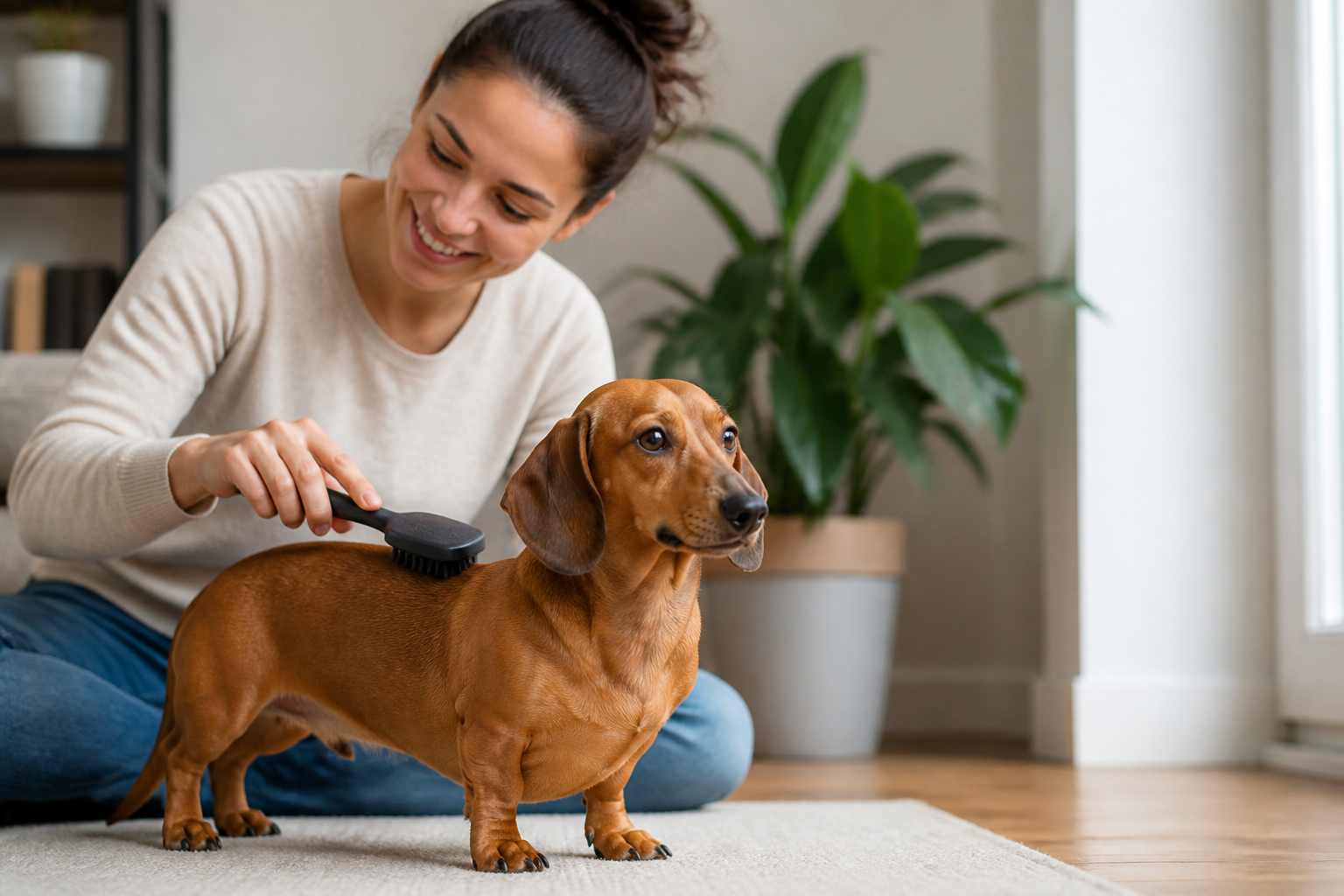
Introduction
You might think that owning a short-haired dog means you get a free pass on grooming. Then you sit on your sofa wearing black leggings and realize you are covered in tiny, needle-like hairs. Many owners of Labs, Boxers, and Beagles know the struggle of "dog glitter" all too well. While these pups do not get tangles or mats, they shed constantly and need the right tools to keep their skin healthy. At BaxterBoo, we have spent years helping pet parents find the exact gear that works for their specific breed. This guide covers the top tools for short coats and how to use them effectively. Finding the right brush will reduce the hair in your home and make your dog much more comfortable.
Quick Answer: The best brush for most short-haired dogs is a rubber curry brush or a natural bristle brush. Rubber tools like the KONG Zoom Groom Natural Rubber Dog Grooming Brush are perfect for pulling up loose fur during a massage. Bristle brushes are best for finishing the coat and adding a healthy shine.
The Secret Life of Short Dog Hair
Short hair behaves differently than long fur. It does not usually tangle, but it does fall out in high volumes. Each hair has a growth cycle. When it reaches the end of that cycle, it drops out to make room for new growth. For breeds like Dalmatians or Pugs, this happens year-round.
Brushing is not just about hair removal. It is also about skin health. When you brush your dog, you stimulate the skin and distribute natural oils called sebum. These oils act as a waterproof barrier and give the coat its luster. Without regular brushing, these oils can sit at the base of the hair, leading to a dull coat or even a bit of a "doggy" smell.
Why Smooth Coats Still Shed
Smooth-coated dogs have hair that lies flat against the body. Because the hair is short, it does not get trapped by other hairs when it dies. It simply falls straight onto your rug. Regular sessions with the right tool catch these hairs before they leave the dog.
The Benefit of Skin Stimulation
Brushing acts as a massage. It improves blood flow to the skin surface. This can help with cell turnover and keep the skin from becoming dry or flaky. For senior dogs, this gentle massage can also feel quite good on tired muscles.
The Rubber Curry Brush: The All-Star Tool
If you could only pick one tool for a short-haired dog, it should be a rubber curry brush. These brushes are usually made of soft, flexible rubber with thick nubs rather than thin pins. They are a staple in professional grooming shops for a reason.
Rubber is naturally "tacky." As you move the brush over the coat, the rubber grips the dead, loose hairs and pulls them away from the skin. Unlike metal tools, there is almost zero risk of scratching the dog. This makes them perfect for sensitive areas like the belly or the tops of the legs.
How to Use a Rubber Brush
You do not use a rubber brush in the same way you use a standard hairbrush. For the best results, use a circular motion. This "scumbles" the hair, lifting it up and out of the follicle. It also feels like a deep-tissue massage for your dog.
Many owners find that using a rubber brush during bath time is a total game-changer. You can use the nubs to work shampoo deep into the coat. This loosens an incredible amount of hair that would otherwise end up on your towel or your bathroom floor. For additional bath guidance, read these tips for bathing your dog.
Best Breeds for Rubber Tools
- French Bulldogs and English Bulldogs
- Boston Terriers
- Pit Bull Terriers and Boxers
- Beagles and Hounds
- Chihuahuas (Smooth Coat)
Key Takeaway: A rubber curry brush is the most versatile tool for short coats because it removes hair, massages the skin, and can be used wet or dry.
Bristle Brushes for That Show-Dog Shine
Once the loose hair is gone, you want to focus on the finish. This is where the bristle brush comes in. These brushes use clusters of tightly packed bristles. They can be made of natural materials, like boar hair, or synthetic nylon.
For short-haired dogs, a soft-to-medium bristle brush is ideal. The goal here is not to dig deep into the coat. Instead, the bristles glide over the surface to pick up fine dust, dander, and loose surface hair. You can explore our dog brushes and combs to compare grooming tools for different coat types.
Distributing Natural Oils
The primary job of the bristle brush is oil distribution. As you brush in long, sweeping strokes in the direction of hair growth, you move those natural oils from the skin down the length of the hair. This creates a natural shine that no spray can truly replicate.
Choosing the Right Bristle Density
If your dog has very short, fine hair, look for a soft bristle brush. If they have a slightly thicker short coat, like a Labrador, a firmer bristle will work better to penetrate the top layer.
Bottom line: Use a bristle brush as the second step in your routine to polish the coat and remove any lingering dander.
When to Use a De-Shedding Tool
Some short-haired dogs have a double coat. This means they have a stiff outer layer and a soft, dense undercoat. Labradors and German Shorthaired Pointers are famous for this. During the spring and fall, these dogs "blow" their coats, meaning they lose a massive amount of fur at once.
In these cases, a dedicated de-shedding tool like a FURminator can be helpful. These tools have a fine, metal edge that reaches past the topcoat to grab the loose undercoat. However, you must be careful. Because short-haired dogs do not have a lot of padding, it is easy to press too hard and cause "brush burn."
Using Metal Tools Safely
Always use a very light touch. Think of it like shaving. You do not need to press into the skin to get results. Only pass the tool over each area a few times. If the skin starts to look pink, stop immediately.
A Better Alternative for Some
If your dog has very thin skin or a very sparse coat, skip the metal de-shedding tools. Stick to the rubber curry brush and a grooming mitt. You will still get plenty of hair off without the risk of irritation.
Vet Tip: Always inspect your dog’s skin before brushing. If you see red bumps, hot spots, or signs of fleas, avoid brushing that area and talk to your veterinarian. Our pharmacy at BaxterBoo carries FDA-approved flea and tick preventives through our partnership with Pet's Choice if you need to tackle a pest problem.
Comparing the Best Brushes for Short Hair
| Brush Type | Best For | Main Benefit | Skin Sensitivity |
|---|---|---|---|
| Rubber Curry | All short coats | Deep hair removal & massage | Very Low Risk |
| Bristle Brush | Smooth coats | Shine & dander removal | Very Low Risk |
| Grooming Mitt | Nervous dogs | Mimics petting | Very Low Risk |
| Slicker Brush | Thicker short hair | Removes debris & loose fur | Moderate Risk |
| De-shedding Tool | Double-coated short hair | Heavy seasonal shedding | Higher Risk |
The Grooming Mitt: Perfect for Nervous Pups
Some dogs are terrified of traditional brushes. They might see a plastic or wood tool and run for the hills. This is often because the tool feels "other" to them. A grooming mitt solves this problem. The Katziela Gentle Pet Grooming Gloves are one option for dogs that prefer a hands-on grooming experience.
A grooming mitt is a glove you wear that has rubber nubs on the palm. To your dog, it just feels like you are giving them a very thorough petting session. This is a fantastic way to bond with a new rescue dog or a puppy who is still learning to trust the grooming process.
Benefits of the Mitt
The mitt allows you to follow the natural contours of the dog's body. You can easily get around the ears, under the chin, and down the legs where a flat brush might be clunky. It is also great for removing the "shedding cape" that often forms along a dog's spine.
Keeping It Clean
One downside of mitts is that the hair can get stuck in the fabric between the nubs. Look for silicone versions that allow the hair to be peeled off in one sheet. This saves you from having to pick out individual hairs after every session.
Step-by-Step: Introducing a New Brush
Even the best brush is useless if your dog won't stay still. If your dog is not used to being groomed, follow these steps to make it a positive experience.
Step 1: Let them investigate. / Place the brush on the floor and let your dog sniff it. Give them a treat when they show curiosity.
Step 2: Touch without brushing. / Rub the back of the brush (the smooth side) against their side. This gets them used to the feeling of the tool without any pulling.
Step 3: One gentle stroke. / Give one short stroke in the direction of the hair. Immediately follow up with a high-value treat.
Step 4: Gradually increase time. / Brush for thirty seconds, then a minute. Always stop while the dog is still behaving well so the session ends on a high note.
Step 5: Focus on the "sweet spots." / Most dogs love being brushed on the chest or the base of the tail. Save the sensitive areas like the paws or belly for last.
Skin Health and Nutrition
No brush can fix a coat that is struggling due to poor nutrition. If your dog's hair feels brittle or their skin is constantly flaky, you may need to look at what is in their bowl. High-quality fats are the building blocks of a healthy coat.
We carry many premium food brands like Open Farm and Stella and Chewy's that prioritize skin and coat health. Ingredients like wild-caught salmon or flaxseed provide the Omega-3 fatty acids needed for that deep shine.
When Brushing Isn't Enough
If your dog is losing hair in patches or has a foul odor, it might be a medical issue rather than a grooming one. Allergies, thyroid issues, and skin infections are common in many short-haired breeds. In these cases, a trip to the vet is necessary.
Note: Our pharmacy offers a wide range of prescription pet foods and medications for chronic skin conditions. Through our partnership with Pet's Choice, we provide FDA-approved options for dogs managing allergies or specialized nutritional needs.
The Grooming Kit Checklist
If you are building a grooming kit for a short-haired dog, you do not need fifty different items. A few well-chosen tools will last a lifetime. Browse our dog grooming supplies when you are ready to build your kit.
- A high-quality rubber curry brush (like the Kong ZoomGroom)
- A medium-soft bristle brush
- A microfibre towel for a final wipe-down
- Alcohol-free grooming wipes for paws and bums
- A gentle, soap-free shampoo
Frequency: How Often Should You Brush?
For a short-haired dog, a full grooming session twice a week is usually enough to keep shedding under control. However, during the heavy shedding seasons in spring and fall, you might want to do a quick five-minute brush every day.
Consistent, short sessions are much better than one long, stressful session once a month. It keeps the hair from building up in your carpet and keeps your dog's skin in peak condition.
Handling "The Blow-Out"
When the seasons change, you will notice a huge increase in hair. During these two or three weeks, increase your brushing frequency. Using a rubber brush in the bath followed by a thorough blow-dry with a hair dryer on a cool setting can help "blast" away the dead hair before it falls out on its own.
Why Quality Tools Matter
It is tempting to grab the cheapest brush at the grocery store. However, poorly made brushes often have sharp edges or bristles that fall out after three uses. At BaxterBoo, we handpick every product we stock because we want it to actually work for your pet.
We have been operating since 2006 and carry over 500 trusted brands. We know that a brush is an investment in your dog’s comfort. Whether you visit our warehouse in Vernon Hills or order online for home delivery, you are getting products vetted by people who love pets as much as you do.
Key Takeaway: Investing in one high-quality rubber brush and one bristle brush will serve most short-haired dogs for their entire lives.
Managing Shedding in the Home
Even with the best brushing routine, some hair will escape. To keep your home clean, consider these tips:
- Use a damp microfibre cloth to wipe your dog down after a walk. This picks up loose hair and pollen.
- Cover favorite sleeping spots with washable blankets.
- Use a vacuum with a HEPA filter to trap dander and tiny hairs.
- Consider a supplement like Honest Paws or Zesty Paws to support skin health from the inside out.
Conclusion
Finding the best brush for short hair dogs does not have to be complicated. By focusing on a rubber curry brush for hair removal and a bristle brush for shine, you cover all the bases. This routine keeps your dog’s skin healthy, their coat glowing, and your furniture much cleaner. Remember that grooming is a wonderful way to check for any new lumps or skin changes while spending quality time with your best friend.
If you are ready to start a new routine, check out our full collection of grooming supplies. You can even set up our Autoship programme for your favorite shampoos and supplements to save money and ensure you never run out. Plus, the MVP Rewards programme helps you earn points on every purchase to use on future treats and gear.
FAQ
Do short-haired dogs really need to be brushed?
Yes, short-haired dogs need brushing to remove dead hair and distribute skin oils. Without it, they will shed more around your home and may develop dry, itchy skin or a dull coat. Regular brushing also helps you spot fleas, ticks, or skin irregularities early.
Can I use a slicker brush on a short-haired dog?
You can use a slicker brush if your dog has a thicker short coat, like a Labrador or a Corgi. However, you must be very gentle because the metal pins can easily scratch the skin on dogs with very thin fur. For smooth-coated dogs like Boxers, a rubber brush is a much safer and more effective choice.
Why is my dog still shedding so much after brushing?
If shedding is excessive, it could be due to the season, poor nutrition, or an underlying health issue. Ensure you are using a tool that actually lifts hair, like a rubber curry brush, rather than just smoothing it over. If the shedding is accompanied by bald spots or redness, consult your veterinarian to rule out medical concerns.
Is it better to brush a short-haired dog wet or dry?
You can do both, but they serve different purposes. Brushing a dry coat is great for daily maintenance and shine. Brushing with a rubber tool during a bath is the most effective way to remove massive amounts of loose undercoat hair before it ends up on your furniture.






