
 Save 15% on your 1st Autoship learn more

 Email us
 Live Chat
 FAQs
FAQs





Introduction
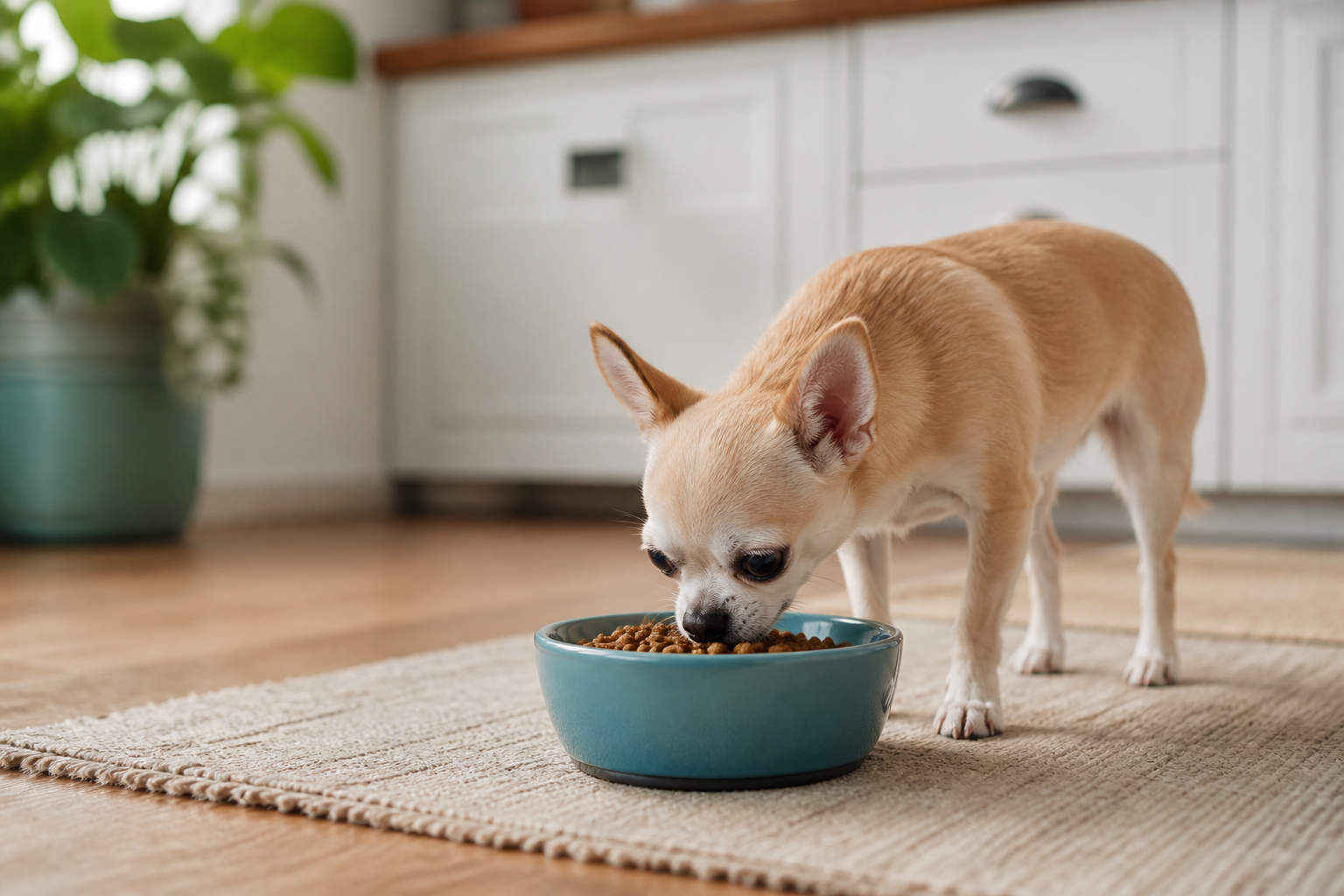
You are likely standing in the pet food aisle or scrolling through endless pages of kibble, wondering how a bag of food designed for a Great Dane could possibly work for your four pound Chihuahua. It is a common dilemma for toy breed owners. These tiny dogs have massive personalities, but their physical needs are incredibly specific. They require a diet that addresses their lightning-fast metabolism, small jaw structure, and common sensitivities. At BaxterBoo, we have helped thousands of small dog owners navigate these nutritional hurdles since 2006. This guide covers everything from calorie density to kibble shape. We will also look at how specific life stages and health conditions change what should go into your dog's bowl. Our goal is to help you find a diet that keeps your spirited companion healthy for years to come.
The Science of Feeding a Toy Breed
Chihuahuas are the smallest dogs in the world, but they burn energy at a rate that would exhaust a much larger animal. Their high basal metabolic rate means they require more calories per pound of body weight than a Labrador or a Golden Retriever. If a tiny dog does not get enough nutrient-dense fuel, they can quickly run out of steam. This is not just about energy for play. It is about maintaining their internal body temperature and keeping their organs functioning properly.
A major concern for this breed is hypoglycemia, or low blood sugar. Because their stomachs are tiny, they cannot hold large amounts of food at once. If they go too long between meals, their blood sugar can drop dangerously low. This is especially true for puppies and very active adults. Choosing a dry food with a high concentration of protein and healthy fats ensures that every bite provides the maximum amount of energy possible.
Quick Answer: The best dry dog food for Chihuahuas features small-sized kibble with high calorie density and real animal protein as the first ingredient. Look for formulas specifically labeled for toy or small breeds to ensure the nutrient ratios and kibble shape are appropriate for their unique physiology.
Calorie Density and Portion Control
When you look at a bag of standard dog food, the kibble is often large and the caloric density is spread out. For a Chihuahua, this means they would have to eat a large volume of food to meet their daily needs. Their stomachs simply are not big enough for that. High-quality dry foods for small breeds pack more calories into smaller morsels. This allows your dog to get the nutrition they need without feeling uncomfortably full or bloated. You can compare options in our dry dog food category.
Frequency of Feeding
Most experts recommend feeding adult Chihuahuas two to three times per day. Puppies may need four or even five small meals to keep their glucose levels stable. Using a dry food makes this easier because you can measure out the daily portion and divide it into several small servings. This consistency is the best defense against the "hangry" shakes and lethargy associated with blood sugar dips.
Physical Characteristics and Kibble Shape
The shape of the food is just as important as the ingredients. Chihuahuas have very small mouths and crowded teeth. Large, hard chunks of kibble are not just difficult for them to chew. They can actually be a choking hazard. Furthermore, because their teeth are so close together, they are highly prone to dental disease and tartar buildup.
Many premium brands like Royal Canin and Stella and Chewy's design their small breed kibble with specific shapes. These shapes are often contoured to encourage the dog to crunch down, which provides a mechanical brushing action on the teeth. This helps scrape away plaque before it hardens into tartar. If the kibble is too small, the dog might swallow it whole, losing that dental benefit. If it is too large, they might struggle to break it apart or simply refuse to eat it. For additional options, browse our small breeds collection.
Key Takeaway: Kibble size and shape for Chihuahuas should be small enough for their jaws to manage but textured enough to promote dental health through chewing.
Jaw Health and Chewing Habits
Some Chihuahuas are surprisingly picky eaters, often because the texture of their food is unappealing or difficult to manage. If you notice your dog moving the food around the bowl but not eating it, the kibble might be too hard or too big. A dry food that is "gently baked" or "dehydrated clusters," such as those from The Honest Kitchen, can provide a crunch that is easier on tiny teeth while still offering the benefits of dry food. Our selection of The Honest Kitchen products includes clusters and dehydrated recipes.
The Role of Dental Health
Dental issues are one of the most common reasons Chihuahuas visit the veterinarian. Poor oral health can lead to infections that eventually affect the heart and kidneys. While dry food alone cannot replace regular brushing, a high-quality kibble designed for small mouths is an important part of a preventative routine. If your pet already has significant dental issues or missing teeth, you may need to soften the dry food with a little warm water or a specialized broth. You can also explore our dental and breath care collection.
Key Ingredients for Energy and Vitality
When you read a dog food label, the first few ingredients tell the most important story. For a Chihuahua, you want to see a clearly named animal protein like "chicken," "beef," or "lamb" at the very top. Avoid bags that list generic "meat meal" or "animal by-products," as these are often less digestible and offer lower nutritional value.
High-Quality Proteins
Protein is the building block of muscles, skin, and the immune system. Because Chihuahuas live long lives, often reaching 15 to 20 years, they need high-quality protein to maintain their muscle mass as they age. Brands like Open Farm and NutriSource are known for using ethically sourced, high-quality proteins that are easy for small systems to process. Our NutriSource selection includes recipes for different dietary needs.
Essential Fats and Omegas
Healthy fats are not just about calories. They provide essential fatty acids like Omega-3 and Omega-6. These are vital for:
- Maintaining a shiny, healthy coat
- Supporting skin barrier health, especially for Chihuahuas with allergies
- Promoting brain development in puppies
- Supporting joint health in aging dogs
Look for ingredients like salmon oil, flaxseed, or chicken fat. These fats also make the food taste better, which is a major win for owners of finicky toy breeds.
Complex Carbohydrates
While dogs do not have a strict requirement for carbohydrates, they serve as a valuable source of fiber and steady energy. For Chihuahuas with sensitive stomachs, ancient grains like millet, sorghum, or brown rice are often easier to digest than corn or wheat. If you prefer a grain-free diet, look for sweet potatoes or peas as the primary carb source. These provide a slow release of energy, which helps prevent the blood sugar spikes and crashes mentioned earlier.
Bottom line: A superior Chihuahua food prioritizes named animal proteins and healthy fats to support their high energy needs and long-term health.
Managing Sensitive Stomachs and Skin
Chihuahuas are notorious for having "diva" digestive systems. They can be sensitive to artificial colors, flavors, and preservatives. If your dog experiences frequent gas, soft stools, or itchy skin, their dry food might be the culprit. Many owners find that switching to a limited ingredient diet or a formula specifically designed for sensitive systems makes a world of difference.
Identifying Food Sensitivities
Food allergies in Chihuahuas often manifest as skin problems rather than just stomach upset. If you see your dog constantly licking their paws, scratching their ears, or developing red, inflamed skin, they might be reacting to a common protein like chicken or a filler like soy.
In these cases, a "novel protein" diet might be necessary. This involves using a protein the dog has never had before, such as venison, duck, or lamb. We carry several specialized brands at BaxterBoo that cater to these specific sensitivities, helping to clear up skin issues from the inside out. PureVita limited ingredient recipes are one option to compare.
The Importance of Probiotics
Many high-end dry foods now include prebiotics and probiotics. These are beneficial bacteria that live in the gut and help with digestion and immune function. For a small dog, a healthy gut means they can absorb more nutrients from the small amount of food they eat. Look for "dried fermentation products" on the ingredient list to ensure these beneficial microbes are present.
Vet Tip: If your Chihuahua has persistent skin irritation or chronic digestive issues, consult your veterinarian to rule out underlying medical conditions. They may recommend a prescription allergy diet or specific medications, which can be filled through our pharmacy partnership with Pet's Choice.
Life Stage Transitions
A Chihuahua's nutritional needs change significantly as they move from a fast-growing puppy to a stable adult and eventually a senior. You should never feed "all life stages" food if you can avoid it, as the requirements for a puppy and a senior are vastly different.
Chihuahua Puppies
Puppies are growing rapidly and need a lot of support for their bones and brains. They require higher levels of calcium and phosphorus, as well as an amino acid called arginine. Puppy-specific formulas for small breeds also usually have the smallest kibble sizes available, making it easier for them to transition from milk to solid food.
Step 1: Check the label for a small breed puppy formula. / This ensures the calorie count and mineral balance are right for a tiny, growing body.
Step 2: Feed small, frequent meals. / Aim for four to five times a day to prevent hypoglycemia.
Step 3: Monitor growth and weight. / Consult your vet to ensure they are gaining weight at a healthy rate without becoming overweight.
Adult Maintenance
Once your Chihuahua reaches about 9 to 12 months of age, they can transition to adult food. The goal here is maintenance. You want to keep them at a lean weight while providing enough energy for their daily zoomies. Most adult Chihuahuas need between 200 and 300 calories per day, but this varies based on their activity level.
Senior Support
When a Chihuahua reaches 10 or 11 years old, they are considered seniors. At this stage, their metabolism might slow down, but their need for high-quality protein actually increases to prevent muscle wasting. Senior formulas often include extra joint support, like glucosamine and chondroitin, to help with the stiffness that comes with age. For more guidance, read how to choose the right dog food for senior pets.
Key Takeaway: Always match your Chihuahua's dry food to their specific life stage to ensure they receive the correct balance of minerals, proteins, and calories.
Weight Management and Joint Health
Because Chihuahuas are so small, even a single pound of extra weight is a huge burden on their frame. Obesity is a major health risk for this breed, leading to heart disease and tracheal collapse. Perhaps the most common issue related to weight is patellar luxation, a condition where the kneecap slides out of place.
The Danger of "Just a Few" Treats
It is easy to overfeed a tiny dog. A single ounce of cheese for a Chihuahua is the caloric equivalent of a human eating a whole pizza. When choosing a dry food, pay close attention to the feeding guidelines on the bag. These are often based on active dogs, so if your pup is a "couch potato," you may need to feed slightly less.
Prescription Diets for Mobility
If your Chihuahua is already struggling with joint issues or needs to lose a significant amount of weight, your vet might recommend a prescription diet. These foods are formulated with specific therapeutic levels of nutrients that over-the-counter foods cannot legally provide. Our BaxterBoo pharmacy, through our partnership with Pet's Choice, carries many of these FDA-approved prescription diets and medications for chronic conditions.
Selecting Trusted Brands at BaxterBoo
We are picky about what we stock. We do not just carry brands because they are popular. We carry them because they meet our standards for quality and safety. For Chihuahuas, several brands consistently stand out for their commitment to small breed nutrition.
Royal Canin
Royal Canin is famous for its breed-specific research. Their Chihuahua-specific dry food is tailored not just in nutrition but in the very shape and aroma of the kibble to entice picky eaters. They also offer veterinary diets for specific health concerns like urinary health or weight management.
The Honest Kitchen
For owners who want the benefits of fresh food with the convenience of dry, The Honest Kitchen Whole Food Clusters are an excellent choice. These are human-grade ingredients that are gently dehydrated. They offer a smaller cluster size specifically for small breeds, ensuring your dog gets minimally processed nutrition that is easy to chew.
NutriSource and PureVita
NutriSource is a favorite for dogs with sensitive stomachs. Their "Good 4 Life" system includes ingredients that support gut health and brain function. Their small breed recipes are highly digestible, which means less waste in the yard and more nutrients in your dog's system.
Stella and Chewy's
If your Chihuahua loves the taste of raw food but you prefer the ease of kibble, Stella and Chewy's Raw Coated Kibble is a great middle ground. The kibble is baked and then coated in freeze-dried raw meat, providing a flavor boost that even the most stubborn "Chi" will usually enjoy. You can compare our selection of Stella & Chewy's products.
| Feature | The Honest Kitchen Clusters | Royal Canin Chihuahua | NutriSource Small Breed |
|---|---|---|---|
| Primary Protein | Human-Grade Chicken/Beef | Chicken By-Product | Chicken/Lamb/Trout |
| Kibble Size | Small Clusters | Tiny Contoured Kibble | Small Round Bites |
| Best For | Picky Eaters/Whole Foods | Breed-Specific Needs | Sensitive Digestion |
| Special Features | Gently Dehydrated | High Palatability | Probiotic Support |
Conclusion
Finding the best dry dog food for Chihuahuas means looking past the marketing and focusing on the specific needs of a tiny, high-energy animal. Prioritize high calorie density, small kibble shapes, and top-tier protein sources. Remember that life stages matter, and a senior dog needs a different balance than a growing puppy. If your dog has specific health challenges like allergies or joint stiffness, always consult your veterinarian to see if a specialized or prescription diet is necessary.
- Look for small-breed specific formulas to ensure manageable kibble size.
- Prioritize real meat proteins and healthy fats like salmon oil.
- Feed small, frequent meals to maintain stable blood sugar.
- Monitor weight closely to protect fragile joints and heart health.
Bottom line: A high-quality dry food is the foundation of your Chihuahua's health, supporting everything from their daily energy to their long-term dental and joint wellness.
For more specialized nutrition needs, visit our Medical and Mobility section or browse our full collection of small breed dry dog foods.
FAQ
How much dry food should I feed my Chihuahua?
The amount varies based on the food's calorie density and your dog's activity level, but most adult Chihuahuas need between 1/4 and 1/2 cup of food per day. This should be divided into at least two or three smaller meals to help maintain their blood sugar. Always start with the feeding guide on your specific bag of food and adjust based on your dog's body condition.
Can Chihuahuas eat grain-free dry dog food?
Chihuahuas can eat grain-free food, and it is often a good choice for those with specific grain sensitivities or allergies. However, grains like brown rice and oatmeal provide valuable fiber and energy for many dogs. Unless your dog has a diagnosed sensitivity, the quality of the protein and the size of the kibble are usually more important factors than the presence or absence of grains.
Why is my Chihuahua such a picky eater?
Chihuahuas can be picky because of their sensitive noses or because a specific kibble is physically difficult for them to chew. Their ancestors were scavengers, so they often hold out for "better" food if they know it is coming. Ensure the kibble is small and fresh, and avoid feeding too many table scraps, which can encourage them to skip their balanced meals.
Does dry food really help a Chihuahua's teeth?
Dry food can help reduce plaque buildup through mechanical action, provided the kibble is designed to be crunched. Some formulas are specifically shaped to scrub the teeth as the dog bites down. However, because Chihuahuas have such crowded teeth, dry food should be used in conjunction with regular brushing and professional dental cleanings rather than as a total replacement.






