
 Save 15% on your 1st Autoship learn more

 Email us
 Live Chat
 FAQs
FAQs





Introduction
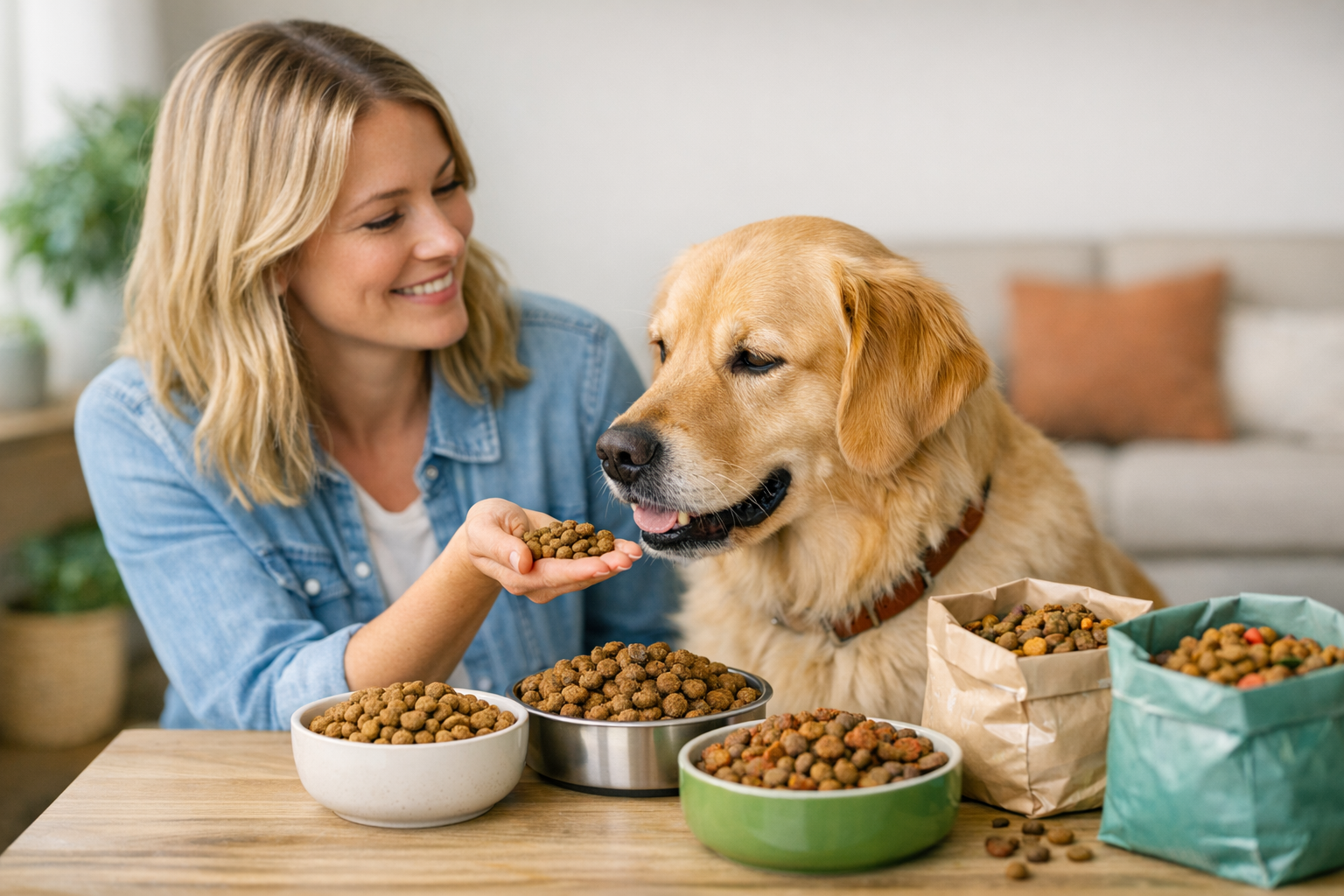
Standing in front of a massive wall of kibble bags or scrolling through pages of online options can feel like solving a complex puzzle without the box art. Every brand claims to be the most nutritious, the most natural, or the most delicious. You want to make sure your dog is getting exactly what they need for their specific life stage and activity level. At our dog food category, we know that there is no single best food for every dog in the world. The right choice depends on your dog’s age, breed size, health history, and even their daily energy levels. This guide will help you cut through the marketing noise to understand what actually belongs in a high quality dry food. We will cover how to read labels, which ingredients to prioritize, and how to choose a formula that supports your dog’s long term wellness.
Quick Answer: The best dry dog food is one that is AAFCO compliant, lists a named animal protein as the first ingredient, and matches your dog’s specific life stage. Look for reputable brands like our selection of Open Farm products, our selection of Orijen products, or our selection of The Honest Kitchen products that prioritize ingredient transparency and nutritional balance.
Understanding the Foundation of Good Nutrition
When you look at a bag of dry dog food, the most important piece of information is the AAFCO statement. The Association of American Feed Control Officials sets the nutritional standards for pet foods in the United States. If a bag does not say the food is complete and balanced according to AAFCO standards, it is likely intended only for supplemental feeding. This means it lacks the full spectrum of vitamins and minerals your dog needs to survive and thrive.
A complete and balanced food ensures that every bowl provides the right ratio of proteins, fats, and carbohydrates. It also includes essential micronutrients like calcium for bone health and taurine for heart function. We carry hundreds of brands that meet these strict guidelines so you can shop with confidence. However, meeting the minimum standard is just the starting point. The source of those nutrients matters just as much as the numbers on the back of the bag.
The ingredient list is ordered by weight before the food is cooked. You generally want to see a named meat, such as deboned chicken, beef, or salmon, at the very top. If the first ingredient is a generic term like meat meal or a carbohydrate like corn, the food may rely more on fillers than on high quality protein. Protein provides the amino acids necessary for muscle repair and immune function. High quality dry foods often use multiple protein sources to provide a diverse amino acid profile.
Life Stage and Breed Size Considerations
A puppy has vastly different nutritional needs than a senior dog. Puppies are building bone, muscle, and brain tissue at an incredible rate. They require higher levels of protein and fat to fuel this growth. They also need specific levels of calcium and phosphorus. This is especially true for large breed puppies. If a large breed puppy grows too quickly, they can develop serious joint and skeletal issues later in life. Look for labels that specifically mention growth of large breed dogs if you have a puppy expected to weigh over 70 pounds.
Adult dogs usually transition to a maintenance formula once they reach physical maturity. This stage is about maintaining a healthy weight and supporting daily activity. If your dog is a couch potato, a food with very high fat content might lead to unwanted weight gain. Conversely, a working dog or a canine athlete needs a calorie dense kibble to keep up with their energy expenditure. We offer a wide variety of formulas tailored to these different lifestyles through our dog food category.
Senior dogs often benefit from a diet that is easier on their digestive systems and supportive of their aging joints. Many senior formulas include added glucosamine and chondroitin. They may also have higher fiber content to help with digestion and lower calorie counts to prevent obesity as activity levels naturally drop. Some older dogs also experience cognitive decline. Formulas rich in antioxidants and omega-3 fatty acids can help support brain health during the golden years.
Choosing for Your Dog's Size
- Small breed kibble: Higher calorie density and smaller pieces for tiny mouths.
- Large breed kibble: Added joint support and controlled mineral levels for slow growth.
- Standard adult: Balanced for medium sized dogs with moderate activity.
Key Takeaway: Always match your dog’s food to their current life stage and expected adult size to ensure they receive the correct balance of minerals and calories.
Decoding the Ingredient List
Beyond the first ingredient, you should look for functional additions that support overall health. Many premium brands now include probiotics to aid in digestion. These are beneficial bacteria that help maintain a healthy gut microbiome. A dog with a healthy gut is better at absorbing nutrients and often has a stronger immune system. You might also see prebiotics, which are types of fiber that feed those beneficial bacteria.
Healthy fats are another critical component of a great dry food. Look for sources like salmon oil, chicken fat, or flaxseed. These provide omega-3 and omega-6 fatty acids. These fats do more than just make your dog's coat shiny. They support skin health, reduce inflammation, and are vital for eye and brain development in younger dogs. If you see generic terms like poultry fat or vegetable oil, the quality may be lower than a food that names the specific source.
Carbohydrates provide energy and fiber. While some owners prefer grain free options, many dogs do very well on diets containing ancient grains like oats, barley, or millet. These grains provide steady energy and are often easier to digest than corn or wheat. If you choose a grain free food, look at what is being used as a replacement. Peas, lentils, and chickpeas are common, but they should be used in moderation. Avoid foods that rely too heavily on cheap fillers that offer little nutritional value.
Vet Tip: If your dog has persistent itchy skin, chronic ear infections, or frequent upset stomachs, they may have a food sensitivity. Consult your veterinarian to see if a limited ingredient diet or a different protein source might help manage these symptoms.
Specialized Diets and Health Management
Sometimes a standard over the counter food is not enough to manage a specific health condition. Some dogs suffer from chronic issues like kidney disease, urinary crystals, or severe food allergies. In these cases, a prescription diet may be necessary. These foods are formulated with precise nutrient levels that can only be safely administered under veterinary supervision. Our pet pharmacy offers a selection of these specialized foods through our partnership with pet health solutions.
Weight management is another common reason owners look for new food. Obesity is a leading cause of joint pain and metabolic diseases in dogs. A weight care formula typically has lower fat and higher fiber. The extra fiber helps your dog feel full while eating fewer calories. This prevents them from feeling hungry and begging between meals. Brands like Farmina Vet Life offer excellent options for managing weight without sacrificing the quality of the ingredients.
For dogs with very sensitive stomachs, limited ingredient diets are a great solution. These formulas use a single protein source and a single carbohydrate source. This makes it much easier to identify what might be bothering your dog’s digestion. By simplifying the recipe, you reduce the chance of a reaction to a hidden additive or a secondary protein source. Stella and Chewy’s and Merrick both offer fantastic limited ingredient lines that prioritize clean, simple nutrition.
Bottom line: While many dogs thrive on standard premium kibble, those with specific health hurdles may need the targeted nutrition found in prescription or limited ingredient formulas.
How to Successfully Switch Foods
Once you find the best food for your dog, you should not switch them over all at once. A sudden change in diet is one of the most common causes of diarrhea and stomach upset in dogs. Their digestive systems need time to adjust to the new protein levels and ingredient profiles. A slow transition over seven to ten days is usually the safest approach.
Start by mixing a small amount of the new food into their current kibble. Watch your dog for any signs of trouble, such as gas, loose stools, or a refusal to eat. If they seem to be doing well, you can gradually increase the ratio of new food every few days. This process allows their gut bacteria to adapt to the new nutrients without causing a major system shock.
If you want a more detailed breakdown, our guide to transition timing is a helpful next stop.
The 10 Day Transition Plan
Step 1: Days 1 to 3. Mix 25 percent of the new food with 75 percent of the old food. Step 2: Days 4 to 6. Mix 50 percent of the new food with 50 percent of the old food. Step 3: Days 7 to 9. Mix 75 percent of the new food with 25 percent of the old food. Step 4: Day 10. Feed 100 percent of the new food if your dog’s digestion is stable.
Quality Markers to Watch For
The best brands are transparent about where they get their ingredients. Some companies, like Open Farm, allow you to trace every ingredient in your specific bag back to its source. This level of accountability is a huge trust signal for pet owners. It shows the company is committed to ethical sourcing and high safety standards. We value these partnerships because they give our customers peace of mind about what goes into the bowl.
Avoid foods that use artificial colors, flavors, or chemical preservatives. Dogs do not care what color their food is, so dyes like Red 40 or Yellow 5 are only there to appeal to humans. Preservatives like BHA, BHT, and ethoxyquin have been linked to health concerns in some studies. Instead, look for foods preserved with natural tocopherols, which are forms of vitamin E. These keep the food fresh without the need for harsh chemicals.
The cooking process also matters. Most dry dog foods are made through extrusion, which involves high heat and pressure. While this makes the food shelf stable and easy to handle, it can sometimes degrade certain vitamins. Some premium brands use low temperature baking or add a coating of freeze dried raw meat after the kibble is cooked. This helps preserve the nutritional integrity of the ingredients and makes the food much more appealing to picky eaters.
Key Takeaway: Transparency and natural preservation are the hallmarks of a brand that cares about long term pet health rather than just profit margins.
The Role of Supplements in a Dry Diet
Even the best dry food can sometimes use a little boost, especially for dogs with specific needs. If you are feeding a high quality kibble, your dog is likely getting all the basic nutrients they need. However, certain supplements can target specific areas of concern. For example, if you have an older dog with stiff joints, adding a liquid or chewable joint supplement can provide higher concentrations of active ingredients than what is found in kibble alone.
Skin and coat supplements are also popular for dogs that deal with seasonal dryness or dull fur. These often provide extra biotin and zinc alongside omega fatty acids. If your dog has a sensitive stomach, you might add a standalone probiotic powder during times of stress, such as during travel or after a round of antibiotics. We carry a wide selection of supplements in our dog healthcare category to help you customize your dog’s nutrition.
Always talk to your vet before adding supplements to a balanced diet. Over supplementing certain vitamins, like Vitamin D or Calcium, can actually be harmful. Your vet can help you determine if your dog truly needs an extra boost or if their current food is already providing everything they require. This is especially important for puppies, where nutrient imbalances can impact their development.
Making the Most of Your Purchase
High quality dog food is an investment in your pet’s future health. To help make this more affordable, we offer several programs designed for regular shoppers. Our MVP Rewards programme allows you to earn up to 5 percent back on your purchases. This adds up quickly when you are buying large bags of premium kibble every month. We also have a Frequent Buyer Program where you can earn free products from participating brands.
If you want to ensure you never run out of food, our Autoship programme is a great option. You can set your preferred delivery schedule and save on your first order. This also gives you a free MVP Gold membership. It takes the stress out of remembering to stop by the store or place an order before the bag is empty. We also carry over 500 brands, including favorites like Acana, Orijen, and Honest Kitchen, so you can find exactly what your dog loves.
Proper storage is also key to keeping dry food fresh. Once a bag is opened, the fats inside begin to oxidize when exposed to air. This can lead to the food going rancid or losing its nutritional value. Keep the food in its original bag and place the whole bag inside an airtight container. The bag itself is designed to act as a barrier against moisture and air. Store the container in a cool, dry place to prevent the growth of mold or bacteria.
Signs Your Dog's Food is Working
You can tell a lot about a dog’s health by looking at them. If your dog is on the right food, you should see several positive signs. Their coat should be shiny and soft, not brittle or oily. Their skin should be clear and free of flakes or red patches. Perhaps most importantly, their energy levels should be consistent for their age and breed. A dog that is suddenly lethargic or hyperactive might be reacting to their diet.
The proof is also in the poop. A dog on a high quality, digestible diet will produce firm, consistent stools. If the stools are constantly soft, very large, or extremely smelly, it may be a sign that they are not absorbing the nutrients in their food. This often happens with lower quality foods that use a lot of fillers. When a dog can’t digest the ingredients, they simply pass through the system as waste.
Keep an eye on your dog’s weight as well. You should be able to feel their ribs easily without a thick layer of fat, and they should have a visible waistline when viewed from above. If they are gaining weight on the recommended serving size, you may need to switch to a lower calorie formula or increase their exercise. Regular vet checkups are the best way to monitor these changes over time.
Summary of Selection Tips
Choosing the best dry dog food does not have to be a guessing game. By focusing on life stage, ingredient quality, and brand reputation, you can find a formula that helps your dog thrive. Remember that every dog is an individual. What works for your neighbor’s dog might not be the right fit for yours. Be patient during the transition and pay close attention to how your dog looks and feels.
If you ever feel overwhelmed by the options, our team is here to help. We have been in business since 2006 and have seen the pet food industry evolve. We only stock products that we would feel comfortable giving to our own pets. Whether you are looking for a high protein kibble for an active pup or a gentle senior formula, we have the expertise to point you in the right direction.
Bottom line: The best food is a balance of high quality protein, healthy fats, and essential nutrients, tailored specifically to your dog's unique biological needs.
FAQ
Is grain free dry dog food better for all dogs?
Grain free food is not necessarily better for every dog, though it is a lifesaver for pets with specific grain allergies or sensitivities. Many dogs do perfectly well on grains like oatmeal and brown rice, which provide excellent fiber and energy. The most important factor is the overall quality of the ingredients rather than just the presence or absence of grains.
How do I know if a dry dog food is high quality?
A high quality food will always have a named animal protein as the first ingredient and will be AAFCO compliant for your dog's life stage. It should avoid artificial preservatives, colors, and generic terms like animal by-products or meat meal. Brands that offer ingredient transparency and trace their sourcing are generally more trustworthy.
Can I mix different brands of dry dog food?
You can mix brands, but it is best to do so gradually to avoid upsetting your dog's stomach. Some owners mix brands to provide a wider variety of proteins or to make a more expensive food last longer. Just ensure both foods are complete and balanced so your dog is not missing out on essential nutrients.
How long does a bag of dry dog food stay fresh?
Most dry dog foods stay fresh for about six weeks after the bag is opened, provided they are stored in a cool, dry place. Using an airtight container can help maintain freshness, but keeping the food in its original bag inside that container is even better. If the food smells sour or your dog suddenly refuses to eat it, it may have gone rancid.






