
 Save 15% on your 1st Autoship learn more

 Email us
 Live Chat
 FAQs
FAQs





Introduction
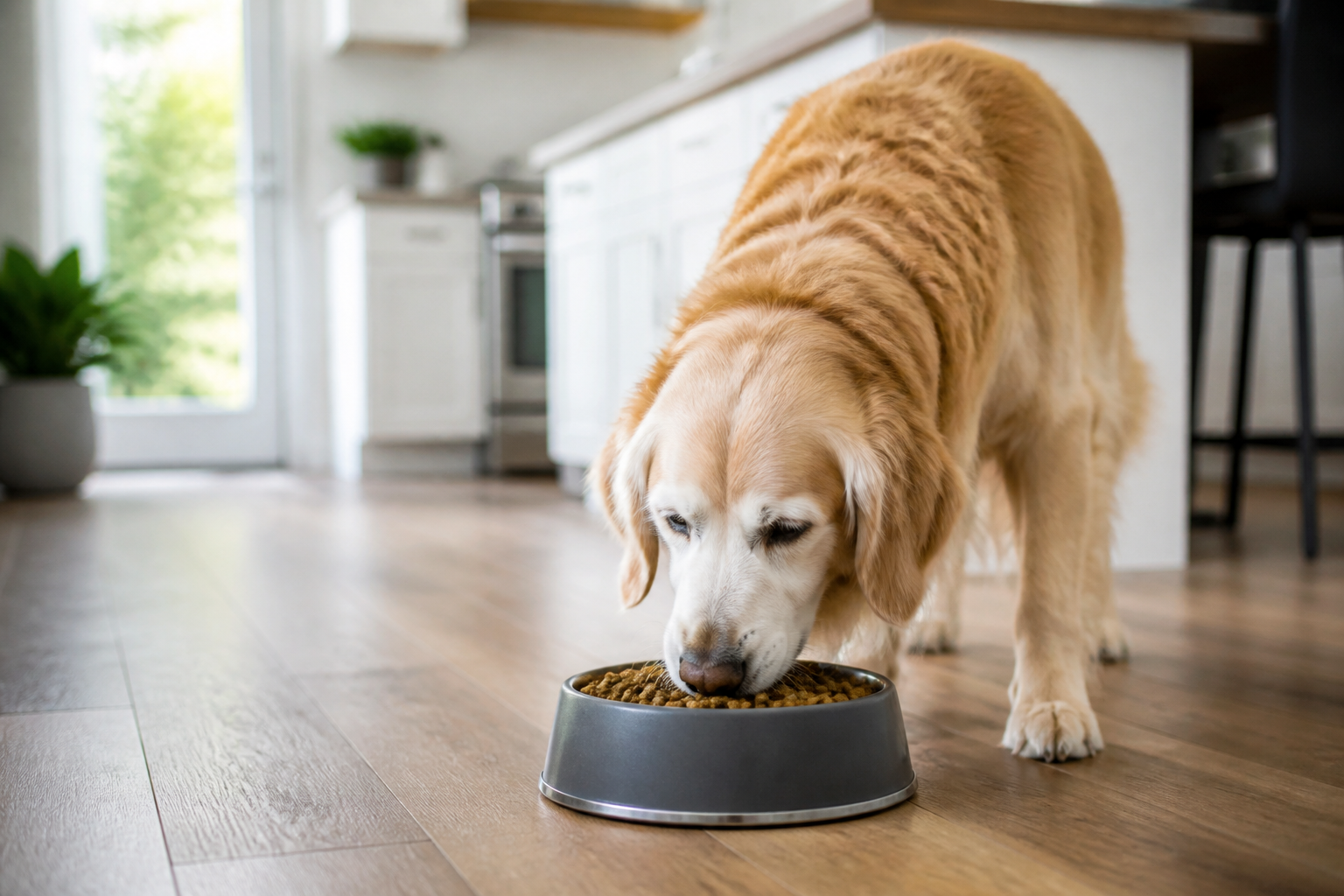
You might notice the signs of aging in your dog during a quiet morning walk. Perhaps they are a bit slower to stand up after a long nap. Their muzzle might be turning a distinguished shade of gray. As your companion enters their golden years, their internal needs change just as much as their external appearance. Choosing the right nutrition is the most effective way to support their comfort and longevity. At BaxterBoo, we have spent years helping pet owners navigate these transitions with carefully selected products. This guide explores the essential nutrients for aging dogs and highlights the top kibble options for senior health. Finding the best food involves balancing high protein, joint support, and calorie control to keep your dog feeling their best, and you can start by browsing our dry dog food category.
Quick Answer: The best dry dog food for senior dogs provides high-quality protein to maintain muscle, controlled calories to prevent weight gain, and added joint supplements. Look for brands like Open Farm or Orijen that prioritize whole meat ingredients and include glucosamine for mobility support.
The Nutritional Shift in Senior Dogs
As dogs age, their metabolism begins to slow down. They often become less active, which means they require fewer calories to maintain a healthy weight. However, their need for specific nutrients actually increases. An older dog's body becomes less efficient at processing certain proteins and vitamins. This is why a standard adult maintenance food may no longer be the best fit.
The goal of a senior-specific diet is to address three main areas: weight management, muscle retention, and organ support. Obesity is a significant risk for older dogs because extra weight puts immense pressure on aging joints. A good senior kibble will often have a lower fat content while increasing fiber to help your dog feel full.
Why High-Quality Protein is Non-Negotiable
A common misconception is that senior dogs need less protein to protect their kidneys. Modern veterinary research suggests the opposite for healthy seniors. Older dogs are prone to sarcopenia, which is the natural loss of muscle mass. To combat this, they require high-quality, easily digestible protein sources.
Lean meats like chicken, turkey, and fish provide the essential amino acids needed to maintain muscle tone. When you look at a bag of senior kibble, the first ingredient should always be a whole animal protein. Brands like our selection of Orijen products are excellent for this because they include a high percentage of meat, organs, and cartilage.
Checklist for Evaluating Protein
- Whole meat or meat meal is the first ingredient.
- Protein sources are clearly named, such as "Chicken" rather than "Poultry."
- The protein content is sufficient to support muscle maintenance.
- The ingredients are easily digestible for a slowing digestive system.
Supporting Aging Joints and Mobility
Joint health is one of the biggest concerns for owners of senior dogs. Arthritis and general stiffness can significantly impact a dog's quality of life. Many senior dry foods are fortified with glucosamine and chondroitin. These compounds help support the cartilage in the joints and can reduce inflammation.
If your dog is showing significant signs of discomfort, a standard over-the-counter food might not be enough. Our pet pharmacy offers a variety of FDA-approved medications and prescription diets for dogs with advanced mobility needs.
Vet Tip: If your senior dog is struggling to climb stairs or jump onto the couch, consult your veterinarian. They can help determine if your dog needs a prescription joint diet or professional-grade supplements to manage their pain effectively.
Cognitive Function and Brain Health
Dogs can experience cognitive decline similar to humans as they age. You might notice your dog acting confused or changing their sleep patterns. Nutrition plays a vital role in supporting brain health. Look for foods that include antioxidants like Vitamin E, Vitamin C, and beta-carotene. These help fight oxidative stress in the brain.
Omega-3 fatty acids, particularly DHA and EPA, are also essential. These are typically sourced from fish oil or flaxseed. They support both cognitive function and heart health. Purina Pro Plan Bright Mind is a well-known option that uses botanical oils to help promote mental alertness in dogs age seven and older.
Digestive Support and Gut Health
A senior dog's digestive tract may become more sensitive over time. Some dogs develop occasional constipation or gas. To help with this, many senior formulas include prebiotics and probiotics. These "good bacteria" support a healthy gut microbiome, which is also linked to a stronger immune system.
Fiber is another critical component. Ingredients like pumpkin, miscanthus grass, or beet pulp help regulate bowel movements. NutriSource Senior is a great example of a food that prioritizes digestive health. They use a specific system of supplements designed to support gut health and nutrient absorption.
Key Takeaway: Proper senior nutrition is about more than just calories. It requires a targeted blend of high-quality protein, joint-supporting compounds, and antioxidants to protect the brain and organs.
Top Dry Food Brands for Senior Dogs
We carry over 500 trusted brands, and several stand out specifically for their senior-stage nutrition. Each of these brands offers a unique approach to the needs of aging pets.
Open Farm Senior Recipe
Our selection of Open Farm products is a leader in transparency and ingredient quality. Their senior recipe uses human-grade ingredients and is entirely grain-free. It features a combination of turkey and chicken for lean protein. They also include functional ingredients like New Zealand green-lipped mussel for natural joint support.
Fromm Gold Reduced Activity and Senior
Fromm is a family-owned company known for its small-batch cooking process. Their senior formula is designed for dogs that have slowed down significantly. It provides a balanced protein-to-fat ratio to prevent weight gain while still being highly palatable for picky eaters.
Orijen Senior
For owners who want a high-protein, biologically appropriate diet, Orijen is a top choice. This recipe is packed with fresh and raw animal ingredients. It mimics the natural diet of a dog's ancestors while including the extra fiber and joint support that older dogs need.
Wellness Complete Health Senior
Wellness focuses on whole-body health. Their senior formula includes "well-coated" kibble with probiotics. It also features guaranteed levels of glucosamine and chondroitin. It is a reliable, balanced option for dogs transitioning into their senior years.
Bottom line: The best brand for your dog depends on their specific health profile, including their current weight and activity level.
When to Consider a Prescription Diet
Sometimes, the aging process brings about specific health conditions that require more than standard pet store food. Kidney disease, heart issues, and severe food allergies are common in senior pets. In these cases, your veterinarian may recommend a prescription diet.
Our pharmacy carries a range of prescription pet foods, including brands like Farmina Vet Life. These diets are formulated to manage specific clinical conditions. Because of that, you can easily manage your dog's medications and specialized food in one place. This is especially helpful for owners managing chronic senior health issues.
Transitioning Your Dog to Senior Food
It is important not to switch your dog's food overnight. Their digestive systems are more sensitive as they age, and a sudden change can cause upset. Follow a gradual transition plan over the course of about ten days.
Step 1: Mix 25 percent of the new senior food with 75 percent of the current food for three days. Step 2: Increase the new food to 50 percent and keep the old food at 50 percent for the next three days. Step 3: Move to 75 percent new food and 25 percent old food for the final three days. Step 4: If your dog's stool remains firm and they are eating well, you can move to 100 percent senior food.
Palatability and Picky Eaters
As dogs get older, their sense of smell and taste may diminish. This can lead to a decreased interest in food. If your senior dog is turning their nose up at their kibble, you can try a few tricks to make it more appealing.
Adding a small amount of warm water to the dry food can release the natural aromas and make the kibble easier to chew. You might also consider using a healthy food topper, like a spoonful of wet food or a freeze-dried meal mixer. Our freeze-dried food collection is a practical place to look for added flavor and texture.
Monitoring Your Senior Dog's Weight
Weight management is perhaps the most important part of senior care. Even a few extra pounds can make it harder for an arthritic dog to walk. Check your dog's body condition regularly. You should be able to feel their ribs easily without a thick layer of fat covering them.
If your dog is gaining weight on a senior formula, you may need to reduce their portion size slightly. You can also replace some of their treats with low-calorie options like green beans or specialized senior treats. Our MVP Rewards programme is a great way to save on these frequent purchases while keeping your dog's diet on track.
Common Senior Health Concerns and Food
Different breeds face different challenges as they age. Large breeds often need more intensive joint support, while small breeds might struggle more with dental health. Dry kibble is generally better for dental health than wet food because the crunching action helps scrape away some plaque.
However, if your senior dog has lost teeth or has painful gums, they may struggle with hard kibble. In these cases, you might look for a senior food with smaller, softer kibble pieces or soak the food before serving. Always have your vet check your dog's teeth during their senior wellness exams.
Why Quality Matters for Longevity
Investing in premium food during the senior years can save on veterinary costs in the long run. High-quality ingredients are easier on the liver and kidneys. They also provide the cellular support needed to keep the immune system strong.
At BaxterBoo, we handpick every brand we carry to ensure it meets our high standards for safety and nutrition. We have been operating since 2006, and our warehouse in Vernon Hills is staffed by people who truly care about the health of your pets. We believe that every senior dog deserves to enjoy their retirement with a full bowl and a healthy body.
Final Thoughts on Senior Nutrition
The right dry food can be a powerful tool in managing the aging process. By focusing on high-quality protein, controlled calories, and targeted supplements, you can help your dog maintain their zest for life. Remember to monitor their weight, watch for changes in their behavior, and transition to new foods slowly.
- Prioritize named animal proteins as the first ingredient.
- Look for added glucosamine and chondroitin for joint health.
- Ensure the food has antioxidants for brain and immune support.
- Manage calories carefully to prevent senior obesity.
If your dog has specific medical needs or requires a prescription diet, remember that our pharmacy is here to help. You can also use our Autoship programme to save on your recurring food orders and ensure you never run out of your dog's favorite senior kibble.
FAQ
At what age should I start feeding my dog senior food?
Most dogs are considered seniors between the ages of seven and ten, though this varies by breed size. Large and giant breeds age faster and may need senior nutrition as early as five or six years old. Smaller breeds often stay in the adult stage until they are nine or ten.
Can my senior dog still eat regular adult dog food?
While some healthy senior dogs can stay on adult food, it often lacks the joint support and calorie control they need. Senior-specific formulas are designed to address the unique challenges of aging, such as slowing metabolisms and muscle loss. If your dog is staying at a healthy weight and moving well, consult your vet before switching.
How can I tell if my senior dog's food is working?
You should look for physical signs like a shiny coat, clear eyes, and consistent energy levels. Their digestion should be regular, and they should be able to maintain a steady, healthy weight. If your dog becomes lethargic or develops a dull coat, they may need a different nutrient balance.
Is grain-free food better for senior dogs?
Grain-free is not necessarily better unless your dog has a specific grain allergy or sensitivity. Many high-quality senior foods use wholesome grains like oatmeal or brown rice for fiber and energy. If you choose a grain-free option, ensure it still provides adequate fiber and a balanced nutritional profile.






