
 Save 15% on your 1st Autoship learn more

 Email us
 Live Chat
 FAQs
FAQs





Introduction
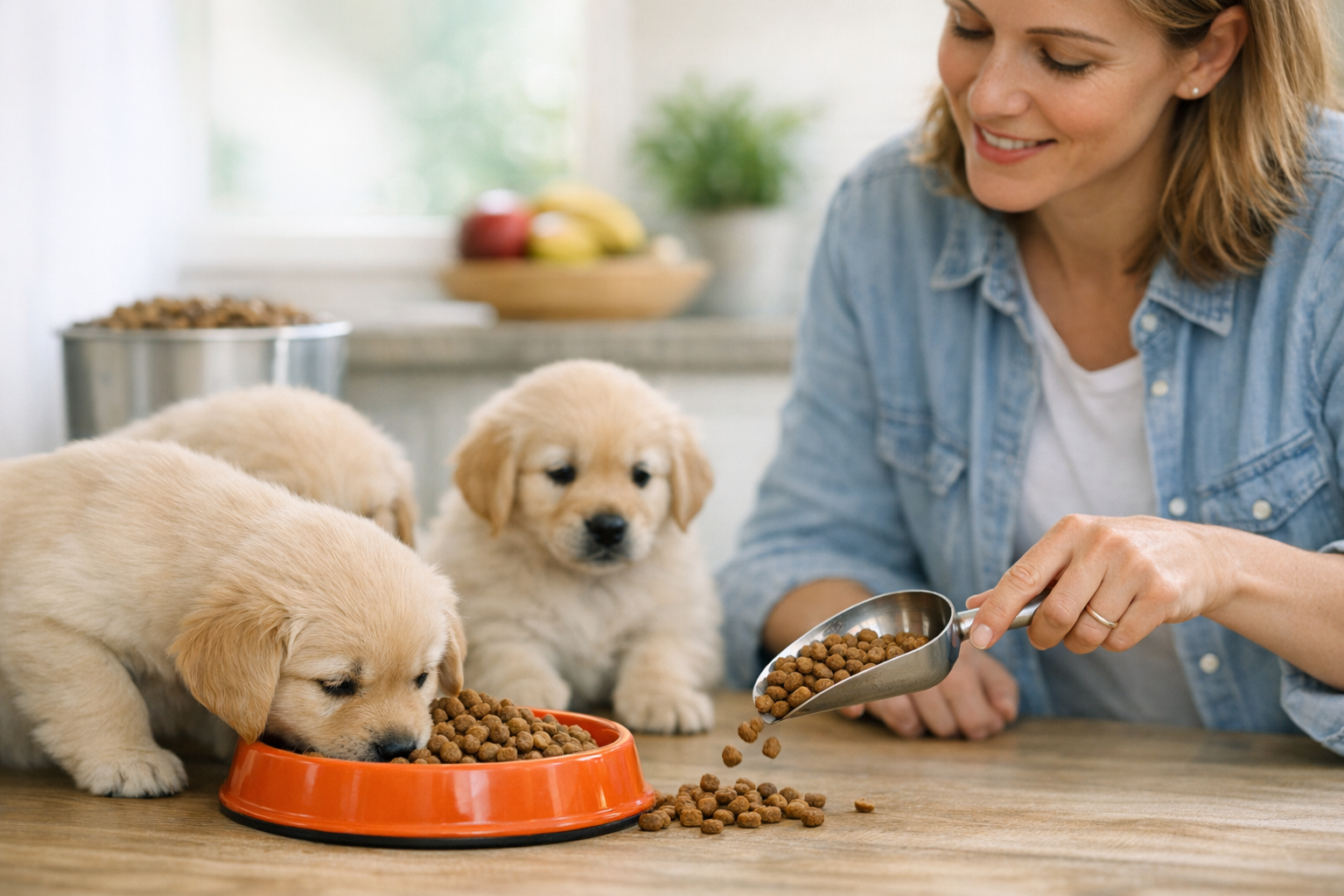
You might notice your puppy sniffing curiously at their mother's food bowl or perhaps you felt the first tiny, sharp prick of a new tooth during playtime. These are the first signals that your puppy is ready to move beyond a milk-only diet. At BaxterBoo, we know that this transition is one of the most important milestones in a young dog's life. If you're just getting started, our puppy food category is a great place to begin. It marks the shift from total dependency to the beginning of solid nutrition.
This post covers the ideal timeline for introducing solids, how to safely soften kibble for small mouths, and signs that your pup is ready for a crunchier meal. We will also discuss the nutritional requirements that make puppy food different from adult maintenance diets. Understanding this process ensures your new companion gets the right calories and minerals for healthy bone and muscle growth.
Quick Answer: Puppies typically begin the transition to moistened dry food around 3 to 4 weeks of age. Most puppies can eat completely dry, unsoftened kibble by 8 to 10 weeks old once their deciduous teeth have fully emerged.
The Early Days of Puppy Nutrition
For the first few weeks of life, a puppy gets everything they need from their mother's milk. This milk is a biological powerhouse. It provides antibodies, fats, and proteins in a form their immature digestive systems can handle. If a mother is not available, puppies require a specific milk replacer and bottle feedings every few hours.
Around the three-week mark, puppies become more mobile. They start exploring their surroundings and might even try to lap at water or food nearby. This is not just curiosity. Their bodies are starting to require more calories than milk alone can provide. Their energy needs increase as they begin to play and walk.
Why You Should Not Rush the Process
While it is exciting to see them grow, rushing into hard kibble too early can cause digestive upset. A puppy's stomach is very sensitive. Introducing solid food too quickly can lead to diarrhea or vomiting, which is dangerous for a small animal prone to dehydration.
The transition must be a slow, deliberate process known as weaning. This gives the enzymes in their gut time to adjust to processing starches and proteins that are not milk-based. It also allows their tiny teeth to develop enough to handle the texture of solid food.
Key Takeaway: Weaning is a gradual physical and biological transition. It should never be an overnight switch from milk to hard kibble.
The Weaning Window: 3 to 6 Weeks
The weaning process generally begins when a puppy is between 3 and 4 weeks old. At this stage, you are not looking to replace milk entirely. Instead, you are introducing the concept of lapping up food.
Start by creating a puppy gruel. This is a mixture of high quality puppy food and a liquid base. You can use warm water or a puppy milk replacer. The goal is a consistency similar to thin oatmeal or soup.
Starting with Softened Kibble
If you plan to feed dry food long term, you can start with the same kibble now. Simply soak the dry food in warm liquid for about 15 to 20 minutes until it is completely soft. Mash it with a fork until there are no hard chunks left.
- Offer the gruel in a shallow dish.
- Place the dish in a safe, quiet area.
- Let the puppies explore the food at their own pace.
- Clean their faces and paws with a warm, damp cloth after they eat.
Young puppies are messy eaters. They often walk through the food or put their entire faces into the bowl. This is a normal part of the learning process. Over the next few weeks, they will become more proficient at lapping and chewing.
Vet Tip: If your puppy refuses the gruel, try dipping your finger in it and letting them lick it off. Never force a puppy's face into a bowl, as they can accidentally inhale the liquid.
Step by Step Guide to Solid Food
The transition from milk to dry kibble usually takes about four weeks. Following a consistent schedule helps prevent stomach issues and ensures the puppy stays hydrated.
Step 1: The Introduction (Week 1). Mix one part puppy kibble with three parts warm water or milk replacer. Let it sit until it is a soupy consistency. Offer this three to four times a day while the puppy is still nursing.
Step 2: Increasing Thickness (Week 2). Change the ratio to two parts food and two parts liquid. The mixture should be more like a thick paste or mash. Puppies will start nursing less and eating more from the bowl.
Step 3: Adding Texture (Week 3). Use three parts food and one part liquid. The kibble should still be soft but should hold its shape more. You might notice the puppies starting to use their teeth to crunch the softer pieces.
Step 4: The Final Transition (Week 4). By week four of weaning, which is usually around 7 to 8 weeks of age, most puppies can handle dry kibble. You can still add a small splash of water if they prefer it, but it is no longer strictly necessary for chewing.
Bottom line: A slow four-week transition allows the puppy's digestive tract to adapt to solid proteins and fibers.
Signs Your Puppy is Ready for Dry Kibble
Every puppy develops at a slightly different rate. While the 8-week mark is a standard guideline, you should look for specific physical signs that your pup is ready to crunch on dry food.
Dental Development
The emergence of deciduous teeth, or baby teeth, is the clearest indicator. These teeth start to poke through the gums around 3 weeks and are usually all in by 6 to 8 weeks. Once a puppy has a full set of these tiny, needle-sharp teeth, they have the tools necessary to break down dry kibble.
Curiosity and Interest
Watch how your puppy interacts with the food bowl. If they are eagerly finishing their softened mash and looking for more, they are likely ready for more substantial food. If they try to steal a piece of dry food from an adult dog's bowl and can chew it without struggling, their jaw strength is improving.
Nursing Frequency
As puppies eat more solid food, the mother will naturally start to push them away or stand up more often during nursing. This is her way of saying they are ready to be independent. If the puppies are no longer seeking out their mother for milk and are satisfied with their bowl, the transition is nearly complete.
Steady Weight Gain
A healthy puppy should gain weight every day. If your puppy is growing well and has plenty of energy, the transition is going smoothly. If you notice weight loss or a lack of interest in food, it is time to consult your veterinarian.
Vet Tip: If you notice your puppy's gums are red or bleeding during the transition, they might be teething. You can continue to slightly soften the food with warm water to make it more comfortable for them to eat.
Choosing the Right Puppy Kibble
Not all dry food is created equal. Puppies have very different nutritional needs compared to adult dogs. They require more protein to build muscle and more fat for energy. They also need a specific balance of calcium and phosphorus to ensure their bones grow at the right speed.
At BaxterBoo, we carry a wide selection of brands that specialize in growth formulas. Brands like NutriSource, Stella & Chewy's, and Orijen offer recipes specifically designed for these early stages.
Look for Specific Lifestage Labels
Always choose a bag that is explicitly labeled for puppies or for all life stages. Avoid food labeled only for adult maintenance. Adult food does not have the calorie density a growing puppy needs. Large breed puppies need even more specialized care. Feeding a Great Dane puppy food meant for a Chihuahua can cause them to grow too fast, leading to joint issues later in life.
Ingredient Quality
The first ingredient should always be a high quality animal protein like chicken, beef, or fish. Avoid foods with excessive fillers or artificial colors. A puppy's stomach is small, so every bite needs to be packed with nutrition. If you find your puppy is struggling with allergies or a very sensitive stomach, we offer prescription puppy diets through our pet pharmacy.
Key Takeaway: The right balance of minerals and high protein is essential for preventing long term developmental health issues.
The Importance of Hydration
Milk is mostly water. When a puppy stops nursing and moves to dry food, they lose a major source of hydration. You must ensure they are drinking enough water on their own.
Dry kibble only contains about 10 percent moisture. This is a huge drop from the 80 percent moisture found in milk or wet food. Always keep a clean bowl of fresh water available at all times. If you need bowls that make that easier, our dog bowls and feeders category is a helpful place to look.
Encouraging Water Intake
Some puppies do not realize they need to drink water right away. You can encourage them by placing multiple water bowls around their play area. Make sure the bowls are heavy enough that they cannot be tipped over. If you are worried about their hydration, you can continue to add a bit of water or low-sodium broth to their dry kibble even after they are fully weaned.
Monitoring Output
Keep an eye on their bathroom habits. A well-hydrated puppy will have clear or pale yellow urine. If the urine is dark or if the puppy seems constipated, they likely need more fluids. If your puppy shows signs of lethargy or has dry, tacky gums, contact your vet immediately as these are signs of dehydration.
Bottom line: Once milk is out of the diet, fresh water must be the primary source of hydration for your puppy.
How Many Times a Day Should a Puppy Eat?
Puppies have high energy needs but tiny stomachs. They cannot eat enough in one sitting to last them all day. Feeding small, frequent meals is the best way to keep their blood sugar stable and their energy levels consistent.
- 2 to 4 months old: Four meals a day.
- 4 to 6 months old: Three meals a day.
- 6 months and older: Two meals a day.
Stick to a schedule. Feeding at the same times every day helps with house training. If a puppy eats at a predictable time, they will usually need to go outside at a predictable time.
Portion Control
Check the feeding chart on your specific bag of food. These charts are usually based on the puppy's age and expected adult weight. Remember that these are just guidelines. An active puppy might need a little more, while a calmer pup might need less. For a deeper breakdown, our guide to how many cups of dry dog food a day can help with the math.
If you can easily feel your puppy's ribs but not see them, they are likely at a healthy weight. If they start looking round or you cannot feel their ribs, you may need to adjust their portions. Consult your vet to determine the ideal body condition for your specific breed.
Common Challenges During the Transition
Not every weaning process goes perfectly. Some puppies are pickier than others, and some have more sensitive stomachs. Knowing what to expect can help you stay calm and supportive.
The Picky Eater
If a puppy refuses dry food, they might just be overwhelmed by the texture. Go back a step and add more water to the kibble. You can also try mixing in a small amount of high quality wet food to enhance the aroma and flavor. Brands like Tiki Cat (who also make dog lines) or Stella and Chewy's have mixers that can entice a hesitant pup.
Digestive Upset
Soft stools are common during a diet change. However, if the puppy has watery diarrhea or is straining to go, the transition might be moving too fast. Slow down and keep the diet consistent. Do not introduce new treats or different flavors of food during the weaning weeks.
If the digestive issues persist for more than 24 hours, or if you see blood in the stool, a vet visit is necessary. They can check for parasites or infections that are common in young puppies. Our pharmacy through Pet's Choice carries many of the medications your vet might prescribe for these common puppy ailments.
Dealing with Choking Risks
Small breed puppies have very tiny throats. If the kibble pieces are too large, they can pose a choking hazard. Always choose a small-breed-specific formula if you have a toy or miniature puppy. These bags have much smaller kibble sizes that are easier for tiny jaws to break down.
Vet Tip: Always supervise your puppy during mealtime when they are first learning to eat dry kibble to ensure they are chewing properly and not gulping.
Transitioning to Adult Food
While the move to dry food happens early, the move to adult food is a different story. Most dogs should stay on puppy food until they have reached their full skeletal height.
Small and Medium Breeds
Small dogs usually finish growing faster. They can often transition to adult maintenance food around 10 to 12 months of age. Because they have higher metabolisms, they may benefit from small-breed adult formulas that offer concentrated nutrition.
Large and Giant Breeds
Large breeds like Great Danes or Mastiffs grow for a much longer period. They may need to stay on a large-breed puppy formula for 18 to 24 months. Moving them to adult food too early can deprive them of the specific nutrients needed for their long-term joint health.
Always consult your veterinarian before making the switch to adult food. They can help you determine if your dog has finished their growth phase. When you do switch, use the same gradual four-step process over 10 to 14 days to prevent stomach upset.
Supporting Your Puppy's Growth Journey
The first few months of a puppy's life are a whirlwind of growth and learning. Providing the right food at the right time is the foundation for a long, healthy life. By following a steady weaning schedule and choosing high quality dry food, you are giving your pup the best possible start.
We are here to support you through every stage of pet ownership. From the first bag of puppy kibble to the toys and crates you need for training, we have you covered. Our team at BaxterBoo carefully selects every product we carry to ensure it meets our high standards for safety and quality. If you want an easy way to keep food arriving on time, our Autoship programme can help.
If your puppy has special medical needs or requires a prescription diet, remember that the MVP Rewards programme and our pharmacy support can make ongoing care easier to manage. You can manage your puppy's health needs with the same convenience as your own shopping.
Bottom line: Start weaning at 3 to 4 weeks with a soft gruel and aim for dry kibble by 8 weeks for a healthy, happy puppy.
FAQ
Can I use cow's milk to soften my puppy's dry food?
It is best to avoid cow's milk because many puppies are lactose intolerant. Cow's milk can cause significant stomach upset, gas, and diarrhea. Instead, use warm water or a specifically formulated puppy milk replacer to safely soften their kibble during the weaning process.
What should I do if my 8 week old puppy won't eat dry food?
If your puppy is 8 weeks old and refusing dry kibble, they may still find the texture too hard or unappealing. Try softening the food with a little warm water or low-sodium broth to increase the aroma. If they still refuse to eat, consult your veterinarian to rule out dental issues or underlying health conditions.
Is it okay to leave moistened puppy food out all day?
No, you should not leave moistened puppy food out for more than 30 to 60 minutes. Because the food contains moisture and warmth, it can quickly grow bacteria that could make your puppy sick. If your puppy does not finish their meal within a short window, pick up the bowl and offer a fresh portion at the next scheduled feeding.
When can I start giving my puppy hard treats?
You can generally start giving small, soft treats once the puppy is eating solid food around 6 to 8 weeks. For harder crunchy treats, it is best to wait until they are successfully eating dry kibble without any issues. Always ensure treats make up no more than 10 percent of your puppy's total daily calories to maintain a balanced diet.






