
 Save 15% on your 1st Autoship learn more

 Email us
 Live Chat
 FAQs
FAQs





Introduction
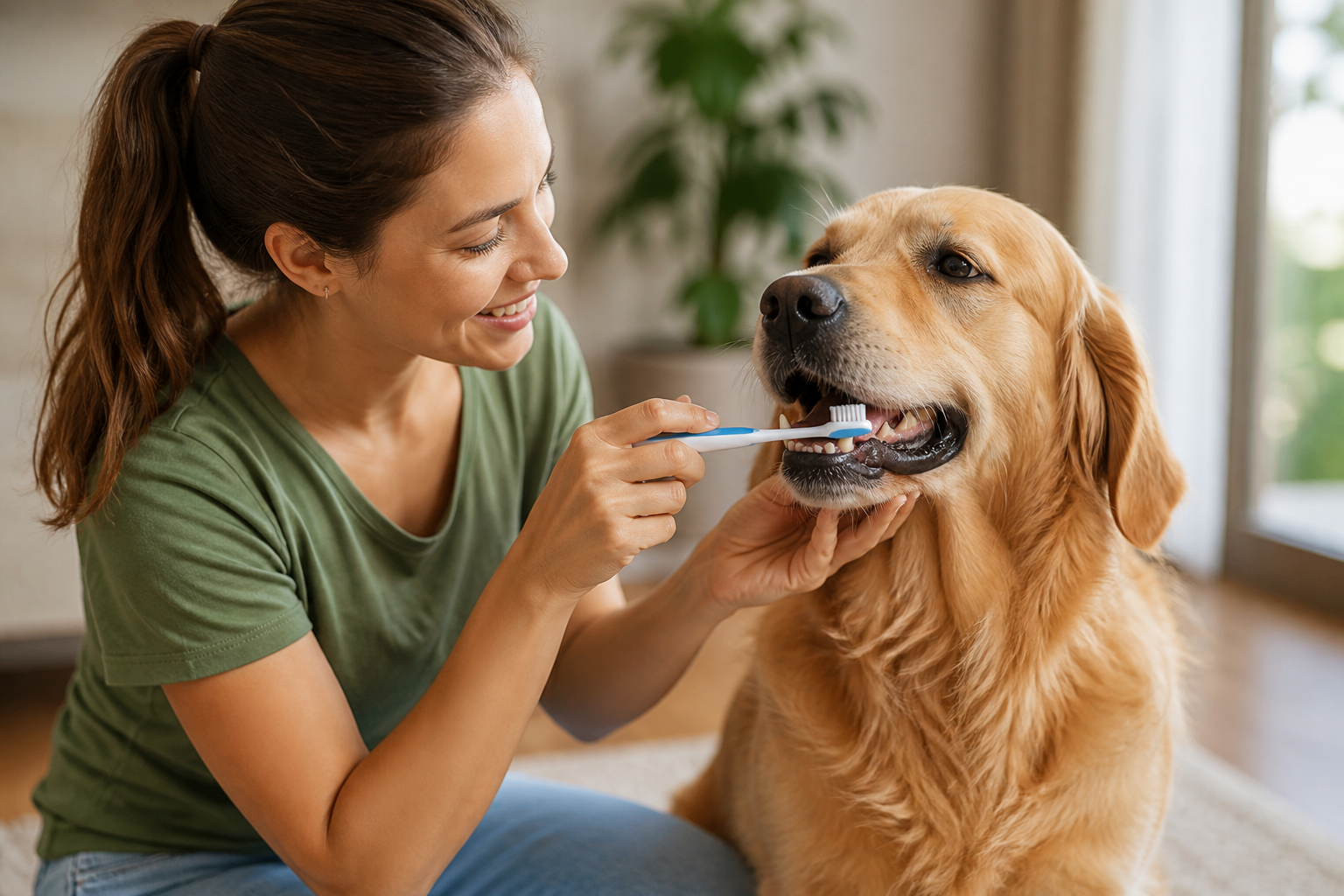
You are sitting on the couch when your dog leans in for a friendly lick or a close-range yawn. Suddenly, you notice a smell that is more than just typical dog breath. It is sharp, lingering, and perhaps a bit metallic. This is often the exact moment owners realize that dental hygiene is not just a human requirement. At BaxterBoo, we know that keeping up with oral care can feel like a chore, but it is one of the most effective ways to extend your dog's life and prevent unnecessary pain. This post covers the signs that your dog is overdue for a cleaning, how often you should be brushing at home, and when it is time to call the vet for a professional procedure. Understanding the timeline for dental care helps you move from reactive sniffing to proactive prevention.
Quick Answer: Most dogs require a professional dental cleaning once per year to remove tartar from beneath the gumline. At home, you should aim to brush your dog's teeth every day, or at least three times per week, to prevent plaque from hardening into permanent tartar.
The Professional Timeline: How Often Is Enough?
The standard rule of thumb for most adult dogs is a professional dental cleaning once a year. However, this is not a one size fits all solution. Just like humans, some dogs are genetically predisposed to dental issues while others stay relatively clean with minimal effort.
Small breeds, such as Chihuahuas, Yorkies, and Pugs, often have crowded mouths. Their teeth are packed closely together, creating tiny crevices where food and bacteria hide. Because of this, many veterinarians recommend that small dogs receive a professional cleaning every six months. Larger breeds may be able to wait 18 months if their owners are diligent about home care, but an annual checkup is still the safest bet.
Age is another significant factor. By the time a dog reaches age three, nearly 80 percent of them show some signs of periodontal disease. If you wait until your dog is seven or eight for their first cleaning, the veterinarian might find significant decay that requires extractions. Starting professional cleanings early, usually around age two or three, sets a baseline for health.
Vet Tip: Always schedule a dental evaluation during your dog's annual wellness exam. Your vet can look for a red line along the gumline or visible tartar to determine if your dog needs a professional cleaning sooner than the one year mark.
Visible Signs Your Dog Needs a Cleaning Right Now
You do not always have to wait for the calendar to tell you it is time for a scrub. Your dog's mouth provides several clear signals that bacteria are winning the battle. If you notice any of the following symptoms, it is time to schedule an appointment.
Persistent Bad Breath
While "dog breath" is a common phrase, a healthy mouth should not smell foul. If the odor is strong enough to notice from across the room, it usually indicates a high level of bacteria or an underlying infection. This is often the first sign owners notice.
Discolored Teeth and Tartar
Plaque is a soft film that you can brush away. If it stays on the tooth for more than 48 hours, it mixes with minerals in the saliva and hardens into tartar, also known as calculus. Tartar looks like brown or yellow crusty buildup, usually starting near the gumline. Once tartar forms, a toothbrush cannot remove it. Only professional scaling tools can.
Inflammation and Bleeding
Lift your dog's lip and look at the gums. They should be a healthy pink. If they look bright red, swollen, or bleed when you touch them, your dog has gingivitis. This is a painful condition that can lead to the loss of the bone supporting the teeth if it is not addressed quickly.
Changes in Eating Habits
Dental pain is quiet. Dogs rarely whimper because their teeth hurt. Instead, they might start dropping kibble, chewing only on one side of their mouth, or suddenly losing interest in hard chew toys. If your dog becomes "picky" overnight, the problem might be in their mouth rather than their stomach.
Key Takeaway: Bad breath and yellow buildup are not just cosmetic issues. They are signs of active bacterial infections that require professional intervention to prevent pain and tooth loss.
Why Anesthesia Is Necessary for Real Cleaning
You may see advertisements for "anesthesia-free" dental cleanings, often performed by groomers or specialized boutiques. While these may make the teeth look whiter, they do not provide a true medical cleaning.
Professional cleaning at a veterinary clinic involves scaling both above and below the gumline. The bacteria hiding under the gums are what actually cause bone loss and systemic health issues. No dog will sit perfectly still while a sharp metal instrument scrapes deep under their sensitive gum tissue. Anesthesia allows the vet to:
- Perform a full 360-degree exam of every single tooth.
- Take dental X-rays to check for abscesses or rotting roots.
- Clean the inside surfaces of the teeth near the tongue.
- Scale and polish the teeth without causing the dog stress or pain.
Our pharmacy works with Pet's Choice to provide access to necessary medications that may be required before or after a dental procedure, such as antibiotics or pain relief. If your vet identifies an infection during a cleaning, having a reliable source for these prescriptions is essential for a smooth recovery. You can explore our pet pharmacy for available options.
Establishing a Home Care Routine
If you want to stretch the time between professional cleanings, home care is the most important tool you have. Think of the vet visit as the "deep clean" and your home routine as the daily maintenance. For additional guidance, read our dog dental care tips.
Choosing the Right Tools
Never use human toothpaste for your dog. Human pastes often contain xylitol, which is highly toxic to dogs, or foaming agents that can upset their stomachs. Dog-specific toothpaste comes in flavors like poultry or beef and is designed to be swallowed safely. You can use a traditional dog toothbrush with a long handle to reach the back molars or a finger brush if your dog is more comfortable with your hand in their mouth.
For a dog-safe option, consider Nutri-Vet Dog Toothpaste, which is formulated specifically for dogs and has a non-foaming texture.
The Slow Introduction
If your dog is not used to having their teeth touched, do not try to brush the whole mouth on day one.
- The Taste Test: Let your dog lick some dog toothpaste off your finger so they associate the flavor with a reward.
- The Finger Rub: Gently rub your finger along their gums and teeth for a few seconds.
- The Brush Intro: Put toothpaste on the brush and let them lick it off while you hold the brush.
- The First Scrub: Aim for just the front "canine" teeth. Use a circular motion.
- The Full Mouth: Gradually work your way to the back molars over the course of two weeks.
Bottom line: Daily brushing is the gold standard, but even brushing three times a week can significantly reduce the amount of tartar buildup your dog experiences.
The Role of Dental Chews and Toys
Not every dog will tolerate a toothbrush, and even for those that do, supplemental tools can help. Products like Greenies or Kong dental toys are designed to encourage chewing, which mechanically scrapes plaque off the surface of the teeth. You can browse our dog dental care category for toothpaste, brushes, chews, and other oral-care supplies.
When choosing a dental chew, look for the VOHC (Veterinary Oral Health Council) seal of approval. This seal means the product has been tested and proven to reduce plaque or tartar by a specific percentage. While these chews are helpful, they are not a replacement for brushing. They mostly clean the tips of the teeth and the surfaces used for grinding, often missing the gumline where disease starts.
| Product Type | Frequency | Primary Benefit |
|---|---|---|
| Brushing | Daily | Removes plaque from the gumline |
| Dental Chews | 3-5 times per week | Mechanical scrubbing of tooth surfaces |
| Water Additives | Daily | Reduces bacteria in the mouth |
| Professional Cleaning | Annually | Removes tartar under the gums |
For a familiar chew option, Greenies Original Dental Dog Chews are available in a regular size for dogs weighing 25–50 pounds.
The Dangers of Waiting Too Long
Neglecting your dog's teeth does more than just cause bad breath. It can lead to a condition called bacteremia. When the gums are inflamed and infected, every time your dog chews, bacteria are pushed into the bloodstream. These bacteria can travel to major organs, including the heart, liver, and kidneys.
Chronic dental disease puts a constant strain on your dog's immune system. We often see senior dogs "perk up" and act like puppies again after a much-needed dental cleaning and the extraction of painful teeth. They were not just "getting old"; they were living with a constant, throbbing toothache. This guide to warning signs of bad teeth can help you recognize changes that deserve veterinary attention.
The Financial Aspect
Some owners avoid professional cleanings because of the cost of anesthesia and the procedure. However, a routine cleaning is far less expensive than oral surgery. If you wait until the teeth are rotting, you will likely pay for X-rays, multiple extractions, and more complex anesthesia monitoring. Investing in prevention saves money and prevents your dog from suffering through unnecessary extractions.
Common Myths About Dog Dental Care
There are many misconceptions about how to keep a dog's mouth clean. One of the most common is that dry kibble cleans teeth. While some prescription dental diets have a specific kibble structure that scrubs the teeth, standard dry food does not provide enough friction to make a difference. In fact, many dogs swallow kibble whole or it shatters instantly, leaving starchy residue behind that actually feeds bacteria.
Another myth is that bones are the best way to clean teeth. While raw, meaty bones can help, they also carry risks. Very hard bones or antlers can cause "slab fractures," where a piece of the tooth breaks off, exposing the sensitive nerve. Cooked bones are even more dangerous as they can splinter and cause internal damage. Always supervise your dog with any chew and consult your vet about which options are safe for your dog's specific bite strength.
Key Takeaway Box
Key Takeaway: Dental health is a lifelong commitment that combines daily home care with professional veterinary exams. Starting a routine early is the best way to avoid painful infections and expensive surgeries later in your dog's life.
Special Considerations for Senior Dogs
As dogs age, their dental needs become more critical. Senior dogs may have underlying health issues that make anesthesia a bigger concern, but they are also more likely to have advanced periodontal disease.
Before a cleaning, your vet will likely perform blood work to ensure your dog's organs can handle the anesthesia. This is a standard safety precaution. Do not let your dog's age deter you from seeking dental care. Modern anesthesia is very safe, and the risk of leaving a massive infection in an older dog's mouth is often higher than the risk of the procedure itself.
If your senior dog has already lost teeth, you may need to adjust their diet. Softened kibble or high-quality wet foods from brands like Royal Canin or Farmina Vet Life can provide the nutrition they need without requiring heavy chewing. You can also browse our selection of Farmina products when discussing dietary options with your veterinarian.
Summary of Best Practices
Maintaining your dog's oral health does not have to be overwhelming. At BaxterBoo, we recommend a three-pillar approach to dental care:
- Observation: Check your dog's mouth weekly for redness, swelling, or brown buildup.
- Home Care: Brush as often as possible using dog-safe paste and provide VOHC-approved chews.
- Professional Care: Schedule a dental exam every year and follow your vet's recommendation for a professional cleaning.
Our Autoship programme is a great way to ensure you never run out of dental supplies like toothbrushes, pastes, and treats. Regular maintenance is much easier when the tools you need arrive at your door on a schedule.
Vet Tip: If your dog has a sudden facial swelling, especially under the eye, this is often a sign of a tooth root abscess. This is a painful emergency that requires immediate veterinary attention and likely antibiotics from the pharmacy.
Conclusion
Knowing when to clean your dog's teeth is a mix of following a schedule and watching for red flags. While the one year mark is the standard for professional care, your dog's breed, age, and daily habits might move that timeline forward. By combining daily brushing with annual veterinary checkups, you are doing more than just freshening their breath. You are protecting their heart, kidneys, and overall comfort.
Keep a close eye on those gums, stay consistent with the toothbrush, and do not hesitate to reach out to your vet if things look or smell off. Your dog cannot tell you when their teeth hurt, so it is up to you to be their advocate. For all your dental care needs, from enzymatic pastes to specialized dental chews, we have you covered in our Dental Care category.
FAQ
How can I tell if my dog has a toothache?
Dogs are very good at hiding pain, so you have to look for subtle behavioral changes. You might notice your dog dropping food while eating, pawing at their mouth, or rubbing their face against the carpet. Some dogs may become aggressive or shy away when you try to touch their head. If you see these signs along with red gums or a foul smell, your dog likely has dental pain.
Can I just use a dental spray instead of brushing?
Dental sprays and water additives can help reduce the overall bacterial load in the mouth, but they are not as effective as physical brushing. Think of them like mouthwash for humans; it helps freshen things up, but it doesn't remove the "stuck on" food and plaque like a toothbrush does. Use sprays as a supplement to brushing, not a replacement for it.
Is it too late to start brushing my senior dog's teeth?
It is never too late to start, but you should have a vet check their mouth first. If your senior dog already has loose teeth or painful gingivitis, brushing could be very painful for them. Once a veterinarian has performed a professional cleaning and addressed any immediate issues, you can start a gentle home brushing routine to keep the remaining teeth healthy.
Why does my dog's breath smell so bad even though I brush?
If you are brushing regularly and the smell persists, the problem is likely under the gumline or at the back of the mouth where a brush cannot reach. It could also indicate an abscessed tooth or even an internal health issue like kidney disease. Persistent bad breath that survives a brushing session is a clear sign that you need to schedule a professional dental exam with your veterinarian.






