
 Save 15% on your 1st Autoship learn more

 Email us
 Live Chat
 FAQs
FAQs






Why High-Protein Dog Food Matters for Your Dog's Health
High protein dog food is gaining popularity among pet parents, and for good reason. But what exactly qualifies as high protein, and does your dog really need it?
Quick Answer: High-Protein Dog Food Essentials
- Definition: Dog food with over 28% protein on a dry matter basis
- Standard dog food: Contains 23-27% protein
- AAFCO minimum: 22.5% for puppies, 18% for adults
- Best for: Active dogs, puppies, seniors with muscle loss, working dogs
- Top sources: Chicken, beef, fish, lamb, turkey, duck
- May not suit: Dogs with kidney or liver disease (consult your vet)
Protein is fundamental to your dog's wellbeing. It builds and repairs muscle tissue, supports healthy skin and coat, fuels the immune system, and provides essential amino acids that dogs cannot produce on their own.
As one of the most crucial nutrients in your dog's diet, protein helps support everything from muscle development to cognitive function. Active breeds, growing puppies, and aging seniors often benefit most from higher protein levels, though individual needs vary based on age, activity level, and overall health.
The challenge? Not all high-protein foods are created equal. Some brands inflate their numbers with low-quality protein sources or plant-based fillers that aren't as bioavailable as fresh animal protein. Understanding what to look for helps you make informed choices for your furry friend's nutrition.
This guide will help you steer high-protein dog food, from understanding who benefits most to reading labels like a pro. Whether you have an energetic working dog or a senior pup needing muscle support, you'll learn how to choose the right formula for your companion's unique needs.
Is a High-Protein Diet Right for Your Dog?
Choosing the right diet for our canine companions can feel like a maze, especially with so many options promising optimal health. When it comes to High Protein Dog Food, it's not a one-size-fits-all solution. While protein is undeniably vital, the suitability of a high-protein diet truly depends on your dog's unique characteristics, including their life stage, activity level, and any underlying health conditions.
Generally, we consider any food with over 28% protein on a dry matter basis to be "high in protein." This is significantly more than the Association of American Feed Control Officials (AAFCO) minimums of 22.5% for puppies and 18% for adult dogs. But does "more" always mean "better"? Not necessarily for every dog. Let's explore who stands to gain the most, and who might need a different approach.
| Dog Category | General Protein Needs (AAFCO Minimum) | High Protein Benefit (Often >28%) |
|---|---|---|
| Puppies | 22.5% | Supports rapid growth, muscle development, immune function |
| Adult Dogs | 18% | Muscle maintenance, overall health (if active or specific need) |
| Senior Dogs | 18%+ (often higher) | Combats muscle wasting, maintains lean mass, immune support |
| Active/Working Dogs | 25-30%+ | Fuels metabolic needs, aids muscle repair and recovery |
Every dog's dietary needs are unique, and a veterinarian is the best authority for determining specific requirements. We always recommend consulting with your vet to tailor the perfect diet for your furry friend.
Growing Puppies
Puppies are bundles of joy and energy, and their rapid growth demands a specialized diet. They require extra dietary protein to fuel their development, supporting muscle growth, immune system function, and healthy skin and coat. AAFCO guidelines recommend a minimum of 22.5% protein for puppies. While high-protein puppy food might seem ideal, it's important to choose formulas specifically balanced for growth. Too much protein, or an imbalanced diet, can sometimes cause puppies to develop too quickly, which isn't always healthy.
At BaxterBoo, we understand the importance of getting it right from the start. We offer a variety of specially formulated puppy foods designed to provide the optimal balance of nutrients for your growing companion. More info about our puppy supplies
Active and Working Dogs
For the canine athletes, the adventurers, and the dedicated working dogs, a High Protein Dog Food can be a game-changer. These dogs expend significant energy, leading to faster protein turnover and potential muscle mass loss during heavy exercise. Higher protein levels are crucial for fueling their metabolic needs, helping to build and repair muscles after intense workouts.
Protein also serves as an efficient energy source for these active dogs. Once their basic protein needs are met, any excess protein can be converted into energy, helping them maintain stamina and performance. Formulas with a protein content often ranging from 25-30% or more, coupled with appropriate fat levels (like 20-22%), are often recommended to support their demanding lifestyles and maintain lean muscle.
Senior Dogs
As our beloved dogs age, their bodies undergo changes, and their nutritional needs evolve. One common concern for older dogs is muscle wasting, or sarcopenia. To combat this, senior dogs often benefit from a diet with increased protein to help them maintain their ideal body condition and preserve lean muscle mass. This is why many senior dog foods are formulated with higher protein levels compared to standard adult formulas.
Beyond muscle maintenance, adequate protein also supports a senior dog's immune function, helping them stay healthier longer. While the AAFCO minimum for adult dogs is 18%, many senior-specific formulas aim for higher to support these critical needs.

Overweight Dogs
It might seem counterintuitive, but for our pudgy pals, a High Protein Dog Food can be a valuable tool in their weight management journey. When dogs are on a reduced-calorie diet, higher protein levels can help them feel satisfied and full for longer, reducing begging and overeating. This increased satiety is a key factor in successful weight loss.
Moreover, a high-protein, reduced-calorie diet can help overweight dogs burn fat and calories more effectively. Studies have even shown that overweight dogs respond well to high-protein, high-fiber diets. By promoting the maintenance of lean muscle mass while encouraging fat loss, protein plays a crucial role in helping our dogs reach and maintain a healthy weight.
Dogs Who May Need to Avoid High-Protein Diets
While the benefits of high protein are clear for many dogs, it's not suitable for all. The most important rule of thumb is always to consult with your veterinarian before making any significant dietary changes, especially if your dog has existing health concerns.
Specifically, dogs who have been diagnosed with certain conditions, such as kidney disorders or liver disorders, should generally avoid high-protein dog food. Higher protein levels might aggravate these conditions, making a vet-prescribed, therapeutic diet essential. Your veterinarian can provide personalized advice based on your dog's specific health status, ensuring they receive the appropriate balance of nutrients without risking further complications.
A Buyer's Guide to the Best High Protein Dog Food
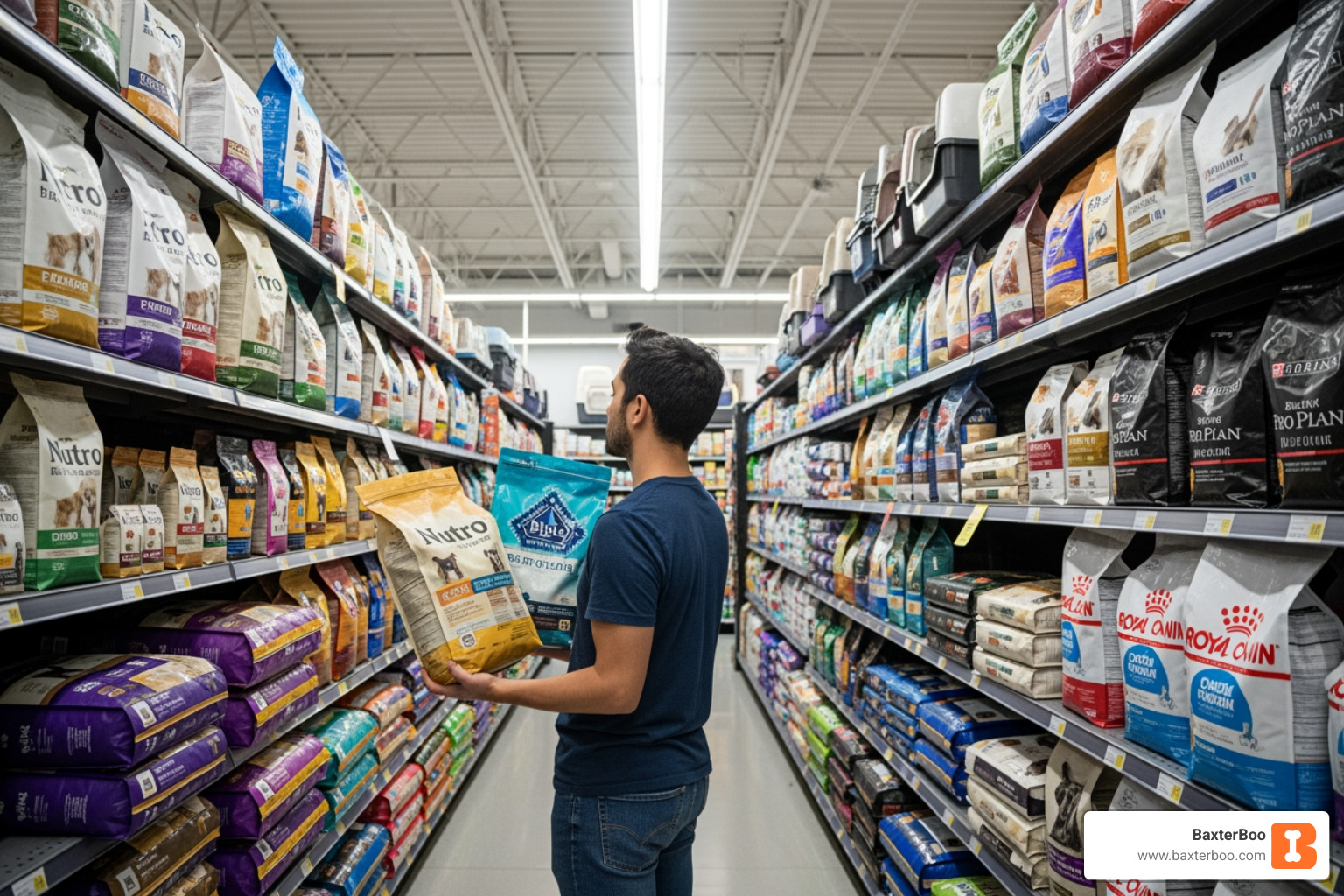
Navigating the shelves for the perfect High Protein Dog Food can be overwhelming. With countless brands and formulas, how do we choose the best for our furry family members? The key lies in understanding what to look for beyond just the protein percentage. We want quality ingredients, appropriate ratios, and formulas custom to specific needs.
When you're comparing dog foods, think of yourself as a detective. Look for transparent ingredient lists, reputable brands, and formulas that align with your dog's life stage and activity level. Not all protein is created equal; the source and digestibility matter immensely.
Best for Peak Performance: For Active & Working Dogs
For the dogs who live life at full throttle – the agility stars, the hiking buddies, the working companions – their diet needs to support their demanding energy output. A High Protein Dog Food for these athletes should feature not just high protein, but also an ideal protein-to-fat ratio to deliver efficient energy. Many top-tier formulas for active dogs provide around 30-36% protein and 20-28% fat.
Beyond just protein and fat, look for nutrient-dense formulas that include ingredients for joint support. Components like glucosamine and EPA (an omega-3 fatty acid) are vital for maintaining healthy joints and mobility, which are crucial for preventing wear and tear in active dogs. These foods ensure their muscles are built and repaired, their energy levels are sustained, and their joints are protected. At BaxterBoo, we also offer specialized supplements to support joint health: More info about our mobility supplements
Best for Healthy Development: High-Protein Puppy Food
Puppyhood is a critical time of rapid growth and development, and their diet needs to reflect this intense period. While puppies need a higher protein content than adult dogs (AAFCO recommends a minimum of 22.5%), the focus should be on a balanced formula that supports healthy, steady growth.
Look for High Protein Dog Food specifically formulated for puppies or "All Life Stages" that meets AAFCO standards for growth. These foods often contain DHA for brain and eye development, and carefully balanced calcium and phosphorus levels to support bone growth without promoting overly rapid development that could lead to orthopedic issues. Small, easy-to-chew kibble is also a practical consideration for little mouths and developing teeth.
Best for Graceful Aging: High-Protein Senior Food
As our dogs enter their golden years, maintaining muscle mass becomes increasingly important. A High Protein Dog Food formulated for seniors can help combat muscle wasting and support their overall vitality. For older dogs, easily digestible protein sources are key, as their digestive systems may not be as robust as they once were.
Beyond protein, senior formulas often include antioxidants to support a healthy immune system, and omega fatty acids for maintaining skin and coat health. Some senior dogs may also benefit from wet food options, as they can be easier to chew and their more pungent smell can entice appetites that might be waning. The goal is to provide nutrient-rich support that helps them stay comfortable, active, and happy in their twilight years.
Best for Food Sensitivities: Limited Ingredient & Novel Proteins
For dogs with sensitive stomachs or allergies, finding the right High Protein Dog Food can be a challenge. In these cases, limited ingredient diets (LIDs) or formulas featuring novel proteins are often the best choice. LIDs minimize the number of ingredients, making it easier to identify and avoid common allergens.
Novel proteins are those that your dog hasn't been exposed to before, such as duck, venison, or bison, reducing the likelihood of an allergic reaction. These foods often focus on single animal protein sources and may also be grain-free, depending on your dog's specific sensitivities. Supporting digestive health with easily digestible ingredients and sometimes prebiotics or probiotics is also a common feature of these specialized diets. If your dog has specific allergies to common ingredients like peas or rice, be sure to check the label carefully for alternatives.
How to Read Labels and Transition Safely
Becoming a savvy consumer of High Protein Dog Food means understanding how to read and interpret pet food labels. This skill empowers us to make informed decisions, ensuring our dogs get the quality protein they need. It’s not just about the percentage; it’s also about the source and how the product is marketed.
When examining a label, pay close attention to the ingredient list. The first few ingredients are the most abundant. Look for real, identifiable animal protein sources like chicken, beef, fish, or lamb listed prominently.
Decoding the Guaranteed Analysis
The "Guaranteed Analysis" panel on every dog food bag provides crucial information, including the minimum crude protein percentage. However, this percentage is on an "as fed" basis, meaning it includes moisture. To truly compare protein content between dry and wet foods, you need to calculate the dry matter basis (DMB) percentage. As a rule of thumb, we consider High Protein Dog Food to have over 28% protein on a dry matter basis.
Understanding AAFCO labeling rules is also incredibly helpful. These rules dictate how ingredients are listed and named, preventing misleading claims:
- The "100 Percent All" Rule: If a product is labeled as "100% Beef," it must contain only beef and water.
- The "95 Percent Rule": For a food named "Chicken Dog Food," chicken must make up 95% of the product. If it's "Chicken and Rice Dog Food," chicken and rice combined must be 95%, with chicken being the primary ingredient.
- The "25 Percent Rule": Often used for "dinner" or "entree" names (e.g., "Fido's Beef Dinner"), this means the named ingredient is a significant, but not dominant, part of the meal.
- The "With" Rule: If a label says "with Chicken," it only needs to contain 3% chicken. This is a common marketing tactic.
- The "Flavor" Rule: "Beef Flavored Dog Food" means it only needs to contain something that provides the flavor, not necessarily much actual beef.
These guidelines from the Association of American Feed Control Officials (AAFCO) guidelines apply to all ingredients, not just protein, helping us make sense of what's truly in the bag.
How to Transition Your Dog to a High-Protein Diet
Switching your dog to a new diet, especially a High Protein Dog Food, should always be a gradual process to prevent digestive upset. A sudden change can lead to stomach issues like vomiting or diarrhea. We recommend a 7-10 day transition period, slowly introducing the new food while phasing out the old.
Here’s a day-by-day transition plan to help your dog adjust smoothly:
- Days 1-2: Mix 25% new high-protein food with 75% old food.
- Days 3-4: Increase to 50% new food and 50% old food.
- Days 5-6: Shift to 75% new food and 25% old food.
- Days 7-10: Your dog should now be eating 100% of the new high-protein food.
Monitor your dog closely during this period for any signs of digestive discomfort. If they show signs of upset, slow down the transition and give them more time to adjust at each stage. Patience is key to a smooth transition!
Frequently Asked Questions About High-Protein Diets
When discussing High Protein Dog Food, several common questions and concerns often arise. It's easy for myths to spread, so let's address some of these with expert opinions and scientific evidence.
Can high-protein dog food cause kidney disease?
This is one of the most persistent myths surrounding high-protein diets. However, according to most experts, a High Protein Dog Food does not cause kidney disease in healthy dogs. In fact, a significant article by Dr. Kenneth Bovée, a renowned professor of Clinical Studies, highlighted the lack of scientific evidence supporting protein restriction in healthy dogs. He suggested that "the dogma and myth" surrounding this topic deserved thoughtful reconsideration.
The concern often stems from the fact that dogs with pre-existing kidney disease may need a protein-restricted diet to lessen the burden on their kidneys. But for healthy dogs, their kidneys are perfectly capable of processing normal and even higher levels of protein. If your dog has been previously diagnosed with kidney disease, it is absolutely crucial to consult your veterinarian before considering any changes to their diet, as higher protein levels might aggravate their condition. Importance of water intake is also crucial for overall kidney health, regardless of diet. For more detailed information on protein myths, you can refer to An important article on protein myths.
Are high-protein diets linked to hip disease?
Another common concern, particularly for large breed owners, is whether High Protein Dog Food contributes to hip disease. The good news is that scientific evidence does not support a direct link between high-protein diets and hip disease.
The rapid growth that can lead to hip disease in larger breeds is primarily linked to genetics, excessive dietary calcium, or overfeeding during the puppy phase. It's the overall caloric intake and mineral balance (especially calcium-to-phosphorus ratio) during growth, not specifically the protein content, that influences bone development and joint health. Therefore, choosing a high-protein puppy food that is specifically balanced for large breed growth and not overfeeding is more important than worrying about the protein percentage itself.
Is it possible for a dog to have too much protein?
While protein is essential, the question of "too much" is nuanced. For healthy dogs, excess protein, once their daily needs are met, is typically converted into energy or excreted. As Jennifer Coates, DVM, a veterinary consultant, explains, when you feed your dog the proper amount and type of protein, they can make and maintain all the protein-containing tissues and molecules in their body.
The main concern with "too much" protein generally revolves around two areas:
- Imbalance: If a diet is excessively high in protein but deficient in other essential nutrients, it can lead to an unbalanced diet. A truly balanced High Protein Dog Food will still provide adequate fats, carbohydrates (if included), vitamins, and minerals.
- Specific Health Conditions: As mentioned, dogs with pre-existing kidney or liver conditions may struggle to process high protein levels. For these dogs, a veterinarian-prescribed diet is essential.
For the average healthy dog, especially active ones, "too much" protein is rarely an issue when fed as part of a complete and balanced diet. The quality and digestibility of the protein sources are far more critical than simply the percentage number. If you have any concerns about your dog's specific protein needs or dietary balance, consulting your veterinarian is always the best course of action. You can learn more about Dr. Coates's insights by visiting her LinkedIn profile.
Find the Perfect High-Protein Food for Your Best Friend
Choosing the right High Protein Dog Food is a significant step towards optimizing your dog's health and happiness. We've explored the myriad benefits, from supporting robust muscle development in active dogs to aiding in weight management and preserving lean mass in seniors. We've also debunked common myths and learned the importance of reading labels like a pro to ensure quality and suitability.
The key takeaway is that high-quality protein, appropriately matched to your dog's life stage, activity level, and health status, can make a profound difference. At BaxterBoo, we understand that each dog is an individual with unique needs. That's why we are committed to offering a curated selection of high-quality, high-protein foods, along with expert advice, to help you make the best choices for your furry family member.
Whether you're looking for a performance formula for your working dog, a balanced diet for your growing puppy, or a supportive meal for your aging companion, we're here to help you find the perfect fit.
Explore our full range of veterinary and specialized diets today!






