
 Save 15% on your 1st Autoship learn more

 Email us
 Live Chat
 FAQs
FAQs





Introduction
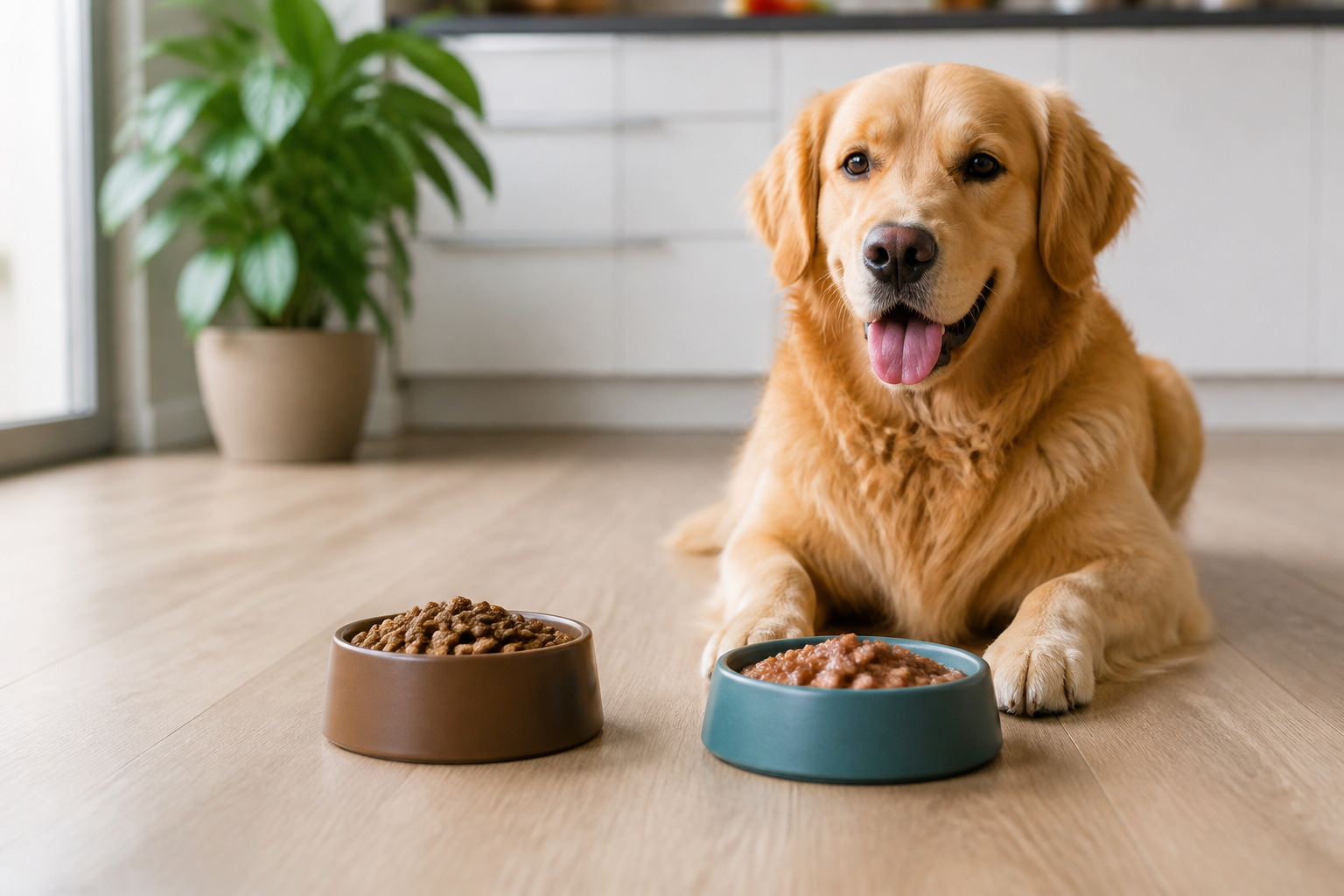
Standing in the pet food aisle or scrolling through endless pages of options can feel like a full-time job. You want the best for your dog, but the debate between crunchy kibble and savory canned food never seems to end. Many pet parents find themselves stuck between the convenience of a bag and the high appeal of a can. At BaxterBoo, we understand that every dog has unique needs based on their age, health, and activity level. This article explores the pros and cons of both formats to help you decide which bowl filler is the right choice. There is no one-size-fits-all answer, but there is a best answer for your specific pet.
Quick Answer: Neither dry nor wet food is universally better. Both provide complete nutrition when formulated correctly. Your choice should depend on your dog’s hydration needs, dental health, and personal preference.
The Basics of Dry Dog Food
Dry dog food, commonly known as kibble, is the most popular choice for pet owners in the United States. It is made by mixing ingredients like meat, grains, and vitamins into a dough. This dough is then cooked under high pressure and pushed through a machine to create specific shapes. Finally, it is dried and often sprayed with fats or oils to make it taste better.
One of the biggest draws of dry food is its convenience. You can measure it out quickly and leave it in a bowl for a dog that likes to graze throughout the day. It does not spoil quickly at room temperature. This makes it ideal for busy households or dogs that prefer several small snacks over one big meal.
The nutritional density of dry food is another factor to consider. Because the water has been removed, the nutrients are highly concentrated. This means you usually need to feed a smaller volume of food compared to a wet diet to meet your dog’s daily calorie needs. We carry many high-quality dry brands like NutriSource and Orijen that focus on these nutrient-dense formulas.
Key Takeaway: Dry food is cost-effective and convenient. It allows for easy portion control and can stay fresh in the bowl longer than wet options.
Benefits of Feeding Kibble
Many veterinarians recommend dry food for its mechanical benefits. As a dog crunches on hard kibble, the texture can help scrape away a small amount of plaque from the teeth. While it is not a replacement for regular brushing, it can support overall oral hygiene.
- Dental Support: The abrasive action of chewing hard food helps reduce tartar buildup.
- Cognitive Enrichment: Kibble is perfect for use in puzzle toys like those from Kong. This provides mental stimulation during mealtime.
- Value: Dry food is generally the most budget-friendly option per serving.
- Storage: Large bags are easy to store in airtight containers for several weeks.
Dry food is also helpful for owners who use food as a training tool. You can easily put a handful of kibble in your pocket to reward good behavior throughout the day. This keeps your dog’s total daily calories in check without relying on high-calorie treats.
The Case for Wet Dog Food
Wet dog food is typically sold in cans, pouches, or plastic cups. It contains a much higher moisture content than kibble. Most wet foods are about 75% to 80% water. This makes it a fantastic tool for keeping your dog hydrated, especially if they do not drink enough from their water bowl.
The cooking process for wet food involves sealing the ingredients in a container and heating it to ensure it is sterile. This preserves the natural aromas of the meat. Because dogs rely heavily on their sense of smell to enjoy food, the rich scent of canned food is often much more enticing to a picky eater.
If you have a dog with a diminishing appetite, wet food can be a lifesaver. Senior dogs or dogs recovering from illness often find the soft texture and strong smell easier to manage. Brands like Tiki Cat (which also makes excellent dog lines) and Weruva are known for their high-palatability recipes that look and smell like real home-cooked meals.
Vet Tip: If your dog has a history of urinary tract issues or kidney disease, the extra moisture in wet food can be very beneficial. Always consult your veterinarian to see if a high-moisture diet is part of a proper management plan.
When Wet Food Is the Better Choice
There are specific life stages and health conditions where wet food clearly takes the lead. For young puppies that are just weaning off milk, soft food is much easier on their small, developing teeth. It bridges the gap between liquids and hard solids.
Senior dogs often struggle with dental disease or missing teeth. For these pets, crunching on hard kibble can be painful or even impossible. Wet food allows them to eat comfortably without putting stress on their mouth. It is also much easier to hide medications in wet food. You can easily stir a pill or powder into a spoonful of gravy without your dog noticing.
- Weight Management: The high water content means wet food has fewer calories per gram. This allows your dog to eat a larger portion while still consuming fewer calories.
- Picky Eaters: The intense aroma can jumpstart the appetite of a dog that refuses dry kibble.
- Hydration: It provides a steady source of water throughout the day.
Comparing Nutrients: Dry vs. Wet
At first glance, a bag of dry food might look like it has way more protein than a can of wet food. A bag might say 25% protein while a can says 8%. This is because of the water content. To get an accurate comparison, you have to look at the nutrients on a "dry matter basis."
When you remove the water from the equation, many wet foods actually have higher protein and fat levels than dry food. Dry food requires more carbohydrates, like grains or starches, to hold the kibble shape. If you are looking for a low-carb diet, wet food is often the easier path.
Our pharmacy helps us offer prescription diets for dogs with specific nutritional needs. Some of these medical diets are available in both formats, while others are only available as wet food to prioritize hydration.
Key Takeaway: Don't let the numbers on the label fool you. Wet food often has a similar or higher protein content than dry food when you account for the moisture difference.
The Best of Both Worlds: Mixing Food
You do not have to choose just one. Many pet owners find that a combination of dry and wet food provides the most benefits. This is often called mixed feeding or using a topper. By adding a spoonful of wet food to a bowl of kibble, you get the dental benefits and cost-savings of dry food combined with the flavor and hydration of wet food.
How to Mix Effectively
Step 1: Determine the total calories your dog needs. Check with your vet or use a calorie calculator. Step 2: Decide on the ratio. A common split is 75% calories from dry and 25% from wet. Step 3: Adjust the portions. If you add wet food, you must take away some dry food to prevent weight gain. Step 4: Stir it well. This ensures your dog does not just lick the wet food off the top and leave the kibble behind.
Mixing is also a great way to save money. If feeding 100% canned food is too expensive for a large breed, using it as a topper provides that extra excitement at a fraction of the cost. You can find many specialized toppers and mixers from brands like Stella and Chewy's or The Honest Kitchen to spice up the daily meal.
Bottom line: Mixing wet and dry food increases variety and palatability while remaining more affordable than a strictly wet diet.
Managing the Transition
If you decide to switch from one format to the other, do not do it overnight. A sudden change in texture or ingredient density can cause an upset stomach. Dogs need time for their digestive enzymes to adjust to a new formula.
We recommend a slow transition over at least seven to ten days. Start by adding a very small amount of the new food to the old food. Gradually increase the new while decreasing the old. If your dog experiences loose stools or gas, slow the process down.
- Days 1-3: 25% new food, 75% old food.
- Days 4-6: 50% new food, 50% old food.
- Days 7-9: 75% new food, 25% old food.
- Day 10: 100% new food.
Always keep an eye on your dog's energy levels and coat condition during a switch. A shiny coat and steady energy are good signs that the new diet is working well. If you notice persistent vomiting or diarrhea, stop the transition and contact your veterinarian immediately.
Storage and Safety Tips
How you store your dog's food is just as important as what is in it. Once a bag of dry food is opened, the fats begin to oxidize. This can lead to a loss of flavor and nutrients. We suggest keeping the food in its original bag and placing that bag inside an airtight container. The original bags are designed to keep moisture and air out.
Wet food requires much more care. Once a can is opened, it must be refrigerated. Most canned food stays fresh for only three days after opening. If your dog does not finish their wet food in the bowl within 30 minutes, you should pick it up and throw it away. Bacteria grow quickly in the moist environment of canned food left at room temperature.
Vet Tip: Never feed your dog food from a can that is bulging, dented on the seam, or leaking. These are signs of contamination that could make your pet very sick.
Cost Considerations
Budget is a reality for most pet owners. Generally, dry food is significantly cheaper than wet food. Because you are not paying for the weight of the water and the expensive canning process, your dollar goes further. For owners of large breeds like Great Danes or Mastiffs, feeding 100% wet food can be cost-prohibitive.
However, wet food can sometimes save money in the long run if it helps manage a health condition. For example, a dog that stays well-hydrated may have fewer issues with urinary stones. Using a mix of both formats is often the best way to balance your budget with your dog’s health needs.
At BaxterBoo, we offer several ways to make high-quality food more affordable. Our Autoship programme provides savings on your first order and ensures you never run out of your dog's favorite meals. You can also join the MVP Rewards programme to earn up to 5% back on every purchase. These programs are designed to help you provide premium nutrition without breaking the bank.
Choosing the Right Brand
Not all dry or wet foods are created equal. When looking at a label, the first few ingredients should be high-quality animal proteins. Avoid foods that rely heavily on "meat by-products" or "unspecified fats" as their primary sources.
We carry over 500 trusted brands, including names like Farmina, Royal Canin, and Blue Buffalo. Each of these brands offers specialized formulas for different needs. For example, Farmina Vet Life offers specific diets for weight management and cardiac support.
If your dog has severe allergies or a chronic illness, you might need a prescription diet. These are formulated to address specific internal issues and are regulated more like medicine. Our pet pharmacy makes it easy to get these specialized foods delivered right to your door alongside your dog's other medications.
Final Decision: Dry or Wet?
The "better" food is the one that your dog enjoys and thrives on. If your dog is healthy, has a shiny coat, and maintains a good weight on kibble, there may be no reason to change. If your dog is aging, struggling to stay hydrated, or becoming picky, adding wet food could make a world of difference.
Consider your lifestyle as well. If you travel frequently with your dog, dry food is much easier to pack and manage on the road. If you work long hours, dry food can be used in an automatic feeder. Wet food requires a bit more hands-on management and cleanup.
Ultimately, the goal is a balanced diet that meets all of your dog's nutritional requirements. Whether you choose the crunch of kibble or the richness of canned food, focusing on high-quality ingredients is the most important step.
Bottom line: Choose dry food for convenience and dental health, or wet food for hydration and taste. Mixing the two is often the ideal compromise for most healthy dogs.
Summary of Benefits
To help you decide, here is a quick look at the strengths of each format:
- Dry Food: Better for teeth, easier to store, more affordable, works with puzzle toys.
- Wet Food: Better for hydration, more appealing aroma, easier to chew, helps with weight loss.
- Mixed: Provides variety, improves taste of kibble, balances cost and benefits.
We invite you to explore our wide selection of both formats to find the perfect match for your pet. From premium grain-free kibble to organic canned stews, we have options for every dog.
FAQ
Can I leave wet food out all day like I do with dry food? No, you should never leave wet food out for more than 30 to 60 minutes. Because it has high moisture content, it is a breeding ground for bacteria at room temperature. If your dog does not eat it quickly, discard the leftovers and wash the bowl.
Is it true that dry food cleans a dog’s teeth? Dry food can help reduce plaque buildup through the physical action of chewing, but it is not a cure-all. It does not reach the gum line where most dental disease starts. Regular veterinary checkups and teeth brushing are still the most effective ways to maintain oral health.
Why is wet food usually more expensive than dry food? Wet food is more expensive because of the manufacturing process and packaging. Cans and pouches cost more to produce and ship than paper bags. Additionally, because wet food is mostly water, you have to buy more of it to provide the same amount of calories as a bag of kibble.
Can puppies eat adult wet or dry food? Puppies should eat food specifically formulated for growth, whether it is wet or dry. Puppy-specific formulas contain higher levels of protein, fat, and minerals like calcium and phosphorus for bone development. Always look for the AAFCO statement on the label to ensure it is appropriate for the growth stage.






