
 Save 15% on your 1st Autoship learn more

 Email us
 Live Chat
 FAQs
FAQs





Introduction
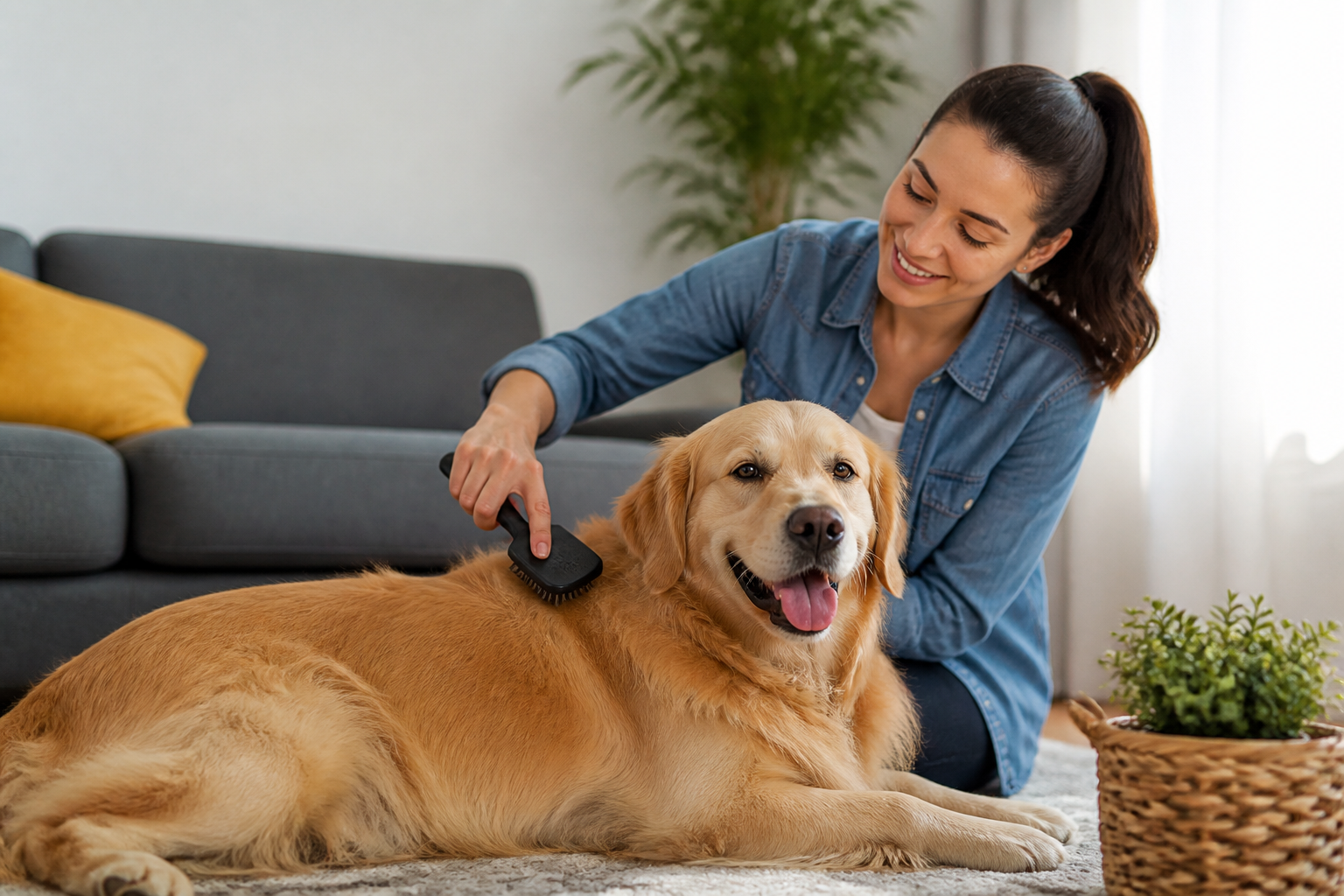
You reach down to scratch your dog behind the ears and feel a hard, tight clump of fur. Or perhaps you just sat on your sofa and realized your dark trousers are now covered in a layer of tan fluff. These moments are a common part of life for many pet owners. At BaxterBoo, we know that grooming often feels like a chore that can wait until next weekend. However, picking up a brush is one of the most effective ways to support your pet's comfort and long-term health. This post covers the biological benefits of grooming, how to choose the right tools for different coat types, and why this routine is about much more than just looking good. Regular brushing is a foundational part of proactive pet care.
Quick Answer: Brushing your dog removes dead hair, distributes natural skin oils, and prevents painful mats. It also allows you to check for lumps, pests, or skin irritations before they become serious health issues.
The Biological Importance of Brushing
Your dog's coat is their primary defense against the environment. It protects them from the sun, keeps them dry, and helps regulate their internal temperature. Brushing is the manual process that keeps this defense system functioning. Without regular maintenance, the coat can become a liability rather than a benefit.
When you brush your dog, you are doing more than just removing loose fur. You are stimulating the skin. This action increases blood flow to the surface. Better circulation means more nutrients reach the hair follicles. This results in stronger hair and a more resilient skin barrier.
Distributing Natural Oils
Every dog has sebaceous glands that produce natural oils. These oils are meant to travel down the hair shaft. They provide a natural shine and create a water-resistant layer. In many breeds, these oils can get trapped at the base of the hair. Brushing acts like a comb for these oils. It moves them from the skin all the way to the tips of the hair. This prevents the skin from becoming greasy and itchy while keeping the fur from becoming brittle and dry.
Removing Dead Skin Cells
Just like humans, dogs shed skin cells. These cells can become trapped deep within the fur. If they stay there, they can combine with moisture and oils to create a "crust" on the skin. This is a breeding ground for bacteria. Brushing clears away these dead cells. It allows the skin to breathe.
Key Takeaway: Brushing is a mechanical way to distribute natural oils and clear away dead skin, which prevents irritation and supports a shiny, healthy coat.
Temperature Regulation and the Double Coat
A common myth is that shaving a dog is the best way to keep them cool in the summer. For many breeds, especially those with double coats, the opposite is true. A well-groomed coat acts as insulation. It keeps heat out in the summer and holds warmth in during the winter.
The "undercoat" is a layer of soft, downy hair close to the skin. The "guard hairs" are the longer, coarser hairs on top. When a dog sheds, the dead undercoat hair often gets trapped under the guard hairs. This trapped hair creates a thick blanket. It stops air from reaching the skin. In the summer, this causes the dog to overheat because their natural cooling system is blocked.
Brushing is the only way to remove this trapped undercoat. When you remove the dead fluff, you create "air channels" in the fur. This allows the breeze to reach the skin and cool the dog down. In the winter, a clean coat can loft and trap air, which provides better insulation against the cold.
Vet Tip: If your dog seems to be panting excessively or moving slowly in the heat, check their undercoat. A thick layer of trapped fur can lead to heat exhaustion even if the dog has not been exercising.
The Danger of Matting and Skin Health
Matting occurs when loose, dead hair tangles with living hair. These tangles eventually tighten into hard clumps. If left alone, these clumps can pull tight against the skin. This is not just a cosmetic problem. It is a significant source of pain for the dog.
The "Pinching" Effect
As a mat gets tighter, it begins to pinch the skin. Every time the dog moves, the mat pulls on the skin. This can cause bruising and sores. In extreme cases, mats can become so tight that they restrict blood flow to the skin or limbs.
Hidden Infections
Mats trap moisture against the skin. If your dog gets wet in the rain or goes for a swim, a matted coat will stay damp for days. This dark, moist environment is perfect for fungal and bacterial infections. Because the mat is so thick, you might not see the red, raw skin underneath until the infection is advanced.
If you find that your dog has developed a skin infection or a "hot spot" due to matting, a visit to the veterinarian is necessary. Our dog pharmacy carries various prescription treatments and medicated shampoos through our partnership with Pet's Choice to help manage these conditions once they are diagnosed.
Why You Should Never Brush a Dry Coat
Professional groomers often follow a golden rule: never brush a dry coat. While it seems easier to just grab a brush and go, dry brushing can cause significant damage.
Friction and Breakage
Dry hair is prone to friction. As the metal pins of a brush move through dry fur, they can scrape the hair cuticle. This leads to split ends and breakage. Over time, dry brushing makes the coat feel rough and more likely to tangle.
Static Electricity
Brushing dry fur creates static. This causes individual hairs to stand up and wrap around each other. This actually creates more tangles while you are trying to remove them. It can also give your dog small, unpleasant shocks, which makes them fear the grooming process.
The Solution: Brushing Sprays
Use a light mist of a conditioning spray or a detangler before you start. This provides "slip" for the brush. It lubricates the hair so the tool glides through instead of pulling. This makes the experience much more comfortable for your dog.
- Hold the spray 6 to 8 inches away from the coat.
- Mist lightly; the hair should be damp, not soaked.
- Focus extra spray on areas prone to tangles, like behind the ears and in the armpits.
For additional bathing and detangling guidance, read our guide to bathing your dog.
Tool Selection Based on Coat Type
Not all brushes are created equal. Using the wrong tool can be ineffective or even painful. Our warehouse at BaxterBoo is stocked with hundreds of options because we know every coat is unique.
Slicker Brushes
These have fine, short wires close together on a flat or curved surface. They are the "workhorse" of grooming.
- Best for: Curly, wire, or long coats (Poodles, Yorkies, Golden Retrievers).
- Purpose: Removing small knots and loose hair from the top layer.
Bristle Brushes
These use natural or synthetic bristles. They do not reach deep into the coat.
- Best for: Smooth, short-haired breeds (Boxers, Pugs, Greyhounds).
- Purpose: Removing surface dust and spreading oils for a high shine.
Pin Brushes
These look like human hairbrushes but have longer, more widely spaced metal pins.
- Best for: Long, silky coats (Silkies, Setters).
- Purpose: Daily maintenance without pulling out too much of the coat.
Undercoat Rakes
These have long, heavy-duty tines designed to reach past the guard hairs.
- Best for: Double-coated breeds (Huskies, Labs, German Shepherds).
- Purpose: Pulling out the dead, shedding undercoat.
Rubber Curry Brushes
Tools like the Kong ZoomGroom are made of soft rubber.
- Best for: Short-haired dogs or dogs who are sensitive to metal.
- Purpose: Massaging the skin and grabbing loose hair while the dog is in the bath.
Browse our dog brushes and combs to compare tools for different coat types.
Detecting Pests and Health Issues
Brushing is your best opportunity for a "head-to-tail" health check. When you are moving the fur aside, you see parts of your dog that are usually hidden.
Fleas and Ticks
You may notice "flea dirt" (small black specks) or actual moving pests while brushing. Ticks often hide in the thickest parts of the neck or behind the ears. Catching these early prevents infestations in your home and reduces the risk of tick-borne diseases. Our flea and tick collection includes preventatives and grooming products to help keep your pet protected year-round.
Lumps and Bumps
As dogs age, they often develop fatty lipomas or other skin growths. If you brush your dog every week, you will notice a new lump immediately. This allows you to bring it to your vet's attention while it is still small.
Injuries and Sore Spots
Dogs are stoic animals. They often hide pain. You might find a small scratch, a thorn in a paw, or a tender joint while you are grooming. Early intervention is always better than waiting for a small problem to become a major injury.
Bottom line: Regular brushing is a diagnostic tool that helps you spot parasites, skin issues, and physical changes early.
Training and the Emotional Bond
Brushing is not just a physical necessity; it is a social one. In the wild, canines groom each other to strengthen pack bonds. For your dog, being brushed is a sign of care and attention.
Desensitization for the Groomer
Many dogs are terrified of the professional groomer. The loud noises, strange smells, and handling of their paws can be overwhelming. If you brush your dog at home, they become used to being touched. They learn that a brush is not a threat. This makes their professional grooming appointments much less stressful.
Starting Young
If you have a puppy, start brushing them on day one. They may not have much of a coat yet, but the goal is to build a positive association. Use a soft brush and plenty of high-value treats.
Building Trust with Seniors
Senior dogs often suffer from joint stiffness or cognitive decline. A gentle grooming session can be very soothing for them. It provides a quiet moment of connection. Be mindful of their joints and use a soft touch as they age.
A Step-by-Step Brushing Routine
To make the most of your grooming sessions, follow a consistent routine. This helps your dog know what to expect.
Step 1: Check the skin. / Before you pick up a tool, run your hands over your dog. Feel for new lumps, heat, or sensitive spots.
Step 2: Apply a grooming spray. / Lightly mist the coat to reduce static and protect the hair from breakage.
Step 3: Start with a wide-tooth comb or rake. / Begin at the extremities and work toward the body. Use the tool to find any hidden mats.
Step 4: Use your primary brush. / Work in the direction of hair growth. For short-haired dogs, use long strokes. For long-haired dogs, work in small sections from the skin outward.
Step 5: Sensitive area check. / Carefully brush the belly, armpits, and tail. These areas are prone to tangles but are very sensitive.
Step 6: Reward your pet. / Finish every session with a treat or a favorite toy. This ensures they look forward to the next time.
Grooming by Coat Type
Every breed has different requirements. Understanding your dog's specific coat type will help you determine how often you need to brush.
Smooth and Short Coats
Breeds like Boxers and Labradors are low maintenance but still shed. Brush them once or twice a week. Use a bristle brush or a rubber curry tool to keep shedding under control and maintain skin health.
Double Coats
Breeds like German Shepherds and Huskies need daily brushing during "blow-out" seasons (spring and fall). During the rest of the year, two to three times a week is sufficient. Use an undercoat rake to reach the deep layers.
Curly and Wire Coats
Poodles and Schnauzers do not shed much, but their hair grows continuously. This makes them highly prone to matting. They should be brushed daily or every other day with a slicker brush and a metal comb.
For more help with curly coats, read how to groom a dog with curly hair.
Silky and Drop Coats
Yorkshire Terriers and Maltese have hair that is very similar to human hair. It tangles easily and can break if not handled gently. Daily brushing with a pin brush and a detangling spray is recommended to keep the hair flowing and mat-free.
Key Takeaway: The frequency and type of brushing required are entirely dependent on the specific structure of your dog's coat.
Managing Shedding in the Home
For many owners, the primary reason for brushing is to keep the house clean. While you can never stop a dog from shedding entirely, you can control where the hair goes. Brushing captures the hair in the brush rather than on your carpet.
During heavy shedding seasons, consider a "de-shedding" tool. These tools are designed to pull out huge amounts of dead undercoat quickly. Using one of these outside for ten minutes a week can reduce the amount of fur in your home by up to 90 percent. Always remember to be gentle with these tools, as over-brushing one spot can cause "brush burn" or skin irritation.
Learn more about managing seasonal shedding in our guide to Australian Shepherd shedding.
Conclusion
Brushing your dog is a simple act that provides massive health benefits. It keeps the skin healthy, prevents painful mats, and serves as an early warning system for medical issues. At BaxterBoo, we recommend making it a regular part of your weekly routine, alongside feeding and exercise. By choosing the right tools and using a conditioning spray, you can transform a messy chore into a relaxing bonding experience. If you notice persistent skin issues or parasites during your grooming sessions, remember that our dog pharmacy and the Pet's Choice partnership are here to help with the necessary treatments.
- Establish a consistent schedule.
- Always use a grooming spray to protect the coat.
- Match your tools to your dog's specific coat type.
- Watch for changes in the skin or new lumps.
Bottom line: A well-brushed dog is a more comfortable, healthier, and happier companion.
FAQ
How often should I brush my dog? The frequency depends on the coat type. Short-haired dogs usually need brushing once a week, while long-haired or curly-coated breeds often require daily attention to prevent tangles. Double-coated dogs may need daily brushing during their heavy shedding seasons in the spring and fall.
Can I brush my dog too much? Yes, it is possible to over-brush, which can lead to skin irritation known as "brush burn." This usually happens if you apply too much pressure or spend too much time on a single spot. Always use a light hand and move the brush across the body rather than focusing on one small area for too long.
What should I do if I find a mat that is too tight to brush out? If a mat is tight against the skin, do not try to pull it out or cut it with scissors, as you might accidentally cut the dog's skin. It is best to use a specialized de-matting tool with a grooming spray or take your dog to a professional groomer. If the skin underneath looks red or irritated, consult your veterinarian.
Why does my dog hate being brushed? Many dogs dislike brushing because of past experiences with pulling, static shocks, or being touched in sensitive areas. You can improve their experience by using a detangling spray to stop pulling and by offering high-value treats throughout the process. Start with very short sessions and gradually increase the time as your dog becomes more comfortable.






