
 Save 15% on your 1st Autoship learn more

 Email us
 Live Chat
 FAQs
FAQs





Introduction
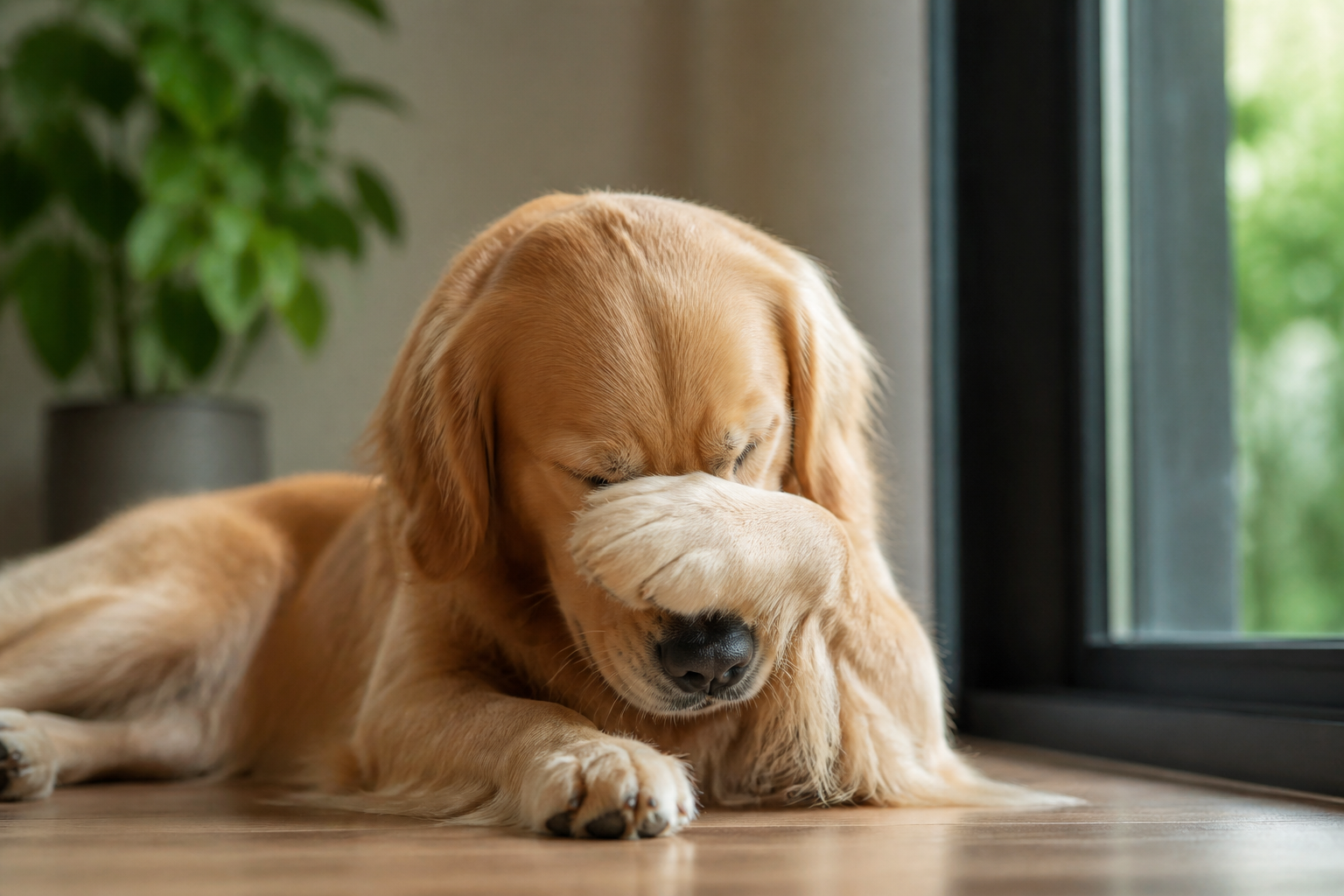
You are sitting on the couch when your dog suddenly starts pawing at their muzzle or rubbing their face vigorously against their front legs. It looks almost like they are trying to wash their face like a cat. While it can be a quirky habit to watch, many owners wonder if it signals a hidden problem. At BaxterBoo, we see this question often from pet parents who want to know if their dog is just being silly or if they are in discomfort. This behavior can range from a simple grooming instinct to a sign of underlying allergies or dental issues. In this post, we will look at the common reasons behind this gesture and how to tell when it is time for a veterinary checkup. Understanding the "why" behind the pawing helps you provide the best care for your furry friend.
Quick Answer: Dogs often brush their face with their paws to relieve an itch, clear away debris after eating, or mark territory using scent glands. However, frequent or aggressive pawing can indicate medical issues like allergies, ear infections, or dental pain that require veterinary attention.
The Instinctual Side: Grooming and Scent Marking
For many dogs, brushing the face is a natural part of their daily routine. Just because they do not have a washcloth does not mean they do not want to be clean. You might notice this behavior most often right after your dog finishes a bowl of wet food or comes in from a walk through tall grass.
Post-Meal Cleanup
Dogs often use their paws to wipe away moisture or food particles from their whiskers and muzzle. This is common in breeds with longer facial hair or "beards," such as Schnauzers or Wirehaired Pointing Griffons. They may also rub their face against the carpet or furniture to achieve the same result. If the behavior only happens for a minute after dinner, it is likely just a hygiene preference.
Scent Communication
Dogs have scent glands located in their paw pads and their cheeks. When they brush their paws against their face, they are essentially mixing these scents together. This creates a unique "scent cocktail" that they use to mark their territory or even their favorite humans. It is a subtle way of saying that you belong to them. This type of rubbing is usually relaxed and accompanied by a wagging tail or "soft" eyes.
Key Takeaway: Occasional face brushing after meals or during a cuddle session is usually a normal grooming or bonding behavior. It is their way of staying clean and communicating through scent.
When Itching Becomes an Issue: Allergies
If the face brushing seems frantic or happens all day long, allergies are the most likely culprit. Just like humans get itchy eyes and runny noses, dogs manifest allergies through their skin. The face is one of the most sensitive areas for these reactions. Explore our dog allergy category for products related to common allergy concerns.
Environmental Triggers
Pollen, dust mites, and mold are common environmental allergens. When a dog inhales these or gets them on their skin, it can cause intense itching around the muzzle and eyes. You might notice the behavior gets worse after a trip to the park or during specific seasons.
Food Sensitivities
Certain proteins or grains in a dog's diet can trigger a skin reaction. This often leads to inflammation in the ears and around the mouth. If your dog is constantly pawing at their face and also has red, itchy paws, a food allergy might be the cause. We often recommend talking to your vet about prescription diets. Our pharmacy carries a variety of prescription pet foods through our partnership with Pet's Choice.
| Type of Allergy | Common Symptoms | Common Triggers |
|---|---|---|
| Environmental | Itchy eyes, sneezing, face rubbing | Pollen, grass, dust, mold |
| Food | Face pawing, ear infections, hot spots | Chicken, beef, dairy, wheat |
| Contact | Red chin, bumps on muzzle | Plastic bowls, floor cleaners |
Vet Tip: If your dog is rubbing their face to the point of losing hair or causing skin sores, they likely need medical intervention. A veterinarian can help determine if an antihistamine or a specialized prescription diet is the right path forward.
Potential Medical Causes for Face Pawing
When a dog brushes their face with their paws, they might be trying to physically "wipe away" pain or discomfort that they cannot reach. Several medical conditions can make a dog feel like something is stuck on or inside their face.
Dental Pain and Oral Issues
A broken tooth, an abscess, or gum disease can cause radiating pain through the jaw. A dog may paw at their cheek or muzzle to try and relieve the pressure. You might also notice bad breath, drooling, or a sudden preference for soft food. Because dental issues can lead to systemic infections, these signs should be taken seriously. For additional guidance, read these pet dental care tips.
Ear Infections
It might seem strange that a dog paws their face when their ear hurts. However, the nerves in the ear and the face are closely linked. Inflammation in the ear canal can make the entire side of the head feel itchy or painful. Watch for head shaking or a persistent odor coming from the ears. You can browse our dog ear care selection for grooming supplies.
Eye Irritation
If your dog is focusing their pawing on their eyes, they could have a foreign object like a grass seed stuck under the eyelid. It could also be a sign of "dry eye" or conjunctivitis.
Key Takeaway: Medical issues like dental disease or ear infections often cause a dog to paw at one specific side of their face. This is a clear signal that the behavior is not just a habit but a response to localized pain.
The Role of External Parasites
Fleas, ticks, and mites are small, but they cause massive irritation. While fleas often congregate near the tail, they can certainly travel to the face. Mites, specifically those that cause mange, often start their work around the eyes and ears. Learn more about available options in the flea and tick collection.
Mange Mites
Demodectic mange is common in puppies and can cause thinning hair and itchy patches around the eyes. Sarcoptic mange, also known as scabies, is extremely itchy and can spread across the entire face. If you see crusty skin or significant hair loss, parasites are a high possibility.
Fleas and Ticks
A single flea bite can cause an allergic reaction in some dogs, leading to intense scratching. Ticks often hide in the folds around the ears or under the chin. Our pharmacy offers a wide selection of FDA-approved flea and tick preventatives to help keep these pests away. We carry both over-the-counter and prescription options to suit your dog's specific needs.
Vet Tip: Check your dog's face and ears daily after they have been outside. Use a fine-tooth flea comb to look for "flea dirt" or small bumps that might indicate a tick has attached itself to the skin.
Anxiety and Behavioral Triggers
Sometimes, the reason a dog brushes their face with their paws has nothing to do with physical itching. It can be an emotional response to their environment.
Self-Soothing and Stress
Some dogs use repetitive motions to calm themselves down. This is similar to a human pacing or biting their nails. If your dog paws at their face during a thunderstorm or when guests are over, they might be feeling anxious. The physical sensation of the paw against the face can provide a small amount of comfort.
Displacement Behavior
In the world of dog training, a displacement behavior is something a dog does when they are conflicted or unsure. For example, if you ask your dog to do a trick they do not quite understand, they might suddenly stop and paw at their face. It is a way of hitting the "reset" button in their brain when they feel a moment of social pressure.
Boredom and Habit
In some cases, a dog learns that pawing at their face gets a reaction from you. If you laugh or give them attention every time they do it, they may continue the behavior simply to keep you engaged. If there are no physical symptoms, try redirecting them with a puzzle toy or a short training session.
Breed-Specific Considerations
Certain breeds are more prone to face rubbing due to their unique anatomy. If you own one of these dogs, you will likely see this behavior more frequently.
Brachycephalic Breeds (Flat-Faced Dogs)
Pugs, Bulldogs, and Frenchies have deep skin folds on their faces. These folds can trap moisture, heat, and bacteria, leading to skin fold dermatitis. This is incredibly itchy and uncomfortable. These dogs will often rub their faces on any available surface to try and scratch between the folds.
Cavalier King Charles Spaniels
This breed is prone to a neurological condition called Chiari-like malformation. This can cause a sensation often described as "phantom scratching." The dog may paw at the air near their head or neck or rub their face because their brain is misinterpreting nerve signals as pain or itching.
Bottom line: Knowing your dog's breed history helps you identify whether face rubbing is a standard breed trait or a sign of a condition that needs veterinary management.
How to Safely Clean Your Dog's Face
If your dog is rubbing their face simply because they are dirty, you can help by establishing a gentle cleaning routine. This reduces their need to use their paws and keeps their skin healthy. For more bathing guidance, see these dos and don'ts for bathing your dog.
Step 1: Choose the right tools. Use a soft, lint-free cloth and lukewarm water. Avoid using human soaps or heavily scented wipes, as these can irritate the sensitive skin around the eyes.
Step 2: Soften any debris. If your dog has "eye boogers" or dried food on their muzzle, do not pull at them. Hold the damp cloth against the area for 30 seconds to soften the crust before gently wiping it away.
Step 3: Clean the folds. For flat-faced breeds, gently lift the skin folds and wipe inside. Make sure to use a dry cloth afterward to remove any lingering moisture, as dampness encourages yeast growth.
Step 4: Check for redness. While cleaning, look for any signs of inflammation, bumps, or an unusual smell. This is the perfect time to catch potential ear or skin infections early.
When to See a Veterinarian
While we love helping you find the right supplies at BaxterBoo, we always prioritize your pet's health. You should schedule an appointment with your vet if you notice any of the following "red flag" symptoms alongside face rubbing:
- Yellow or green discharge from the eyes or ears
- Visible swelling on the gums or muzzle
- Loss of appetite or difficulty chewing food
- Persistent redness or raw skin on the face
- A foul odor coming from the mouth or ears
- Hair loss around the eyes or muzzle
Your veterinarian can perform a thorough exam and run tests like skin scrapings or ear swabs. If your dog needs medication, our pharmacy can work with your vet to fill those prescriptions through our partnership with Pet's Choice. You can explore our dog pharmacy for available products.
Conclusion
Understanding why dogs brush their face with their paws allows you to be a more proactive pet owner. In many cases, it is a harmless behavior linked to grooming, scent marking, or a simple itch. However, when the behavior becomes frequent, frantic, or localized to one spot, it is usually a cry for help regarding a medical issue.
- Normal rubbing is usually brief and happens after eating or sleeping.
- Allergies and parasites are common causes of chronic facial itching.
- Dental and ear issues can cause a dog to paw at their face in pain.
- Always consult a vet for redness, discharge, or behavioral changes.
Bottom line: Pay attention to the context of your dog's face rubbing to distinguish between a "kitty-cat" grooming session and a medical need.
If you are looking for ways to keep your dog's skin and coat healthy, check out our dog grooming supplies. For those managing ongoing health needs, the BaxterBoo Pharmacy is here to help with FDA-approved treatments delivered straight to your door.
FAQ
Why does my dog rub his face on the carpet after he eats?
Most dogs do this to clean their muzzle of food residue or moisture. It can also be a way for them to spread their scent on their favorite spots when they are feeling satisfied after a meal. If there is no redness or skin irritation, it is usually just a quirky hygiene habit.
Can ear mites make a dog paw at their face?
Yes, ear mites are extremely itchy and cause significant irritation in the ear canal. This discomfort often radiates to the face, leading the dog to paw at their ears and cheeks. If you see dark, coffee-ground-like debris in your dog's ears, you should see a vet for a professional diagnosis and treatment.
Is face pawing a sign of a stroke in dogs?
While face pawing is usually related to itching or pain, sudden changes in facial movement or coordination can be neurological. If your dog has a drooping face, is tilting their head, or seems disoriented while pawing, contact an emergency vet immediately. These can be signs of vestibular disease or other serious neurological issues.
How can I tell if my dog has a food allergy?
Food allergies often manifest as chronic ear infections and itchy skin, especially around the face and paws. If your dog is constantly brushing their face with their paws and has red, inflamed skin between their toes, a food sensitivity may be the cause. Your vet may suggest an elimination diet or a prescription food to identify the specific allergen.






