
 Save 15% on your 1st Autoship learn more

 Email us
 Live Chat
 FAQs
FAQs





Introduction
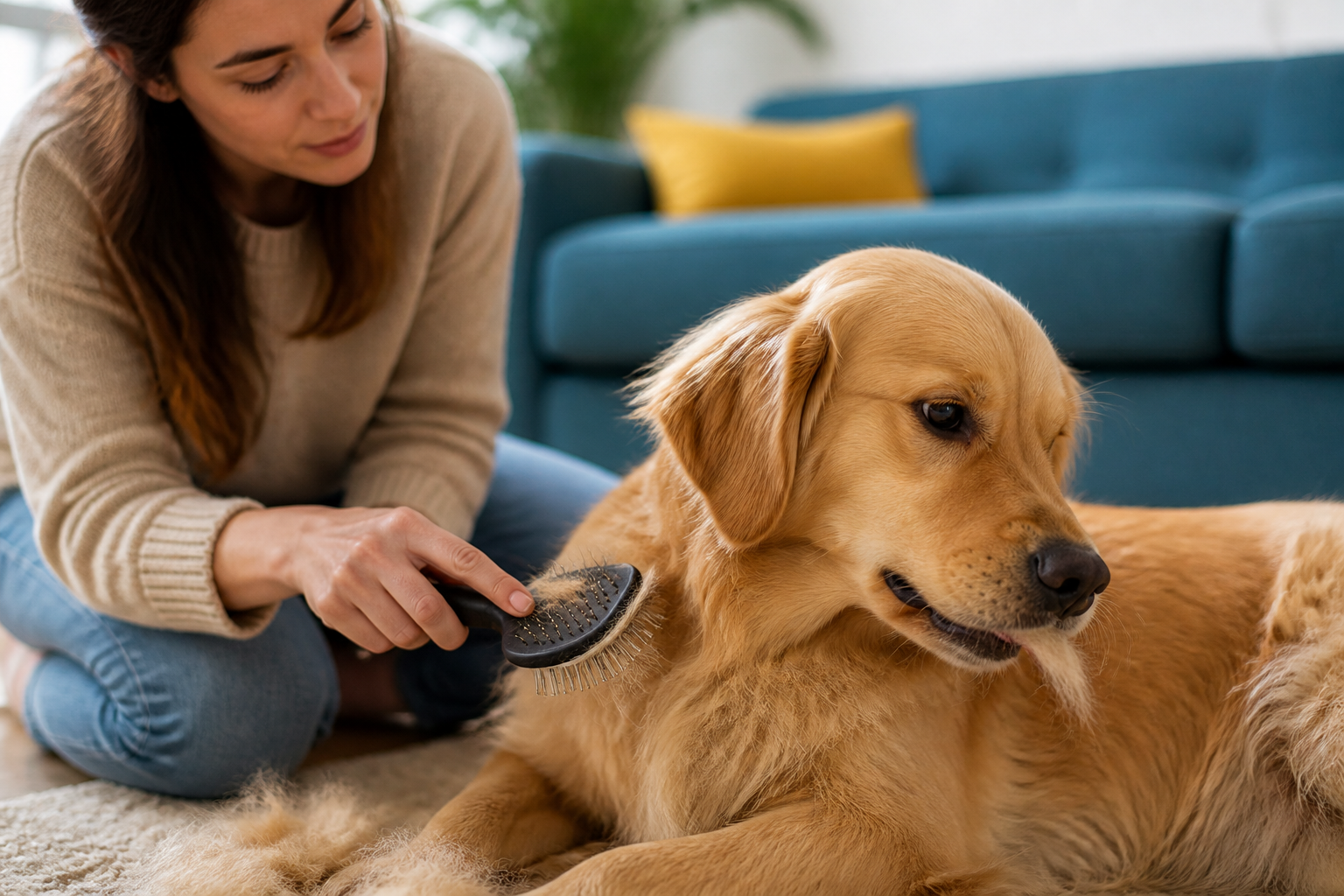
You finish a productive grooming session and look down to see your dog happily munching on the pile of fur you just removed. It is a confusing moment that leaves many owners wondering if their pet is hungry or just strange. This behavior is more common than you might think, but it can lead to serious health concerns if the hair starts to clump in the digestive tract. We see this frequently at BaxterBoo when owners come in looking for grooming solutions for their curious pups. This article covers why dogs eat their fur, the potential health risks like intestinal blockages, and practical ways to stop the habit. Understanding the root cause helps you keep your dog safe and your floors a little cleaner.
The Curiosity of the Grooming Session
Dogs experience the world through their mouths and noses. When you brush your dog, you are pulling away a concentrated source of their own scent. For many dogs, a tuft of loose fur is simply an interesting new object to investigate. Puppies are especially prone to this because they are in a life stage where everything is a potential toy or snack. If the hair moves or floats in the air, it might even trigger a small prey drive response. They see something fuzzy moving and their instinct is to catch it.
Sometimes the behavior starts as a way to get your attention. If you laugh or react strongly the first time your dog eats a clump of hair, they might repeat the action to get another reaction. Dogs are experts at learning which behaviors earn them an interaction with their favorite person. Even a scolding can be seen as a win for a dog who wants to play.
Quick Answer: Dogs usually eat their hair due to natural curiosity, grooming instincts, or a behavioral condition called pica. While it often starts as a simple habit, it can lead to digestive blockages and may signal underlying anxiety or nutritional gaps.
Instinctual Grooming and Cleaning
In the wild, canines are meticulous about their environment. While domestic dogs do not need to hide their scent from predators, some instincts remain. Some dogs may try to "clean up" the loose fur to keep their "den" tidy. This is a misplaced version of the grooming they do on themselves or other members of their pack. You might notice your dog licking the brush or trying to snatch the fur directly from the bristles.
This social grooming is a bonding activity. If your dog licks you or tries to groom you while you brush them, they are showing affection. Eating the hair during this process might just be an accidental part of their attempt to participate in the grooming session. They see you "grooming" them and want to help by disposing of the evidence.
Understanding Pica and Nutritional Needs
Pica is a condition where animals eat non-food items. This can include rocks, dirt, cloth, or fur. If your dog is obsessed with eating hair, it could be a sign that their body is craving something missing from their diet. This does not always mean you are feeding a poor quality food. It could mean your dog has an underlying issue that prevents them from absorbing nutrients correctly.
If your dog has a sudden urge to eat large amounts of hair or other odd items, a checkup is a good idea. We carry a wide variety of high-quality foods at BaxterBoo, but sometimes a specific health condition requires a more targeted approach. If a nutritional gap is suspected, your vet might recommend a prescription diet to ensure your dog gets exactly what they need.
Vet Tip: If your dog compulsively eats non-food items like hair, rocks, or fabric, consult your veterinarian to rule out pica or nutritional deficiencies. They can perform blood work to ensure your dog is absorbing essential minerals and vitamins properly.
Anxiety and Stress Triggers
Grooming can be a stressful experience for some dogs. If your dog is nervous about the brush or the feeling of the bristles, they may develop "displacement behaviors." These are actions a dog does to relieve tension. Much like a human might bite their nails when nervous, a dog might chew on or eat their own hair to soothe themselves.
Stress can also come from the environment. Changes in the household, loud noises, or a lack of routine can make a dog feel unsettled. If they feel anxious during grooming, they might resort to eating the fur as a compulsive coping mechanism. Over time, this can become a hard habit to break.
Our pharmacy carries FDA-approved medications for anxiety through our partnership with Pet's Choice. If your dog's hair eating is part of a larger pattern of nervous behavior, a conversation with your vet about calming support might be the next step. Managing the anxiety often stops the secondary behaviors like eating fur.
Signs of Grooming Stress
- Heavy panting or lip licking
- Whining or trying to hide
- Pinned back ears
- Sudden, frantic attempts to eat the loose fur
The Role of Scent and Shampoo
Your dog’s sense of smell is thousands of times more powerful than yours. If you have recently bathed your dog with a scented shampoo, the loose hair might smell like food. Many pet shampoos use botanical extracts like coconut, vanilla, or citrus. To a dog, these scents can be very enticing.
They may not realize the hair is not a treat if it smells like something delicious. Even the natural oils on their skin can be attractive to them. If the hair has a strong, interesting scent, they are much more likely to try and taste it. If you suspect the shampoo is the culprit, try switching to an unscented or hypoallergenic formula. For additional bathing guidance, read our tips on making your dog's bath more comfortable.
Health Risks of Ingesting Fur
While a tiny bit of hair usually passes through the system without trouble, large amounts are dangerous. Unlike food, hair is not easily broken down by stomach acid. It can tangle together in the stomach or intestines. This forms a mass known as a trichobezoar, or a hairball. While we usually associate hairballs with cats, dogs can get them too.
The biggest risk is a full intestinal blockage. This happens when a mass of hair gets stuck and prevents food and water from moving through the digestive tract. A blockage is a medical emergency that often requires surgery to fix. Monitoring how much your dog is eating is vital for their long-term health.
Symptoms of a Potential Blockage
- Repeated vomiting or gagging
- Loss of appetite
- Lethargy or weakness
- Straining to have a bowel movement
- A painful or swollen abdomen
Bottom line: Eating hair is more than a quirk because it poses a real risk of internal blockages that can require emergency surgery.
Preventing the Behavior During Grooming
The best way to stop a dog from eating their hair is to manage the environment. If there is no loose hair within reach, they cannot eat it. This requires a bit of strategy during your brushing sessions. You want to make the process as boring as possible so the dog does not feel the need to "hunt" the fur.
Keep a trash can or a sealable bag right next to you. As soon as the brush is full, remove the hair and put it away. Do not drop the clumps on the floor. If you are brushing a high-shedding breed, you might need to clear the brush every few strokes. It takes more time, but it keeps your dog safe.
Quick Prevention Steps
- Groom your dog in an elevated area like a grooming table or a sturdy counter.
- Immediately place removed fur into a closed container.
- Use a damp cloth to wipe away stray hairs from the dog's coat after brushing.
- Keep the brush out of reach when you are not actively using it.
The Power of Distraction
If your dog is focused on eating the fur, you need to give them something better to do. A long-lasting chew or a puzzle toy can keep their mouth busy while you work. This is especially helpful for dogs that find grooming stressful. By pairing the brush with a favorite treat, you are also building a positive association with the experience. For more enrichment ideas, explore dog boredom busters involving puzzles and play.
A lick mat is another great tool. You can spread a bit of dog-safe peanut butter or wet food on the mat and let them work on it while you brush their back and sides. This keeps their head facing away from the brush and the loose fur. Most dogs will choose a tasty treat over a clump of dry hair every time.
Training the "Leave It" Command
Training is a long-term solution for many behavioral issues. The "leave it" command is one of the most important things a dog can learn. It tells them to turn away from something they want and focus back on you. You can practice this with toys or treats first, then move on to clumps of fur.
When you see your dog eyeing a tuft of hair, give the command. If they look at you instead of the hair, reward them with a high-value treat. This teaches them that ignoring the fur is much more rewarding than eating it. Consistency is the key to making this stick.
Key Takeaway: Combining physical management of the fur with positive reinforcement and distraction is the most effective way to break the hair-eating habit.
Choosing the Right Grooming Tools
Sometimes the brush itself is the problem. If a brush pulls on the skin or feels sharp, the dog may attack it or the hair it removes. Using high-quality tools makes the process more comfortable. We carry many different styles of brushes at BaxterBoo to suit different coat types. You can compare options in our dog brushes and combs collection.
For dogs with sensitive skin, a rubber curry brush or a soft bristle brush might be better than a wire slicker brush. If the dog is comfortable, they are less likely to react with anxious behaviors like hair eating. Always check your tools for bent pins or sharp edges that could cause irritation.
When to Consult a Professional
If you have tried distractions and management but your dog is still obsessed with eating fur, it is time to call in the experts. A professional trainer can help identify if the behavior is compulsive. They can create a desensitization plan to help your dog feel more relaxed during grooming.
You should also talk to your vet if the behavior is new or accompanied by other symptoms. If your dog is losing hair in patches or has red, itchy skin, they might be eating the hair because the area is uncomfortable. Allergies or skin infections often lead to excessive licking and chewing. Our pharmacy through Pet's Choice offers many options for allergy relief and skin support that require a veterinarian's prescription. You can browse our pet pharmacy when discussing appropriate options with your veterinarian.
The Importance of Routine
Dogs thrive on predictability. If grooming happens at random times and in random places, it can be more stressful. Try to set a schedule for brushing. Maybe you do a quick five minute brush every evening after dinner. When a dog knows what to expect, their anxiety levels drop.
Establish a "grooming spot" in your home. This should be a quiet area with good lighting and no distractions. When your dog goes to this spot, they will understand it is time to work. Over time, the routine becomes a calm part of their day rather than a chaotic event involving flying fur and snatched snacks.
Maintaining Digestive Health
If your dog has already eaten some hair, keep a close eye on their digestion. Ensure they have plenty of fresh water to help move things through their system. Adding a bit of extra fiber to their diet can also help. Some owners use plain canned pumpkin to keep things moving smoothly.
If you notice your dog is lethargic or stopped eating after a grooming session, do not wait. These are early signs of a blockage. It is always better to be safe and get a professional opinion than to wait and risk a serious health crisis.
Vet Tip: For dogs prone to swallowing fur, your vet might recommend a specific fiber supplement or a hairball remedy similar to those used for cats. Never give your dog a supplement without checking with a professional first to ensure the ingredients are safe for canines.
Conclusion
While it might seem like a silly habit, a dog eating their hair is a behavior that deserves your attention. Whether it is driven by curiosity, boredom, or a nutritional need, the physical risks of blockages are real. By using the right tools, keeping your grooming area clean, and using distractions, you can protect your pet from harm. We are here to help you find the best dog grooming supplies and health supplies at BaxterBoo to make every session a success.
- Always clear the brush immediately to keep fur out of reach.
- Use lick mats or chews to provide a positive distraction.
- Monitor for signs of digestive upset like vomiting or lethargy.
- Consult your vet if the behavior seems compulsive or sudden.
If you are concerned about your dog's anxiety or nutritional needs, our pharmacy partnership with Pet's Choice is a great resource for prescription diets and medications. Staying proactive about your dog's grooming and digestive health ensures they stay happy and healthy for years to come.
FAQ
Is it normal for my dog to eat the hair I brush off?
It is a common behavior, but it is not considered healthy or "normal" in the sense that it should be encouraged. Many dogs do it out of curiosity or a misplaced grooming instinct, but it can lead to dangerous intestinal blockages. It is best to prevent the behavior by keeping the loose fur out of your dog's reach.
Can eating hair cause a blockage in dogs?
Yes, hair is made of keratin and is very difficult for a dog's stomach to digest. If they swallow a large amount, it can clump together in the stomach or intestines and create a physical obstruction. This is a serious medical condition that often requires surgical intervention to save the dog's life.
Should I be worried if my dog licks the brush?
Licking the brush is usually a sign of curiosity or a desire to participate in the grooming process. While a few licks are harmless, it can lead to the dog accidentally swallowing clumps of fur. It is better to redirect their attention to a toy or a lick mat to keep their mouth busy and away from the grooming tools.
How do I stop my dog from snatching the fur?
The most effective way to stop this is to manage the environment by immediately putting the fur into a closed trash can or bag. You can also use high-value treats to reward them for the "leave it" command. Providing a distraction, like a stuffed toy or a chew, during the grooming session can also keep their focus off the loose hair.






