
 Save 15% on your 1st Autoship learn more

 Email us
 Live Chat
 FAQs
FAQs





Introduction
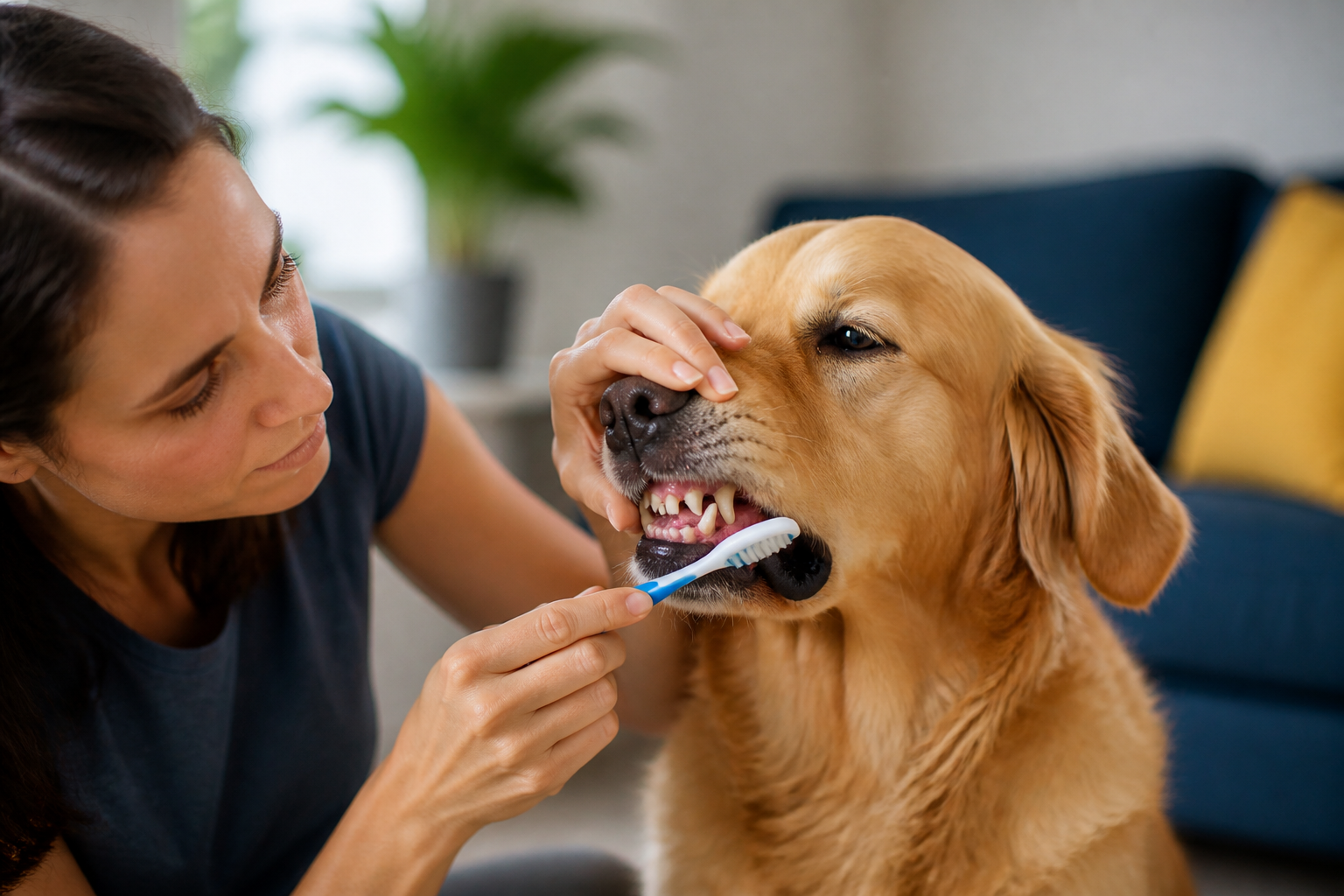
You are standing at the bathroom sink with your dog. You just finished a quick brushing session when you notice a pink tinge on the toothbrush bristles. Maybe there is a small smear of blood on your dog's canine tooth. It is a moment that can make any pet owner’s heart sink. Seeing blood in your dog's mouth feels like a sign that something is wrong. At BaxterBoo, we understand that worry because we are pet owners too. We see this question often from our community members who are trying their best to stay on top of oral hygiene.
This article will help you understand exactly why those gums are bleeding and what you can do about it. We will cover the common causes of oral sensitivity and how to distinguish between a minor irritation and a serious health issue. Understanding these signs is the first step toward a healthier, happier life for your pup.
The Most Common Culprit: Gingivitis
Gingivitis is the technical term for gum inflammation. It is the most frequent reason a dog's gums bleed during brushing. Just like humans, dogs develop a sticky film on their teeth called plaque. Plaque is made of bacteria and saliva. If it is not brushed away daily, it begins to irritate the delicate tissue of the gums.
When the gums are irritated, they become more sensitive to touch. This is why you see blood when the toothbrush makes contact. The bristles are simply rubbing against tissue that is already red and angry. If you catch gingivitis early, it is usually reversible with consistent care.
Quick Answer: Your dog's gums are likely bleeding because of gingivitis caused by plaque buildup. When bacteria sit along the gumline, they cause inflammation that makes the tissue fragile and prone to bleeding during contact with a toothbrush or chew toy.
How Plaque Becomes a Problem
Plaque is soft and easy to remove at first. However, if it stays on the tooth for more than a few days, it reacts with minerals in your dog's saliva. This process causes the plaque to harden into tartar, which is also known as calculus. You cannot brush tartar away with a standard toothbrush. It requires professional tools to remove.
Tartar provides a rough surface that allows even more bacteria to grow. This cycle leads to deeper inflammation. If you see hard, brown, or yellow deposits near the gumline, your dog has moved past simple plaque into the tartar stage.
Signs of Gum Inflammation
- Gums that look bright red rather than a healthy light pink.
- Swelling or puffiness along the edges of the teeth.
- A foul odor that is much stronger than typical "dog breath."
- Bleeding when your dog plays with a rope toy or eats hard kibble.
For more guidance on recognizing dental problems, read about warning signs of bad teeth in dogs.
Moving Toward Periodontal Disease
If gingivitis is left untreated, it can progress into periodontal disease. This is a much more serious condition. While gingivitis only affects the surface of the gums, periodontal disease attacks the structures that hold the teeth in place. This includes the ligaments and the jawbone itself.
At this stage, bleeding becomes more frequent. You might notice that the gums are actually pulling away from the teeth. This creates small pockets where even more bacteria can hide. Periodontal disease is the leading cause of tooth loss in adult dogs.
Key Takeaway: Bleeding is often the first warning sign of dental disease. Addressing it now can prevent the loss of teeth and the destruction of the jawbone later in your dog's life.
The Systemic Risk
Oral health is not just about the mouth. When your dog has infected, bleeding gums, bacteria can enter the bloodstream. These bacteria can travel to vital organs like the heart, liver, and kidneys. This is why we emphasize dental care so heavily. A clean mouth supports a healthy heart.
If your dog’s dental disease has reached a severe stage, your veterinarian might prescribe specific medications. Our pharmacy carries FDA-approved medications and prescription pet foods through our partnership with Pet's Choice. These products can help manage the underlying infections and support recovery after a professional dental procedure.
Puppy Teething and Oral Bleeding
If you have a young puppy, the reason for bleeding might be much simpler. Puppies lose their deciduous teeth between four and six months of age. As the adult teeth push through the gums, it causes natural irritation and minor bleeding.
You might find small spots of blood on a chew toy or notice a metallic smell in their mouth. This is usually a normal part of the growing process. However, it is still a good time to get them used to having their mouth handled.
For more information about this stage, see our guide to when dogs lose their puppy teeth.
How to Help a Teething Puppy
- Provide soft rubber toys that can be chilled in the freezer.
- Avoid very hard nylon bones that might break a fragile puppy tooth.
- Check their mouth regularly to ensure adult teeth are coming in straight.
- Use a very soft finger brush to gently massage the gums.
Vet Tip: If your puppy has "retained" teeth where the baby tooth refuses to fall out as the adult tooth grows in, consult your veterinarian. These can cause crowding and trap bacteria, leading to early-onset gum disease.
Trauma and Foreign Objects
Sometimes the bleeding has nothing to do with disease. Dogs explore the world with their mouths. They chew on sticks, rocks, and various household items. A sharp edge on a stick can easily slice the gum tissue. This results in sudden bleeding during a brushing session.
Foreign objects can also get stuck. A small splinter or a piece of a plastic toy can become wedged between the teeth or under the gumline. This causes localized inflammation and bleeding.
Checking for Oral Injuries
If the bleeding seems to be coming from only one spot rather than the entire gumline, look closer. Check for:
- Small cuts or lacerations on the cheek or tongue.
- Splinters or debris stuck in the "pockets" of the gums.
- Cracked or fractured teeth that might have exposed roots.
- Hair or carpet fibers wrapped around the base of a tooth.
When Bleeding Gums Signal an Emergency
While most bleeding is related to dental hygiene, there are times when it indicates a systemic medical emergency. If the bleeding is spontaneous and does not stop, or if you see bruising elsewhere on the body, this is a serious concern.
Systemic issues like clotting disorders or ingestion of certain toxins can cause gums to bleed. For example, some types of rodent poison interfere with a dog's ability to clot blood. This often shows up first as bleeding in the mouth or nose.
Red Flags to Watch For
- Gums that look pale, white, or blue instead of pink.
- Small purple or red spots on the gums called petechiae.
- Blood in the urine or stool.
- A sudden lack of energy or collapse.
- Bleeding that continues for more than a minute after you stop brushing.
Vet Tip: If your dog's gums are pale or the bleeding is excessive and spontaneous, do not wait. Seek immediate veterinary care. This could indicate internal bleeding, toxicity, or a severe blood disorder.
How to Brush Without Causing Pain
If your dog has sensitive gums, your current brushing technique might be too aggressive. You want to remove plaque without scratching the tissue. Using the right tools and a gentle touch will make the process more comfortable for both of you.
At BaxterBoo, we offer a wide range of dental and breath care supplies for dogs designed specifically for sensitive mouths. Choosing a brush with the right texture is essential for success.
Step-by-Step: Brushing Sensitive Gums
Step 1: Choose a soft brush. / Use a brush with soft nylon bristles or a silicone finger brush. Avoid firm brushes until the inflammation has subsided.
Step 2: Use dog-specific toothpaste. / Never use human toothpaste. It contains xylitol or fluoride, which are toxic to dogs. Use an enzymatic paste that breaks down plaque chemically.
Step 3: Angle the bristles. / Hold the brush at a 45-degree angle toward the gumline. This allows the bristles to reach slightly under the edge of the gum.
Step 4: Use circular motions. / Do not scrub back and forth harshly. Use small, gentle circles to buff away the plaque.
Step 5: Keep it short. / If the gums start to bleed, stop for the day. You do not want to create a negative association with the toothbrush.
Our guide to pet dental care tips also covers introducing oral care gradually and building a consistent brushing routine.
Tools to Support Oral Health
Brushing is the gold standard, but it is not the only way to keep a mouth clean. If your dog’s gums are too sensitive for daily brushing, you can use other methods to reduce the bacterial load.
Dental Chews and Toys
Certain toys are designed to scrape the teeth as the dog chews. The mechanical action helps pull plaque away from the gumline. Look for chews that are appropriately sized for your dog. A chew that is too small can be a choking hazard, while one that is too hard can fracture a tooth.
You can explore our dog dental chews and treats for options that support a daily oral-care routine.
Water Additives and Gels
Oral rinses and water additives can help change the pH balance of the mouth. This makes it harder for bacteria to thrive. These are excellent options for dogs who will not tolerate a toothbrush. Dental gels can be applied to the gums with a finger and do not require scrubbing to be effective.
Dietary Support
Some prescription diets are formulated with a specific kibble structure. The kibble does not shatter when the dog bites it. Instead, the tooth sinks into the piece, allowing the fibers to scrub the tooth surface. If your vet recommends a prescription dental diet, you can often find it through our pharmacy partnership.
| Product Type | How it Works | Best For |
|---|---|---|
| Enzymatic Toothpaste | Uses enzymes to dissolve plaque. | Daily maintenance and deep cleaning. |
| Dental Chews | Mechanical scrubbing through chewing. | Dogs who love treats and active chewers. |
| Water Additives | Reduces bacteria in the saliva. | Picky dogs or owners with busy schedules. |
| Dental Gels | Coats gums to soothe and protect. | Dogs with active gingivitis and sensitivity. |
Bottom line: A multi-pronged approach using brushing, chews, and additives provides the best protection against gum disease.
The Role of Professional Dental Cleanings
Even with perfect at-home care, most dogs will eventually need a professional cleaning. A veterinarian can clean below the gumline in ways that are impossible at home. They also take dental X-rays to look for abscesses or bone loss that you cannot see from the outside.
A professional cleaning usually requires anesthesia. This allows the vet to scale and polish every surface of the tooth without causing stress or pain to the dog. It is a vital part of long-term health management.
Preparing for a Dental Procedure
If your dog is scheduled for a cleaning, your vet may perform blood work first. This ensures that your dog's liver and kidneys can handle the anesthesia. After the cleaning, your dog might need a few days of soft food or even a course of antibiotics if the infection was severe.
We can help you manage this recovery period. Our Autoship programme is a great way to ensure you have soft food and dental recovery treats delivered right to your door. This helps you focus on your dog's healing instead of running to the store.
Developing a Routine for Success
The goal is to make dental care a non-event in your household. It should be as routine as going for a walk or filling the water bowl. If you are consistent, the inflammation will decrease, and the bleeding will stop.
Consistency is Key
Brushing once a month does very little for a dog's mouth. Plaque hardens into tartar in as little as 48 to 72 hours. You should aim to brush at least three times a week, though daily is the gold standard.
If you make it a positive experience, your dog will eventually look forward to it. Use a flavor of toothpaste they enjoy, such as poultry or beef. Always follow up a brushing session with praise or a dental-friendly reward.
A Daily Dental Checklist
- Check the gums for new redness or swelling.
- Brush for at least sixty seconds, focusing on the back molars.
- Provide one dental chew or toy to encourage natural cleaning.
- Add a dental supplement or water additive to the daily routine.
When to Consult Your Veterinarian
If you have improved your brushing technique and are using the right tools, but the bleeding persists, it is time for a professional opinion. A veterinarian can determine if there is an underlying issue that requires medical intervention.
Chronic gum bleeding is not something a dog should live with. It causes constant, low-level pain that can affect their mood and appetite. Getting a diagnosis early can save your dog from significant discomfort.
Questions to Ask Your Vet
- What stage of dental disease does my dog currently have?
- Are there any teeth that appear loose or fractured?
- Do you recommend a professional cleaning under anesthesia?
- Should we consider a prescription diet or specific oral medications?
Key Takeaway: You are your dog's best advocate. By noticing the bleeding early and seeking help, you are preventing years of potential pain and complicated health issues.
Creating a Healthier Future
Managing your dog's oral health is one of the best things you can do for their overall longevity. While seeing blood on a toothbrush is startling, it is usually a manageable problem. By combining gentle brushing, the right dental products, and regular veterinary checkups, you can keep your dog's mouth healthy and pain-free.
At BaxterBoo, we are committed to providing the tools you need to succeed. From soft-bristled brushes to the highest quality dental treats, we curate our selection to ensure your pet gets the best care possible. We have been helping pet owners since 2006, and we know that a little bit of prevention goes a long way.
Conclusion
Bleeding gums are a clear signal from your dog's body that the oral environment needs attention. Whether the cause is early-stage gingivitis, puppy teething, or more advanced periodontal disease, the solution starts with you. Focus on gentle, consistent care and do not hesitate to involve your veterinarian if the bleeding persists.
Healthy gums should be firm, pink, and resilient. With the right routine, you can get your dog's mouth back to that healthy state. Take a look at our dental care category to find the perfect toothbrush and paste for your pup. You can also earn rewards on every purchase through the MVP Rewards programme, making it easier to stay consistent with your dog's health needs.
Bottom line: Bleeding during brushing is common but not normal. It is a call to action for better oral hygiene and professional veterinary guidance.
FAQ
Why do my dog's gums bleed every time I brush?
The most likely cause is gingivitis, which is inflammation caused by plaque buildup along the gumline. When the gums are inflamed, the tissue becomes very thin and fragile, leading to bleeding even with light pressure. If the bleeding happens every time, it suggests that the inflammation is chronic and may require a professional cleaning by a veterinarian to resolve.
Can I use human toothpaste on my dog if their gums are bleeding?
No, you should never use human toothpaste on a dog. Human toothpaste contains ingredients like xylitol, fluoride, and foaming agents that are toxic if swallowed. Since dogs cannot spit, they ingest everything you put in their mouth. Use an enzymatic toothpaste formulated specifically for pets, which is safe to swallow and helps break down plaque chemically.
How can I tell if the bleeding is a dental emergency?
If the bleeding is spontaneous, meaning it starts without any brushing or chewing, it is more concerning. You should also look for other symptoms like extremely pale or blue gums, small purple spots on the gum tissue, or bleeding from other areas like the nose. If the bleeding does not stop after a minute of gentle pressure, or if your dog seems lethargic, contact an emergency veterinarian immediately.
Will dental chews fix my dog's bleeding gums?
Dental chews are a helpful tool for preventing plaque buildup, but they cannot cure advanced gum disease or remove hardened tartar. If your dog's gums are already bleeding, chews might actually cause more irritation in the short term. It is best to use chews as a preventative measure alongside regular brushing and professional veterinary exams rather than a standalone cure.






