Save 15% on your 1st Autoship learn more

 Email us
 Live Chat
 FAQs
FAQs





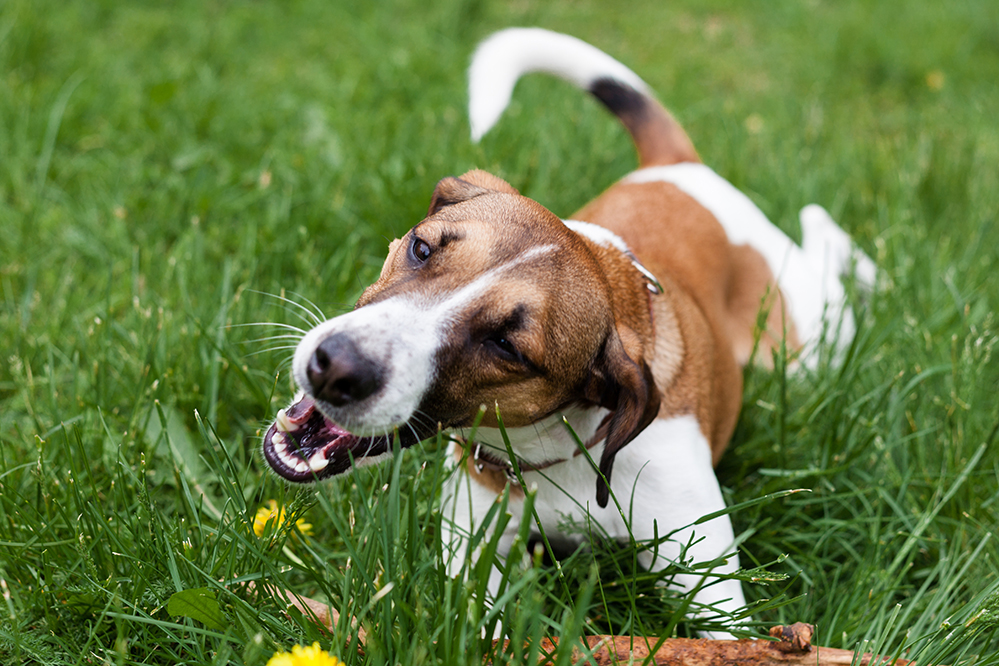
Pica is a name for a condition of eating things other than food. It can affect both human beings and dogs. Pica in dogs often takes the form of eating grass. From a human point of view, a dog eating grass may seem strange, even alarming. However, it is so common in dogs that researchers have begun to theorize that it may be a normal behavioral response for them.
Nevertheless, you may have very good reasons for not wanting your dog to graze on your lawn. Fortunately, there are things you can do to put a stop to this behavior.
Is Eating Grass Dangerous for Dogs?
Grass itself is not dangerous for dogs to consume. It does not cause them any long-term harm. In about 25% of cases in which dogs eat grass, it upsets their stomach and causes them to vomit. If you do not your dog to eat grass because of the chance that he might throw up, that is perfectly reasonable, but the vomiting itself has no long-term ill effects, and most dogs digest the grass they eat successfully.
While the grass itself is not hazardous to dogs, many lawns have been treated with chemicals to kill weeds and control pests. If your dog eats treated grass, she may inadvertently consume the chemicals as well, which can be toxic for dogs. This is another good reason to try to break your dog of the habit of eating grass because even if you do not treat your own lawn, you and your dog may visit someplace where the grass has been treated.
Why Do Dogs Eat Grass?
No one really knows why dogs eat grass. It could be that different dogs have individual reasons for doing so. There are several different theories that try to explain this behavior:
1. The most common explanation is that dogs with stomach complaints eat grass to induce vomiting to make themselves feel better. This theory has been challenged in recent years. One argument is that dogs do not have the reasoning capacity to figure out that eating grass may make their stomachs feel better by inducing vomiting, but this seems to disregard that the behavior could be instinctual. Another argument against this theory is that most dogs do not throw up after eating grass.
2. Another theory is that dogs eat grass because they have a nutritional deficiency in their diets that they are trying to make up for. Specifically, it has been suggested that a lack of fiber, which helps to promote healthy intestinal function, could drive dogs to eat grass.
3. Some people believe that some dogs don't eat grass to fill a nutritional need but just because they like the taste and the texture of it. Dogs aren't obligate carnivores; rather, they are omnivores with a preference for meat. For some dogs, a little salad once in a while in the form of eating grass can seem like a special treat.
4. Finally, dogs may eat grass out of boredom. A lack of mental stimulation can cause dogs to turn to destructive activities just to occupy their minds, and when they are outside, this tendency may manifest as eating grass.
How Can You Stop Your Dog From Eating Grass?
Whenever your dog is exhibiting a symptom or behavior that is worrisome to you, it is always a good idea to talk to your veterinarian about it. Your vet may be able to confirm or rule out a medical problem that may be prompting your dog's behavior and suggest treatments as necessary.
For example, if your dog seems to have a persistent stomach problem, your vet may recommend a dietary supplement that helps to support digestive health. If the problem seems to be a deficiency of fiber, your vet may suggest that you switch your pet to a dog food that is high in fiber.
If your dog seems to be eating grass out of boredom, she may need more exercise. You may have to take her out on her leash for longer walks or take her for walks more often. If you do not walk your dog every day, this is a good goal to strive for. You may also want to take your pet to a dog park on occasion to run around off-leash for a while. While at the dog park, your pet may have the opportunity to meet and play with other dogs, which may help to satisfy her need for mental stimulation.
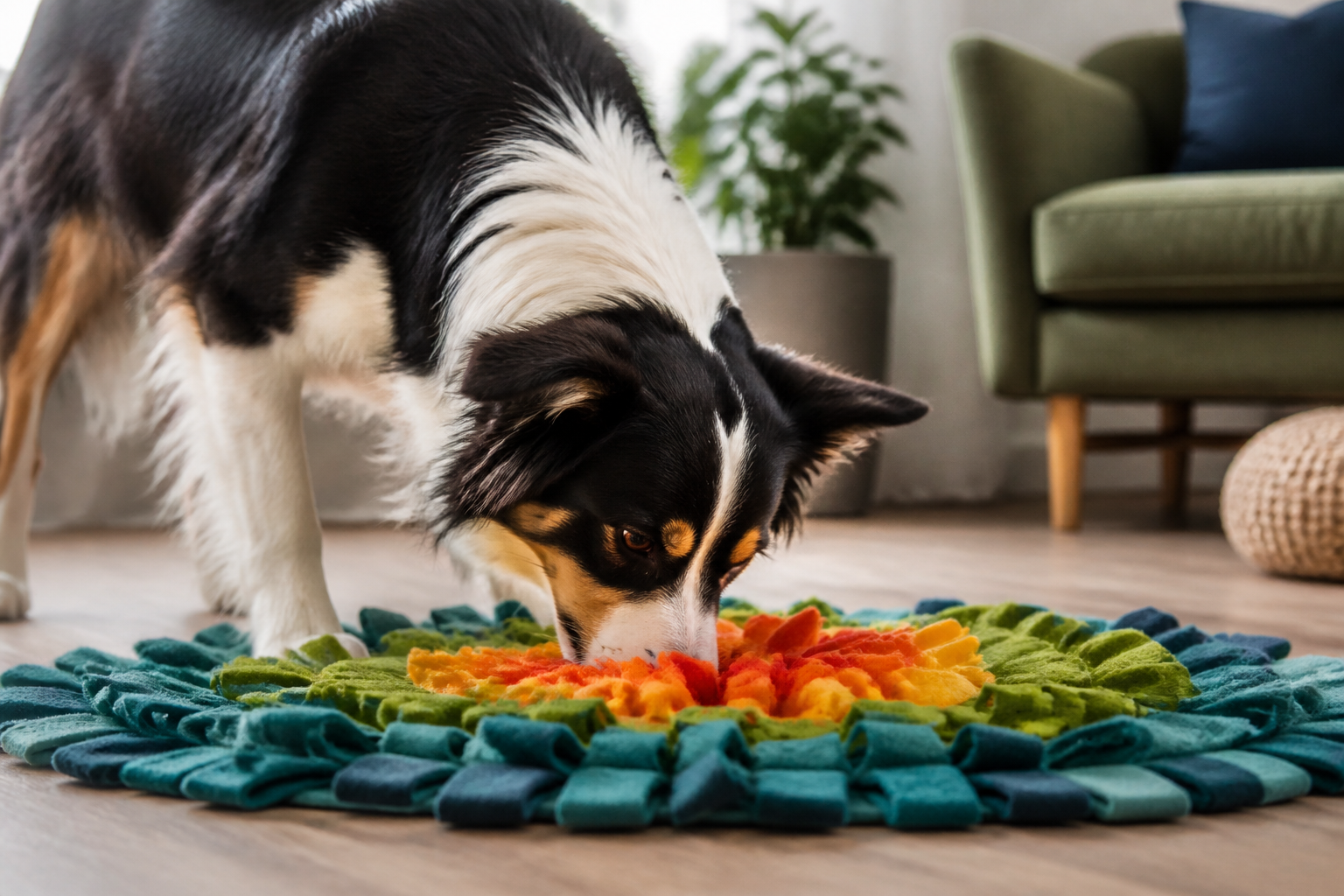
If the problem seems to be a lack of mental stimulation, it may help to give your dog a food puzzle toy to play with. This type of toy requires your dog to apply problem-solving skills, and the smell of the treats inside helps to keep him motivated. When he solves the puzzle and gets the treats, he is rewarded for his efforts, which provides positive reinforcement for him to keep trying in the future. A good food puzzle is challenging enough that your dog should have to invest some time in it but not so challenging that he gives up.
If your dog seems to be eating grass just because she likes the taste of it, you can give her an alternative to keep from tearing up your lawn. Wheatgrass is an herb that you can grow inside the house. It is completely safe for your dog to eat. You can direct her to the wheatgrass instead of the lawn, praising and rewarding her when she goes to it of her own volition.
Your dog eating grass may not be as alarming as it seems, but there are ways you can discourage the behavior if you don't like it.