
 Save 15% on your 1st Autoship learn more

 Email us
 Live Chat
 FAQs
FAQs





Introduction
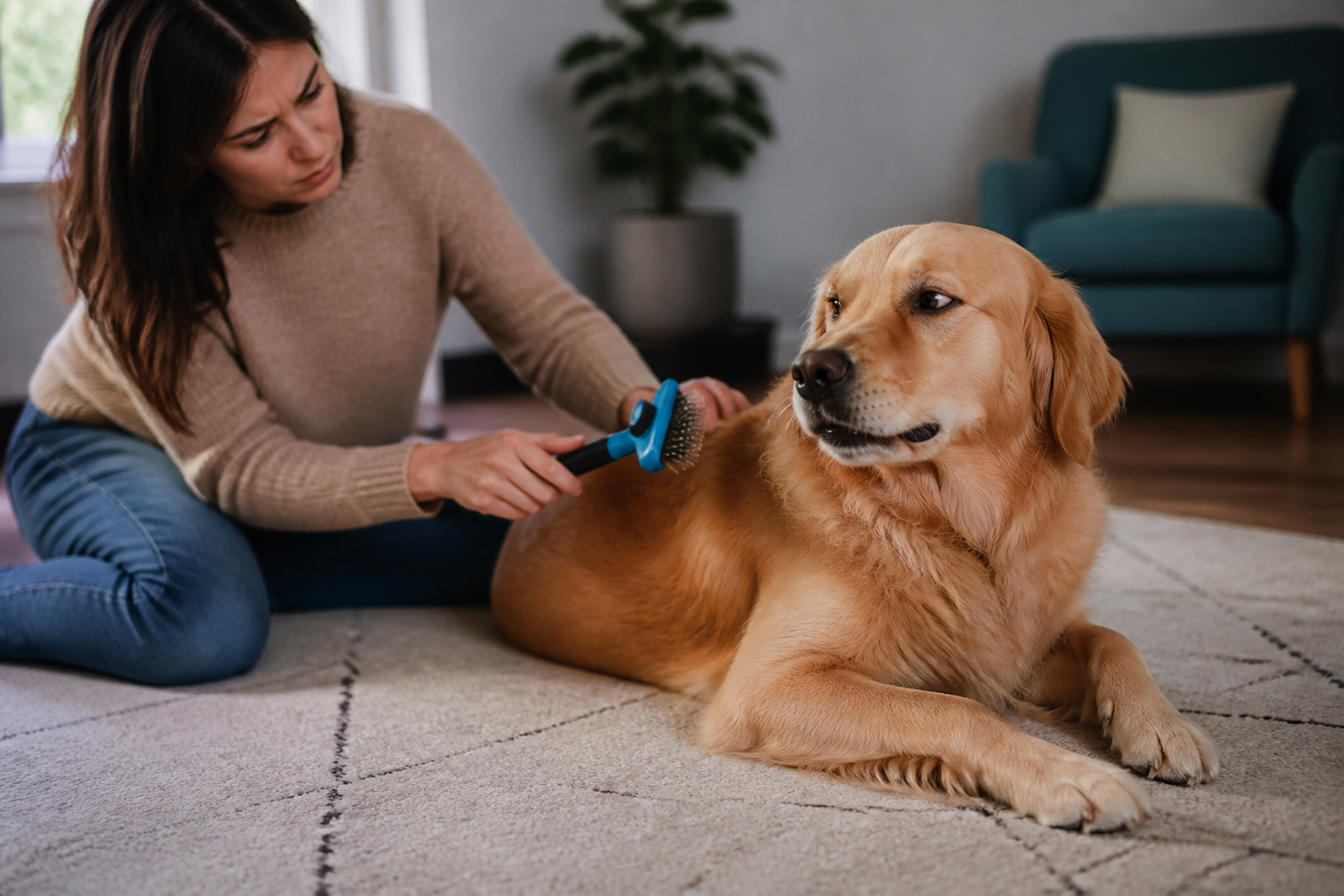
You pull the brush out of the cabinet and hear the immediate sound of paws scurrying across the hardwood. By the time you turn around, your dog is tucked under the dining room table or hiding behind the sofa. It is a frustrating scene that many pet owners face. You know that grooming is essential for their health, but your dog treats the brush like a sworn enemy.
At BaxterBoo, we have talked to countless owners who feel like they are losing the battle with the brush. This resistance usually stems from a mix of physical discomfort, past bad experiences, or simple overstimulation. Understanding the specific reason your dog reacts this way is the first step toward a calmer routine. We will explore the common triggers for grooming anxiety and provide practical ways to turn brush time into a bonding experience.
Quick Answer: Most dogs dislike being brushed because of physical pain from mats, skin sensitivity, or fear rooted in past negative experiences. You can fix this by using high-value treats, shorter sessions, and the correct tools for your dog's specific coat type.
The Physical Reality of Grooming Pain
The most common reason a dog fights the brush is straightforward: it hurts. If your dog has a long or curly coat, they are prone to matting. Mats are not just messy tangles. They are tight clumps of hair that pull on the skin every time the dog moves. When you run a brush through a mat, you are essentially tugging on their skin with metal or plastic teeth.
Some dogs also have naturally sensitive skin. Brushes with sharp metal pins can scratch the skin if used with too much pressure. This creates a negative association where the dog expects a stinging sensation as soon as the grooming tool appears.
Dealing with Mats and Tangles
If you find a mat, do not try to pull the brush through it. This will only reinforce your dog's fear. Instead, use your fingers to gently pull the hair apart. You can also use a specialized detangling spray to help the hair slide.
You can find tools designed for different coat types in our dog brushes and combs collection.
Skin Sensitivity Issues
Short-haired breeds or those with thin skin often find stiff slicker brushes uncomfortable. If your dog flinches when the brush touches their back, the bristles might be too harsh. A soft bristle brush or a rubber grooming mitt is often a better choice for these sensitive pups.
Key Takeaway: Pain is the primary driver of grooming avoidance. Always check for mats and use a light touch to ensure you are not scratching your dog’s skin.
Environmental and Sensory Triggers
Dogs experience the world through their senses much more intensely than we do. The grooming process involves a lot of strange sensations. There is the sound of the brush moving through the hair, the smell of grooming sprays, and the feeling of being restrained.
For a nervous dog, the sound of a slicker brush "clicking" through tangles can be scary. They might also dislike the vibration of certain tools. If you are grooming them on a slippery floor, they may feel unstable. This lack of traction makes them feel vulnerable, which leads to a desire to escape.
The Problem with Restraint
Many owners try to hold their dog down to finish the job quickly. This usually backfires. When a dog feels trapped, their "flight" instinct is blocked, which can lead to "fight" behaviors like growling or snapping. We recommend letting the dog stand or sit naturally on a non-slip mat or a rug.
For more ideas about making grooming and bathing less stressful, read these dos and don'ts for bathing your dog.
Scent and Sound
Try to keep the environment quiet. If you use a spray, do not spray it directly onto the dog. Instead, spray it onto the brush or your hands first. This prevents the sudden "hissing" sound and the cold wet sensation that often startles them.
Past Experiences and Fear
Dogs have incredible memories when it comes to discomfort. If a previous groomer was too rough or if you accidentally nipped their skin in the past, they will remember. This is especially true for puppies. A single scary event during the socialization window can leave a lasting impression.
Fear can also come from a lack of exposure. If a dog only sees a brush once every three months, it remains a "weird object." Regular, low-pressure exposure is the only way to build familiarity.
Overcoming Previous Trauma
If your dog has a history of bad grooming, you have to start from zero. This means putting the brush on the floor and giving them a treat just for looking at it. You are not even brushing them yet. You are just teaching them that the brush is a "treat dispenser."
Building a New Routine
- Set a consistent time for grooming.
- Keep sessions under two minutes at first.
- Use a specific high-value treat that they only get during brushing.
- Stop before the dog gets stressed.
Vet Tip: If your dog becomes aggressive or shows extreme signs of terror during grooming, consult a professional trainer or your veterinarian. They can help determine if the behavior is rooted in deep-seated phobia or a medical issue that needs professional intervention.
Underlying Medical Conditions
Sometimes, a dog’s dislike of brushing is a symptom of a health problem. Senior dogs often suffer from arthritis or joint stiffness. Being handled or forced to stand in one position can be painful for them. If you notice your dog yelps or snaps when you brush near their hips or lower back, it might be joint pain rather than the brush itself.
Skin allergies can also make the skin tender and inflamed. Brushing over an allergic hot spot feels like rubbing sandpaper on a sunburn. Ear infections are another hidden cause. If you brush near the ears and the dog reacts violently, they may have internal inflammation.
For more information about caring for dogs with mobility concerns, read this guide to dog arthritis injections and pain management.
The Role of Our Pharmacy
If you suspect your dog has underlying pain, we recommend speaking with your veterinarian. Our pet pharmacy offers a wide range of FDA-approved medications and prescription diets through our partnership with Pet's Choice. We carry supplements like Cosequin and Senilife to support joint health and cognitive function in aging pets.
If your vet prescribes a medication for skin allergies or joint inflammation, you can easily fulfill that prescription through us. Managing the physical pain is often the only way to make grooming tolerable for a senior or sensitive dog again.
Bottom line: Medical issues like arthritis or skin infections can make brushing unbearable, so always rule out health problems with your vet.
Choosing the Best Tools for Your Dog
Using the wrong tool is a frequent mistake. A brush that works for a Golden Retriever will be useless and potentially painful for a Greyhound. At BaxterBoo, we carry a wide variety of brands like Kong and RC Pets that offer different textures and styles for various coat types.
| Brush Type | Best For | Why Dogs Like It |
|---|---|---|
| Rubber Curry Brush | Short hair, shedding | Feels like a massage; no sharp edges. |
| Soft Bristle Brush | Thin coats, puppies | Very gentle on the skin; removes surface dust. |
| Grooming Glove | Anxious dogs | Mimics the feeling of being petted. |
| Wide-Tooth Comb | Long hair, curls | Great for finding mats without pulling. |
| Slicker Brush | Double coats, thick hair | Removes dead undercoat efficiently when used gently. |
The Magic of the Grooming Glove
For dogs that are truly terrified of brushes, a grooming glove is a fantastic transition tool. You wear the glove and pet your dog as you normally would. The rubber nubs on the palm pick up loose hair while the dog thinks they are just getting a cuddle. It is an excellent way to desensitize a fearful pet.
For a brush that combines grooming with a gentler massage, consider the Pet Life Shampoo Dispensing Massage and Bathing Brush.
Using the Right Comb
A metal comb is essential for long-haired breeds. It allows you to get all the way down to the skin to ensure no mats are forming. However, you must be careful. Always place your thumb between the comb and the dog's skin to act as a buffer if you hit a snag.
Training Your Dog to Accept the Brush
Training is about communication. You want to tell your dog that staying still leads to good things. We suggest using a method called "touch and treat."
Step 1: Show the brush. / Give your dog a treat the second they look at it.
Step 2: Touch the brush to their side. / Do not move it. Just touch and then give a treat.
Step 3: One single stroke. / Move the brush just an inch or two, then offer a high-value reward.
Step 4: Increase duration. / Gradually add more strokes before giving the treat.
The Power of Distraction
Lick mats are a secret weapon for home grooming. Smear some peanut butter or plain yogurt on a silicone lick mat and stick it to the wall or floor. While your dog is focused on licking, you can gently brush their coat. Most dogs will be so occupied that they barely notice the grooming.
Handling Sensitive Areas
Most dogs hate having their paws, tail, or face touched. Save these areas for the very end of the session. If your dog is already tired of the process, skip them and try again tomorrow. Forcing the issue will only lead to a bigger fight next time.
- Start with the shoulders and back.
- Move to the sides and chest.
- Handle paws only when the dog is relaxed.
- Reward heavily after touching "forbidden" zones.
Key Takeaway: Use distraction and incremental steps to build a positive association with the brush over several weeks.
Managing Shedding and Maintenance
A dog that is brushed regularly will have fewer mats. This makes each session shorter and less painful. If you let months go by, the task becomes a marathon of pulling and tugging. Consistency is your best friend.
For heavy shedders, using a de-shedding tool can help. These tools remove the dead undercoat before it can tangle. However, do not over-use them. Using a de-shedding tool too often or with too much pressure can cause "brush burn," which is a painful skin irritation.
The Importance of Bathing
Sometimes a good bath can make brushing easier. Using a high-quality conditioner helps to loosen the undercoat and flatten the hair cuticle. This makes the brush glide through the hair much more smoothly. We carry several brands of soothing shampoos and conditioners that are gentle on sensitive skin.
For additional coat-care guidance, read how to groom a dog with curly hair.
Professional Support
If your dog is already severely matted, do not try to fix it yourself. Professional groomers have the tools and experience to remove mats safely. Trying to cut them out with scissors at home is dangerous and often results in skin cuts. Once the professional has "reset" the coat, you can start your positive reinforcement routine at home.
You can find shampoos, conditioners, brushes, and other supplies in our full dog grooming collection.
Bottom line: Regular maintenance prevents the painful tangles that make dogs hate brushing in the first place.
Senior Dog Considerations
As dogs age, their skin loses elasticity and their bones may become more prominent. Brushing over a bony hip or spine can be uncomfortable. For senior dogs, we recommend switching to the softest brush possible.
Cognitive Decline and Sensitivity
Senior dogs may also experience cognitive changes. They might become more easily startled or confused by the grooming process. Keep everything very predictable. Groom them in the same spot at the same time every day.
Pharmacy Support for Seniors
Our pharmacy partnership with Pet's Choice is particularly helpful for senior pet owners. If your vet recommends a specific medicated wash or a prescription joint supplement, you can have it delivered directly to your door. Keeping your senior dog comfortable in their body is the best way to keep them calm on the grooming table.
Conclusion
A dog that runs from the brush is not being "bad." They are usually trying to avoid pain or a situation that makes them feel unsafe. By identifying the root cause—whether it is mats, sensitive skin, or an underlying medical issue—you can change your approach. Start slow, use the right tools, and never skimp on the treats.
- Check for mats before you start.
- Use a grooming glove for highly anxious dogs.
- Consult your vet if you suspect joint pain or skin allergies.
- Keep sessions short and positive.
Key Takeaway: Patience and the right tools are the keys to turning a fearful dog into one that enjoys being groomed.
If you are ready to start a new routine, check out our selection of grooming supplies and brushes. For those managing long-term health needs that affect grooming comfort, visit our pet pharmacy to see how we can help your pet feel their best.
FAQ
Why does my dog try to bite the brush while I am using it?
Biting the brush is usually a sign of overstimulation or defensive behavior. Your dog might think the brush is a toy, or they might be trying to "kill" the object that is causing them discomfort. Use a lick mat to distract them and keep the brush moving in short, gentle strokes away from their face.
How often should I brush a dog that hates grooming?
It sounds counterintuitive, but you should actually brush them more often for shorter periods. Aim for one or two minutes every single day. This prevents mats from forming and turns the brush into a normal, non-scary part of their daily life rather than a rare, stressful event.
Can I use a human hairbrush on my dog?
It is generally not a good idea to use human brushes on dogs. Human brush bristles are designed for human hair and scalps, which are different from a dog's coat and skin. Many human brushes are too soft to reach the undercoat or too sharp for a dog's sensitive skin, so it is better to use a tool designed for pets.
What should I do if I find a very large mat?
If you find a large or tight mat near the skin, do not try to brush it out or cut it with scissors. Scissors can easily slip and cut your dog's thin skin. Use a detangling spray and your fingers to gently loosen what you can, then consider seeing a professional groomer to have it safely clipped out.






