
 Save 15% on your 1st Autoship learn more

 Email us
 Live Chat
 FAQs
FAQs





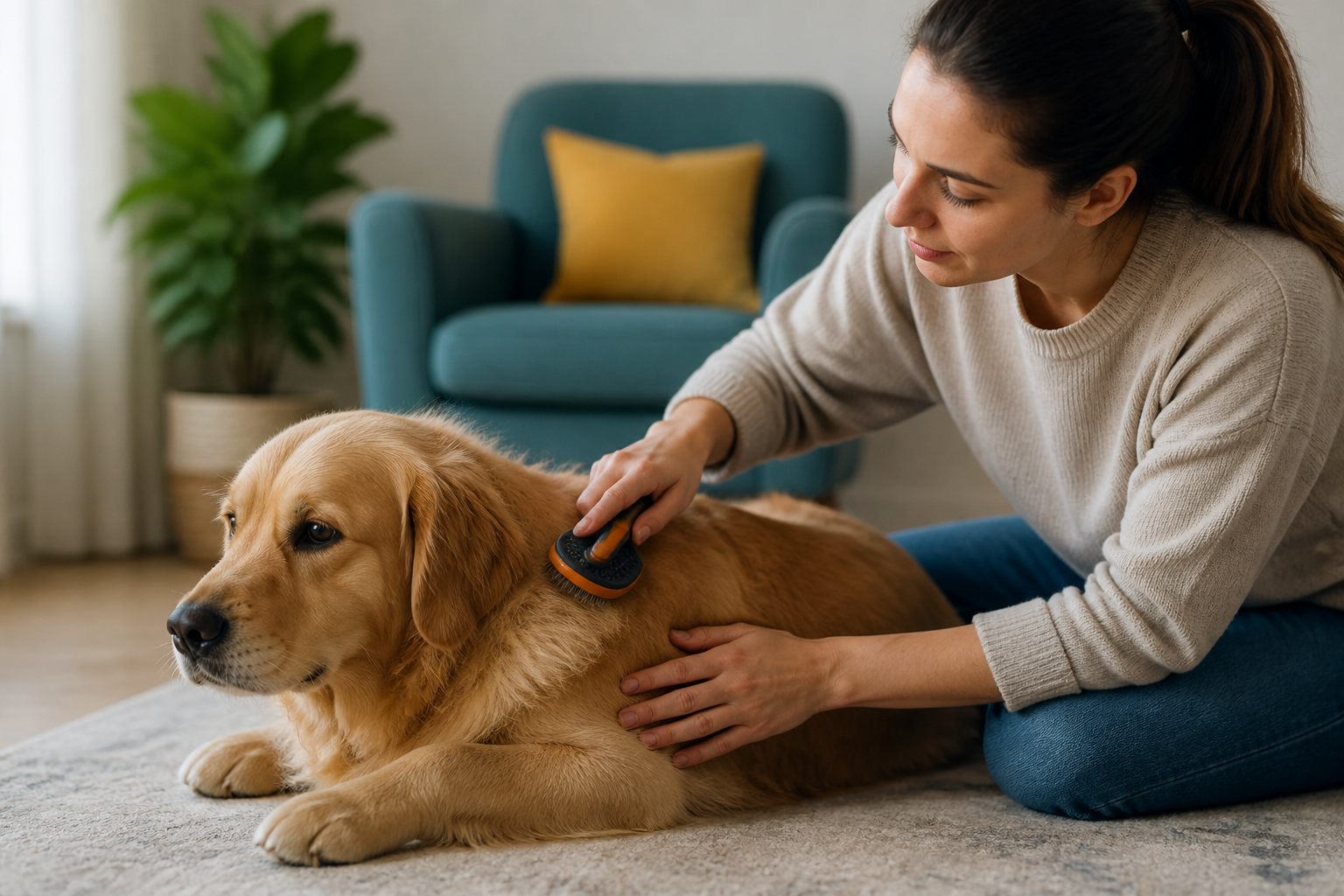
Table of Contents
- Introduction
- The Physical Reasons Your Dog Might Be Avoiding the Brush
- Recognizing Hidden Pain and Mobility Issues
- The Role of Past Trauma and Poor Socialization
- Choosing the Right Tools for Your Dog's Coat Type
- The "Brush, Treat, Repeat" Method
- Using Distraction to Your Advantage
- Managing Mats Without the Drama
- How Your Energy Affects the Session
- When to Seek Professional Help
- Environmental Adjustments for Success
- Building a Consistent Routine
- Wrapping It Up
- FAQ
Introduction
You grab the slicker brush from the drawer. Before you can even call your dog's name, you hear the frantic clicking of nails on the hardwood as they bolt for the bedroom. Maybe they hide under the dining table or let out a low, warning growl when the bristles touch their back. It is a frustrating moment that many of us at BaxterBoo have experienced with our own pets. You know the brushing is necessary to prevent painful mats and skin infections. Your dog, however, sees the brush as an enemy. This post covers the physical and emotional reasons behind grooming resistance. We will explore how to identify pain points and how to use positive reinforcement to change your dog's mind. Understanding your dog's perspective is the first step toward a calmer grooming routine.
The Physical Reasons Your Dog Might Be Avoiding the Brush
Before assuming your dog is just being stubborn, consider if the process actually hurts. Physical discomfort is the most common reason dogs develop a hatred for grooming. If your dog has a thick double coat or hair that tangles easily, the brush might be tugging on their skin.
Mats are dense clumps of tangled fur that sit close to the skin. When a brush hits a mat, it pulls the skin tight. This creates a sharp, pinching sensation. If you have ever tried to comb through a major knot in your own hair, you know how much it stings. For a dog, this happens over their entire body. For additional guidance, read our tips on grooming curly-haired dogs.
Skin sensitivity is another factor. Some dogs have thinner skin or are prone to allergies that make their back and sides tender. If the bristles are too sharp or you are applying too much pressure, you could be scratching them. Even static electricity can be a culprit. In dry winter months, plastic brushes can create small shocks that startle your dog every time you make a pass.
Vet Tip: If your dog suddenly starts snapping at the brush after years of being fine, schedule a checkup. Underlying issues like arthritis, hip dysplasia, or skin infections can make even a gentle touch feel unbearable.
Recognizing Hidden Pain and Mobility Issues
Senior dogs often struggle the most with grooming sessions. As dogs age, they may develop joint stiffness or chronic pain. Standing still for twenty minutes on a hard floor can be exhausting for a dog with stiff hips. If you are lifting their legs or asking them to turn in certain ways, you might be accidentally aggravating their condition.
We often see pet owners in our Vernon Hills warehouse looking for ways to make their senior dogs more comfortable. It is important to watch for subtle signs of distress. Shaking, heavy panting, or whites of the eyes showing are clear indicators that your dog is physically struggling.
If your dog is dealing with age related mobility issues, you might need to adjust your approach. Shortening the sessions and using supportive supplements can help. Many owners find success using products like Cosequin to support joint health. If your veterinarian recommends specific medical support for pain management, our pharmacy offers a wide range of FDA approved medications through our partnership with Pet's Choice.
Key Takeaway: Pain is a primary motivator for avoidance behavior. Always rule out medical issues or physical discomfort before moving on to behavioral training.
The Role of Past Trauma and Poor Socialization
Dogs have incredible memories. If your dog had a bad experience at a high volume grooming salon or a painful encounter with a de-matting tool as a puppy, they will remember it. For a dog, the brush becomes a "predictor" of a bad event.
Socialization also plays a massive role. Puppies have a critical window where they learn what is safe and what is scary. If a puppy was never handled or brushed during their first four months, the sensation of metal teeth moving through their fur feels alien and threatening. They may view the brush as a predator or a strange object they need to defend themselves against.
Fear based reactivity can escalate quickly. If a dog growls and you stop brushing, the dog learns that growling works. They have successfully moved the scary thing away. Over time, this behavior becomes their default response. Breaking this cycle requires patience and a total reset of their associations with grooming tools. Gradual desensitization and counter-conditioning can also help with fear-based dog aggression.
Choosing the Right Tools for Your Dog's Coat Type
Using the wrong brush is a common mistake that leads to grooming battles. Not every brush is built for every dog. If you use a stiff slicker brush on a short haired dog with sensitive skin, it will feel like sandpaper. Conversely, a soft bristle brush will do nothing for a Malamute with a heavy undercoat.
| Brush Type | Best For | Why Dogs Might Dislike It |
|---|---|---|
| Slicker Brush | Long hair, curly coats, removing mats | Fine wire bristles can scratch the skin if pressed too hard. |
| Pin Brush | Silky coats, daily maintenance | Can pull and snag on hidden tangles. |
| Bristle Brush | Short, smooth coats | Generally well tolerated but creates static in dry air. |
| Grooming Glove | Anxious dogs, short to medium coats | Feels like petting, though it may not reach deep undercoats. |
| Undercoat Rake | Double coated breeds | Can be painful if used too aggressively or on dry fur. |
At BaxterBoo, we recommend matching the tool to the specific texture of your dog's fur. If your dog is terrified of traditional brushes, starting with a grooming glove is a great bridge. It mimics the sensation of a hand, which most dogs already find comforting. You can compare options in our dog grooming collection.
The "Brush, Treat, Repeat" Method
The goal is to change your dog's emotional response. You want them to see the brush and think of their favorite food. This process is called counter-conditioning. You are replacing fear with a positive expectation.
Step 1: Introduce the brush without touching. Place the brush on the floor. Every time your dog looks at it or sniffs it, give them a high value treat like a piece of freeze dried liver or a bit of peanut butter.
Step 2: Touch the brush to a non-sensitive area. Gently touch the back of the brush (the smooth side) to your dog's shoulder. Immediately give a treat. Do not actually brush yet. You are just teaching them that the object touching them results in food.
Step 3: One single stroke. Run the bristles through a small patch of fur one time. Follow it immediately with a treat. If your dog stays calm, do it again. If they pull away, go back to Step 2.
Step 4: Increase the duration. Gradually move from one stroke to three strokes, then five. Keep the treats flowing the entire time.
Note: Use "high value" treats that your dog rarely gets. Things like Badlands Ranch or Stella and Chewy's treats can provide the extra motivation needed to stay focused on the food rather than the brush.
Using Distraction to Your Advantage
Sometimes, the best way to brush a reluctant dog is to give them something better to do. Lick mats and stuffed toys are incredibly effective for this. When a dog licks, their brain releases endorphins that help them relax.
Try spreading some plain Greek yogurt or wet food onto a textured mat and sticking it to the wall at your dog's eye level. While they are busy licking, you can work on their coat. This works well for dogs who are impatient or high energy. It keeps them stationary without you having to physically restrain them. For another gentle option, explore our dog grooming mitts and scrubbers.
If your dog is a heavy chewer, a Kong toy stuffed with frozen treats can buy you fifteen minutes of grooming time. This is especially helpful for breeds like Golden Retrievers or Doodles that require a lot of surface area to be covered.
Bottom line: A distracted dog is a much easier dog to groom, provided the distraction is more rewarding than the desire to leave.
Managing Mats Without the Drama
If your dog is already matted, you cannot simply brush them out. This is the fastest way to make a dog hate grooming forever. Pulling on a mat is painful. If the mats are tight against the skin, they can also cause bruising or hide sores.
If you find a mat, try to work it apart with your fingers first. Use a detangling spray to provide some "slip" to the hair fibers. If the mat is too tight, it is safer to use electric clippers to remove it. Avoid using scissors near the skin, as it is very easy to accidentally cut a dog who is wiggling.
Once the mats are gone, the focus must shift to prevention. Brushing a clean, tangle free coat is a much more pleasant experience for your pet. If your dog's coat is consistently getting matted, you may need to increase the frequency of your sessions or keep the hair cut shorter. Our guide to bathing dos and don'ts also covers safe ways to handle tangles and coat care.
How Your Energy Affects the Session
Dogs are experts at reading human body language. If you are tense, frustrated, or rushing to get the job done, your dog will pick up on that energy. They see your frustration and assume something is wrong.
Try to pick a time when you are both relaxed. After a long walk or a session of fetch is often the best time. The dog has burned off excess energy and is more likely to settle down. If you start to feel your blood pressure rising because your dog won't sit still, stop. Take a break. It is better to do five minutes of successful, happy brushing than twenty minutes of a stressful struggle.
Speak in a low, soothing voice. Avoid "scolding" the dog for moving. Instead, reward them heavily for the moments they are still. Positive reinforcement builds a much stronger bond than correction when it comes to husbandry tasks.
When to Seek Professional Help
There are times when home grooming is not the safest option. If your dog attempts to bite, snaps, or shows extreme aggression, you should consult a professional. This could be a certified animal behaviorist or a groomer who specializes in fearful dogs.
Extreme grooming anxiety is sometimes rooted in deep seated phobias. In these cases, your veterinarian might recommend anxiety medication to help take the edge off during the training process. This is not about "drugging" the dog, but about lowering their stress levels enough so they can actually learn.
Our pharmacy through Pet's Choice carries various prescription options for situational anxiety. You can discuss these options with your vet to see if a short term medication might help your dog get through the initial phases of desensitization.
Vet Tip: Never force a fearful dog through a grooming session. This can lead to "flooding," where the dog becomes so overwhelmed they shut down or lash out. If the fear is severe, a professional intervention is the safest path for both of you.
Environmental Adjustments for Success
Where you brush your dog matters. If you try to brush them in a high traffic area of the house where the kids are playing or the cat is running around, they will be distracted. Choose a quiet, well lit spot.
For smaller dogs, placing them on a raised surface like a counter or a grooming table can help. Many dogs feel more secure when they are up high, and it prevents them from simply walking away. Just make sure the surface is non slip. A yoga mat or a heavy towel works well to provide traction.
For large dogs, try to find a corner where they can lean against a wall. This provides them with a sense of physical security. If they are prone to slipping on tile or wood floors, put down a rug. If a dog feels like their feet are sliding, their anxiety will naturally increase.
Building a Consistent Routine
Consistency is the enemy of fear. When a dog knows exactly what to expect, their anxiety levels drop. Try to make brushing a daily habit rather than a once a month ordeal.
Even two minutes of brushing every evening can make a difference. It keeps the coat in good shape and keeps the training fresh in the dog's mind. If you only pull the brush out when there is a problem, the dog learns to associate the brush with the discomfort of tangles. A comfortable tool such as the Master Grooming Tools Ergonomic Slicker Dog and Cat Brush can make regular sessions easier to manage.
If you are a member of our MVP Rewards program, you might already be stocking up on the treats and tools needed for these daily sessions. Frequent, short, and rewarding sessions are the "secret sauce" to a dog that eventually learns to enjoy, or at least tolerate, being groomed. You can review the benefits of our MVP Rewards programme while planning your grooming routine.
Wrapping It Up
Turning a brush hating dog into a grooming fan takes time and empathy. Focus on identifying any physical pain, choosing the right tools, and using plenty of high value rewards. Remember to keep sessions short and stay calm throughout the process.
- Rule out physical pain or arthritis with a vet visit.
- Use high value treats and distraction tools like lick mats.
- Switch to a softer brush or grooming glove if skin is sensitive.
- Practice short, daily sessions to build a positive routine.
If your dog needs professional strength support for skin issues or joint pain, check out our Medical and Mobility section or speak to your vet about our pharmacy options. Building trust today ensures a healthier, happier coat for the lifetime of your pet.
FAQ
Why does my dog growl when I brush certain areas?
Growling is a communication tool used to indicate discomfort or fear. It often happens around sensitive areas like the tail, paws, or belly where the skin is thinner or tangles are more common. If your dog growls, stop immediately and assess if there is a mat or a physical injury in that spot before trying again with more treats.
Can I use human hairbrushes on my dog?
It is generally not recommended to use human brushes on dogs. Our hair and skin are different, and human brushes often lack the necessary bristle strength to penetrate a dog's undercoat or the safety tips needed for their skin. Using the wrong brush can lead to "brush burn," which will make your dog even more resistant to grooming in the future.
How do I stop my dog from biting the brush?
Biting the brush is often a sign of "play biting" or a defensive move to stop the sensation. To stop this, keep the brush still and offer a high value treat or a chew toy in your other hand. If they bite the brush, calmly put it away and end the session, then try again later when they are calmer and more focused on the reward.
Is it okay to shave my dog if they hate being brushed?
Shaving depends entirely on the breed and the coat type. Shaving a double coated dog can permanently damage the fur and ruin their ability to regulate their body temperature. For many long haired or curly coated dogs, a shorter "puppy cut" can make daily maintenance much easier and less stressful for everyone involved, but always consult a professional groomer first.






