
 Save 15% on your 1st Autoship learn more

 Email us
 Live Chat
 FAQs
FAQs





Introduction
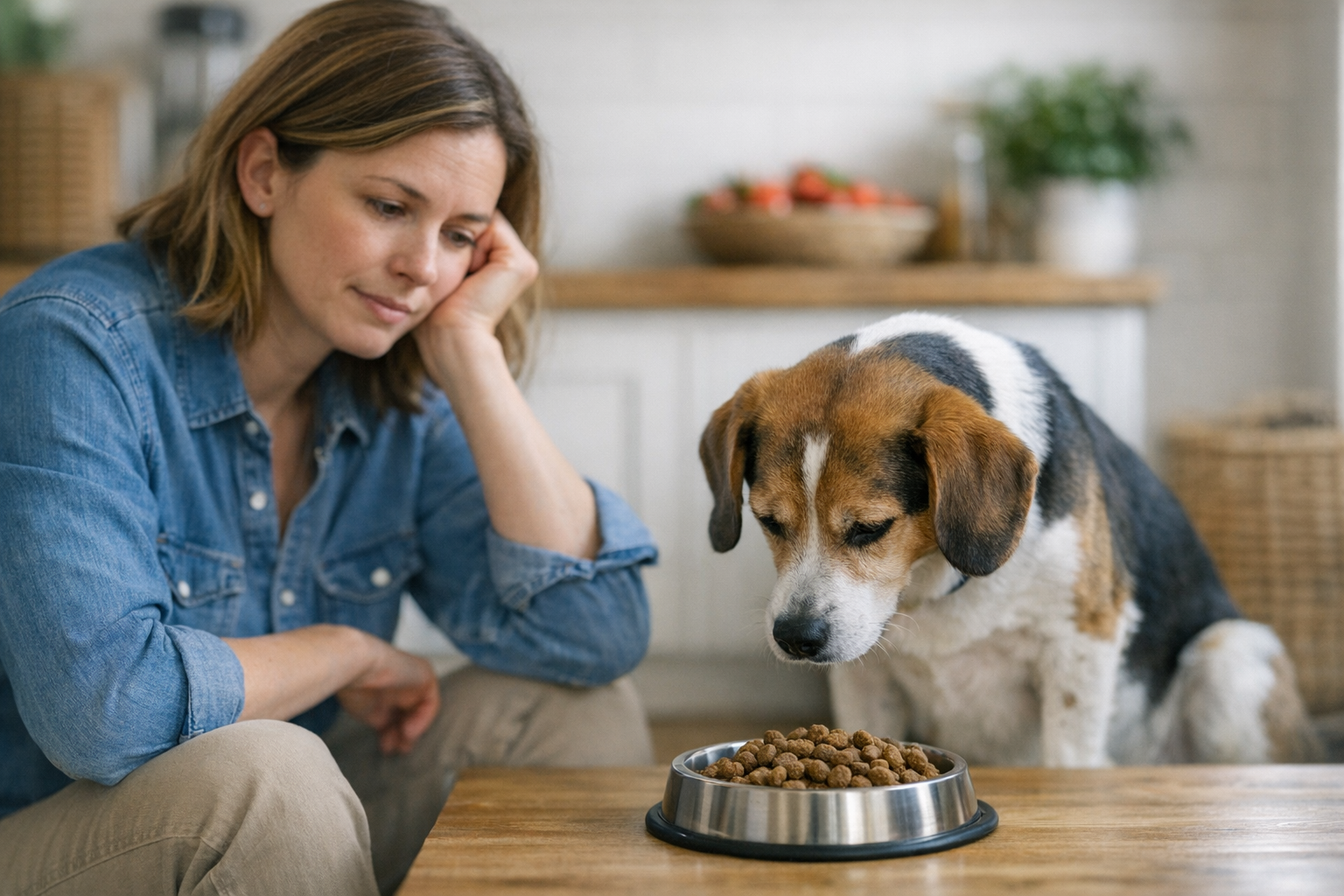
It is a common and stressful scene for many pet owners. You scoop out the usual kibble and set the bowl down with a smile. Instead of the typical enthusiastic crunching, your dog sniffs the air, looks up at you with sad eyes, and walks away. You might wonder if the food is bad or if your dog is feeling under the weather. When a dog suddenly refuses her dry food, it often feels like a puzzle with missing pieces. At BaxterBoo, we talk to owners every day who are navigating these exact mealtime hurdles. If you are looking for options while you troubleshoot, our dog food category is a helpful place to start. This guide will help you understand the difference between a picky eater and a medical concern. We will explore common causes for appetite changes and provide practical ways to get your dog back on a healthy schedule. Identifying the root cause is the first step toward restoring your dog's interest in her daily meals.
Quick Answer: Your dog may stop eating dry food due to dental pain, digestive upset, or simple boredom. It could also be a behavioral choice if she is holding out for higher-value treats or table scraps.
Rule Out Medical and Health Concerns First
Before you assume your dog is just being stubborn, you must consider her physical health. A sudden change in appetite is often the first sign that something is wrong internally. Dogs are experts at hiding pain. They cannot tell us when a tooth aches or when their stomach feels sour. If your dog has always been a "good eater" and suddenly stops, a medical checkup is the most important first step.
Dental and Oral Health Issues
One of the most frequent reasons a dog rejects dry food specifically is mouth pain. Kibble is hard and requires significant chewing force. If your dog has a cracked tooth, an abscess, or inflamed gums, biting down on a hard nugget of food can feel like a lightning bolt of pain. You might notice her pick up a piece of kibble, drop it, and then walk away. This behavior suggests she wants to eat but the physical act of chewing is too difficult.
Gum disease is incredibly common in dogs and can lead to sensitive tissues. If the mouth is sore, your dog will naturally gravitate toward softer options like wet food or table scraps. Our dog dental care category offers supportive options your veterinarian may recommend. They may also suggest a professional cleaning or a specific prescription diet designed to be easier on the mouth.
Digestive and Gastrointestinal Distress
Sometimes the issue is not the mouth but the stomach. Nausea can make any food look unappealing. Your dog might be dealing with a temporary upset from scavenging something in the yard. However, more chronic issues like inflammatory bowel disease or food sensitivities can also cause a loss of appetite. If your dog is also experiencing vomiting, diarrhea, or a gurgling stomach, she likely has a gastrointestinal issue.
In some cases, your vet may recommend a prescription diet. These specialized foods are formulated for easy digestion or to manage specific health conditions. Our pharmacy for dogs provides access to the prescription diets and medications veterinarians may recommend. Whether your dog needs a limited ingredient diet or a medication to settle her stomach, we can help you get those essential supplies delivered right to your door.
Age Related Sensory Decline
As dogs enter their senior years, their senses of smell and taste often diminish. Since a dog's appetite is heavily driven by smell, food that once seemed delicious might now seem bland and uninteresting. Senior dogs also have a harder time digesting complex proteins and fats found in some dry foods. If your senior dog is turning her nose up at her bowl, she might just need something with a stronger aroma or a softer texture.
Vet Tip: If your dog has not eaten anything for more than 24 hours or is refusing both food and water, contact your veterinarian immediately. This is especially urgent if your pet is showing signs of lethargy, vomiting, or weight loss.
Understanding Behavioral Causes
If your veterinarian gives your dog a clean bill of health, the issue is likely behavioral. Dogs are highly intelligent and can quickly learn how to manipulate their environment to get what they want. If your dog realizes that refusing kibble leads to a piece of chicken or a handful of premium treats, she will continue to hold out for the better option.
The Picky Eater Trap
Many owners accidentally create a picky eater by offering "toppers" or "extras" the moment a dog hesitates at the bowl. This teaches the dog that if she waits long enough, her boring dry food will be upgraded. This behavior is common in breeds that are less food-motivated, such as some small terriers or Chihuahuas.
To break this cycle, you must be consistent. Most healthy dogs will not starve themselves. If you offer the food and they refuse it, pick it up after fifteen minutes and try again at the next scheduled mealtime. Do not offer treats or table scraps in between. Once the dog realizes that no other options are coming, she will usually return to her regular kibble.
Stress and Environmental Changes
Dogs thrive on routine and predictability. A change in the household can easily throw off a dog's appetite. This might include a move to a new home, the arrival of a new baby, or even a change in your work schedule. Some dogs suffer from separation anxiety and will refuse to eat unless their primary owner is in the room.
Environmental stressors like loud construction nearby or a new pet in the house can also cause a dog to lose interest in food. If your dog is feeling anxious, she is in "fight or flight" mode. This physiological state naturally suppresses the urge to eat. Providing a calm, quiet place for your dog to eat away from high-traffic areas can help her feel safe enough to focus on her meal.
Key Takeaway: Distinguishing between a medical refusal and a behavioral preference is vital. Behavioral issues require consistent training and boundaries, while medical issues require professional veterinary care.
Issues with the Dry Food Itself
Sometimes the problem is not with the dog but with the bag of food. We often forget that dry food is a perishable product. Once a bag of kibble is opened, it begins to react with oxygen. This process is called oxidation, and it causes the fats in the food to go rancid over time.
Freshness and Proper Storage
Most bags of dry food should be consumed within four to six weeks of opening. If you buy a massive bag for a tiny dog, the food may become stale or rancid before you reach the bottom. Dogs have a much more sensitive sense of smell than humans. They can detect the scent of spoiled fats long before we can.
- Always check the "best by" date on the bag before purchase.
- Keep the kibble in its original bag rather than pouring it into a plastic bin.
- Seal the bag tightly after every feeding to limit oxygen exposure.
- Store the food in a cool, dry place to prevent heat from spoiling the fats.
Sudden Recipe Changes
Manufacturers occasionally update their formulas. Even if the packaging looks the same, the ingredients or the cooking process might have changed. A "new and improved" label often means a change in flavor or aroma that your dog might not like. If you recently started a new bag and your dog is suddenly refusing it, check the label for any changes in the ingredient list.
When switching to a new brand or even a new bag, it is helpful to do a gradual transition. Mix a small amount of the new food with the old food over seven to ten days. This gives your dog's digestive system and taste buds time to adjust. Brands like NutriSource, Acana, and Orijen are known for high-quality ingredients, but every dog has unique preferences.
Bottom line: Freshness matters more than most owners realize, as dogs can smell rancid fats that we cannot detect.
Strategies to Make Dry Food More Appealing
If your dog is healthy but still unenthusiastic about her dry food, there are several ways to make it more enticing. You do not always have to change the food entirely. Often, small adjustments to the texture or temperature can make a world of difference.
Add Warm Water or Broth
Adding a splash of warm water to dry kibble is the easiest way to boost its appeal. The warmth releases the fat molecules and enhances the natural aroma of the food. It also creates a soft, gravy-like texture that many dogs prefer. You can also use a dog-safe bone broth. Be sure to choose one that does not contain onions, garlic, or excessive salt, as these can be toxic or unhealthy for pets.
Use High-Quality Food Toppers
If your dog needs a bit more encouragement, a high-quality topper can help. A spoonful of wet food mixed thoroughly into the kibble makes it harder for the dog to pick out the "good stuff" while leaving the dry food behind. You can also use single-ingredient toppers like freeze-dried liver or salmon oil. These add a powerful scent that can jumpstart a dog's appetite. Our food topper and broths selection is a convenient place to compare appealing add-ins.
The 15-Minute Rule
Establishing a clear feeding routine can solve many behavioral eating issues. Set the food bowl down and leave the room. After fifteen minutes, return and pick up the bowl, regardless of how much was eaten. This teaches your dog that food is a limited-time opportunity. It prevents the food from sitting out all day and becoming stale. It also eliminates the habit of "grazing," which can make it harder to monitor your dog's actual intake.
Step-by-Step: Reintroducing Kibble to a Picky Dog
Step 1: Eliminate all treats. / Stop giving any snacks or table scraps for at least 48 hours to ensure your dog is genuinely hungry for her meal.
Step 2: Stick to a schedule. / Offer the dry food at the same time every morning and evening to build a predictable routine.
Step 3: Enhance the aroma. / Add a small amount of warm water or a tiny bit of wet food and stir it well so the kibble is fully coated.
Step 4: Use the 15-minute window. / Put the bowl down and remove it after 15 minutes, then wait until the next scheduled meal to offer food again.
Step 5: Monitor and adjust. / If the dog eats, praise her calmly. If she refuses for more than two meals, consult your vet to ensure no underlying health issues are surfacing.
Managing Dietary Changes for Senior Dogs
As mentioned earlier, senior dogs often face unique challenges with dry food. If your older dog is struggling, it might be time to move away from standard kibble or find ways to accommodate her changing needs. Senior dogs often benefit from supplements that support cognitive function and joint health, such as those from Cosequin or Zesty Paws. Our dog healthcare category can help you compare supportive options for aging pets.
In addition to supplements, the physical form of the food may need to change. If your senior dog has lost teeth or has weakened jaw muscles, soaking her kibble until it is mushy can make eating a pleasure again. Some senior dogs also experience "anorexia of aging," where they simply lose interest in eating. In these cases, your vet might prescribe an appetite stimulant or a high-calorie prescription diet available through our pharmacy. We understand that caring for a senior pet requires patience and the right tools, and we are here to support you through every stage of your pet's life.
The Role of the BaxterBoo Pharmacy
When a dog stops eating, it often points toward a health management need. Our pharmacy is a core part of how we serve our community. Through our partnership with Pet's Choice, we offer more than just standard retail items. We provide the prescription diets and medications that veterinarians recommend for chronic conditions.
If your dog's lack of appetite is due to allergies, dental infections, or internal health issues, you may need more than just a new brand of kibble. We carry medications for pain management, allergy relief, and digestive health. Having a hybrid model means you can visit our warehouse in Vernon Hills or have these vital medical supplies shipped to your home. This convenience is essential when you are managing a pet's health condition and trying to get their nutrition back on track.
Key Takeaway: Our pharmacy offers a direct path to the prescription foods and medications your vet might recommend for appetite loss.
Practical Tips for Long-Term Success
Once you have identified why your dog is not eating and have implemented a solution, the goal is long-term consistency. Feeding a dog is about more than just filling a bowl. It is about monitoring their health and maintaining a bond of trust.
- Avoid overfeeding treats: Remember that treats should never exceed 10 percent of your dog's daily calories.
- Exercise before meals: A good walk or play session can stimulate a dog's metabolism and increase her hunger.
- Keep bowls clean: Bacteria can grow on leftover crumbs and saliva, creating a smell that might put your dog off her next meal.
- Monitor weight and energy: Use a scale or the "rib test" to ensure your dog is maintaining a healthy weight even if her eating habits are slightly irregular.
We have been in business since 2006, and we have seen almost every pet care challenge imaginable. Whether you are dealing with a puppy who is too distracted to eat or a senior dog with a fading appetite, our experts have curated a selection of over 500 brands to help. We believe in value without compromise, ensuring you get the best products for your pet at a fair price.
If you are looking to save on your regular orders, our Autoship programme is a great option. You get savings on your first order and a free MVP Gold membership, which earns you points on every purchase. This is particularly helpful for maintaining a steady supply of fresh dry food so you never run out or have to feed a stale bag.
Summary of Next Steps
Dealing with a dog that refuses dry food requires a calm and methodical approach. First, you must ensure that there is no underlying pain or illness causing the refusal. Once health is confirmed, you can address behavioral issues through consistency and the 15-minute rule. Using toppers or warm water can bridge the gap while your dog adjusts to her routine.
Always remember that your veterinarian is your best partner in your dog's health. If you find yourself needing specialized food or medication, our MVP Rewards programme is here to help you save on future purchases. We are proud to be a trusted resource for pet owners across the country, providing the expertise and products needed to keep your dogs and cats thriving.
FAQ
Is it okay if my dog skips a meal?
For most healthy adult dogs, skipping one or two meals is not an immediate emergency as long as they are still drinking water and acting normally. However, small breeds, puppies, and senior dogs can experience a dangerous drop in blood sugar if they do not eat regularly. If the refusal lasts longer than 24 hours or is accompanied by lethargy, you should contact your veterinarian.
Can I leave dry food out all day if my dog is picky?
Free-feeding is generally not recommended for picky eaters because it makes the food seem less valuable and allows it to go stale. It also makes it difficult for you to track exactly how much and when your dog is eating, which is vital information for spotting health issues. Setting specific mealtimes with the 15-minute rule is usually a much more effective strategy for encouraging a consistent appetite.
Why does my dog eat treats but not her dry food?
Treats are typically much higher in fat and protein than standard kibble, making them far more palatable. If your dog is refusing her meals but eagerly accepting treats, she is likely being selective or "holding out" for the tastier option. This is a behavioral issue that can usually be corrected by cutting out all treats until she resumes eating her balanced dry food.
Could my dog's food bowl be the problem?
Yes, some dogs are sensitive to the material or the sound of their food bowl. Metal bowls can sometimes create reflections or noises that startle anxious dogs, while plastic bowls can harbor bacteria and odors if they are scratched. If your dog seems nervous around her bowl, try switching to a shallow ceramic dish or a flat plate to see if it changes her comfort level during mealtime.






