
 Save 15% on your 1st Autoship learn more

 Email us
 Live Chat
 FAQs
FAQs





Introduction
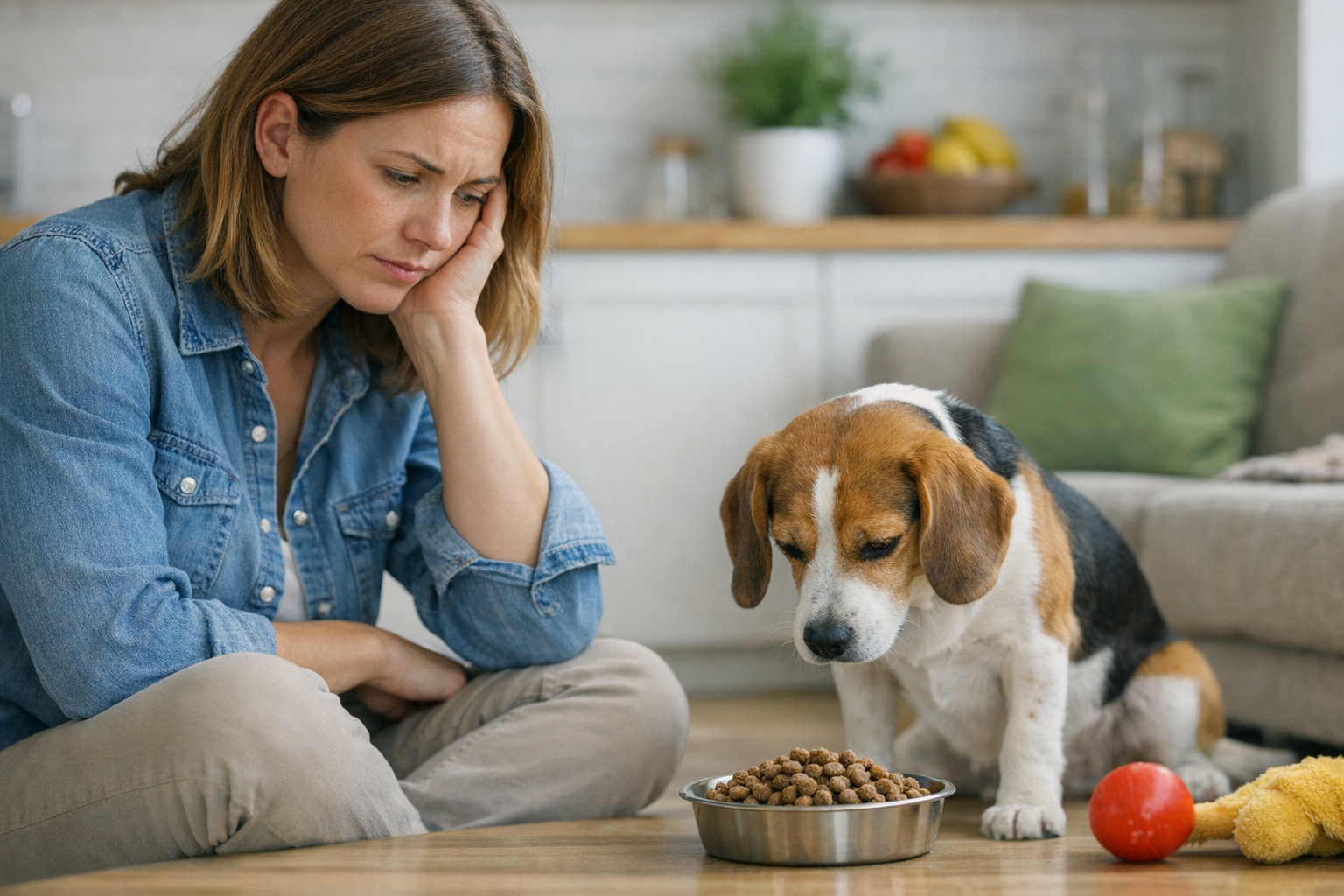
You fill the bowl with the same dry food your dog has eaten for months. Instead of the usual excitement, your dog takes a single sniff and walks away. This moment is stressful for any pet owner. You might wonder if they are simply being picky or if something is seriously wrong with their health. At BaxterBoo, we have helped thousands of owners navigate these mealtime hurdles since 2006.
This guide covers everything from behavioral quirks and food storage issues to underlying health concerns that cause a loss of appetite. If you need to explore more feeding options while you troubleshoot, our dog food category is a good place to start. We will also provide practical ways to make kibble more appealing and explain when it is time to call the vet. Understanding why your dog is refusing their meal is the first step toward getting them back on a healthy schedule.
Quick Answer: Dogs often stop eating dry food due to boredom, overfeeding on treats, or dental pain. If the refusal is sudden or joined by lethargy, it may signal an underlying medical issue that requires a veterinary visit.
Check the Freshness of the Food
The first thing to investigate is the food itself. Dry kibble contains fats and oils that can go rancid over time. Once you open a bag, exposure to oxygen and humidity begins to degrade the quality. Most bags of dry food are only at their best for two to three weeks after opening. If you buy a massive bag for a small dog, the food at the bottom might taste stale or metallic.
Check the "best by" date on the packaging. If the food smells sour or paint-like, it has likely spoiled. Some dogs have a much stronger sense of smell than humans. They might detect mold or rancid fats that you cannot see or smell yet. If the bag has been sitting in a warm garage, the spoilage happens even faster.
Try opening a brand new, smaller bag of the same formula. If your dog eats the fresh batch immediately, you know the previous bag was the problem. Proper storage is vital. We recommend keeping the kibble in its original bag and placing that bag inside an airtight container. This provides a double barrier against moisture and pests.
Signs of Stale or Spoiled Kibble
- A strong, sour, or oily odor coming from the bag.
- A dusty or crumbly texture that was not there before.
- Visible mold or clumps inside the bag.
- The dog sniffs the bowl and immediately sneezes or backs away.
Behavioral Pickiness and the Waiting Game
Dogs are incredibly smart and observant. If your dog refuses their dry food and you immediately offer a piece of cheese or a scoop of wet food, they learn a lesson. They realize that holding out on the "boring" food results in a high-value reward. This is a common behavioral cycle that creates a picky eater.
Some breeds are more prone to this than others. While Labradors often eat anything in sight, smaller breeds like Yorkshire Terriers can be more discerning. If your dog is energetic and maintaining a healthy weight, they might just be playing the long game. They are waiting for you to provide something better from your dinner plate.
To break this habit, you must be consistent. Put the bowl down for 15 minutes. If they do not eat, pick it up and do not offer any treats or scraps until the next scheduled mealtime. Most healthy dogs will not starve themselves. Once they realize the "bonus" snacks are not coming, the dry food becomes much more attractive.
The Impact of Too Many Treats
It is easy to lose track of how many calories your dog gets outside of their bowl. If your dog is getting dental chews, training treats, and bits of your toast, they might simply be full. Many pet owners unknowingly overfeed their pets with treats that are high in calories and flavor. A dog that is physically satisfied will not feel the urge to eat plain kibble.
Treats should never make up more than 10% of a dog's daily caloric intake. If your dog is leaving kibble behind but still looks "thicker" around the middle, they are likely getting too many calories elsewhere. This is especially true for senior dogs with slower metabolisms.
Try a "treat fast" for 48 hours. Cut out everything except their standard meals. This helps reset their appetite and allows you to see if they are truly hungry. If they start eating their kibble again, you know the treat-to-food ratio was out of balance.
Key Takeaway: A dog that refuses dry food but eagerly eats treats is usually just full or holding out for better flavors. Reducing extra snacks is the fastest way to restore a healthy appetite.
Environmental Stress and Routine Changes
Dogs thrive on predictability. A change in the household can easily throw off their appetite. Moving to a new home is a major stressor. Even smaller changes, like a new work schedule or a guest staying in the house, can cause anxiety. An anxious dog often loses interest in food.
Consider where the food bowl is located. If the bowl is in a high-traffic area with lots of noise, your dog might feel too vulnerable to eat. This is especially common in households with multiple pets. If a more dominant dog or a curious cat is watching them eat, your dog might walk away to avoid conflict.
Try moving the bowl to a quiet, secluded corner. Make sure the bowl itself is not the problem. Some dogs dislike the sound of their collar tags clinking against metal bowls. Switching to a ceramic or silicone bowl can sometimes solve the issue overnight.
Medical Reasons for Food Refusal
If your dog is usually a great eater and suddenly stops, it could be a medical red flag. Pain is a primary driver of appetite loss. Dental issues are the most frequent culprit for refusing dry food. If a dog has a cracked tooth, an abscess, or inflamed gums, crunching down on hard kibble is painful.
Watch your dog's behavior closely. Do they pick up a piece of food and drop it? Do they chew only on one side of their mouth? These are classic signs of oral pain. Unlike humans, dogs often hide their pain until it becomes unbearable. They might still want to eat wet food because it does not require painful crunching.
Gastrointestinal issues, kidney disease, or liver problems can also cause nausea. A nauseous dog will not want to eat anything. If the refusal is accompanied by vomiting, diarrhea, or a noticeable drop in energy, you must take action.
Vet Tip: If your dog has not eaten for more than 24 hours, or if they are showing signs of lethargy or pain, consult your veterinarian immediately. They can rule out serious conditions and check for dental disease.
Our pharmacy for dogs can help you get the prescription items your veterinarian recommends for ongoing care.
Understanding the Senior Dog's Appetite
As dogs age, their bodies change in ways that affect how they perceive food. A senior dog's sense of smell and taste often becomes less acute. Since dogs rely heavily on scent to trigger their appetite, bland dry food might no longer interest them. If they cannot smell it, they might not recognize it as something worth eating.
Older dogs also have different digestive needs. They may develop sensitivities to certain ingredients they handled fine as puppies. Senior dogs are also more prone to joint pain, which can make leaning over a bowl uncomfortable. If your senior dog is hesitant to eat, try using an elevated bowl to reduce the strain on their neck and shoulders.
We carry supplements like Cosequin and Senilife that support joint health and cognitive function in aging pets. Supporting their overall wellness often leads to a better appetite. If your senior dog is on a specific medical plan, our dog healthcare category is a helpful place to browse support products.
Practical Ways to Enhance Dry Food
You do not always need to switch brands to get your dog eating again. Sometimes, a few simple additions can make dry food irresistible. These methods increase the aroma and improve the texture of the kibble.
Add Warm Water or Bone Broth
Adding a splash of warm water is the easiest trick. It softens the kibble and releases the meaty aromas. Ensure the water is warm but not hot to avoid burning their mouth. For an extra boost, use a dog-specific bone broth like those from Caru. Avoid human broths, as they often contain onions and garlic which are toxic to dogs.
Use High-Quality Toppers
A little bit of "extra" goes a long way. You can stir in a spoonful of canned food from brands like Stella and Chewy's or Tiki Cat. Freeze-dried meal mixers are also excellent options. They provide the concentrated flavor of raw meat without the mess. Brands like Vital Essentials or Open Farm offer toppers specifically designed for picky eaters.
Try Salmon Oil
Salmon oil is a nutritional powerhouse that most dogs love. It adds a strong scent that triggers the appetite and provides essential Omega-3 fatty acids for skin and coat health. We carry several options from Zesty Paws and Honest Paws that are easy to pump directly onto the food.
The 10-Minute Meal Ritual
- Measure the dry kibble into the bowl.
- Add a small amount of warm broth or a topper.
- Stir it well so the flavor coats every piece.
- Let it sit for two minutes to soften slightly.
- Serve in a quiet area.
Bottom line: Enhancing the smell and texture of kibble is often enough to convince a picky eater to finish their meal.
Choosing the Right Kibble Formula
If you have tried toppers and routine changes without success, the food itself might be the issue. Not all dry foods are created equal. Some lower-quality brands use heavy fillers and artificial flavors that dogs find unappealing. Switching to a high-protein, nutrient-dense formula can make a massive difference.
Brands like Orijen and Open Farm focus on high meat content and natural ingredients. These foods naturally smell better to dogs because they contain real animal fats and proteins rather than grain byproducts. If your dog has a sensitive stomach, look for limited-ingredient diets from brands like PureVita or NutriSource.
If your dog is managing a specific health condition like weight gain or urinary issues, your vet might recommend a prescription diet. You can fulfill these prescription requirements through our pet pharmacy so your dog gets the exact nutrition they need for their medical condition.
How to Safely Transition to a New Food
If you decide to switch dry food brands, do not do it all at once. A sudden change in diet can cause significant stomach upset, leading to diarrhea and even more food refusal. A gradual transition allows your dog’s digestive system to adapt to the new ingredients and calorie density.
Step 1: Mix 25% of the new food with 75% of the old food for two to three days. Step 2: Increase to a 50/50 mix for the next three days. Step 3: Move to 75% new food and 25% old food for another three days. Step 4: Offer 100% of the new food.
Watch your dog’s stool during this process. If it becomes very loose, slow down the transition and spend more time at the previous ratio. This slow approach also helps a picky dog get used to the new scent and flavor without feeling overwhelmed.
Use Mental Enrichment to Spark Interest
Sometimes, a dog isn't eating because they are bored with the delivery method. In the wild, dogs are scavengers and hunters. Eating out of a static bowl every day can be uninspiring. You can turn mealtime into a game to spark their natural "search and find" instincts.
Puzzle toys like the KONG Classic Hard Rubber Dental Dog Toys are perfect for this. Stuffing kibble into a toy forces the dog to work for their food. This mental stimulation can actually increase their desire to eat. Snuffle mats are another great option. These are fabric mats where you hide kibble in the long strips of felt. Your dog has to use their nose to find every piece.
This approach is particularly helpful for high-energy breeds or dogs that suffer from mealtime anxiety. It shifts their focus from "I don't want this food" to "I need to solve this puzzle." You might find that your dog who refused a bowl of food will happily eat the same food out of a toy.
Key Takeaway: Changing the delivery of the food can overcome boredom. Enrichment toys engage a dog's brain and make mealtime an activity rather than a chore.
Summary of Next Steps
When your dog stops eating dry food, start by checking the bag for freshness and spoilage. Rule out behavioral issues by cutting back on treats and human scraps. If the refusal is sudden or joined by physical symptoms, a trip to the vet is the most important step to rule out dental pain or illness.
Once health issues are cleared, use toppers like bone broth or salmon oil to increase the food's appeal. If a change in diet is needed, choose a high-quality brand like Orijen or Farmina. For those managing long-term health needs, remember that our pharmacy for dogs offers a convenient way to get prescription diets and medications.
We are here to help you find the right balance of nutrition and flavor. Our MVP Rewards programme can even help you save on the premium brands your dog loves most. Whether you need a new puzzle toy or a high-quality meal topper, we have the expertise to guide your choice.
FAQ
Is it okay if my dog skips a meal?
If your dog is an adult and in good health, skipping one or even two meals is usually not an emergency. They might simply not be hungry or may have eaten something else while you weren't looking. However, you should never let a puppy or a dog with underlying health conditions like diabetes skip a meal without contacting your vet. If the refusal lasts more than 24 hours for a healthy adult dog, it is time to investigate.
Why does my dog eat wet food but not dry food?
Wet food has a much stronger aroma and a softer texture than kibble, making it more appealing to picky eaters. It is also much easier to eat if your dog is experiencing dental pain, mouth sores, or gum disease. If your dog suddenly switches their preference to only wet food, have their teeth and gums checked by a professional. You can also try softening their dry food with warm water to see if the hard texture was the barrier.
Can I mix human food into my dog's kibble?
You can add small amounts of dog-safe human foods like plain boiled chicken, scrambled eggs, or steamed carrots to entice them. Avoid anything with added salt, spices, onions, or garlic, as these can be toxic or cause digestive upset. While this can help in the short term, be careful not to create a habit where the dog refuses to eat unless you provide "human" additions. Use these mixers sparingly to avoid unbalancing their nutritional intake.
Could my dog's medication be causing a loss of appetite?
Yes, many medications and even recent vaccinations can cause a temporary decrease in appetite. Some drugs can cause nausea or change the way food tastes to your dog. If your pet has recently started a new prescription from our pharmacy or your local vet, check the side effects. Always talk to your veterinarian before stopping or changing any prescribed medication schedule if your dog stops eating.






