Save 15% on your 1st Autoship learn more

 Email us
 Live Chat
 FAQs
FAQs





Introduction
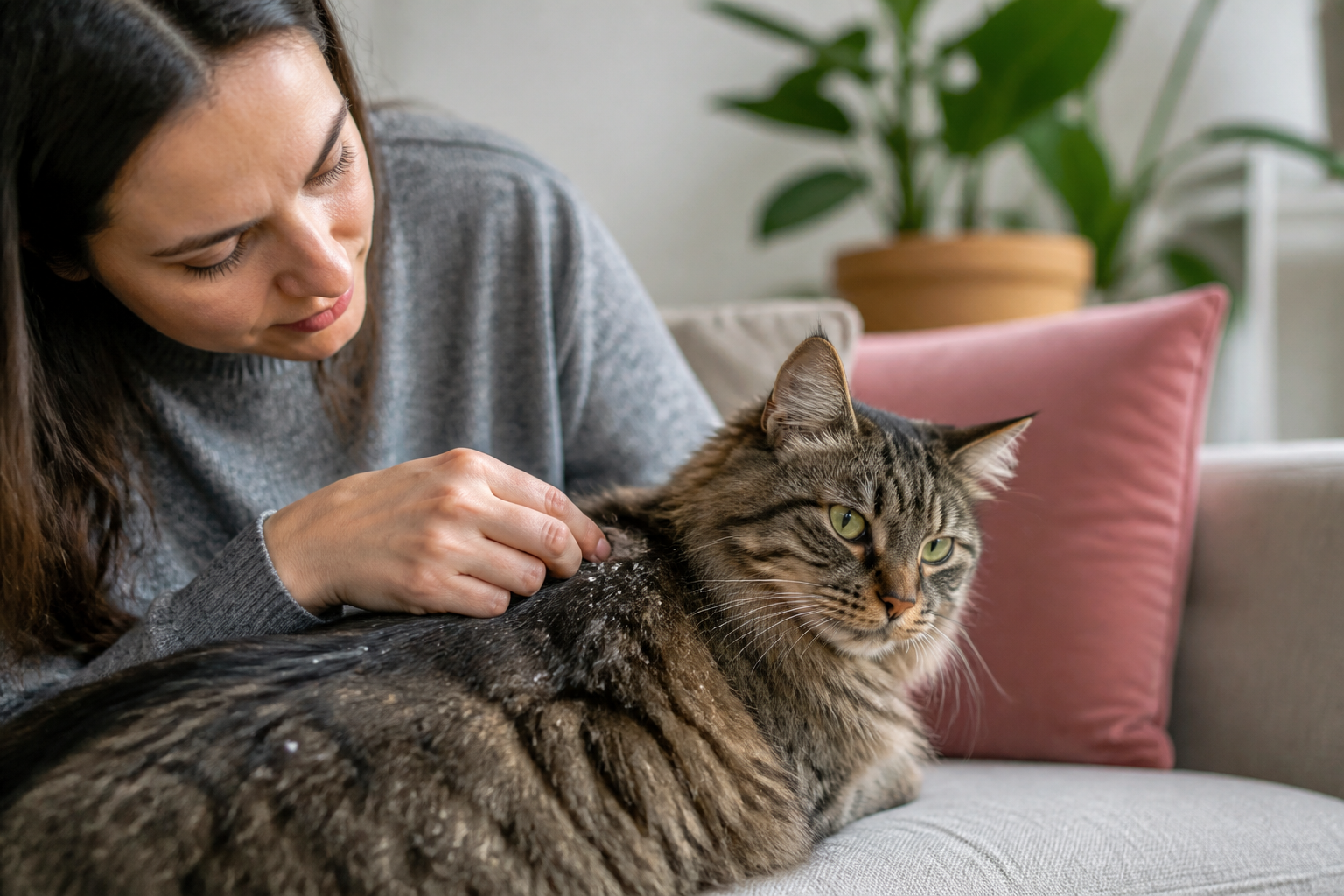
You are relaxing on the sofa with your cat when you notice small white flakes scattered across their fur. It looks like a dusting of snow along their spine. This discovery is a common moment for many pet owners. It often leads to the realization that your feline friend is dealing with dandruff. While it may look like a simple cosmetic issue, these flakes can tell you a lot about your cat’s internal health.
At BaxterBoo, we know that a shiny coat is a sign of a happy cat. This post covers why these flakes appear and how you can manage them at home. We will look at environmental causes, nutritional needs, and when it is time to call the vet. Our goal is to help you restore that silky, flake-free coat your cat deserves. Understanding the root cause is the first step toward better skin health for your pet.
Understanding Feline Dandruff vs. Dander
It is important to distinguish between dandruff and dander. Many people use these terms interchangeably, but they are quite different. Dander consists of microscopic skin cells that all healthy cats shed. You cannot see individual pieces of dander with the naked eye. It is the material that often triggers allergies in humans because it carries proteins from a cat’s saliva. Every cat produces dander as part of normal skin renewal.
Dandruff is different because the flakes are large enough to see. If your cat has white dandruff, you are looking at clumps of dead skin cells that have detached from the surface. This happens when the skin is too dry or too oily. It can also occur when the skin cells are turning over much faster than they should.
Quick Answer: Cat dandruff is the visible shedding of large skin flakes. It is often caused by dry air, poor nutrition, or difficulty grooming. While dander is microscopic and normal, visible dandruff usually indicates an underlying health or environmental issue.
Normal skin shedding is silent and invisible. When you start seeing white specks on a dark coat, the balance has shifted. This shift can be caused by something as simple as the weather or as complex as a hormonal imbalance.
Common Environmental Causes of Flaky Skin
The environment inside your home plays a major role in your cat's skin health. During the winter months, indoor heating systems strip moisture from the air. This dry air pulls moisture directly from your cat’s skin. The result is itchy, brittle skin that flakes off easily. This is a very common cause for cats that only seem to have dandruff during the colder parts of the year.
Low humidity is not the only culprit. Seasonal changes can also trigger mild skin reactions. If your home is very dry, you might notice your own skin feeling tight or itchy too. Cats are even more sensitive to these changes because they spend so much time near floor vents or radiators.
Managing Your Home Environment
- Use a humidifier in the rooms where your cat spends the most time.
- Keep your cat away from direct contact with heat vents.
- Ensure there is always fresh water available to support internal hydration.
- Avoid using harsh cleaning chemicals that might irritate their skin.
Key Takeaway: Environmental dryness is a leading cause of seasonal dandruff. Increasing the humidity in your home can often resolve mild flaking without further intervention.
The Role of Grooming and Physical Ability
Cats are famous for their grooming habits. They spend a large portion of their day cleaning themselves. This process does more than just keep them smelling fresh. Grooming distributes natural oils across the skin and removes dead cells before they can clump together. If a cat stops grooming effectively, dandruff is one of the first things you will see.
Several factors can prevent a cat from grooming properly. Obesity is a major factor in modern house cats. If a cat is overweight, they simply cannot reach certain parts of their body. You will often see the most dandruff along the lower back and the base of the tail in heavier cats. This is because they cannot twist far enough to reach those spots.
Age and Mobility Issues
Senior cats often face mobility challenges like arthritis. Joint pain makes the contortions required for grooming very uncomfortable. A cat with stiff joints may skip grooming their back or hindquarters entirely. This leads to a buildup of oils and dead skin. Dental disease can also make grooming painful. If their mouth hurts, they will stop using their tongue to clean their fur.
Vet Tip: If you notice dandruff mainly on your cat’s lower back, check their weight and mobility. Difficulty reaching these areas is a common sign of arthritis or obesity. A consultation with your veterinarian can help identify if pain management is needed.
For additional guidance, read our article on arthritis care for cats.
Nutritional Foundations for Healthy Skin
What goes into your cat’s body shows up on their skin. The skin is the largest organ of the body. It requires a significant amount of protein and healthy fats to maintain itself. If a cat’s diet is lacking in essential fatty acids, the skin barrier weakens. This leads to moisture loss and the inevitable white flakes.
Omega-3 and Omega-6 fatty acids are crucial for skin health. These are often found in high-quality fish oils. Many commercial diets include these, but some cats require higher levels. A diet that is too low in fat can lead to a dull, brittle coat. We carry brands like Farmina and Royal Canin that offer specific formulas for skin and coat support.
What to Look for in Cat Food
- High-quality animal protein as the first ingredient.
- Specific mentions of Omega-3 and Omega-6 fatty acids.
- Natural sources of Vitamin E, which acts as an antioxidant for skin cells.
- Limited fillers that do not provide nutritional value for the skin.
Bottom line: Quality nutrition is the foundation of a flake-free coat. Essential fatty acids help lock in moisture and support a strong skin barrier.
You can compare formulas and nutritional options in our cat food category.
When Mites Mimic Dandruff: Walking Dandruff
There is a specific type of parasite that looks exactly like dandruff. It is caused by the Cheyletiella mite. This condition is often called walking dandruff because the mites are white and large enough to see. When they move around on the skin, it looks like the flakes are crawling.
This condition is highly contagious between pets. It can also cause temporary itchy spots on humans. If you see flakes that seem to move, or if the dandruff is accompanied by intense itching, mites are a likely suspect. This requires specific medical treatment rather than just a change in shampoo.
Our pharmacy offers several options for parasite control through our partnership with Pet's Choice. If your vet confirms a mite infestation, you can find the necessary FDA-approved treatments through us. This includes medications that require a prescription to ensure the mites are fully eliminated.
Underlying Medical Conditions
Sometimes, white dandruff is a symptom of a deeper internal problem. The skin often reflects the health of the internal organs. Conditions like diabetes, hyperthyroidism, and kidney disease can all affect the coat. These illnesses can change the way a cat’s body processes nutrients or stays hydrated.
Hyperthyroidism, for example, often causes a greasy or unkempt coat. Diabetes can lead to poor skin quality and increased infections. Even chronic stress can lead to changes in grooming behavior and skin health. If your cat has dandruff along with changes in thirst, appetite, or energy levels, it is not just a skin issue.
Vet Tip: Always mention skin changes during your cat's annual wellness exam. Dandruff combined with weight loss or increased urination may point to metabolic issues like diabetes or hyperthyroidism. Early diagnosis is key to successful management.
Home Care and Grooming Solutions
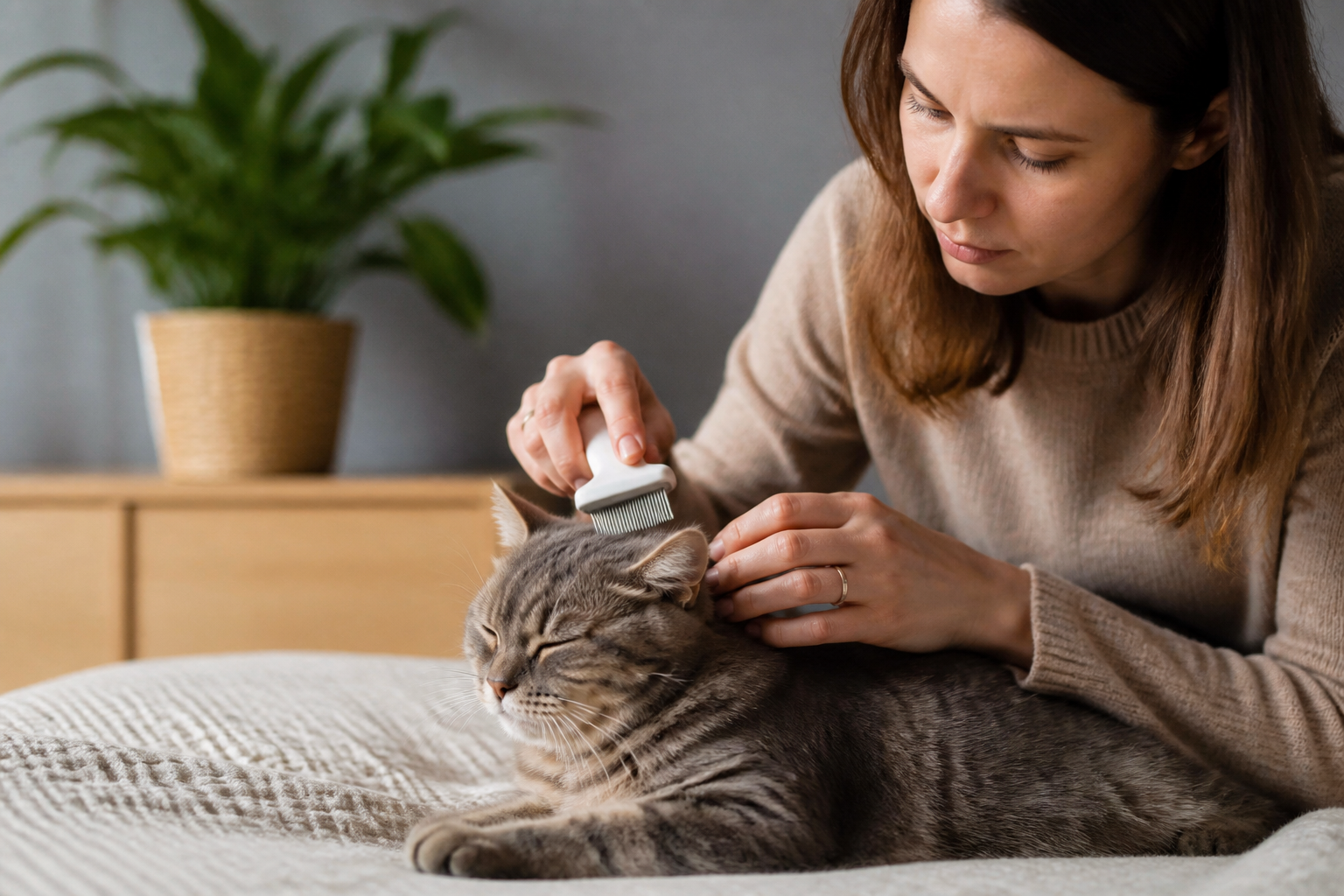
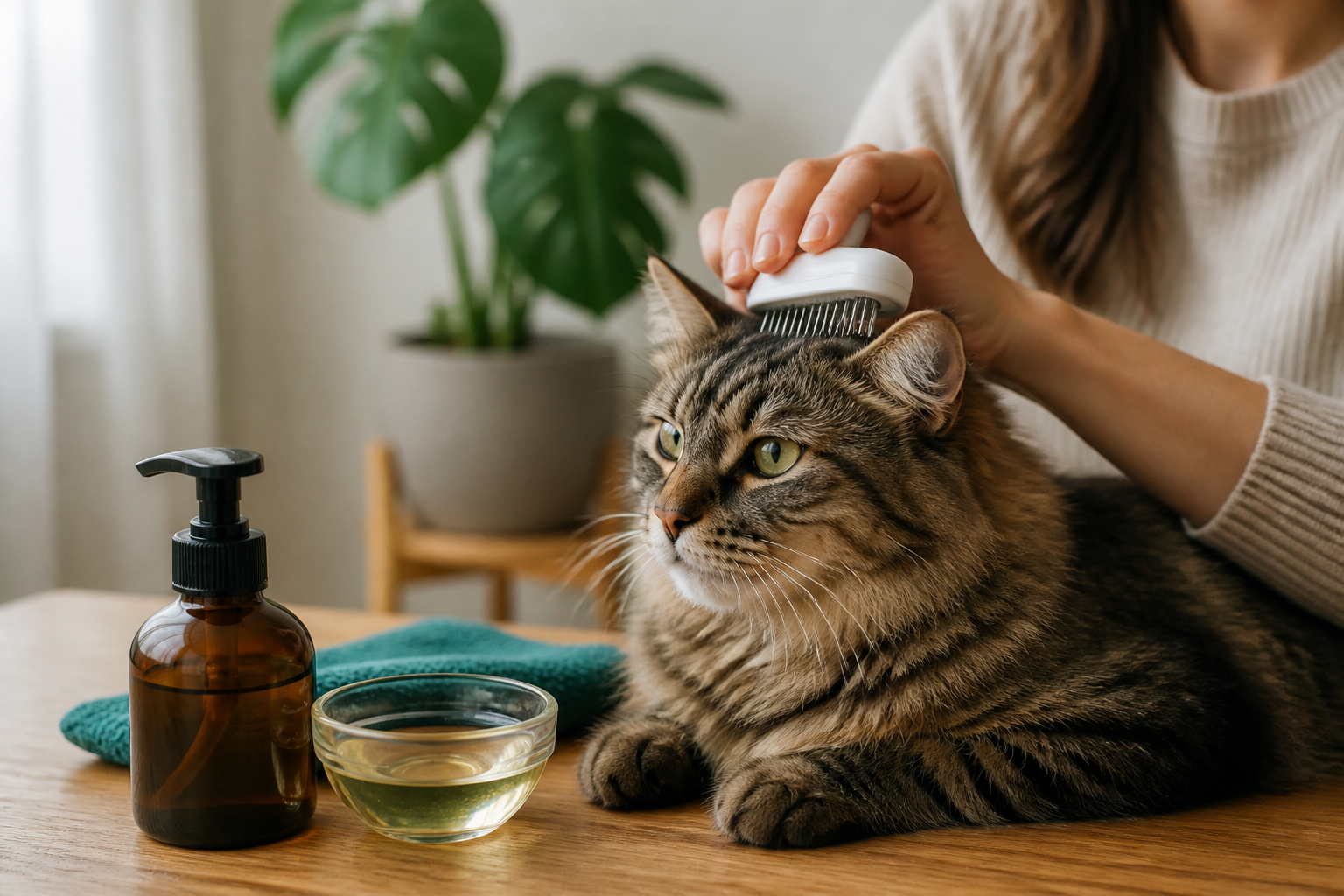
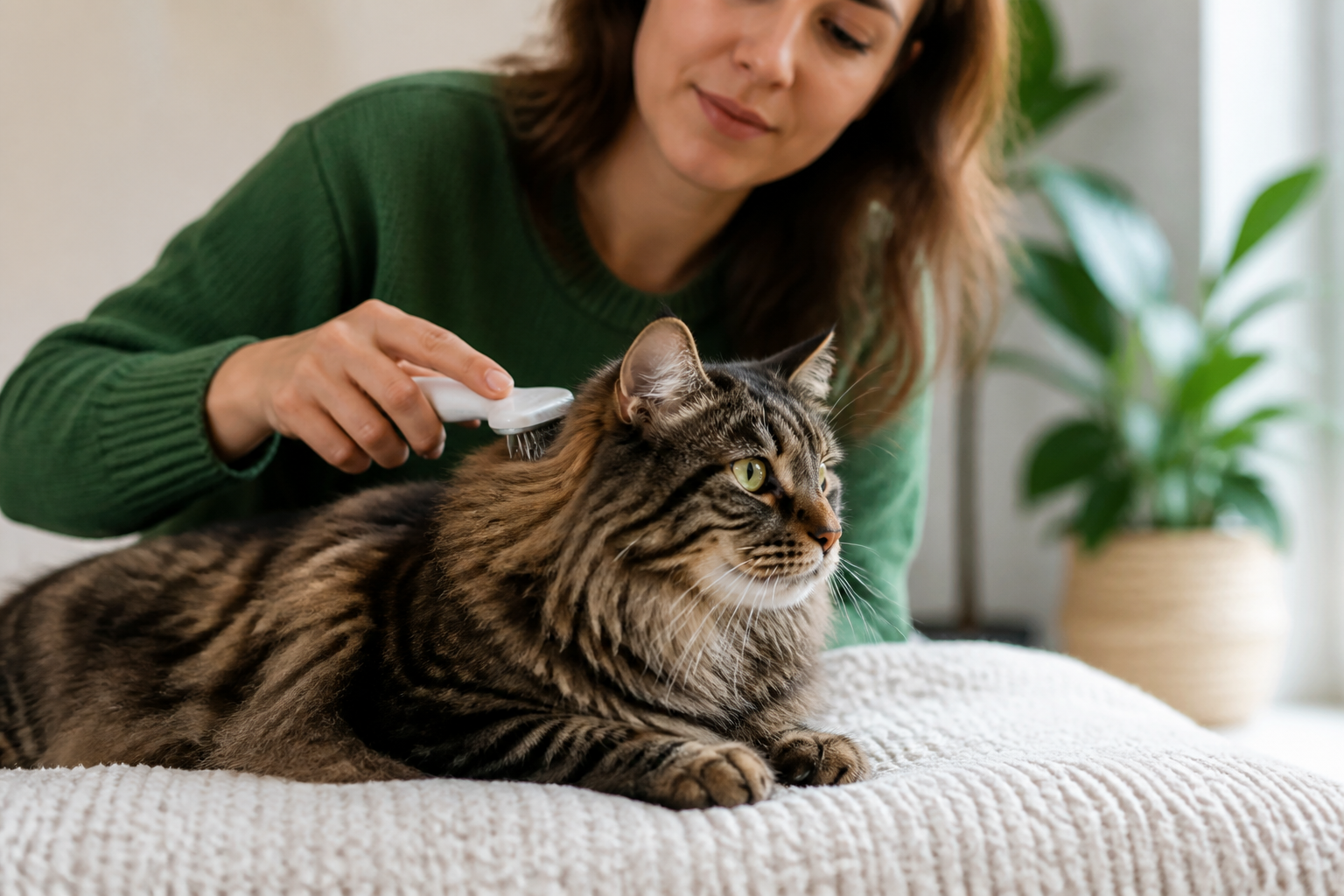
If your cat is struggling to keep themselves clean, you can step in to help. Regular brushing is one of the most effective ways to manage dandruff. Brushing mimics the action of a cat's tongue. It helps spread natural oils and manually removes the flakes.
For short-haired cats, a soft bristle brush or a grooming glove works well. Long-haired cats need more intensive care with combs designed to reach the undercoat. This prevents mats from forming, which can trap moisture and bacteria against the skin.
Step-by-Step Grooming for Dandruff
Step 1: Choose the right tool. / Use a soft brush for sensitive skin or a metal comb for thick undercoats.
Step 2: Brush in the direction of hair growth. / This feels most natural to the cat and prevents pulling on the skin.
Step 3: Focus on hard-to-reach areas. / Spend extra time on the lower back and base of the tail where flakes collect.
Step 4: Wipe down with a damp cloth. / A warm, damp cloth can help remove loose flakes after you finish brushing.
BaxterBoo offers a wide selection of grooming tools in our cat grooming category designed for all coat types. Regular sessions also give you a chance to check for lumps, bumps, or parasites like fleas.
The Importance of Flea and Tick Prevention
Fleas are a common cause of skin irritation in cats. Some cats have a specific allergy to flea saliva. This is called flea allergy dermatitis. Even a single bite can cause a massive reaction. This reaction often includes redness, intense itching, and significant dandruff.
Preventing fleas is much easier than treating an infestation. Indoor cats are not immune to fleas, as they can hitch a ride inside on your clothing or other pets. Using a monthly preventive is the best way to keep your cat's skin calm. We carry trusted brands like Frontline and NexGard to help keep your home parasite-free.
Key Takeaway: Flea prevention is a critical part of skin health. Even indoor cats should be on a regular preventive to avoid skin inflammation and dandruff.
Learn more about choosing the right products in our guide to flea and tick prevention.
You can also browse our cat flea and tick collection.
Supplements for Skin Support
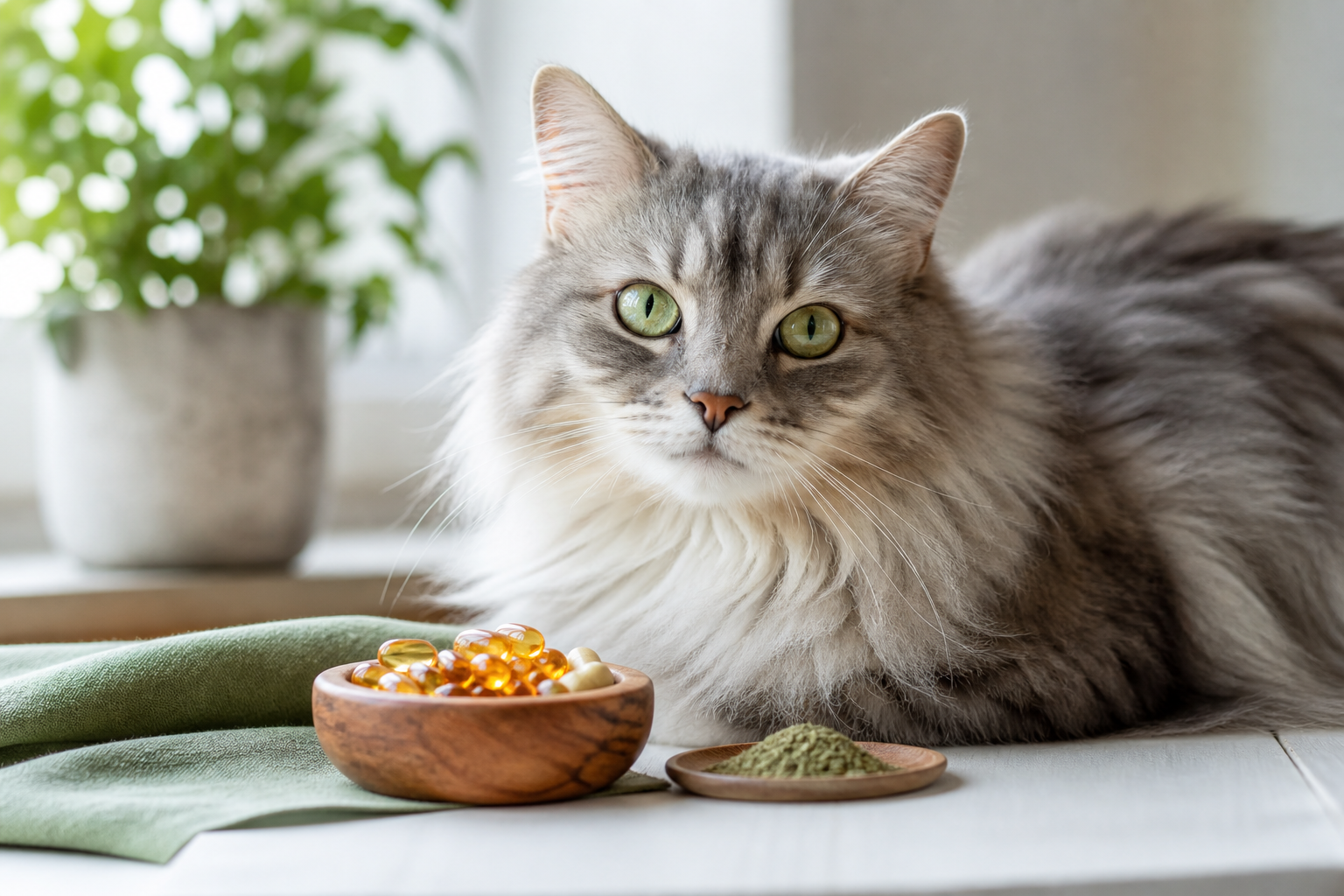
If your cat’s diet is already high quality but they still have dry skin, supplements may help. Fish oil is the most common recommendation. It is rich in EPA and DHA, which are types of Omega-3 fatty acids. These nutrients reduce inflammation in the skin and improve the overall texture of the coat.
Always check with your vet before adding supplements to your cat’s routine. They can help you determine the correct amount for your cat’s size. Brands like Zesty Paws or Honest Paws offer targeted skin and coat support that can be easily added to a daily meal.
Note: Results from skin supplements are not instant. It usually takes 4 to 6 weeks of consistent use to see a visible change in the coat. This is because it takes time for new, healthier skin cells to grow and reach the surface.
Pharmacy Access for Prescription Needs
When home remedies and over-the-counter supplements are not enough, you may need medical intervention. Some skin conditions require prescription-strength shampoos or medications. Fungal infections like ringworm can cause circular patches of flaky skin. Bacterial infections might require antibiotics to clear up.
Our pharmacy provides a convenient way to get these medications. By working with Pet's Choice, we offer FDA-approved prescription pet foods and medicines. If your vet prescribes a specific diet for skin allergies or a medication for a chronic condition, we can help fulfill that order. This ensures your cat gets exactly what the doctor ordered to resolve their dandruff.
Tips for Bathing Your Cat
Most cats do not need regular baths. In fact, bathing too often can strip away the very oils that protect their skin. However, if your cat has a greasy coat or a severe buildup of flakes, a bath might be necessary. Use only shampoos specifically formulated for cats. Human shampoos have a different pH balance and can make dandruff worse.
- Use lukewarm water, never hot.
- Rinse the coat thoroughly to remove all soap residue.
- Dry your cat completely with a soft towel.
- Avoid using hair dryers, as the heat can further dry out the skin.
If bathing is too stressful for your cat, consider using waterless shampoo or grooming wipes. These can help clean the fur without the drama of a full tub session.
For more information about flea collars and other prevention options, see how flea collars work.
Managing Weight for Better Grooming
As mentioned earlier, obesity is a primary reason cats stop grooming. If your cat cannot reach their tail, they cannot stop dandruff from forming. Helping your cat reach a healthy weight is a long-term solution for skin health.
This usually involves a combination of portion control and increased activity. Interactive toys can encourage your cat to move more. We also carry weight management diets, such as Farmina Vet Life, designed to help cats lose weight safely.
Bottom line: A healthy weight allows for better grooming. Helping your cat stay slim is one of the best ways to ensure they can care for their own skin and coat.
For additional ideas, explore our guide to helping an indoor cat lose weight.
Conclusion
If your cat has white dandruff, it is usually a sign that their skin needs a little extra support. Whether the cause is dry winter air, a need for better nutrition, or a physical hurdle like arthritis, there are many ways to help. Start by improving the humidity in your home and establishing a daily brushing routine. Check their diet for essential fatty acids and ensure they are protected from parasites.
- Brush your cat daily to distribute natural oils.
- Add a humidifier to your home during dry months.
- Ensure high-quality nutrition with Omega-3 fatty acids.
- Consult a vet if dandruff is accompanied by itching or behavior changes.
Key Takeaway: Most cases of feline dandruff can be managed with improved grooming, nutrition, and environmental changes. If symptoms persist, our pharmacy is here to provide the prescription support your vet recommends.
For all your grooming and skin care needs, visit our Cat Health and Wellness category to find the right solutions for your feline friend.
FAQ
Is it normal for my cat to have a little bit of dandruff?
A few small flakes can be normal, especially during seasonal changes or in very dry climates. However, if the dandruff is heavy, persistent, or occurs along with redness and itching, it usually indicates an underlying issue. It is always best to monitor your cat's grooming habits and skin condition closely.
Can I use human dandruff shampoo on my cat?
No, you should never use human dandruff shampoo on a cat. These products contain chemicals and a pH balance that can be toxic or highly irritating to feline skin. Always use a shampoo specifically formulated for cats, and consult your vet before starting any medicated baths.
Why does my cat only have dandruff on their lower back?
Dandruff concentrated on the lower back often signals that the cat cannot reach that area to groom. This is very common in overweight cats or senior cats with arthritis. Improving their mobility or helping them with daily brushing can solve this specific problem.
How long does it take for cat dandruff to go away?
If the cause is environmental or nutritional, you may see improvement within a few weeks of making changes. If you are using supplements like fish oil, it can take 4 to 6 weeks for the new, healthy skin to appear. If the cause is a medical condition or parasite, the dandruff will usually resolve once the primary issue is treated.