Save 15% on your 1st Autoship learn more

 Email us
 Live Chat
 FAQs
FAQs





Introduction
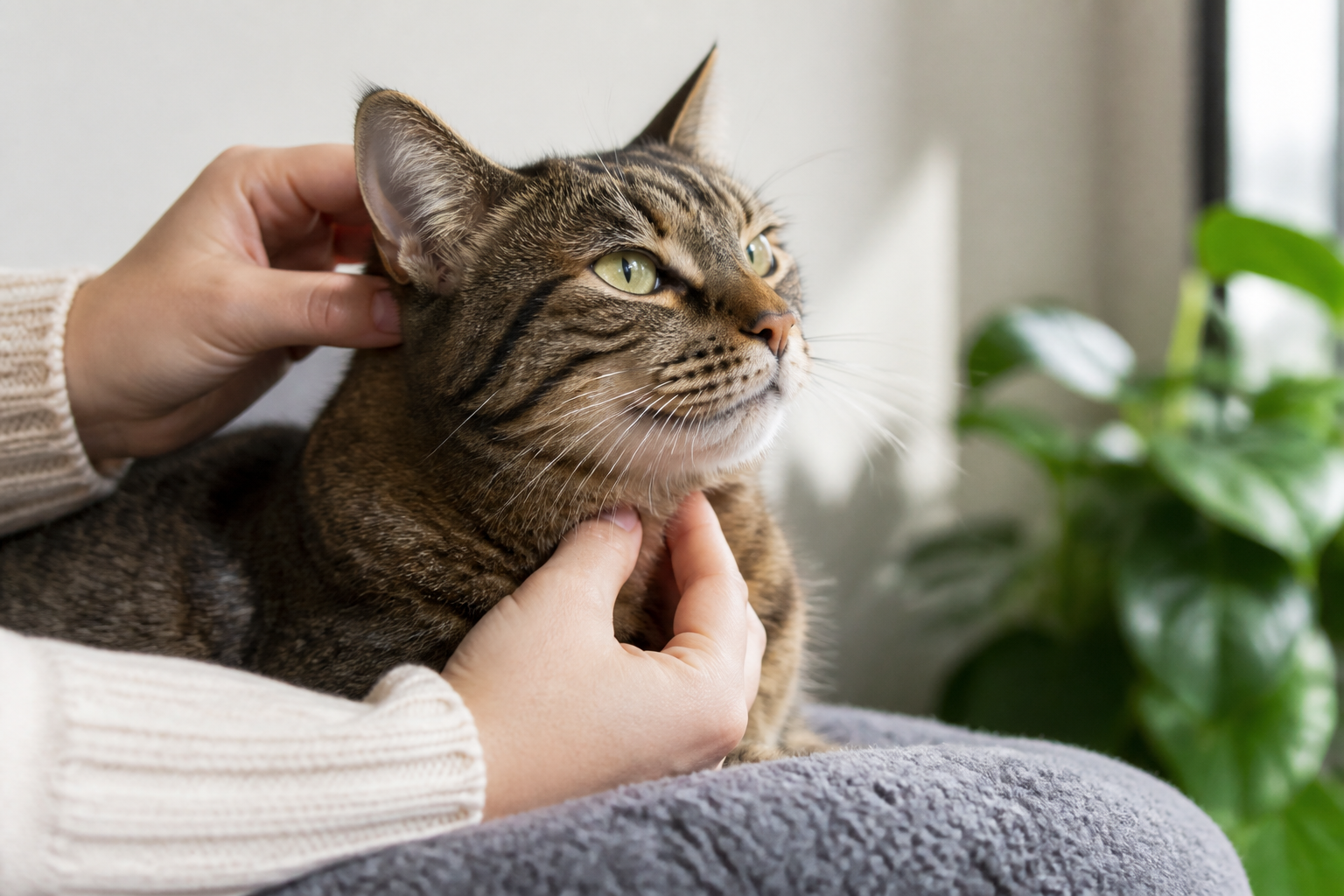
Petting your cat should be a relaxing moment for both of you. It is frustrating when you pull your hand away only to find it covered in tiny white flakes. Seeing your cat covered in dandruff can be a surprise, especially if they usually have a sleek and shiny coat. This flaking is often more than just a cosmetic issue. It is a signal from your cat's body that something in their environment, diet, or health needs attention.
At BaxterBoo, we talk to pet owners every day who are looking for ways to support their cat's skin and coat health. This post covers the common causes of feline dandruff, from dry winter air to underlying medical conditions. We will also look at practical steps you can take at home to help your cat feel better. Understanding why these flakes appear is the first step toward restoring your cat's comfort and coat quality.
What Is Feline Dandruff?
Feline dandruff consists of dead skin cells that have clumped together and shed from the body. While every cat sheds skin cells as part of a natural cycle, dandruff happens when that process speeds up or when the skin becomes too dry or oily. You will usually notice it as white or gray flecks trapped in the fur. It is most common along the lower back and near the base of the tail.
It is important to distinguish between dandruff and dander. These two terms are often used interchangeably, but they are very different. All cats have dander, but not all cats have dandruff.
Dandruff vs. Dander
Dander refers to the microscopic skin cells that cats shed naturally every day. You cannot see dander with the naked eye. It is perfectly normal and is the primary carrier of the proteins that cause allergies in humans.
Dandruff is visible. It involves larger flakes that sit on top of the fur or deep within the coat. If you see white spots on your cat's dark fur, you are looking at dandruff. While dander is a sign of a healthy skin cycle, visible dandruff usually suggests an imbalance that needs to be addressed.
Quick Answer: Feline dandruff is a visible buildup of dead skin cells that flake off the skin. It is usually caused by skin irritation, poor grooming, or underlying health issues, whereas dander is microscopic and normal for all cats.
Common Environmental and Lifestyle Causes
Sometimes the reason a cat is covered in dandruff has nothing to do with their health and everything to do with their surroundings. Cats are sensitive to the world around them. Even small changes in your home can affect the moisture levels in their skin.
Low Humidity and Dry Air
During the winter months, indoor heating systems strip moisture from the air. This dry environment can cause a cat's skin to become brittle and flaky. If you notice the dandruff only appears when the temperature drops, the humidity in your home is likely the culprit. Using a humidifier in the rooms where your cat spends the most time can make a significant difference.
Grooming Challenges: Weight and Age
Cats are famous for their grooming habits, but some cats simply cannot reach every spot. If a cat is overweight, they may struggle to groom their lower back or the base of their tail. This is exactly where dandruff tends to build up most.
Older cats with arthritis or joint stiffness face similar problems. If it hurts to twist and reach, they will stop grooming those difficult areas. Without regular grooming to distribute natural oils and remove dead skin, dandruff accumulates quickly. We often suggest that owners of senior or overweight cats take over the grooming duties to help keep the skin clear.
Undercoat Buildup
Cats with thick undercoats need extra help. If dead hair and skin cells get trapped beneath the top layer of fur, they form a layer of debris. This prevents the skin from breathing and traps oils, leading to irritation and flaking. Regular brushing is the only way to prevent this type of buildup.
Key Takeaway: Environmental factors like dry air and physical limitations like obesity or arthritis are the most common non-medical reasons for feline dandruff.
Nutrition and Your Cat's Coat
What your cat eats has a direct impact on the health of their skin. The skin is the largest organ of the body, and it requires a huge amount of protein and healthy fats to stay supple. If a diet is lacking in specific nutrients, the skin is often the first place to show signs of trouble.
The Role of Essential Fatty Acids
Omega-3 and Omega-6 fatty acids are vital for skin health. These fats help maintain the skin's moisture barrier. Without them, the skin becomes dry and the hair loses its shine. Many commercial foods contain these fats, but some cats may need higher levels than what is found in standard kibble.
High-quality brands like Stella and Chewy's or Open Farm often focus on these essential nutrients. If your cat's skin is consistently dry, you might consider a food transition or a supplement. Explore our cat food selection when comparing nutrition options.
Hydration and Skin Elasticity
Cats have a low thirst drive. If they eat only dry food, they may live in a state of mild dehydration. Dehydrated skin loses its elasticity and is more prone to flaking. Adding wet food from brands like Tiki Cat or Fussie Cat can increase their daily water intake. This simple change often helps improve the overall texture of the skin.
| Nutrient | Benefit for Skin | Source Examples |
|---|---|---|
| Omega-3 Fatty Acids | Reduces inflammation and maintains moisture | Fish oil, salmon, flaxseed |
| Protein | Provides building blocks for skin cells | Chicken, turkey, beef |
| Vitamin E | Protects skin cells from damage | Supplements, fortified foods |
| Zinc | Supports skin repair and growth | Whole meats, supplements |
When Dandruff Signals a Health Problem
While dry air or a poor diet are common, sometimes a cat covered in dandruff is dealing with a medical issue. If you notice other symptoms like redness, intense itching, or hair loss, it is time to look closer.
External Parasites and Walking Dandruff
Fleas and ticks are common causes of skin irritation. However, there is a specific parasite called the Cheyletiella mite that is often confused with simple dandruff. This condition is actually nicknamed "walking dandruff."
If you look very closely at the white flakes on your cat and see them moving, your cat likely has these mites. They are highly contagious between pets. If you suspect mites or see heavy flea activity, a visit to the vet is necessary. You can also review our cat flea and tick collection for prevention options.
Skin Infections and Allergies
Bacterial and fungal infections, such as ringworm, can cause the skin to scale and flake. Ringworm often presents in circular patches, but it can sometimes look like a general case of heavy dandruff.
Allergies are another major factor. Cats can be allergic to ingredients in their food or environmental triggers like dust and pollen. These allergies often cause the skin to become inflamed. The cat may over-groom the area, which leads to even more irritation and flaking.
Systemic Health Conditions
In some cases, dandruff is a secondary symptom of a larger health problem. Conditions like diabetes, hyperthyroidism, and kidney disease can all affect the quality of a cat's coat. These illnesses change how the body processes nutrients and manages hydration. If your cat has dandruff along with changes in thirst, appetite, or weight, please consult your veterinarian for a full checkup.
Vet Tip: If your cat's dandruff is accompanied by sores, redness, or a foul odor, do not try to treat it at home. These are signs of a primary infection or parasite infestation that requires professional diagnosis and prescription medication.
For additional context about parasite protection, read our guide to flea and tick prevention products.
Managing and Preventing Flaky Skin
Once you have ruled out serious medical issues, you can focus on a management routine. Consistency is the key to keeping a cat's skin healthy and flake-free.
Establishing a Grooming Routine
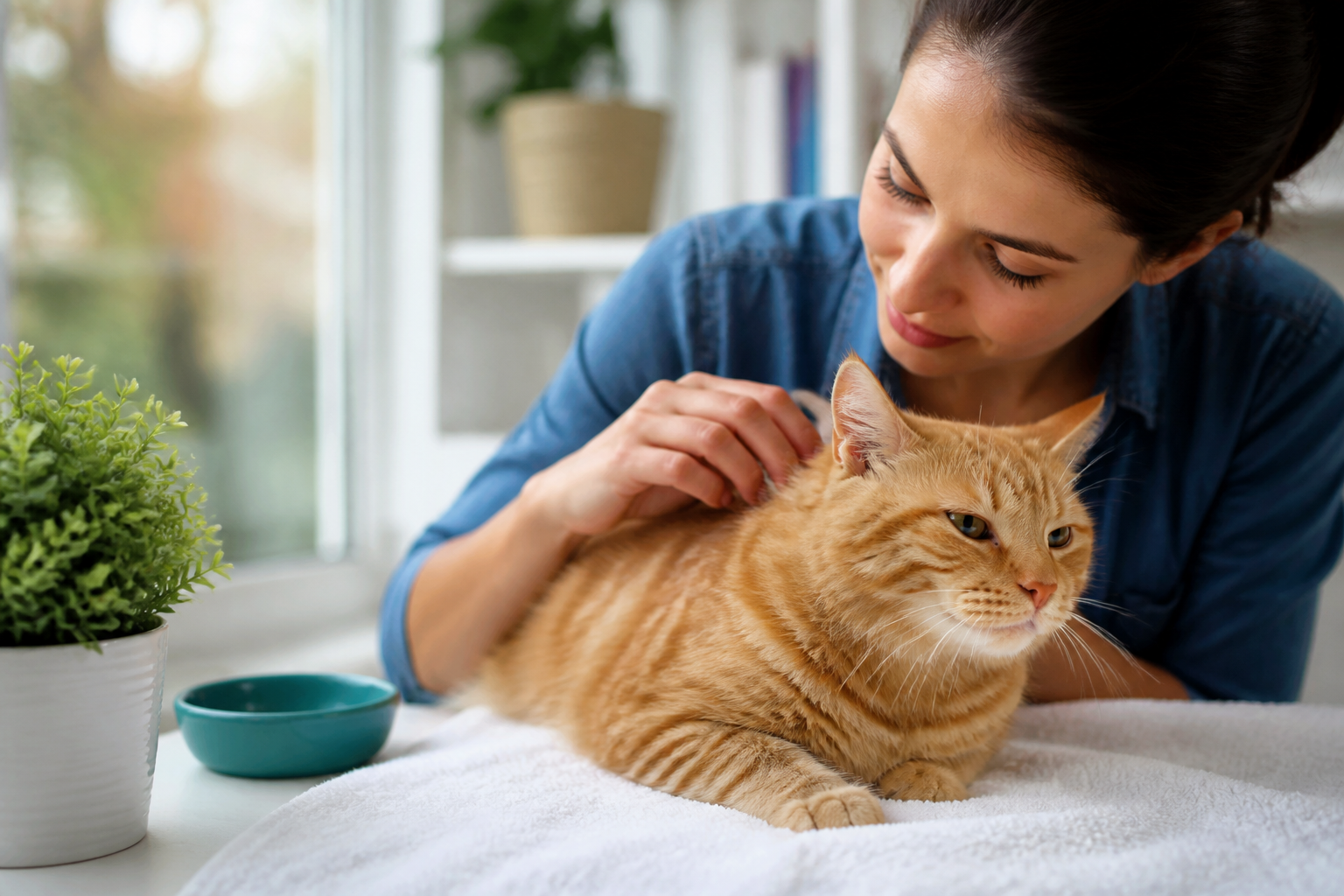
The most effective way to manage dandruff is regular brushing. This does more than just remove the flakes you see. Brushing stimulates the skin and helps distribute the natural oils that keep the coat healthy.
Step 1: Choose the right tool. Use a soft bristle brush for short-haired cats and a metal comb or slicker brush for long-haired cats. Our cat grooming tools include brushes, combs, wipes, and shampoos for routine coat care.
Step 2: Brush in the direction of hair growth. Start at the head and work your way back toward the tail.
Step 3: Pay extra attention to the lower back. This is where oils and dead skin accumulate most.
Step 4: Keep sessions short. If your cat is not used to brushing, start with two minutes a day and offer treats to build a positive association.
For more product-specific guidance, see our selection of cat brushes and combs.
Using the BaxterBoo Pharmacy
If your veterinarian determines that your cat's dandruff is caused by an infection, parasites, or a chronic health condition, they may prescribe specific treatments. We offer a convenient way to manage these needs through our cat pharmacy.
Our pharmacy provides FDA-approved medications and prescription pet foods through our partnership with Pet's Choice. Whether your cat needs a prescription flea preventive or a specialized veterinary diet like Farmina Vet Life, you can have it delivered directly to your door. This is a practical next step for owners managing ongoing health concerns that go beyond simple grooming.
Bottom line: Daily brushing and a high-quality diet are the foundations of skin health, but medical causes require professional treatment through a vet and a trusted pharmacy.
For an overview of prescription options and common treatments, read our guide to pet medications.
How to Choose the Right Products
With so many options available, it can be hard to know what will actually help. Avoid using human dandruff shampoos on your cat. These products contain chemicals that are far too harsh for feline skin and can even be toxic if the cat licks their fur.
Look for grooming wipes or waterless shampoos specifically formulated for cats. These can help remove existing flakes without the stress of a full bath. Products containing oatmeal or aloe are often soothing for dry skin. If you are looking for nutritional support, supplements from brands like Zesty Paws or Honest Paws can provide the extra fatty acids your cat might be missing. You can browse our cat skin and coat care products for additional options.
Conclusion
A cat covered in dandruff is usually a sign that the skin's natural balance has been disrupted. Whether the cause is a dry home, a lack of grooming, or a nutritional gap, most cases are manageable with the right approach. Start by increasing humidity and starting a daily brushing routine. If the flakes persist or you see signs of discomfort, work with your vet to rule out medical conditions.
Our goal is to help you keep your pets happy and healthy. By staying consistent with grooming and high-quality nutrition, you can help your cat regain a glossy, flake-free coat. For those who need extra support, we invite you to explore the BaxterBoo pharmacy for prescription diets and medications. You can also join the MVP Rewards programme to earn points on every purchase of grooming tools and premium cat food.
FAQ
Can I catch dandruff from my cat?
You cannot catch simple dandruff caused by dry skin or poor grooming. However, if your cat's flakes are actually caused by ringworm or Cheyletiella mites, those are contagious to humans. It is always best to have a vet check the cause of heavy flaking if you or other pets start showing skin irritation.
Should I bathe my cat to get rid of dandruff?
Bathing a cat too often can actually make dandruff worse by stripping away natural oils. Most cats do not need regular baths. Instead of a full bath, try using a damp cloth or cat-specific grooming wipes to gently remove surface flakes while you address the underlying cause.
Is dandruff painful for cats?
Dandruff itself is not usually painful, but the conditions that cause it can be very uncomfortable. Dry skin can feel tight and itchy, while parasites and infections can cause significant irritation. If your cat is scratching constantly or has red skin, they are likely in some level of distress.
How long does it take for cat dandruff to go away?
If the cause is environmental or nutritional, you may see improvement within two to four weeks of making changes. Skin cells take time to regenerate, so you must be patient with new grooming routines or diet transitions. If there is no improvement after a month, a veterinary consultation is the next step.