
 Save 15% on your 1st Autoship learn more

 Email us
 Live Chat
 FAQs
FAQs





Why Organic Cat Treats Are Worth It for Your Cat's Health
Cat treats organic options are the go-to choice for pet parents who want to reward their cats without hidden chemicals, fillers, or artificial additives.
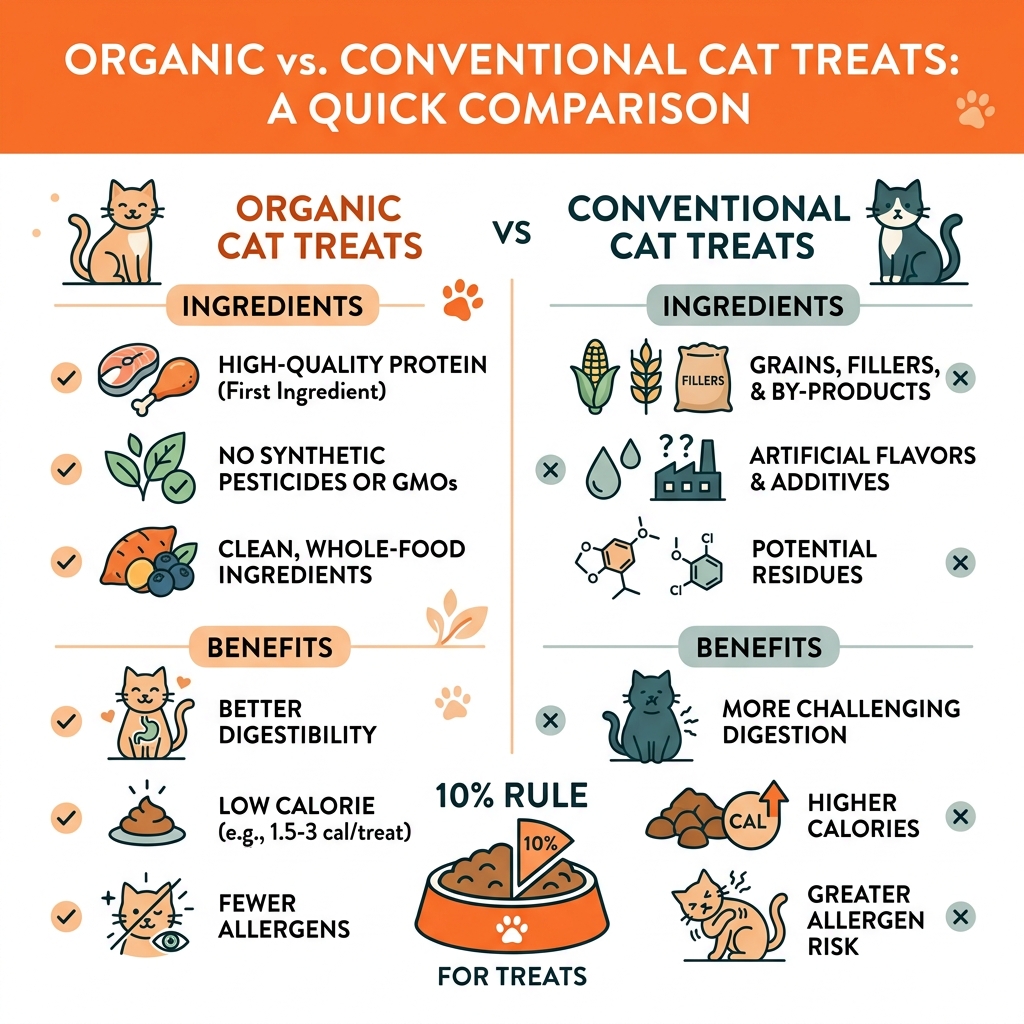
Here's a quick look at the top reasons to choose organic cat treats:
- No synthetic pesticides or GMOs - ingredients are grown and raised to strict organic standards
- Higher-quality protein - real meat, fish, or poultry as the first ingredient
- Fewer allergens - limited ingredients mean less risk of reactions
- Better digestibility - clean, whole-food ingredients are easier on your cat's gut
- Low calorie - many organic treats average just 1.5 to 3 calories per treat, making them safe for daily use
Cats are obligate carnivores. Their bodies are built for high-protein, low-carb diets — just like their wild ancestors ate. Most conventional treats are packed with grains, fillers, and artificial flavors that simply don't match what a cat's body needs.
Organic treats are different. They're made to work with your cat's biology, not against it.
And the 10% rule matters here: treats should make up no more than 10% of your cat's daily calorie intake. With low-calorie organic options, it's much easier to stay within that limit while still spoiling your kitty.
Choosing the Best Cat Treats Organic Options for Health
When we walk down the pet food aisle, the word "natural" is everywhere. But as savvy pet parents, we need to look closer. While "natural" generally means the absence of synthetic colors or flavors, cat treats organic labels carry much more weight. Organic refers to a strictly regulated method of production and processing.
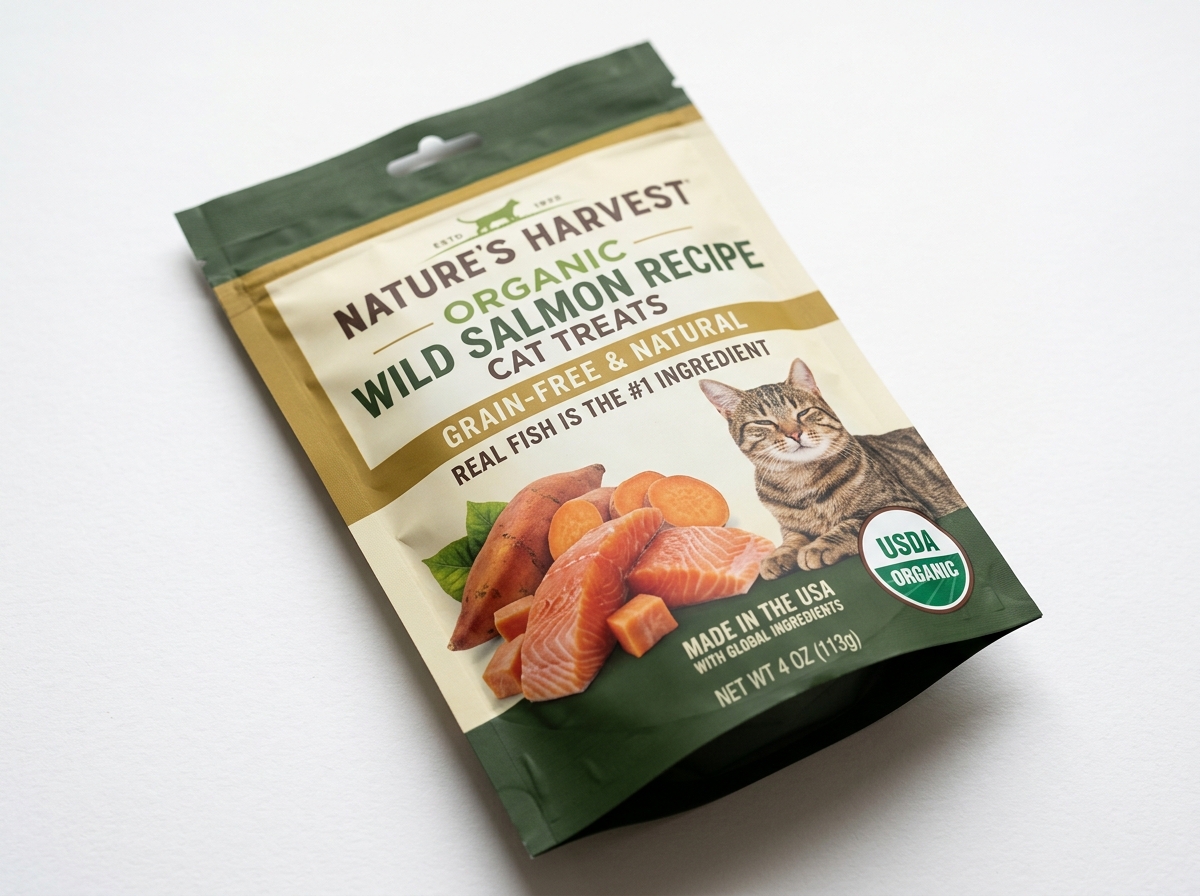
To carry the USDA Organic seal, treats must meet rigorous standards. This means the ingredients are grown without synthetic pesticides, bioengineered genes (GMOs), or petroleum-based fertilizers. For the meat components, it ensures the livestock were raised in living conditions accommodating their natural behaviors, fed 100% organic feed, and managed without antibiotics or hormones.
Conventional treats often contain "meat by-products" or "animal digest," which are vague terms for lower-quality protein sources. Organic options, however, prioritize transparency. By choosing organic, you are effectively removing many of the environmental toxins that can accumulate in a cat’s system over time. According to VCA Animal Hospitals, identifying quality treats involves looking for specific protein sources and avoiding those with excessive fillers or humectants like glycerin.
Benefits of Single-Ingredient Cat Treats Organic Varieties
If your cat has a sensitive stomach or you simply want the purest experience possible, single-ingredient treats are the gold standard. These treats are typically made through freeze-drying, a process that removes moisture while locking in the raw nutritional profile, aroma, and flavor of the meat.
Because cats are ancestral hunters, their digestive tracts are optimized for animal protein. Single-ingredient options like Orijen Freeze Dried Cat Treats Six Fish provide a powerhouse of protein without any hidden carbohydrates.
Common stars in the organic and single-ingredient world include:
- Minnows: These tiny whole fish are nutritional powerhouses. For instance, freeze-dried minnows often contain about 74% protein and are naturally rich in Omega-3 fatty acids.
- Duck Liver: A nutrient-dense organ meat that is highly palatable even for the pickiest felines. It averages about 2 calories per treat, making it a guilt-free reward.
- Chicken Breast: Pure poultry provides lean protein. Options like Catit Nibbly Grills Cat Treats Chicken Shrimp offer that meaty texture cats crave while maintaining a clean ingredient deck.
How to Identify Certified Cat Treats Organic Labels
Reading a pet food label can feel like deciphering a secret code. To ensure you are getting the best for your kitty, look for these specific certifications:
- USDA Organic: This is the big one. If a product says "100% Organic," every ingredient must be certified. If it simply says "Organic," at least 95% of the ingredients are organic.
- Global Animal Partnership (GAP): This certification focuses on animal welfare. Brands that partner with Global Animal Partnership ensure that the meat used in their treats comes from animals raised humanely, with more space and less stress.
- Marine Stewardship Council (MSC): If you are buying fish-based treats, look for the blue MSC label. This ensures the seafood was caught using sustainable fishing practices that protect ocean health and prevent overfishing.
Key Ingredients and Wellness Benefits
What exactly goes into a high-quality organic treat? It isn't just about what is left out (like corn, soy, and wheat), but what is included. We see a trend toward functional ingredients that do more than just taste good—they support your cat's long-term health.
- Wild-Caught Fish: Unlike farmed fish, wild-caught varieties like salmon or cod are often higher in minerals and free from the antibiotics sometimes used in aquaculture.
- Grass-Fed Beef: Beef sourced from pasture-raised cattle tends to have a better ratio of healthy fats.
- Pumpkin: A fantastic source of soluble fiber, pumpkin is often added to organic treats to help regulate digestion and soothe upset stomachs.
- Catnip: Beyond the "high" it gives some cats, organic catnip can be a healthy addition to treats, especially when paired with high-quality proteins.
- Lickable Purees: For cats who struggle with hydration or prefer softer textures, Applaws Lickable Puree Cat Treat Variety Selection offers a moisture-rich way to reward your pet using clean ingredients.
Supporting Digestive and Joint Health
As cats age, their needs change. Many organic treat manufacturers now include specific supplements to address common feline ailments.
Probiotics and Gut Health: Some modern treats are infused with Bacillus coagulans, a hardy probiotic that survives the manufacturing process to support a healthy gut microbiome. This is particularly helpful for cats prone to hairballs or irregular movements.
Joint Support: Ingredients like Green Lipped Mussels, found in K9 Natural Freeze Dried Healthy Bites Green Mussels, are naturally rich in glucosamine and chondroitin. These help maintain joint cartilage and reduce inflammation.
Anti-Inflammatory Boosts: Turmeric is occasionally added to organic formulations. Its active compound, curcumin, is known for its antioxidant and anti-inflammatory properties, which can benefit overall feline wellness. Even more mainstream-style snacks like Purina Friskies Party Mix Beachside Crunch are being looked at more closely by owners who want to balance fun textures with better-sourced ingredients.
Solutions for Allergies and Sensitivities
Does your cat itch incessantly or have frequent "tummy troubles"? Food sensitivities are more common than you might think. Grains like wheat and corn are frequent culprits, but some cats are also sensitive to specific proteins like chicken.
Organic, grain-free, and limited-ingredient treats are the answer. By using a single protein source—such as Smart Cookie Barkery Freeze Dried Salmon—you can easily perform an elimination diet to see what works for your cat. Organic treats are also gluten-free and avoid "fillers" like glycerin or carrageenan, which can cause inflammation in sensitive cats.
Safe Feeding Guidelines for Feline Wellness
Even the healthiest cat treats organic options contain calories. Obesity is a leading health crisis for indoor cats, leading to diabetes, joint pain, and a shortened lifespan.
To keep your kitty in tip-top shape, follow these guidelines:
- The 10% Rule: Treats should never exceed 10% of your cat's total daily calories. If your cat requires 200 calories a day, only 20 should come from treats.
- Check the Label: Many freeze-dried treats are incredibly low in calories (2–3 kcal per treat), which allows you to give a few more than you could with dense, baked biscuits.
- Adjust Mealtime: If you've had a heavy training session with lots of rewards, consider slightly reducing their dinner portion to compensate.
- Metabolic Health: For cats with existing conditions like diabetes, low-carb organic treats are essential. Because they lack the sugars and starches found in cheap treats, they are less likely to cause dangerous blood sugar spikes. VCA Hospitals suggests that monitoring treat intake is a vital part of managing a cat's weight and metabolic health.
Training and Relationship Building
Who says you can't train a cat? Using high-value organic rewards can help you teach your cat to come when called, stay off counters, or even perform tricks.
- Positive Reinforcement: Give the treat immediately after the desired behavior. The smell of real, organic meat is a much stronger motivator than artificial scents.
- Soft-Chew Textures: For older cats or kittens, soft chews are easier to eat quickly during a training session.
- Food Toppers: If your cat is a picky eater, try crushing a few freeze-dried organic treats—like Dr Marty Joeys Favorite Freeze Dried Salmon—over their regular kibble or wet food. The intense natural aroma often encourages them to finish their meal.
Sustainability and Ethical Sourcing Practices
Choosing organic isn't just a win for your cat; it's a win for the planet. Leading organic brands are increasingly focused on their environmental footprint.
One exciting trend is the use of upcycled ingredients. Some brands use "imperfect" organic fruits or vegetables (like cranberries or pumpkins) that are nutritionally perfect but would otherwise be discarded by grocery stores. This reduces food waste and supports a circular economy.
Furthermore, sourcing proteins locally within the US helps reduce the carbon footprint associated with international shipping. Brands like Stella Chewys Freeze Dried Chicken Heart and Open Farm Dehydrated Turkey Treats emphasize transparent supply chains, ensuring that the animals were raised with respect and the farmers were treated fairly. Many organic treats also now come in recyclable packaging, helping us reduce the amount of plastic that ends up in landfills.
Frequently Asked Questions about Organic Cat Treats
Are organic treats better for cats with diabetes?
Yes. Cats with diabetes require a diet that is very high in protein and very low in carbohydrates. Many conventional treats use grains, honey, or molasses as binders, which can cause blood sugar to spike. Organic, freeze-dried, single-ingredient treats are almost purely protein and fat, making them a much safer choice for diabetic felines.
How many organic treats can my cat have daily?
This depends on your cat's weight and activity level, but the 10% rule is the best guide. If an organic treat is 2 calories, and your cat has a 20-calorie treat "budget," they could technically have 10 treats. However, it's always best to spread these out throughout the day to keep them engaged.
What is the difference between "natural" and "organic" labels?
"Natural" is a broad term that usually means no artificial colors or flavors were added after harvest. "Organic" is a legal certification that governs how the ingredients were grown or raised from day one—including the soil quality, the absence of pesticides, and the humane treatment of livestock. Organic is a much stricter and more transparent standard.
Conclusion
At BaxterBoo, we believe that every pet deserves to live their healthiest, happiest life. Our commitment to pet wellness means we don't just sell products; we expertly curate a range of high-quality, vet-approved, and organic options that we would feel confident giving to our own furry family members.
Whether you are looking for a high-value training reward, a way to soothe a sensitive stomach, or simply a way to show your kitty some love, choosing organic is an investment in their longevity. By prioritizing pure proteins and ethical sourcing, you’re giving your cat the premium nutrition they were born to eat.
Ready to upgrade your cat's snack game? Shop the full collection of organic cat treats at BaxterBoo today and see the difference that real, clean ingredients can make!






