Save 15% on your 1st Autoship learn more

 Email us
 Live Chat
 FAQs
FAQs





Introduction
If you have ever watched your rabbit finish a bowl of pellets in thirty seconds and then look at you for more, you know the struggle. Many bunnies grow bored quickly when their food is served in a simple bowl. This boredom often leads to destructive chewing on your baseboards or carpets. At BaxterBoo, we see many pet owners looking for ways to keep their small animals busy and mentally satisfied. A bunny snuffle mat is one of the most effective tools for turning mealtime into a stimulating game. This post covers why foraging is essential for rabbit health and how to choose the best mat for your pet. We will also look at safety tips and cleaning routines. Providing the right enrichment helps your rabbit live a more natural and fulfilled life.
Quick Answer: A bunny snuffle mat is a fabric enrichment toy designed with felt or fleece strips that hide pellets and treats. It encourages natural foraging behaviors, slows down fast eaters, and provides vital mental stimulation to prevent boredom and destructive habits.
Understanding the Concept of Snuffle Mats
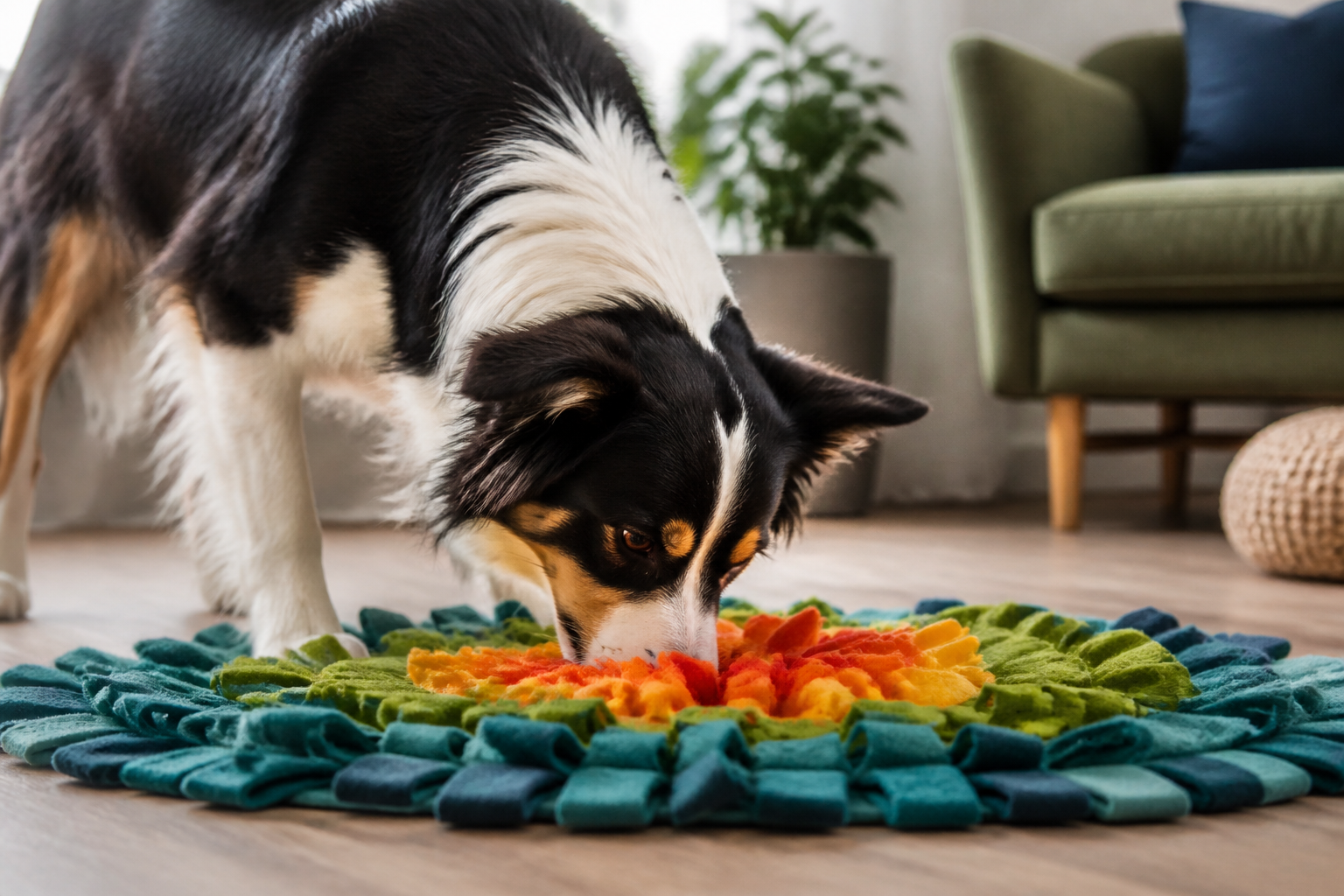
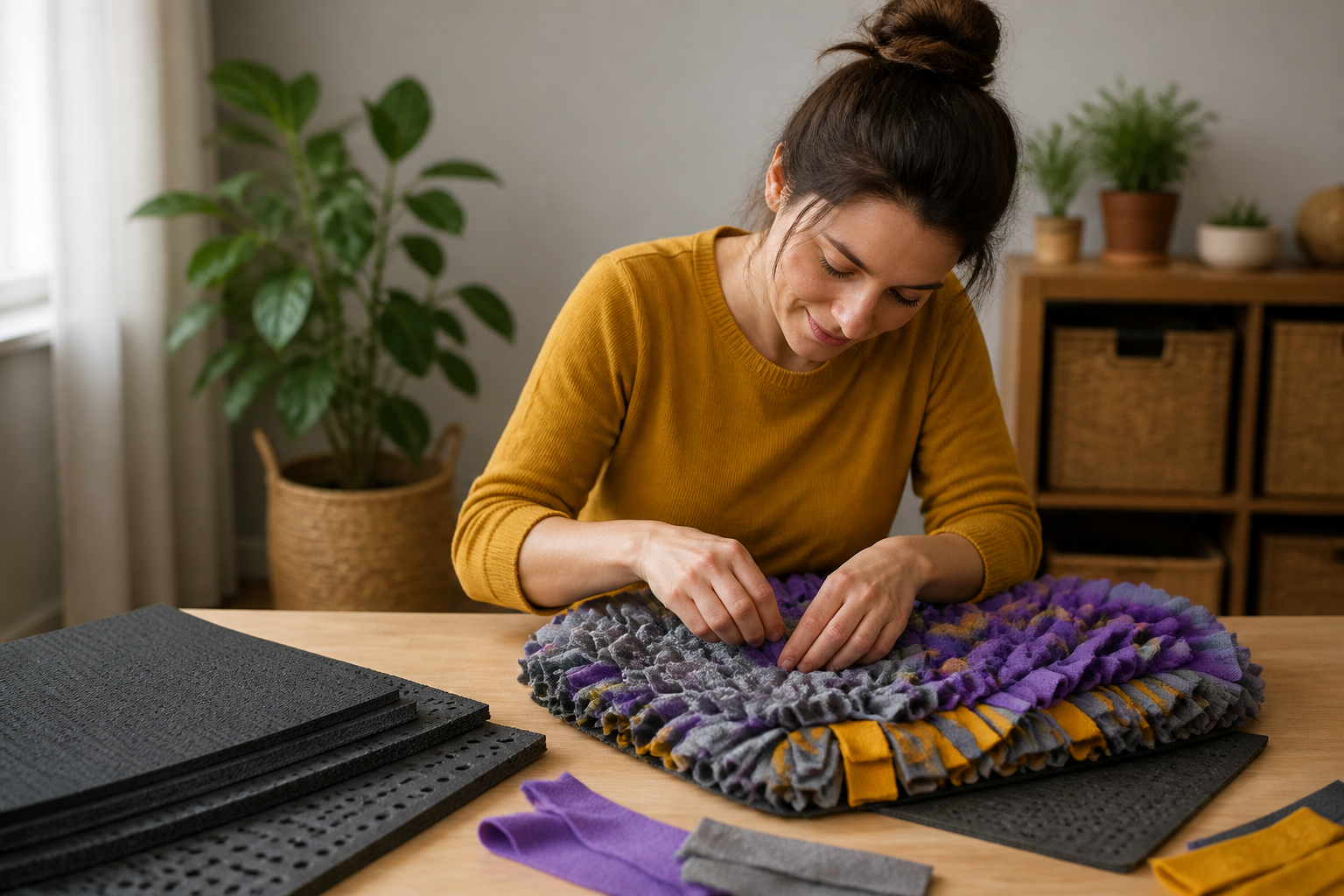
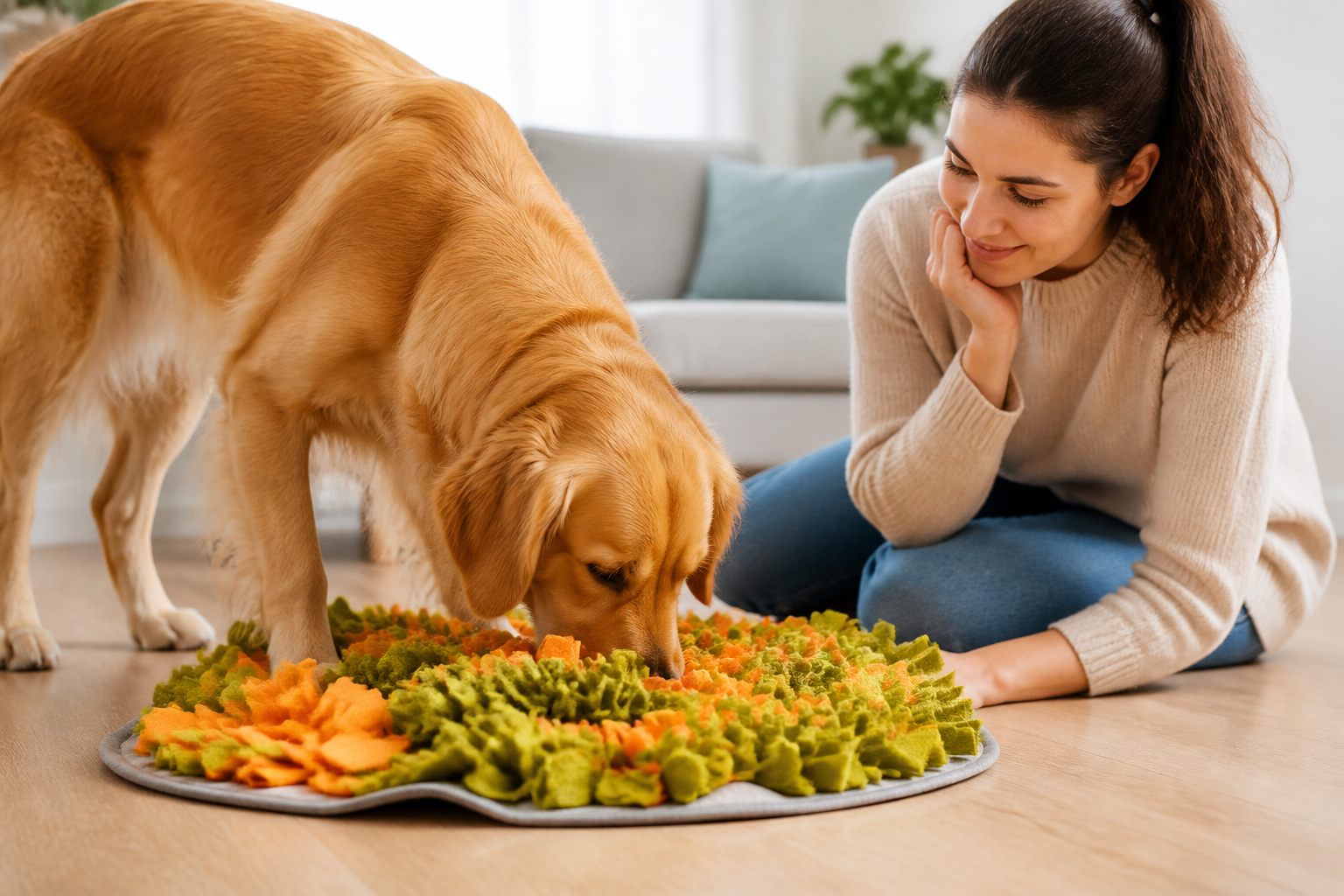
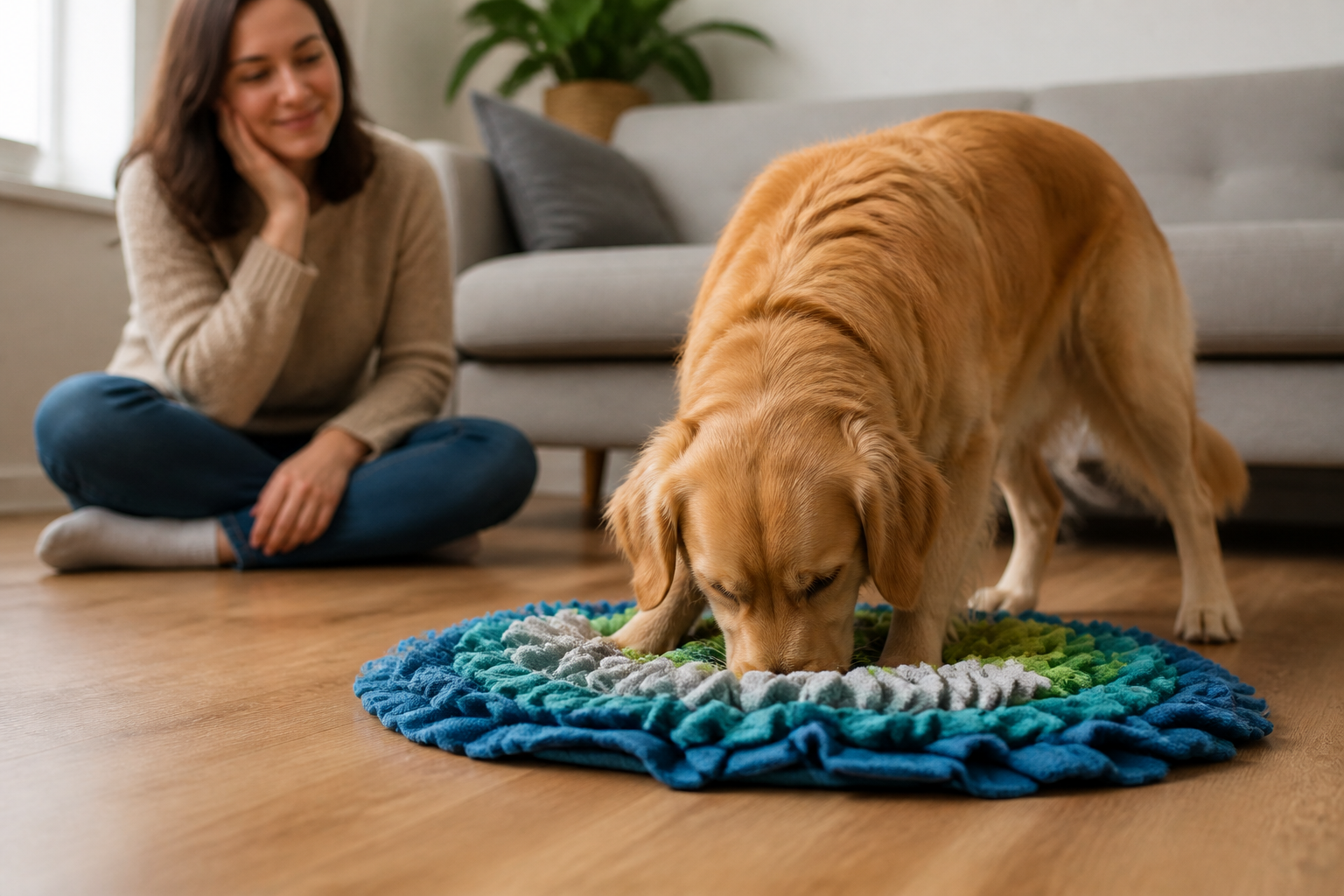
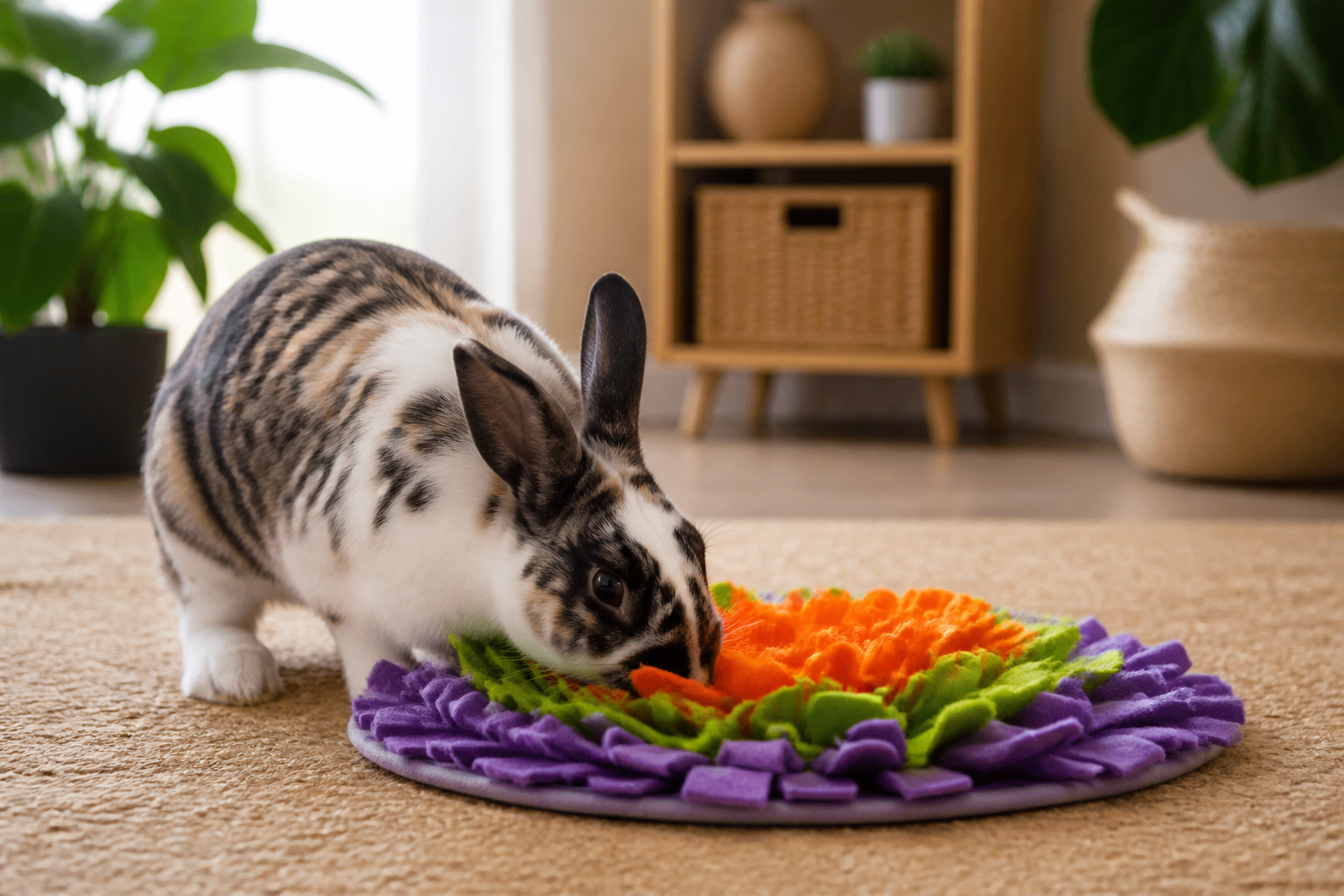
A snuffle mat is essentially a flat puzzle toy made from fabric. Most are constructed using a sturdy base with hundreds of fabric strips or pockets attached to the top. These strips mimic the long grass or dense undergrowth a wild rabbit would sift through to find food. When you sprinkle pellets or dried herbs into the mat, they fall between the layers. Your rabbit must then use their nose and paws to find every morsel.
The design relies on the rabbit's sense of smell. While rabbits have excellent vision for detecting predators, their up-close vision is not as sharp. They rely heavily on their whiskers and their scenting ability to find the best greens. A snuffle mat leans into this natural strength. It transforms a stationary meal into a hunt.
Most mats for small animals are made from fleece. This material is soft on sensitive noses and does not have loose threads that could easily snag a claw. Some specialty mats even include different shapes like felt "carrots" or "cups" to add variety to the foraging experience.
The Mental Health Benefits of Foraging
In the wild, rabbits spend a large portion of their waking hours searching for food. They do not just sit at a bowl and wait for a delivery. They hop, sniff, and dig to find the most nutritious plants. When we keep them as house pets, we often remove this job from their daily routine.
Without a job to do, a rabbit can become frustrated. This frustration often manifests as "cage rage" or destructive behavior around the home. They might chew on wires or dig at the corners of your favorite rug. Using a bunny snuffle mat gives them a constructive outlet for these instincts.
Mental stimulation is just as important as physical exercise for a rabbit. Solving the "puzzle" of the mat keeps their brain active. You may notice your rabbit taking a long nap right after a foraging session. This is because mental work is tiring. It provides a sense of accomplishment that a simple ceramic bowl cannot offer.
Key Takeaway: Foraging is a core natural behavior for rabbits that prevents boredom and reduces destructive chewing by providing a focused mental challenge.
Breaking the Boredom Cycle
Rabbits are highly intelligent animals. If their environment never changes, they can become lethargic or even depressed. Introducing a snuffle mat a few times a week keeps their environment "novel." You can change the difficulty by how deep you hide the treats. For a beginner, leave the pellets on top. For an expert, tuck them deep under the fleece folds.
For more ideas on rotating activities and preventing boredom, explore indoor enrichment ideas.
Building Confidence
For shy or rescued rabbits, a snuffle mat can be a great confidence builder. It allows them to focus on a rewarding task in a specific area. As they successfully find their food, they become more comfortable in their space. It is a low-stress way to encourage them to explore different textures and areas of their enclosure.
Physical Health and Digestive Support
A bunny snuffle mat is not just for fun. It has real benefits for a rabbit's physical health. One of the biggest concerns for rabbit owners is the speed at which their pets eat. Some rabbits gulp down pellets so fast that they risk choking or developing digestive issues.
Slowing down the eating process is vital for proper digestion. When a rabbit forages, they eat one pellet at a time rather than a mouthful. This slower pace allows their digestive system to process the food more effectively. It also prevents them from overeating, which helps maintain a healthy weight.
Rabbits have very sensitive gastrointestinal tracts. If they stop eating or their digestion slows down too much, they can enter a dangerous state called GI stasis. While a snuffle mat is a great tool for healthy rabbits, any change in eating habits should be taken seriously.
Vet Tip: If your rabbit stops eating, stops passing droppings, or seems lethargic, consult your veterinarian immediately. These can be signs of GI stasis, which is a medical emergency. Our pharmacy at BaxterBoo carries various prescription medications and recovery foods that your vet may recommend for ongoing digestive support.
Preventing Choking
Some rabbits are "vacuum eaters." They get so excited for pellets that they inhale them. This can lead to the pellets getting stuck in the throat. Because a snuffle mat forces the rabbit to search and pick up individual pieces, it virtually eliminates the risk of "pellet lunging." It turns a ten-second feeding frenzy into a ten-minute meal.
Encouraging Movement
While it might look like they are just standing in one spot, foraging involves a lot of micro-movements. Rabbits will nudge the mat with their noses, use their paws to push fabric aside, and hop from one side to the other. This light activity is great for senior rabbits who may have stiff joints but still need to stay active.
How to Safely Introduce a Snuffle Mat
When you first bring a snuffle mat home, your rabbit might be unsure of what to do. Some might even try to pick the whole mat up and throw it. To get the best results, you should introduce it slowly and under supervision.
Step 1: Start with high-value treats. / Place a few pieces of dried fruit or their favorite herbs right on top of the fleece strips where they are clearly visible.
Step 2: Let them investigate. / Allow your rabbit to approach the mat at their own pace. Do not force them onto it. Once they eat the visible treats, they will associate the mat with something positive.
Step 3: Increase the difficulty. / Once they understand that the mat contains food, start tucking the pellets deeper into the fleece. Watch as they use their nose to "snuffle" around.
Step 4: Supervise for chewing. / This is the most important step. Fleece is generally safe, but you do not want your rabbit eating the fabric. If they start to bite and pull at the strips, gently redirect them.
Step 5: Remove the mat when empty. / Once the food is gone, take the mat away. This prevents the rabbit from getting bored and deciding to use the mat as a chew toy or a litter box.
A washable option such as the Jackson Galaxy Snuffle Cat Mat- Gray can also be considered for supervised enrichment sessions with small animals.
The Problem with Heavy Chewers
Some rabbits are obsessed with chewing fabric. If your bunny is a "shredder," you must be extra careful. While most snuffle mats are made from pet-safe fleece, ingesting large amounts of fabric can cause intestinal blockages. Always monitor your pet. If they seem more interested in eating the mat than the food inside, a snuffle mat might not be the right choice for them. In those cases, you might look into seagrass mats or cardboard-based foraging toys.
Cleaning and Maintenance for Bunny Mats
Rabbits can be messy. Between hay dust, saliva, and the occasional "accident," your bunny snuffle mat will need regular cleaning. Most quality mats are machine washable, which makes maintenance much easier.
We recommend washing the mat at least once every two weeks, or more often if your rabbit uses it daily. Use a fragrance-free, pet-safe detergent. Rabbits have incredibly sensitive noses. The scent of a strong floral detergent can be overwhelming for them and might actually discourage them from using the mat.
Before tossing it in the wash, take the mat outside and give it a good shake. This removes any trapped hay, hair, or leftover pellet dust. You can also use a lint roller to get extra fur off the fleece.
- Wash on a gentle cycle with cold water.
- Avoid using fabric softeners or bleach.
- Tumble dry on low heat or air dry to prevent the fleece from melting or shrinking.
- Inspect the mat after every wash for loose threads or damaged backing.
Bottom line: Regular cleaning with pet-safe detergent keeps the mat hygienic and ensures your rabbit’s sensitive nose stays focused on the food, not the smells of the laundry room.
Sharing the Mat: Bonded Pairs
If you have a bonded pair of rabbits, a snuffle mat can be a great way to help them bond further. However, it can also be a source of competition if not handled correctly. In many pairs, one rabbit is a faster eater than the other. This often results in the slower eater missing out on their fair share of pellets.
Using a large snuffle mat allows both rabbits to forage at the same time. Because the food is spread out, they are less likely to bump heads over a single bowl. It gives the slower eater a chance to find their own "treasure" without feeling rushed.
If your rabbits tend to be territorial over food, you can use two separate mats. Place them a few feet apart. This allows them to "eat together" while still having their own personal space. It is a common strategy we suggest at our Vernon Hills warehouse when owners complain about one rabbit "guarding" the food bowl.
Signs of Food Aggression
Watch for lunging, grunting, or nipping while the rabbits are using the mat. If you see these signs, it is time to separate them during mealtime. Foraging should be a relaxing activity. If one rabbit is constantly looking over their shoulder, they are not getting the mental benefits of the game.
Selecting the Right Materials and Size
Not all snuffle mats are created equal. When shopping at BaxterBoo or other retailers, look for specific features that make the mat safe and effective for small animals.
First, check the base. Some mats use a plastic sink-mat style base with holes. These are great for drainage in the wash but can be easy for a rabbit to chew. A solid fabric base with a non-slip bottom is often a better choice. It stays in place while the rabbit digs and is harder for them to get their teeth around.
The "fingers" of the mat should be made of thick, high-quality fleece. Thin felt can tear easily and may create a choking hazard if the rabbit swallows small pieces. You want the strips to be long enough to hide the pellets but not so long that the rabbit gets frustrated and gives up.
Size Matters
For a single small rabbit, like a Netherland Dwarf, a small mat (around 12x12 inches) is usually plenty. For larger breeds like Flemish Giants or for bonded pairs, look for something closer to 18x18 inches or larger. You want enough surface area so that the food can be truly hidden, rather than just piled up in one spot.
Portability and Storage
Many owners like to take their rabbits on trips or to the vet. A snuffle mat is a highly portable enrichment tool. You can roll it up and put it in a bag. Having a familiar, food-scented toy can help reduce stress during travel or in a new environment.
For additional interactive options, browse our interactive and electronic toy collection.
Beyond the Mat: Other Foraging Ideas
While the bunny snuffle mat is a fantastic tool, it is just one part of a complete enrichment plan. We recommend rotating toys to keep your rabbit engaged. Rabbits in the wild encounter different challenges every day, and your house rabbit should too.
Consider mixing in other toys from brands like Oxbow or Kaytee. For example, stacking cups are a favorite for many bunnies. You can hide a pellet inside each cup and stack them up. The rabbit has to unstack or knock over the cups to get the prize. This uses a different set of muscles and problem-solving skills than the snuffle mat.
Woven seagrass or willow toys are also excellent. These are completely edible and safe for chewing. You can stuff hay and herbs inside a willow ball, forcing the rabbit to pull the food through the gaps.
- Oxbow Enriched Life series toys
- Cardboard boxes with holes cut in the sides
- Hanging forage feeders
- Paper bags filled with hay and a few hidden treats
For a broader selection of play and enrichment products, visit our cat toys category.
Key Takeaway: A variety of enrichment tools, from snuffle mats to edible willow toys, ensures your rabbit stays physically active and mentally sharp throughout their life.
The Role of Treats in Foraging
It is tempting to fill a snuffle mat with sugary treats like yogurt drops or heavy fruit pieces. However, rabbits have very specific dietary needs. Their diet should be about 80 percent hay. Pellets and treats should only make up a small portion of their daily intake.
Use their regular daily allotment of pellets in the snuffle mat instead of adding "extra" food. This ensures they are working for their meal without becoming overweight. If you want to use treats, look for healthy options like dried rose petals, marigolds, or small pieces of dried carrot.
Avoid treats with seeds, nuts, or added sugars. These can disrupt the delicate balance of bacteria in a rabbit's gut. If you are unsure about a specific brand of treats, check the ingredient label. The first ingredient should ideally be a forage or herb, not a grain or sweetener.
Creating a Routine
Rabbits thrive on routine. They are most active during dawn and dusk. These times, known as crepuscular periods, are the perfect moments to introduce the snuffle mat. By making it a regular part of their morning or evening, you give them something to look forward to.
A routine also helps you monitor their health. If your rabbit normally comes running when they hear the "crinkle" of the snuffle mat being loaded but one day stays in their hidey-house, you know something is wrong. This early warning system is one of the best ways to catch health issues before they become severe.
If your rabbit requires daily medication, the snuffle mat can sometimes be used as a distraction. While they are busy foraging, you may find it easier to administer ear drops or perform a quick health check. However, always follow your veterinarian's advice for giving medications.
Bottom line: Establishing a foraging routine during your rabbit's most active hours provides consistent mental stimulation and helps you monitor their overall well-being.
Why Quality Matters
It can be tempting to buy the cheapest mat available, but quality matters for safety. Cheap mats often use thin glues or plastics that can be toxic if chewed. At BaxterBoo, we emphasize handpicked products because we know that pet safety comes first. A well-made mat will last for years, even with daily use and frequent trips through the washing machine.
We have been operating since 2006, and our team in Vernon Hills understands that small animals need specialized care. Whether you are shopping online for home delivery or visiting us for a pickup, we focus on brands that prioritize animal health.
Investing in high-quality enrichment is an investment in your rabbit's longevity. A happy, active rabbit is less likely to develop the stress-related illnesses that often plague bored pets.
Conclusion
A bunny snuffle mat is more than just a toy. It is a vital tool for supporting your rabbit's natural instincts. By encouraging foraging, you are helping your pet stay mentally sharp and physically healthy. These mats slow down fast eaters, prevent boredom-based destruction, and provide a fun way for you to interact with your bunny.
- Choose a mat made of high-quality, washable fleece.
- Always supervise your rabbit during use to prevent chewing on the fabric.
- Use the mat for regular meals to slow down digestion.
- Rotate the mat with other toys to keep the challenge fresh.
To get the most out of your pet care budget, consider signing up for our MVP Rewards programme. You can earn points on every purchase of enrichment toys and healthy treats. For consistent foragers, our Autoship programme ensures you never run out of the high-quality pellets your rabbit loves.
FAQ
Can I leave a snuffle mat in my rabbit's cage overnight?
It is generally not recommended to leave a snuffle mat with your rabbit unsupervised, especially overnight. If a rabbit gets bored once the food is gone, they may start to chew on and ingest the fabric strips. This can lead to serious intestinal blockages. It is best to use the mat as an interactive tool and remove it once the foraging session is finished.
What are the best things to hide in a bunny snuffle mat?
The healthiest options are your rabbit's daily portion of high-fiber pellets or dried herbs like parsley, cilantro, and mint. You can also use forage mixes that contain dried flowers like hibiscus or calendula. Avoid using sticky or wet foods, as these will make the mat difficult to clean and may encourage bacterial growth in the fabric.
How do I stop my rabbit from peeing on the snuffle mat?
Rabbits often associate soft surfaces with a place to go to the bathroom. If your rabbit tries to use the mat as a litter box, immediately pick it up and move it. You should only put the mat down when it is "loaded" with food so the rabbit associates it with eating rather than lounging. Regular washing with an enzyme-based, pet-safe cleaner can also help remove any scent that might attract them back to the same spot.
Is a snuffle mat safe for a rabbit that is a heavy chewer?
For heavy chewers, you must exercise extreme caution. While fleece does not fray like cotton, it can still cause blockages if swallowed in large pieces. If your rabbit ignores the food and immediately starts ripping at the fabric, a snuffle mat may not be suitable. Consider safer alternatives like a seagrass foraging mat or a cardboard box filled with hay, which are safe for them to consume.