
 Save 15% on your 1st Autoship learn more

 Email us
 Live Chat
 FAQs
FAQs





Introduction
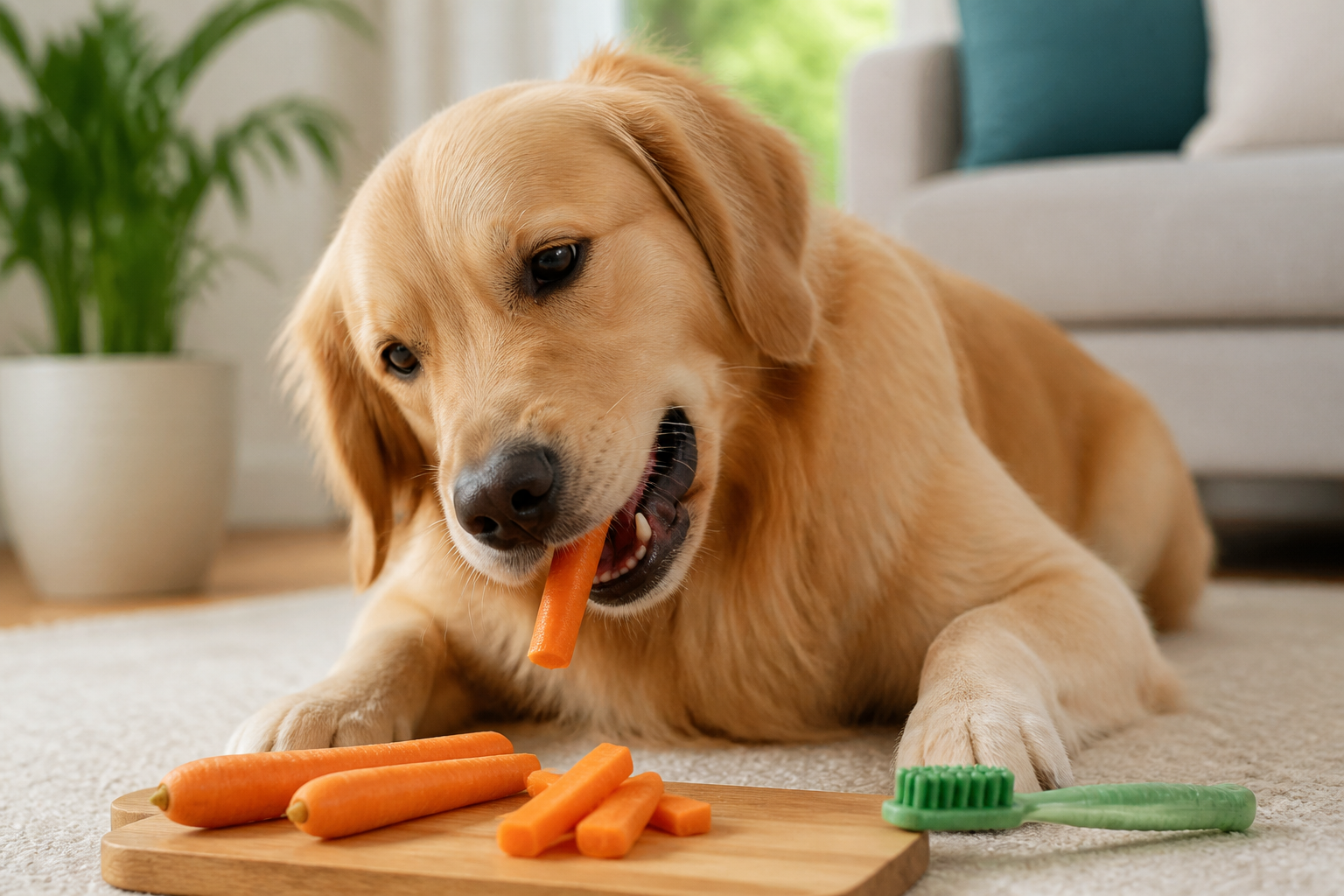
You are standing in the kitchen preparing dinner and look down to see your dog waiting patiently for a snack. You grab a fresh carrot and wonder if that satisfying crunch is doing more than just filling their belly. Many pet owners hope that these bright orange vegetables act as a natural toothbrush to keep plaque at bay. At BaxterBoo, we get this question often from owners looking for healthy, low calorie ways to support their pet's wellness. While carrots are a fantastic snack with several nutritional benefits, the answer to whether they can truly clean teeth is a bit more nuanced. This post will explore the mechanical reality of chewing carrots, the vitamins they provide, and how they fit into a broader dental health routine. We want to help you understand when a carrot is enough and when your dog needs more professional support.
The Mechanical Reality of Chewing Carrots
When your dog chomps down on a raw carrot, the firm texture provides a level of mechanical abrasion. As the teeth sink into the vegetable, the surface of the carrot rubs against the tooth enamel. This action can help scrape away very loose food particles or a small amount of soft plaque. This is the same principle used by many dental chews and crunchy kibbles. The physical rubbing is the primary way a food can "clean" a surface.
However, carrots are not as effective as many people assume. They are quite porous and break apart quickly once moisture from saliva hits them. Unlike a specialized dental chew designed to withstand several minutes of gnawing, a carrot is usually swallowed within seconds. For a tool to effectively remove plaque, it needs sustained contact with the tooth surface across all areas of the mouth. Most dogs use their back molars to crunch a carrot, meaning the front teeth and canines receive very little benefit.
Quick Answer: Carrots can provide a tiny amount of mechanical cleaning by scraping away soft debris, but they cannot remove hardened tartar. They are a healthy treat rather than a replacement for brushing or professional veterinary cleanings.
Another factor is the stimulation of saliva. Chewing anything, including carrots, encourages the mouth to produce more spit. Saliva contains natural enzymes and antibacterial properties that help buffer the mouth against acid and wash away loose debris. This is a helpful "self-cleaning" mechanism for any mammal. While this is a positive side effect, it is a general benefit of chewing rather than a unique property of the carrot itself.
Nutritional Benefits Beyond the Crunch
While the dental cleaning properties might be limited, the nutritional value of carrots is significant. They are an excellent source of beta-carotene, which the body converts into Vitamin A. This vitamin is essential for maintaining healthy skin, a shiny coat, and good vision. It also plays a role in bone and tooth formation during the puppy stages.
Carrots are also rich in fiber. They contain both soluble and insoluble fiber, which can help your dog feel full without adding a lot of calories. This makes them a perfect snack for dogs on a weight management plan. Insoluble fiber helps move waste through the digestive tract, while soluble fiber can help regulate blood sugar levels.
Key Vitamins and Minerals in Carrots:
- Vitamin A: Supports eye health and the immune system.
- Vitamin K: Essential for proper blood clotting and bone health.
- Vitamin C: A powerful antioxidant that helps reduce inflammation.
- Potassium: Helps with nerve function and muscle health.
- Calcium: Supports the structural integrity of teeth and bones.
These nutrients contribute to overall oral health by strengthening the structures that hold teeth in place. A dog with a strong immune system is better equipped to fight off the bacteria that lead to gingivitis and periodontal disease. So, while the carrot might not "brush" the teeth perfectly, it helps build a healthier mouth from the inside out.
Key Takeaway: Carrots provide essential vitamins like A and K that support the underlying structures of the teeth and gums, even if the mechanical cleaning is minimal.
Potential Risks and Safety Concerns
Before you start tossing whole carrots to your dog, there are a few safety considerations to keep in mind. The most immediate risk is choking. This is especially true for "gulpers" or dogs that tend to swallow treats without chewing them thoroughly. A large chunk of raw carrot can easily become lodged in the throat or digestive tract.
Sugar content is another factor. Carrots have a higher natural sugar content than many other green vegetables like broccoli or green beans. While this sugar is natural, it can still impact dogs with specific health conditions. For a healthy dog, the sugar in a few carrot slices is negligible. For a dog managing diabetes or severe obesity, even natural sugars must be carefully monitored.
Tips for Safe Feeding:
- Cut raw carrots into bite-sized rounds or sticks appropriate for your dog's size.
- Always supervise your dog when they are chewing on a whole or large carrot.
- Introduce carrots slowly to avoid digestive upset from the high fiber content.
- Wash all carrots thoroughly to remove pesticides or dirt before feeding.
Vet Tip: If your dog has a history of swallowing items whole or has missing teeth, consider steaming the carrots until they are soft. This retains most of the nutrients while significantly reducing the risk of choking or intestinal blockage.
Vitamin A toxicity is rare but possible if a dog is already on a high-dose supplement or a specific prescription diet. Vitamin A is fat-soluble, meaning the body stores it rather than flushing it out through urine. If you are already giving your dog a multivitamin or a supplement for skin and coat, talk to your veterinarian about how many carrots are safe to add to their daily routine.
Better Alternatives for Dental Health
If your primary goal is to keep your dog's teeth sparkling and their breath fresh, there are more effective tools than vegetables. At BaxterBoo, we recommend a multi-pronged approach that includes mechanical cleaning, chemical barriers, and professional care.
The absolute gold standard for dog dental care is daily brushing with a dog-specific toothpaste. Human toothpaste often contains xylitol, which is toxic to dogs, or high levels of fluoride that can upset their stomachs. Dog toothpastes come in flavors like poultry or beef to make the experience more enjoyable. Brushing allows you to reach the gum line where bacteria hide and plaque begins to harden into tartar. For additional guidance, review these pet dental care tips.
Dental chews are another excellent option. Look for products that carry the Veterinary Oral Health Council (VOHC) seal of approval. This seal means the product has been scientifically tested and proven to reduce plaque or tartar by a specific percentage. These chews are often designed with a specific texture that allows the tooth to sink in deeply, cleaning all the way down to the gum line. You can compare options in our dog dental treats collection.
| Feature | Carrots | VOHC Dental Chews | Rawhide/Bones |
|---|---|---|---|
| Cleaning Power | Low (Mechanical only) | High (Mechanical & Enzymatic) | Moderate to High |
| Calorie Count | Very Low | Moderate | High |
| Choking Risk | Moderate | Low (if sized correctly) | High |
| Nutritional Value | High (Vitamins/Fiber) | Low to Moderate | Low |
| Longevity | Very Short | Moderate | High |
Bottom line: While carrots are a healthy snack, they cannot replace the efficacy of VOHC-approved dental treats or daily brushing.
Recognizing the Signs of Dental Disease
It is easy to assume that if a dog is still eating, their teeth must be fine. However, dogs are experts at hiding pain. By the time a dog stops eating due to dental issues, the disease is often very advanced. You should inspect your dog's mouth at least once a week for early warning signs. This guide to warning signs of dental disease in dogs can help you know what to watch for.
Bad breath is usually the first indicator. While "dog breath" is a common phrase, a healthy dog's mouth should not have a foul or rotting odor. If the smell is overwhelming, it is likely a sign of bacterial overgrowth. Look for redness along the gum line, which indicates gingivitis. Healthy gums should be a pale pink color.
Other signs include yellow or brown buildup on the teeth, which is tartar. Tartar is hardened plaque that can no longer be brushed away. If you see bleeding when your dog chews on a toy or if they start favoring one side of their mouth, it is time for a veterinary visit. Chronic dental infections can eventually lead to heart, kidney, and liver issues as bacteria enter the bloodstream through the gums.
Checklist for a Weekly Mouth Check:
- Smell the breath for any new or foul odors.
- Lift the lips to check for red, swollen, or bleeding gums.
- Look for brown or tan crusty buildup on the back molars.
- Check for any loose, broken, or cracked teeth.
- Watch for any bumps or growths on the gums or under the tongue.
The BaxterBoo Pharmacy and Advanced Dental Care
For dogs that already have significant tartar or signs of periodontal disease, a carrot or a standard treat will not be enough. In these cases, your veterinarian might recommend a prescription dental diet. These diets use a specific kibble structure that does not shatter when bitten. Instead, the tooth sinks into the kibble, allowing the fibers to scrub the tooth surface.
Our pharmacy at BaxterBoo offers access to these specialized prescription diets through our partnership with Pet's Choice. We also carry FDA-approved medications that your vet might prescribe following a professional dental cleaning, such as oral antibiotics or antiseptic rinses. Professional cleanings performed under anesthesia are the only way to remove tartar from beneath the gum line, which is where the most damage occurs. Browse our pet pharmacy when your veterinarian recommends a prescription product.
If your vet has diagnosed your dog with early-stage dental disease, they may suggest a combination of professional cleaning followed by at-home maintenance. This maintenance often involves water additives or oral gels that help break down the biofilm that eventually becomes plaque. Our pharmacy can help fulfill these professional recommendations conveniently.
Key Takeaway: When home remedies like carrots or brushing aren't enough, our pharmacy provides the professional-grade products and prescription diets needed to manage advanced dental health.
How to Properly Prepare Carrots for Your Dog
To get the most out of carrots, you should tailor the preparation to your dog's specific needs. If you are strictly looking for that tiny bit of mechanical cleaning, raw is the way to go. However, raw carrots are difficult for dogs to fully digest. You might notice orange chunks in their stool the next day. This is because the cellulose walls in raw vegetables are tough for a dog's short digestive tract to break down.
If you want your dog to actually absorb the beta-carotene and vitamins, lightly steaming or pureeing the carrots is much better. Breaking down those cell walls before the dog eats them makes the nutrients bioavailable. You can puree steamed carrots and freeze them in silicone molds for a refreshing summer treat that is easier on the stomach.
For teething puppies, a whole, frozen carrot can be a lifesaver. The cold temperature helps numb the gums and reduce inflammation, while the crunch provides a safe outlet for the urge to chew. Just be sure to watch them closely as the carrot thaws and becomes easier to break into large, swallowable pieces. If your puppy is teething, you can also explore this guide to when dogs lose their puppy teeth.
Step 1: Choose the right size. / Pick a carrot that is large enough that your dog cannot swallow it in one gulp, but small enough for them to manage.
Step 2: Wash and peel. / Remove any dirt or bitter skin that might contain pesticide residue or discourage your dog from eating.
Step 3: Decide on texture. / Leave it raw for a crunch, or steam it for two minutes to make the nutrients easier to digest.
Step 4: Monitor the session. / Give the carrot as a treat and take away any small "nubs" that remain at the end to prevent choking.
Broadening the Dental Routine
A healthy mouth requires more than just one type of snack. Think of carrots as a small part of a much larger puzzle. A comprehensive dental routine should include high-quality food, regular brushing, safe chew toys, and annual veterinary checkups.
Certain toys are specifically designed to clean teeth while a dog plays. Rubber toys with nubs or ridges can help massage the gums and scrape the teeth as the dog gnaws. Combining these with a healthy diet that avoids excessive starches and sugars will go a long way. Some dogs also benefit from dental wipes if they absolutely refuse to tolerate a toothbrush. These wipes are textured and pre-soaked in a cleaning solution, making them a quick and easy alternative. See our dog dental breath care selection for brushing accessories, wipes, and oral-care products.
Don't forget the importance of water. Fresh, clean water helps rinse the mouth throughout the day. Some pet owners use water additives that contain enzymes to help keep the mouth clean. Always look for products that are tasteless and odorless so your dog isn't discouraged from drinking.
Vet Tip: Even with the best at-home care, most dogs will eventually need a professional dental cleaning. Schedule an annual exam to catch issues before they require expensive extractions or lead to systemic health problems.
Conclusion
Carrots are a wonderful addition to a dog's diet when used as a healthy, low-calorie treat. While they offer a small amount of mechanical cleaning through their crunchy texture, they are not a substitute for proper dental hygiene. They are best viewed as a nutritional supplement that supports overall health, eye function, and digestion. For real dental results, focus on daily brushing and products with the VOHC seal. If you notice signs of dental disease like bad breath or red gums, consult your veterinarian to discuss professional options. You can explore our selection of dental chews and toys to find the right fit for your pup. For more advanced needs, our BaxterBoo pharmacy is here to help with prescription diets and medications through our Pet's Choice partnership.
Bottom line: Use carrots for their vitamins and low calories, but rely on brushing and professional care for a truly clean mouth.
FAQ
Do frozen carrots clean teeth better than raw ones? Frozen carrots are harder, which might provide slightly more resistance during chewing, but the difference in cleaning power is minimal. The main benefit of frozen carrots is the cooling sensation they provide for teething puppies or dogs with inflamed gums. They do not have any special properties that remove tartar more effectively than room-temperature raw carrots.
How many carrots can I give my dog each day? Most medium-sized dogs can safely enjoy a few slices or one small carrot a day. Treats should never make up more than ten percent of your dog's total daily calories. Because carrots are high in fiber and natural sugar, giving too many at once can cause loose stools or digestive upset.
Can puppies eat carrots for their teeth? Yes, carrots are a safe and healthy snack for puppies. Frozen carrots are particularly popular for teething pups because they help soothe sore gums. However, always cut them into small, manageable pieces to prevent choking, as puppies are often very enthusiastic eaters. Families preparing for a new puppy can also browse our puppy shop.
My dog has red gums; will carrots help? Red gums are usually a sign of gingivitis or infection, and carrots will not cure this. In fact, the hard texture of a raw carrot might even be painful for a dog with sensitive or bleeding gums. If you notice redness, it is important to schedule a veterinary exam to check for underlying dental disease.






