
 Save 15% on your 1st Autoship learn more

 Email us
 Live Chat
 FAQs





Introduction
You are relaxing on the sofa with your cat when you notice something unusual. As you stroke their back, a small cloud of white flakes lifts from their fur and settles on your clothes. It looks like a dusting of salt or tiny bits of torn paper. This is a classic case of feline dandruff. While a few flakes might seem like a minor cosmetic issue, they are often a signal that your cat needs a change in their daily routine. At BaxterBoo, we know that healthy skin starts from the inside out. This article explains how specific nutrients and food types can help eliminate flakes and restore your cat's natural shine. We will cover the best ingredients for skin health, the importance of hydration, and when a trip to the veterinarian is the necessary next step.
Quick Answer: The best cat dandruff food is typically high in omega-3 and omega-6 fatty acids, rich in high-quality animal proteins, and provides plenty of moisture. Transitioning to a wet food diet or adding moisture-rich toppers can often resolve flakes caused by simple dehydration or dry skin.
Understanding Cat Dandruff vs Dander
It is easy to confuse dandruff with dander, but they are quite different. Every healthy cat produces dander. These are microscopic skin cells that shed naturally as part of the normal growth cycle. Because they are so small, you usually cannot see them with the naked eye. Dander is what often triggers allergies in humans, but it is a sign of a healthy, functioning skin barrier.
Dandruff consists of much larger, visible flakes. These flakes occur when the skin is irritated, overly dry, or excessively oily. When the skin cells die and clump together prematurely, they become visible on the surface of the coat. If you see white specks on your cat's bedding or on their fur, you are looking at dandruff. It is a symptom, not a primary disease, which means something in your cat's environment or diet is out of balance.
Key Takeaway: Dander is normal and invisible, while dandruff is a visible sign of skin irritation or nutritional gaps that require attention.
Cat Food for Healthy Skin & Coat




How Diet Directly Impacts Feline Skin Health
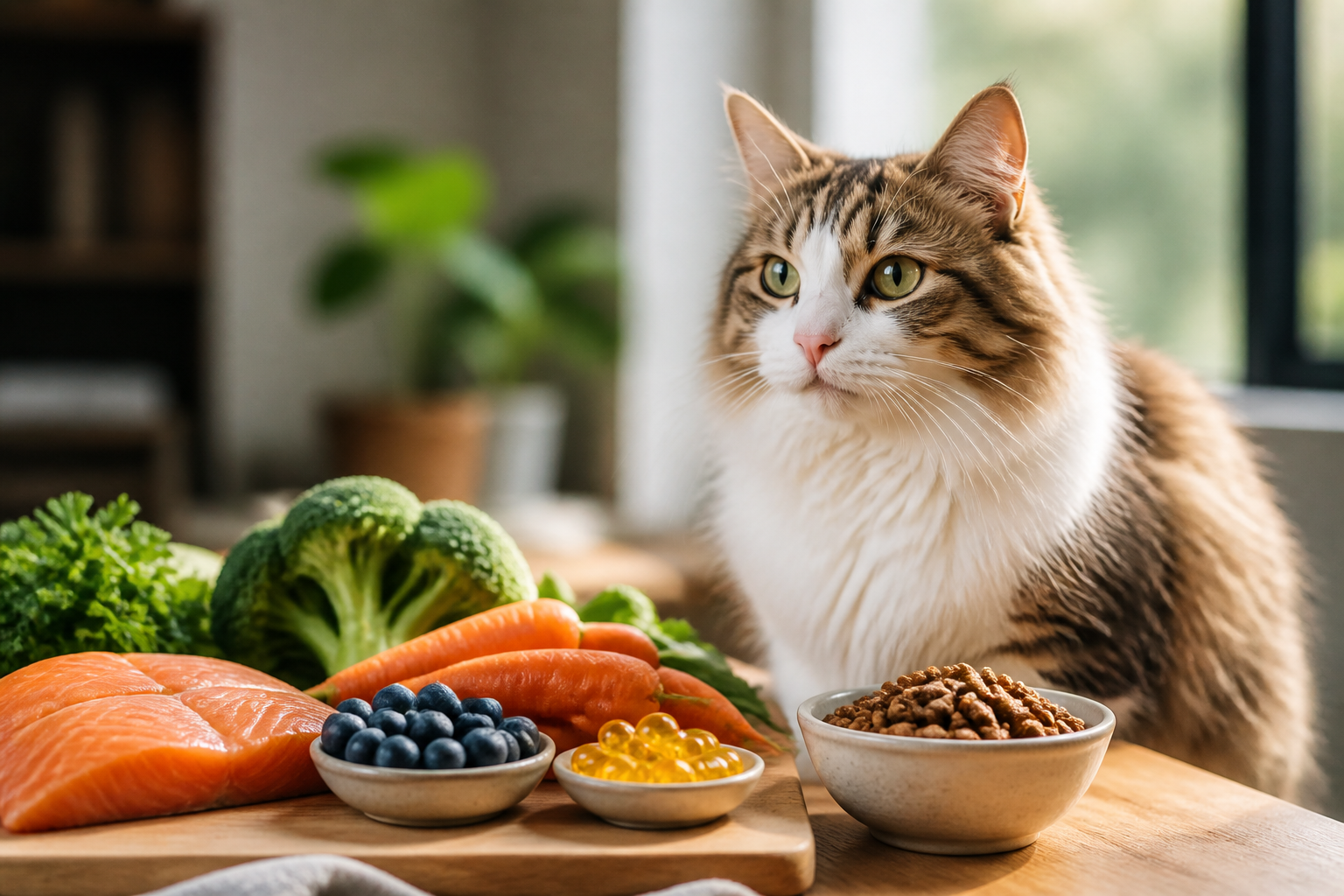
The skin is the largest organ in a cat's body. It requires a significant amount of the nutrients your cat consumes just to maintain its barrier function. If the diet is low in essential fats or high-quality protein, the body often redirects those nutrients to vital internal organs first. The skin and coat are frequently the first places to show signs of nutritional neglect.
High-quality animal protein is the foundation of healthy skin. Hair and skin cells are made largely of protein. If a cat is eating a diet with poor-quality fillers or insufficient meat content, their coat may become dull, brittle, and prone to flaking. When looking for the right food, the first ingredient should always be a named animal protein like chicken, salmon, or duck. Browse our cat food collection to compare dry, wet, and other dietary options.
Vet Tip: If your cat has sudden, severe flaking accompanied by red skin, hair loss, or intense itching, schedule a veterinary exam. These symptoms can indicate parasites like mites or ringworm, which require medical treatment rather than just a diet change.
Key Ingredients to Look for in Cat Dandruff Food
When you are reading labels at the store or browsing our cat skin and coat care options, certain ingredients stand out as powerhouses for skin health. These nutrients work at the cellular level to strengthen the skin barrier and lock in moisture.
Omega-3 and Omega-6 Fatty Acids
These are perhaps the most important nutrients for a cat with dandruff. Omega-6 fatty acids help maintain the integrity of the skin barrier, preventing moisture from escaping. Omega-3 fatty acids, often found in fish oils, help reduce inflammation that can lead to itching and flaking. Look for brands like Stella & Chewy's or Farmina, which often include these essential fats in their recipes. You can also explore our selection of Stella & Chewy's products when comparing cat food options.
Zinc and Biotin
Zinc is a mineral that plays a major role in cell division and healing. A deficiency in zinc can lead to crusty, scaly skin. Biotin, a B-vitamin, is also essential for the production of keratin, the protein that makes up the hair and the outer layer of the skin.
Vitamin E and Vitamin A
Vitamin E is a potent antioxidant that protects skin cells from oxidative damage. Vitamin A is necessary for the repair of skin tissue. Without enough of these vitamins, the skin can become thin and lose its ability to shed cells properly, leading to a buildup of flakes.
Essential Nutrients Checklist:
- Named animal proteins (Chicken, Salmon, Turkey)
- Fish oil or flaxseed (for Omega-3s)
- Biotin and Zinc supplements
- Vitamin E (often listed as tocopherols)
- Vitamin A
The Importance of Hydration and Wet Food
Many cats live in a state of mild, chronic dehydration. Cats evolved from desert-dwelling ancestors and have a naturally low thirst drive. In the wild, they get most of their water from their prey. When we feed them strictly dry kibble, they often do not drink enough water to compensate for the lack of moisture in the food.
Dehydration shows up on the skin very quickly. It becomes less elastic and more prone to drying out and flaking. One of the simplest ways to address cat dandruff is to increase their moisture intake. Switching to our wet cat food selection from brands like Tiki Cat or Fussie Cat can make a massive difference. Wet food is typically about 75% to 80% water, which helps hydrate the skin from the inside.
If your cat is a devoted kibble eater and refuses wet food, you can still help. Try adding a topper of bone broth or goat milk. These provide extra hydration and added nutrients like collagen, which further supports skin elasticity.
Bottom line: A hydrated cat is a flake-free cat, so prioritize wet food or moisture-rich toppers to keep their skin supple.
Weight Management and Grooming Access
Sometimes, the problem is not the food itself but how much the cat is eating. Obesity is a leading cause of dandruff in cats, particularly on the lower back and near the base of the tail. If a cat is overweight, they literally cannot reach certain parts of their body to groom themselves.
Grooming is how cats remove dead skin cells and distribute natural oils across their fur. When a cat stops grooming an area, the dead cells build up and flake off in large patches. If you notice dandruff primarily on your cat's rear end, weight may be the issue. For additional guidance, read how to help an indoor cat lose weight.
We carry specialized weight management formulas, such as those from Farmina Vet Life, designed to help cats lose weight safely while still receiving the nutrients they need for a healthy coat. You might also consider using a humidifier in your home during the winter months. Forced-air heating can dry out the air and the skin, making it even harder for an overweight cat to maintain their coat.
When Prescription Food Is Necessary
In some cases, cat dandruff is a symptom of a more complex health issue like food allergies or a metabolic condition. Some cats are sensitive to common proteins like beef or dairy, which can manifest as skin irritation and flaking.
If standard high-quality foods do not resolve the issue, your veterinarian might recommend a prescription diet. These often use hydrolyzed proteins, where the protein molecules are broken down so small that the immune system does not recognize them as a threat. Our cat pharmacy offers a variety of prescription pet foods. Whether your cat needs a specialized diet for skin sensitivities or a formula to manage a condition like hyperthyroidism, which can also affect coat quality, our pharmacy can help fulfill those needs with a valid prescription.
Key Takeaway: When standard retail diets fail to clear up dandruff, a prescription diet from our pharmacy may be the solution to your cat's specific sensitivities.
Supplements for Extra Skin Support
If you are happy with your current cat food but still see a few flakes, a supplement might be the right bridge. Supplements allow you to boost specific nutrients without changing your cat's entire diet. This is especially helpful for picky eaters who are sensitive to flavor changes.
Fish oil is the gold standard for skin supplements. It is packed with EPA and DHA, the two most active forms of Omega-3 fatty acids. You can find these in liquid pumps that you add directly to the food or in chewable treats. Brands like Honest Paws or Zesty Paws offer options that focus specifically on skin and coat health.
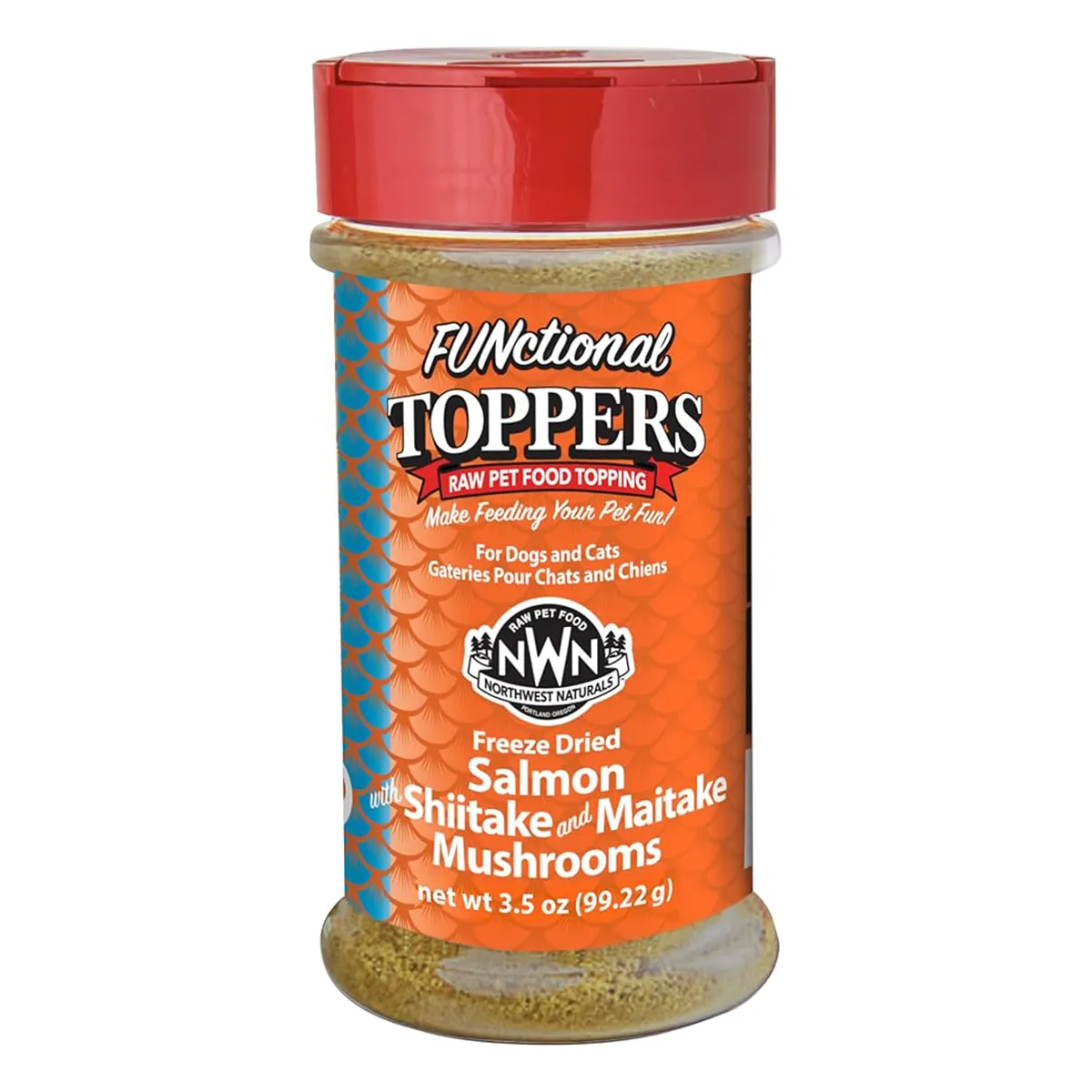
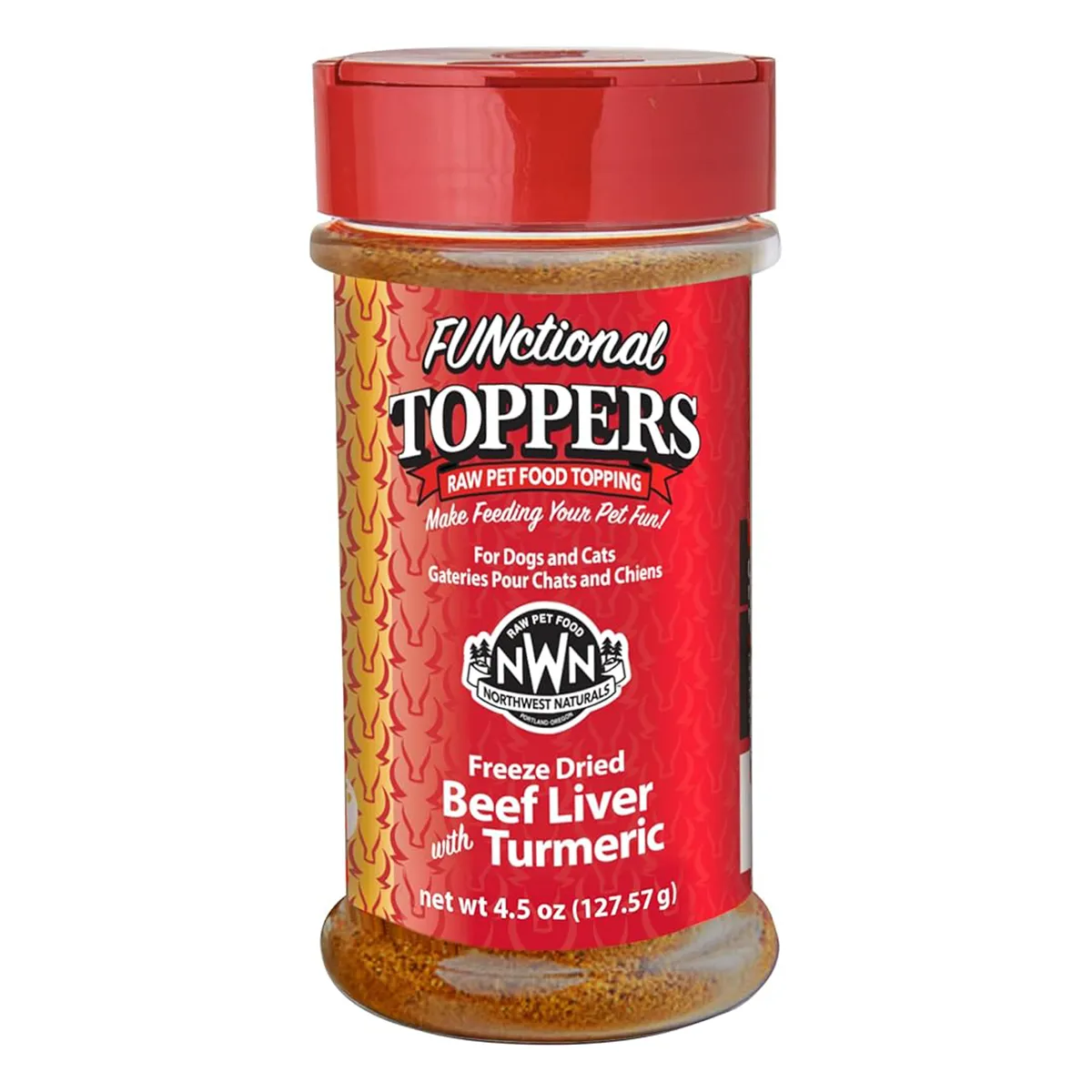
Another option is a freeze-dried raw topper. Stella's Solutions Skin & Coat Boost uses ingredients like biotin and chia seeds to provide a concentrated dose of skin-supporting nutrients. These are highly palatable and can entice even the most stubborn cats to eat their healthy additions.
Step-by-Step: Transitioning to a New Skin Health Diet
When you decide to change your cat's food to address dandruff, you must move slowly. Cats have sensitive digestive systems, and sudden changes can lead to upset stomachs. For more guidance, read how to transition a sensitive-stomach cat to a new diet.
Step 1: Start with a small mix. / Blend 25% of the new skin-health food with 75% of the old food for the first two or three days.
Step 2: Observe the skin and digestion. / Watch for any signs of vomiting or diarrhea while checking to see if the cat finds the new food palatable.
Step 3: Move to a 50/50 split. / If your cat is doing well, increase the new food to half of the meal for another three days.
Step 4: Finalize the transition. / Move to 75% new food, then 100% over the final few days of the week.
Step 5: Give it time. / It takes about four to six weeks for new skin cells to grow and for the old, flaky cells to shed away, so do not expect instant results.
Practical Grooming Tips to Help the Food Work Faster
While the right food works from the inside, regular grooming helps from the outside. Brushing your cat daily or a few times a week stimulates blood flow to the skin surface. This brings more nutrients to the hair follicles and helps distribute the natural oils that the new, high-quality food is helping your cat produce. Explore our cat grooming supplies for brushes, combs, shampoos, and other grooming tools.
Choose a brush that matches your cat's coat type. For short-haired cats, a rubber curry brush is excellent for grabbing loose fur and massaging the skin. For long-haired cats, a slicker brush or a stainless steel comb is necessary to get through the undercoat where dandruff often gets trapped.
If your cat's skin is very dry, avoid bathing them frequently. Most cats do not need baths, and the soaps in many shampoos can strip away the very oils you are trying to encourage. If a bath is absolutely necessary, use a moisturizing oatmeal-based shampoo specifically formulated for cats.
Vet Tip: Always check for "flea dirt" while grooming. Flea dirt looks like black pepper flakes, whereas dandruff is white. If you see black specks, your cat likely has parasites, and you should visit our cat pharmacy for flea and tick preventatives.
Conclusion
Cat dandruff is usually a manageable condition that responds well to better nutrition and increased hydration. By focusing on high-quality proteins, essential fatty acids, and moisture-rich wet foods, you can help your cat's skin regain its health. Remember that weight management and regular grooming also play a vital role in keeping those flakes at bay. If the dandruff persists or is accompanied by other symptoms, always consult your veterinarian to rule out underlying medical issues.
At BaxterBoo, we are committed to helping you find the right solutions for your pet's wellness. You can earn rewards on every purchase through the MVP Rewards program, and our Autoship programme ensures you never run out of your cat's favorite skin-supporting food. If your cat requires a specialized prescription diet, our pharmacy partnership is here to help you get exactly what your vet recommends.
Bottom line: Solving cat dandruff requires a balance of high-quality ingredients, proper hydration, and a little help from the brush.
FAQ
Can I use human dandruff shampoo on my cat?
No, you should never use human dandruff shampoo on a cat. These products often contain ingredients like zinc pyrithione or salicylic acid that can be toxic if your cat licks them off their fur. Furthermore, the pH level of human skin is different from cat skin, so these shampoos can cause severe irritation or chemical burns. Always use a shampoo specifically labeled for feline use.
How long does it take for a diet change to fix cat dandruff?
It typically takes between four and eight weeks to see a noticeable difference in your cat's skin and coat. This is because skin cells take time to regenerate and the body needs time to incorporate new nutrients into the tissue. Consistency is key, so stick with the new diet for at least two months before deciding if it is working.
Does indoor heating cause cat dandruff?
Yes, indoor heating is a very common cause of dry skin and dandruff in cats during the winter. Forced-air heat removes moisture from the air, which in turn dries out your cat's skin. Using a humidifier in the rooms where your cat spends the most time can help mitigate this environmental cause of flaking.
Is dandruff in cats a sign of an allergy?
It certainly can be. Food allergies or environmental allergies often manifest as skin problems in cats. If your cat is also scratching, over-grooming, or has red patches of skin, an allergy is a likely culprit. In these cases, your vet may recommend a limited-ingredient diet or a prescription food from a pharmacy to identify the specific trigger.





- Site & Contents BaxterBoo.com. BaxterBoo is located in the United States.
- Privacy & Security
- Terms of Use
- Accessibility Statement
