Save 15% on your 1st Autoship learn more

 Email us
 Live Chat
 FAQs
FAQs





Introduction
You are petting your cat and notice small white specks scattered across their fur. It looks like a dusting of salt or tiny flakes of paper resting near the base of their tail. This is a common discovery for many cat owners, and while it might look like a simple cosmetic issue, it often points to a need for a change in care. At BaxterBoo, we know that a shiny, flake-free coat is more than just a sign of beauty. It is a sign of overall wellness. This post covers the most effective ways to manage flaky skin, from simple grooming changes to targeted nutritional support. We will explore the environmental, dietary, and medical factors that contribute to skin issues. Our goal is to help you find the best cat dandruff treatment so your feline friend can feel comfortable and look their best.
Quick Answer: Cat dandruff is a buildup of visible dead skin cells often caused by dry air, poor grooming, or dietary gaps. Effective treatments include regular brushing to distribute natural oils, using a home humidifier, and adding omega-3 fatty acids to your cat’s diet.
Understanding the Difference Between Dander and Dandruff
It is helpful to start by clarifying what you are seeing on your cat. Every cat produces dander. Dander consists of microscopic skin cells that shed naturally as part of the normal skin renewal process. You usually cannot see dander with the naked eye, but it is the primary source of allergens for humans.
Dandruff is different because the flakes are visible. When skin cells shed too quickly or clump together with excess oil, they form the white specks you see in the fur. While dander is a sign of a healthy skin cycle, dandruff usually indicates that the skin is irritated or out of balance.
You should also be able to distinguish dandruff from flea dirt. Flea dirt looks like tiny specks of black pepper. If you place those black specks on a wet paper towel and they turn red, you are dealing with flea waste rather than dry skin. Dandruff will remain white or translucent. Identifying the correct issue ensures you choose the right treatment.
Environmental Factors and Dry Skin
The most common cause of flaky skin in cats is the environment. Just like humans, cats experience dry skin when the air lacks moisture. This is especially prevalent during the winter months when indoor heating systems run constantly. Forced air heat strips moisture from the skin, leading to itchiness and flaking.
Low humidity is not just a winter problem. Cats that spend a lot of time in heavily air-conditioned rooms during the summer can also develop dry skin. If the environment is the culprit, you will likely notice that the dandruff improves when the weather changes or when moisture is added back to the air.
Using a humidifier in the rooms where your cat spends the most time is a simple and effective step. This helps keep the skin hydrated from the outside in. You might also notice that your cat’s nose and paw pads feel softer when the humidity is better regulated.
Key Takeaway: Environmental dryness is a leading cause of feline dandruff. Adding a humidifier to your home can significantly improve skin hydration without the need for topical products.
The Role of Grooming and Mobility
Cats are famous for their grooming habits. They spend a large portion of their waking hours cleaning themselves. This process does more than just keep them clean. The rough texture of a cat’s tongue acts like a natural brush that removes dead skin and distributes sebum across the coat. Sebum is the natural oil produced by the skin that keeps the fur waterproof and hydrated.
When a cat stops grooming effectively, dandruff quickly builds up. This is very common in older cats. Senior cats often manage arthritis or general joint stiffness. If it hurts to reach their lower back or the base of their tail, those areas will start to look dull and flaky.
Obesity is another major factor in grooming struggles. Overweight cats physically cannot reach certain parts of their body. You will often see a distinct line of dandruff along the spine or near the hindquarters of a cat that is carrying extra weight. In these cases, the best cat dandruff treatment is actually a combination of weight management and hands-on grooming help from you.
Choosing the Right Grooming Tools
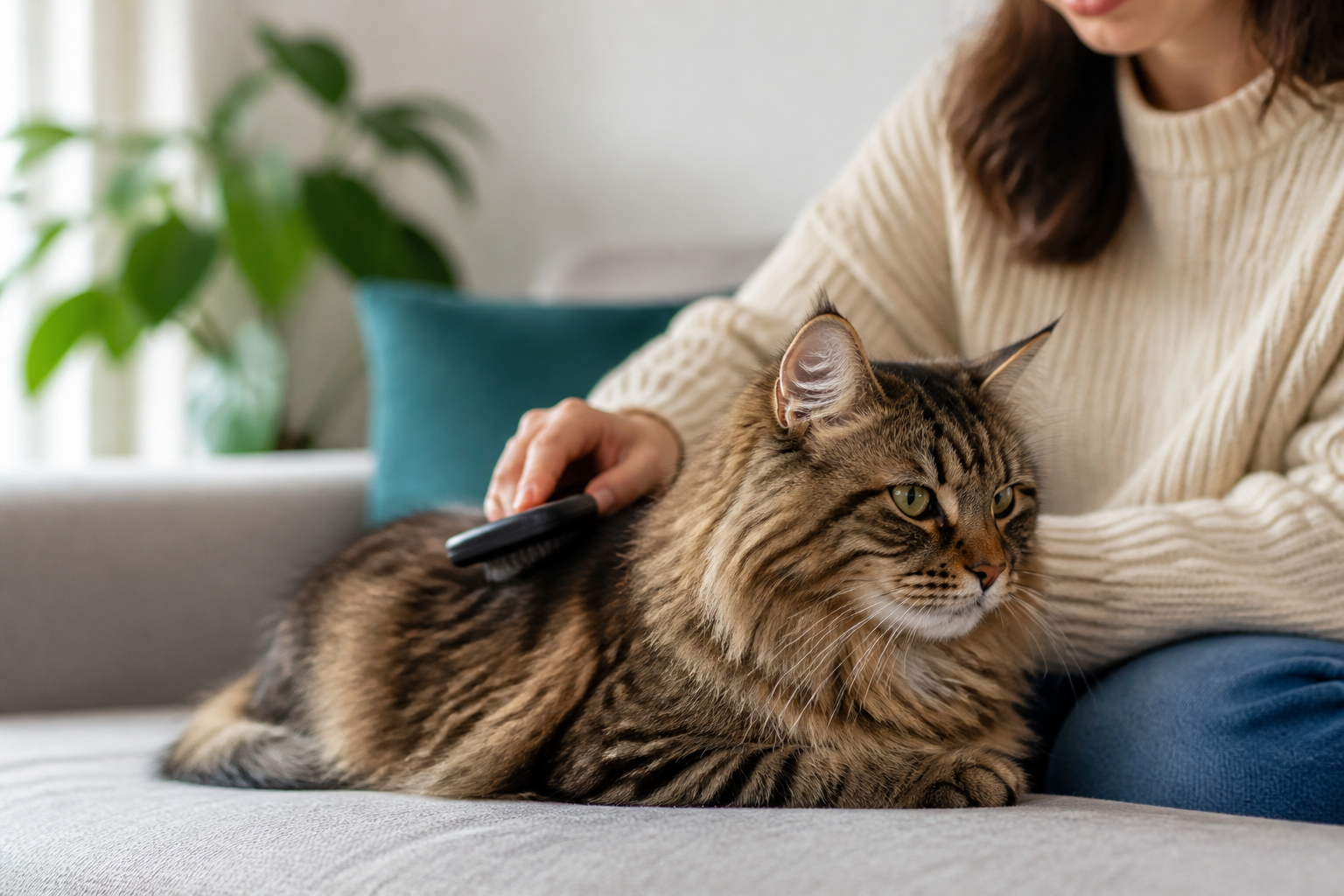
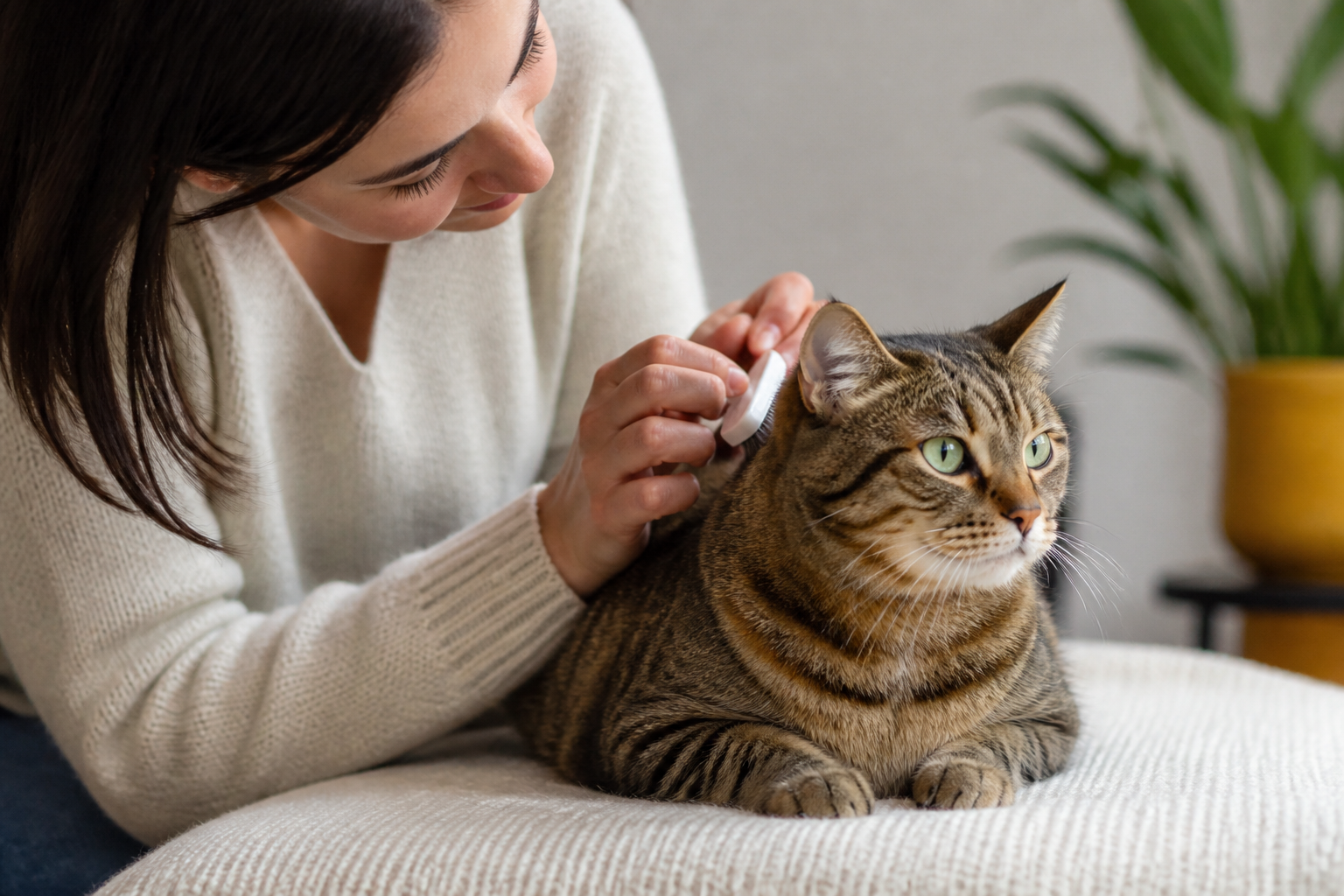
If your cat cannot groom themselves, you must step in. However, the tool you choose matters. For a cat with sensitive, dry skin, you want to avoid sharp metal combs that might scratch the surface. Our cat grooming collection includes brushes, combs, wipes, and other tools for at-home coat care.
Step 1: Select a soft-bristle brush or a rubber grooming mitt. / These tools are gentle on the skin and excellent at stimulating oil production.
Step 2: Brush in the direction of hair growth. / Start at the head and work your way back to the tail, paying extra attention to the areas your cat cannot reach.
Step 3: Keep sessions short and positive. / If your cat is not used to being brushed, offer a few treats to make it a bonding experience.
Nutrition and Skin Health
What your cat eats directly impacts the quality of their skin and fur. The skin is the largest organ in the body, and it requires a significant amount of protein and healthy fats to function correctly. If a diet is low in essential fatty acids, the skin barrier weakens. This allows moisture to escape and irritants to get in.
Omega-3 and Omega-6 fatty acids are the building blocks of healthy skin. Many standard commercial diets may not have high enough levels of these fats for cats with naturally dry skin. Adding a high-quality fish oil supplement can make a visible difference in as little as three to four weeks.
Hydration is also part of nutrition. Cats have a low thirst drive and often do not drink enough water on their own. This can lead to mild chronic dehydration, which shows up as dry, flaky skin. Switching from a strictly dry kibble diet to a diet that includes wet food can improve overall hydration levels. For more ideas about moisture-rich diets, see these sensitive-stomach cat food choices.
Nutritional Comparison for Skin Support
| Treatment Type | Primary Benefit | Best For |
|---|---|---|
| Omega-3 Supplements | Reduces inflammation and hydrates skin | Cats with chronic dry flakes |
| Wet Food Integration | Increases systemic hydration | Cats that drink very little water |
| Weight Management Food | Improves mobility and grooming access | Overweight or obese cats |
| Prescription Skin Diets | Targets specific protein sensitivities | Cats with suspected food allergies |
Our cat food selection includes dry, wet, freeze-dried, and specialized options for different feeding routines.
Medical Causes of Dandruff
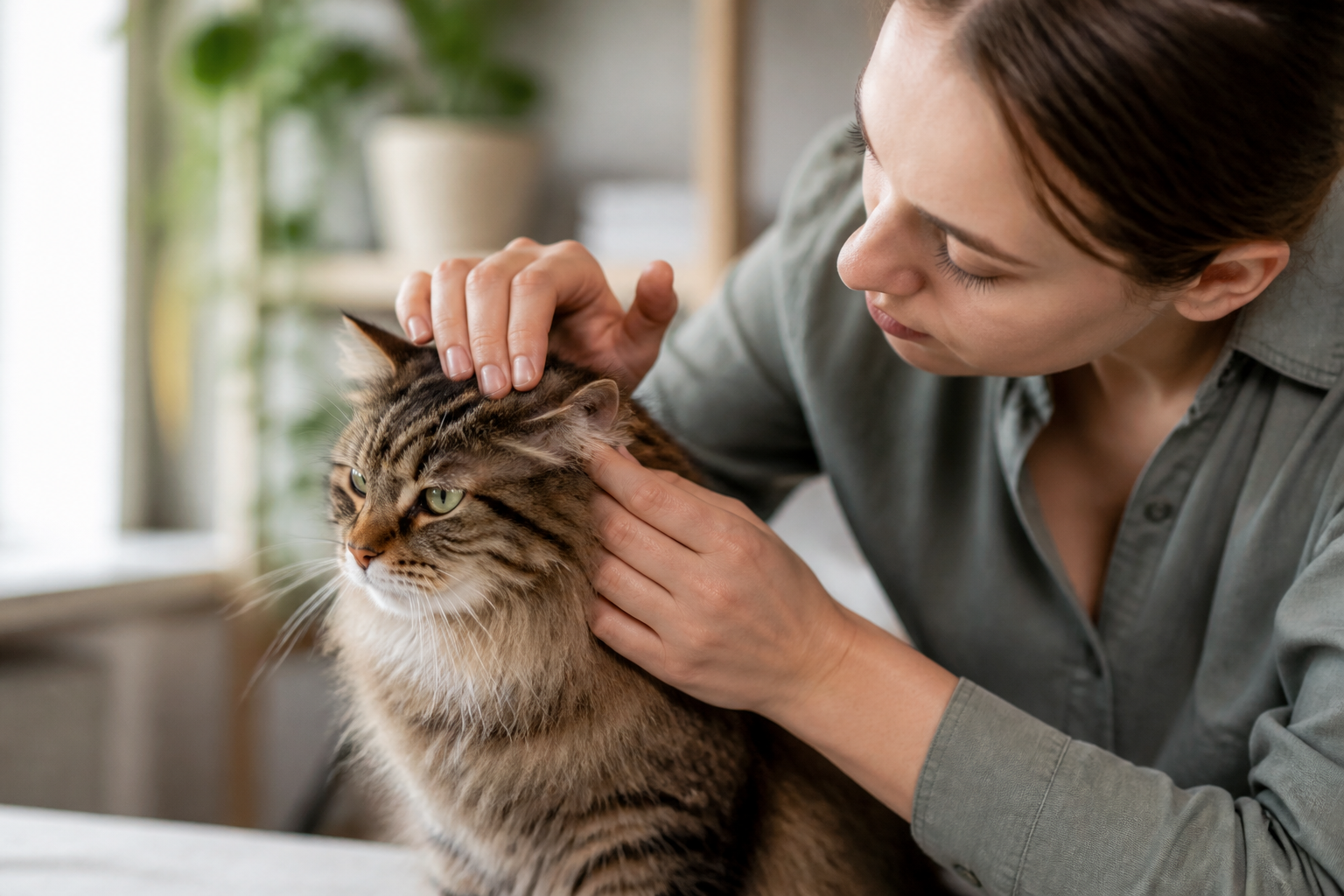
While many cases of dandruff are caused by dry air or poor grooming, some require a visit to the veterinarian. It is important to rule out underlying health conditions that manifest as skin problems.
Parasites are a common medical cause. A specific type of mite called Cheyletiella is often referred to as walking dandruff. These mites are large enough to be seen with the naked eye and look like moving white flakes. If you see the dandruff on your cat actually moving, you are dealing with a parasitic infestation that requires medical treatment.
Fungal infections like ringworm can also cause scaling and flaking. Ringworm typically appears as circular patches of hair loss with crusty skin, but it can sometimes present as general dandruff. Since ringworm is contagious to humans and other pets, getting a professional diagnosis is vital.
Internal health issues can also affect the skin. Conditions like hyperthyroidism or diabetes can change the way a cat’s body processes nutrients and maintains skin health. If your cat’s dandruff is accompanied by changes in thirst, appetite, or energy levels, a vet visit is the right next step.
Vet Tip: Always consult your veterinarian if dandruff is accompanied by redness, sores, or intense itching. They can perform a skin scraping or blood work to identify if the flakes are a symptom of a more complex condition like an allergy or an endocrine disorder.
For veterinarian-directed diets and medications, explore our pharmacy for cats.
Topical Treatments and Bathing
A common instinct for pet owners is to give the cat a bath when they see dandruff. However, frequent bathing can actually make the problem worse. Most cats do not need regular baths, and the soap can strip away the very oils the skin needs to stay hydrated.
If you must use a topical product, look for waterless mousses or conditioning sprays designed specifically for cats. These products allow you to add moisture and help lift away dead skin cells without the stress of a full bath. Always ensure the product is labeled as safe for cats, as they will groom themselves and ingest any residue left on their fur.
For cats with severe skin issues, a veterinarian might prescribe a medicated shampoo. These are different from standard over the counter soaps. They often contain ingredients to soothe inflammation or treat fungal and bacterial overgrowth. When using these, follow the instructions closely, especially regarding how long the suds must stay on the skin to be effective.
For low-stress cleanup between baths, consider waterless grooming options for cats.
Utilizing the BaxterBoo Pharmacy
When a simple brush or a humidifier is not enough, you may need professional-grade solutions. Our pharmacy carries FDA-approved medications and prescription pet foods through our partnership with Pet's Choice. This is especially helpful for cats managing chronic conditions like flea allergy dermatitis or specific nutrient deficiencies that require a therapeutic diet.
If your vet prescribes a medicated treatment or a specific prescription food like Farmina Vet Life, you can find those options through us. Having access to a real pharmacy ensures that you are getting the exact formula your cat needs to resolve persistent skin issues. This hybrid approach of high-quality retail products and professional pharmacy access helps you manage your pet's health in one place.
Stress and Skin Condition
It might seem surprising, but stress can actually cause a cat to develop dandruff. Cats are very sensitive to changes in their environment. Moving to a new home, adding a new pet, or even changing your work schedule can trigger a stress response.
When a cat is stressed, their body produces higher levels of cortisol. This hormone can impact the skin’s ability to retain moisture and can even lead to over-grooming or under-grooming. If you notice a sudden flare-up of dandruff during a chaotic time, stress may be the primary factor.
Creating a calm environment with plenty of vertical space and a consistent routine can help. In some cases, calming pheromone diffusers can reduce the anxiety that leads to skin flare-ups. Once the cat feels secure again, their skin health often returns to normal.
Seasonal Shifts and Coat Changes
Many owners notice that dandruff peaks during the spring and fall. This is usually tied to the natural shedding cycle. As the cat loses their heavy winter undercoat or prepares to grow a new one, the skin undergoes a period of high turnover.
During these transition periods, dead skin cells can get trapped under the shedding fur. This creates a buildup that looks like a sudden explosion of dandruff. Increasing your brushing frequency to once a day during shedding season can prevent this buildup. It also reduces the amount of fur your cat ingests, which helps prevent hairballs.
The Importance of High-Quality Grooming Tools
Not all brushes are created equal when it comes to managing skin flakes. If you use a brush that is too harsh, you might actually cause micro-scratches on the skin surface. These small injuries can become inflamed and lead to even more flaking.
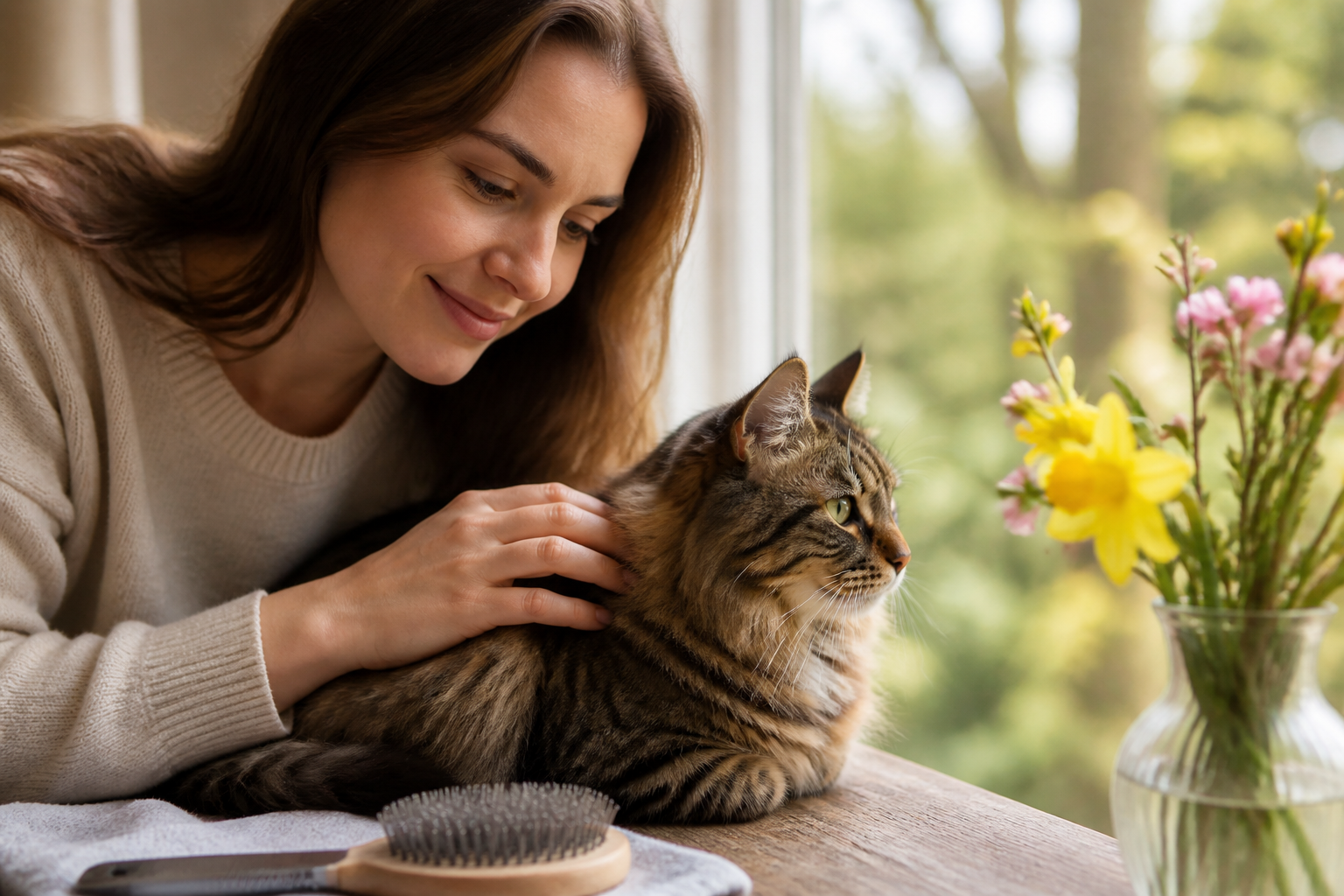
Look for tools with rounded tips or soft bristles. A slicker brush with protective coating on the pins is excellent for long-haired cats. For short-haired cats, a simple rubber curry brush is often the best choice. These rubber tools massage the skin and increase blood flow, which supports the hair follicles and the oil glands.
For a versatile option, the U-Groom Combo Brush for Dogs and Cats includes rounded pins and boar bristles for everyday coat care.
Bottom line: The best cat dandruff treatment often involves a multi-layered approach using a humidifier, a high-quality diet, and the right grooming tools to support natural oil production.
Monitoring Your Progress
When you start a new treatment plan for your cat's dandruff, do not expect results overnight. Skin cells take time to regenerate, and a coat that has become dull and dry will take several weeks to recover.
If you have added an omega-3 supplement or switched to a higher-quality food, give it at least a month before deciding if it is working. Keep an eye on the texture of the fur. You should notice it feeling softer and looking more reflective before the flakes fully disappear. If you see no improvement after a month of consistent care, it is time to check back with your veterinarian to look for a deeper cause.
Conclusion
Finding the best cat dandruff treatment requires a bit of detective work to identify whether the cause is environmental, nutritional, or medical. Most cats will find relief through a combination of increased hydration, regular brushing with the right tools, and a diet rich in essential fatty acids. For those with more persistent issues, we are here to help. Whether you need a high-quality brush, a new supplement, or a prescription diet through our pharmacy and Pet's Choice partnership, we provide the expert-curated options you need. Remember to consult your vet if you notice signs of infection or if your cat seems uncomfortable.
- Use a humidifier to combat dry indoor air.
- Brush your cat daily to distribute natural oils and remove dead skin.
- Add omega-3 fatty acids to support the skin barrier.
- Consult a vet for persistent flakes or signs of parasites.
Our MVP Rewards program is a great way to save while you find the right products for your cat's skin health. You can earn points on every purchase of grooming tools, supplements, and premium foods.
FAQ
Why does my cat have dandruff only on their lower back?
The lower back and the base of the tail are the hardest areas for a cat to reach during grooming. If your cat has limited mobility due to age, arthritis, or weight, they may stop cleaning these areas effectively. This leads to a buildup of natural oils and dead skin cells that eventually become visible dandruff.
Is cat dandruff the same as human dandruff?
The appearance is similar, but the causes can be quite different. You should never use human dandruff shampoos on a cat because the pH balance of feline skin is different from ours. Human products can be much too harsh and may contain ingredients that are toxic to cats if they lick their fur after a bath.
Can a change in diet really fix my cat's flaky skin?
Yes, nutrition plays a massive role in skin health. Diets that are deficient in essential fatty acids or high-quality proteins can lead to a weak skin barrier and dry fur. Many owners see a significant improvement in dandruff after adding a fish oil supplement or switching to a more moisture-rich wet food.
When should I be worried about my cat's dandruff?
Mild dandruff is usually a grooming or environmental issue, but you should be concerned if the skin looks red, inflamed, or has open sores. If your cat is scratching constantly or if the flakes appear to be moving, it is important to see a veterinarian. These symptoms often point to parasites, infections, or allergies that require medical intervention.