Save 15% on your 1st Autoship learn more

 Email us
 Live Chat
 FAQs
FAQs





Introduction
You might notice your dog scratching their ears more than usual. Perhaps their coat has lost its shine or they seem a bit gassy after dinner. These common issues often lead pet owners to look closer at the ingredient label on their kibble bag. At BaxterBoo, we believe that what goes into the bowl determines how your dog feels every single day. This article explains why choosing a dog food with probiotics and omega 3 fatty acids is one of the best ways to support your pet. We will cover how these ingredients work together to improve digestion and skin health. You will also learn how to spot quality sources of these nutrients. A healthy gut and a shiny coat are the foundations of a happy dog.
Understanding Probiotics in Dog Food
Probiotics are live, beneficial bacteria that live in your dog's digestive tract. People often call them "good bacteria" because they help maintain a healthy balance in the gut. A dog's digestive system is home to billions of microbes. When the bad bacteria outnumber the good ones, your dog might experience loose stools or bloating.
Adding probiotics to daily meals helps keep the gut microbiome in check. This is especially important for dogs with sensitive stomachs. Modern pet food manufacturing often uses a process called microencapsulation. This protects the delicate bacteria from heat and stomach acid. It ensures the probiotics actually reach the intestines where they can do their work.
Quick Answer: Probiotics are beneficial bacteria that support a dog's digestive and immune health. They work by balancing the gut microbiome and helping the body absorb nutrients more efficiently.
Specific Probiotic Strains to Look For
Not all probiotics are the same. Different strains serve different purposes in the body. When you read a label for brands like NutriSource or PureVita, look for specific names. Common helpful strains include:
- Lactobacillus acidophilus
- Enterococcus faecium
- Bifidobacterium animalis
- Lactobacillus casei
These specific bacteria are known for their ability to survive the transit through the stomach. They help break down food and support the immune system. Since a large portion of the immune system is located in the gut, these "good bugs" are your dog's first line of defense.
The Role of Omega 3 Fatty Acids
Omega 3 fatty acids are essential fats that your dog's body cannot produce on its own. They must come from their diet. These fats are famous for creating a glossy coat, but their benefits go much deeper than looks. They are powerful anti-inflammatory agents.
Inflammation is the root cause of many canine health problems. This includes itchy skin, joint pain, and even some heart issues. By providing a steady supply of omega 3s, you help your dog manage these conditions naturally.
Key Takeaway: Omega 3 fatty acids are essential nutrients that reduce inflammation and support skin, coat, and joint health. They are vital for dogs of all ages but especially beneficial for seniors and puppies.
Common Sources of Omega 3
Manufacturers use several different ingredients to provide these fats. Some are more bioavailable than others. This means the dog's body can use them more easily.
- Salmon Oil and Fish Oil: These are the gold standard. They provide EPA and DHA. These specific types of omega 3 are ready for the body to use immediately.
- Flaxseed: This is a plant-based source. It provides ALA. While healthy, dogs are not very efficient at converting ALA into EPA or DHA.
- Chia Seeds: Another plant source that provides fiber along with healthy fats.
- Krill Oil: This is becoming popular because it is very pure and easily absorbed.
Brands like Stella and Chewy's or Acana often use high-quality fish meals and oils. These ensure your dog gets a concentrated dose of the best fats available. You can compare fish-based and other nutrient-focused recipes in our dog food category.
The Synergy of Probiotics and Omega 3
When you combine probiotics and omega 3s, you create a powerful wellness duo. This is often referred to as the gut-skin axis. A healthy gut usually leads to healthy skin. When the gut is balanced, it absorbs nutrients better. This means the omega 3s can do their job more effectively.
If a dog has a leaky or inflamed gut, they might not absorb the healthy fats you are giving them. By fixing the digestion first with probiotics, you pave the way for the omega 3s to heal the skin from the inside out. This combination is why many premium foods now include both as standard ingredients.
For another perspective on the connection between digestion, probiotics, and skin condition, read our guide to sensitive skin dog food.
Vet Tip: If your dog has chronic skin allergies or persistent diarrhea, a change in diet is a great start. However, always consult your veterinarian to rule out underlying infections or parasites before switching formulas.
How to Read a Dog Food Label
Reading a pet food label can feel like learning a new language. To find the best food, you need to look past the marketing on the front of the bag. Flip it over to the Guaranteed Analysis and the Ingredient List.
The Guaranteed Analysis will list the minimum percentages of crude protein and fat. Look for a specific line that mentions Omega-3 Fatty Acids. If it is not listed there, the amount might be too low to be significant.
In the ingredient list, probiotics are usually found at the very end. They will look like long, scientific names. Good manufacturers will also list the "CFUs" or Colony Forming Units. This tells you how much live bacteria was added to the food.
Warning Signs on Labels
Be wary of vague terms. "Animal fat" or "fish meal" without naming the species can be a sign of lower quality. You want to see "Salmon Oil" or "Menhaden Fish Meal." Specificity shows that the company is careful about their sourcing.
Also, look at how the probiotics are added. If they are added before the high-heat cooking process, they might not survive. Premium brands often apply probiotics as a coating after the kibble has cooled. This keeps the bacteria alive and active for your dog.
Transitioning to a New Food
If you decide to switch to a food with better probiotics and fats, do not do it all at once. A sudden change can cause the very digestive upset you are trying to fix. A slow transition allows your dog's gut bacteria to adjust to the new recipe.
Step 1: Mix 25 percent of the new food with 75 percent of the old food for two to three days.
Step 2: Increase to a 50/50 mix for another three days.
Step 3: Move to 75 percent new food and 25 percent old food for the final three days.
Step 4: Serve 100 percent of the new food.
Watch your dog's stool during this time. If it becomes very soft, slow down the process. Give them an extra few days at the current mixture level before increasing the new food again.
For additional guidance, see what can cause diarrhea after changing dry food.
Bottom line: A slow, ten-day transition is the safest way to introduce new nutrients without causing stomach upset.
Addressing Specific Health Concerns
Some dogs need more than what standard over-the-counter food provides. If your dog has a diagnosed medical condition, their needs might be more specific. This is where specialized nutrition and medications come into play.
For dogs with severe inflammatory bowel disease or extreme skin allergies, a veterinarian might suggest a prescription diet. These diets are formulated with very specific protein sources and high levels of therapeutic nutrients. Our pet pharmacy offers FDA-approved medications and prescription pet foods through our partnership with Pet's Choice. This is a helpful resource for owners managing chronic health issues that require more than just standard wellness support.
Senior Dogs and Joint Support
As dogs age, their joints begin to wear down. Inflammation becomes a daily struggle. For these pets, omega 3 fatty acids are not just an extra benefit. They are a necessity. Many senior-specific formulas combine these fats with glucosamine and chondroitin.
Probiotics are also vital for seniors. Older dogs often have a harder time absorbing nutrients from their food. A healthy population of gut bacteria ensures they get the most out of every bite. This helps maintain their muscle mass and energy levels as they age.
The Importance of Storage and Freshness
Omega 3 fats are very sensitive to heat, light, and oxygen. When they are exposed to air, they can become rancid. Rancid fats do not just taste bad. They can actually cause inflammation rather than reducing it.
To keep your dog's food fresh, keep it in the original bag. These bags are designed to keep oxygen out. Place the entire bag inside a sealed plastic or metal container. Try to use the food within six to eight weeks of opening. If you have a small dog, buy smaller bags so the food stays fresh until the last scoop.
Probiotics are also sensitive. While microencapsulation helps, keeping the food in a cool, dry place is essential. Do not store dog food in a hot garage or a damp basement. This can kill the beneficial bacteria and cause mold to grow on the kibble.
Supplementing Your Current Food
Maybe you are happy with your current dog food but want to add a boost. You can use toppers or supplements to increase the probiotic and omega 3 content. Zesty Paws and Honest Paws offer excellent options for this.
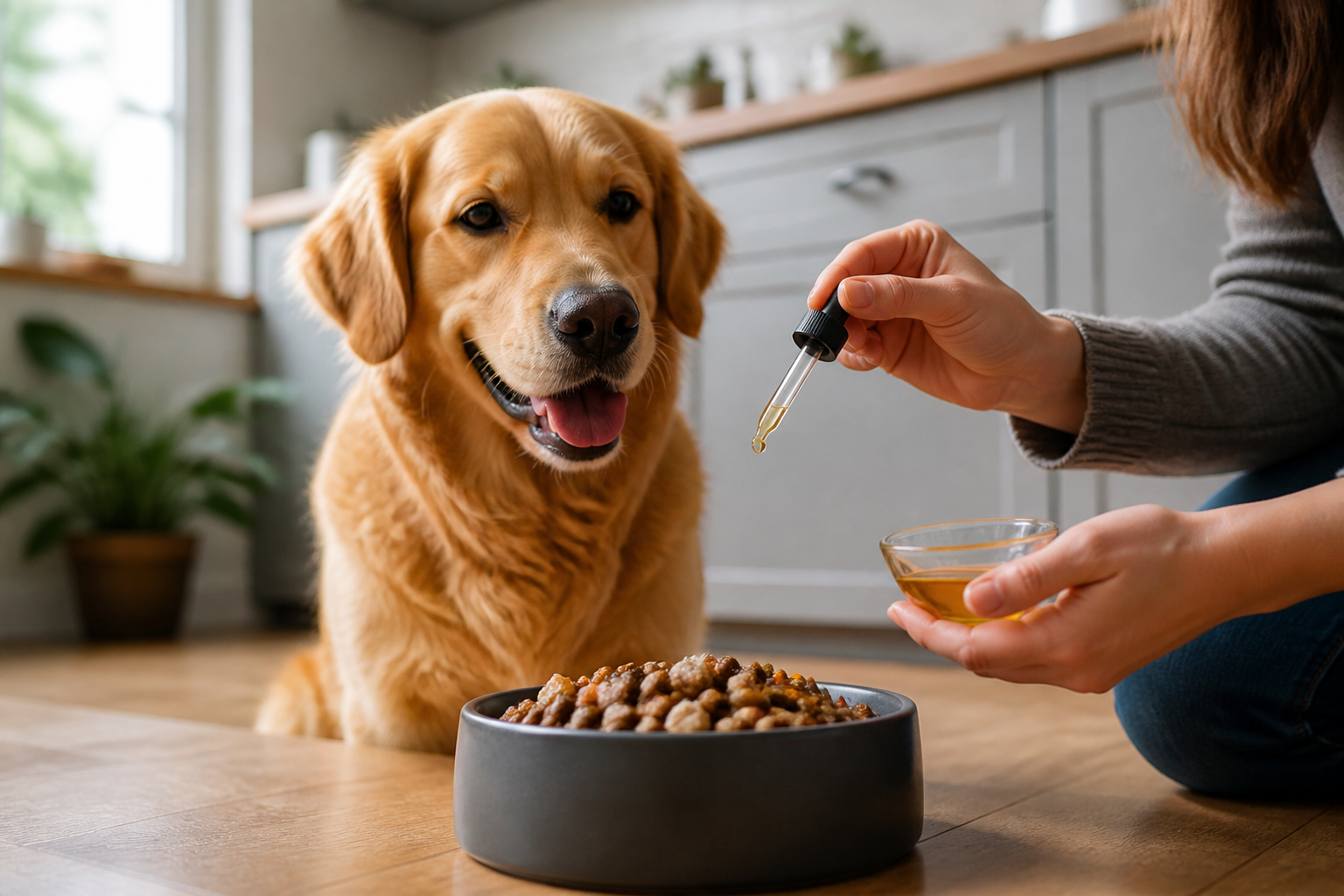
A salmon oil pump is an easy way to add omega 3s to any meal. Just a few squirts can transform a standard kibble into a skin-supporting feast. For probiotics, you can find powders or soft chews. These are great for dogs who are recovering from a round of antibiotics. Antibiotics kill all bacteria, including the good ones, so replenishing the gut is crucial after a vet visit.
Key Takeaway: You can easily enhance any high-quality diet by adding fish oil pumps or probiotic powders to your dog's daily routine.
Choosing the Right Brand at BaxterBoo
We carefully select the brands we carry to ensure they meet high standards for nutrition. Whether you are looking for grain-free options or traditional recipes, we have choices that prioritize gut and skin health.
Brands like Orijen and Farmina are known for their biological appropriateness. They use fresh fish and meats that are naturally rich in fats. Other brands like NutriSource focus heavily on their "Good 4 Life" system. This system specifically includes the probiotics and prebiotics needed for optimal digestion.
When you shop with us, you can take advantage of the MVP Rewards program. This allows you to earn up to 5 percent back on your purchases. It is a great way to save on the premium foods that keep your dog healthy. We also offer our Autoship programme. This ensures you never run out of food and gives you a discount on your first order.
Life Stage Considerations
The nutritional needs of a dog change as they grow. A puppy needs different levels of fats and bacteria than a middle-aged dog.
Puppies
Puppies need high levels of DHA. This is a specific omega 3 fatty acid found in fish oil. It is essential for brain and eye development. Without enough DHA, a puppy may struggle with learning and coordination. Probiotics are also helpful for puppies as they transition from their mother's milk to solid food. It helps stabilize their developing immune systems.
Adult Dogs
For active adults, the focus is on maintenance and prevention. Omega 3s help repair tissues after a long day of playing or hiking. Probiotics keep their energy levels stable by ensuring efficient digestion.
Seniors
As mentioned before, seniors need the anti-inflammatory power of omega 3s for their joints. They also benefit from the immune-boosting properties of probiotics. Older dogs are more susceptible to infections, so a strong gut barrier is their best friend.
Common Ingredients That Support Gut Health
Beyond just adding probiotics, certain ingredients help the "good bugs" thrive. These are called prebiotics. They are essentially food for the probiotics.
- Chicory Root: A natural source of inulin, which is a powerful prebiotic fiber.
- Beet Pulp: Often misunderstood, this is an excellent fiber source that helps move food through the gut.
- Pumpkin: Great for both diarrhea and constipation, it provides gentle fiber.
- Yeast Culture: Helps support a healthy environment in the digestive tract.
A food that contains both prebiotics and probiotics is called a "synbiotic" formula. This is the most effective way to manage long-term gut health.
The Role of Prescription Diets
Sometimes a dog's health needs go beyond what a standard wellness diet can provide. In cases of severe food allergies, kidney disease, or chronic GI issues, your vet might prescribe a specific food. Farmina Vet Life and Royal Canin offer specialized formulas for these needs.
These foods often contain hydrolyzed proteins or very specific fat ratios. Our pharmacy partnership with Pet's Choice makes it easy to get these prescription diets delivered to your door. This ensures your dog gets the exact nutrition they need to manage their condition.
For more information about veterinary diets and the transition process, read our comprehensive guide to veterinary diet food.
Vet Tip: Never start a prescription diet without a formal diagnosis from your veterinarian. These foods are formulated with specific nutrient levels that may not be appropriate for a healthy dog.
Summary of Benefits
Feeding a dog food with probiotics and omega 3 is an investment in your dog's future. You are not just filling their stomach; you are fueling their health.
- Improved Digestion: Less gas, firmer stools, and better nutrient absorption.
- Stronger Immunity: A healthier gut means a better defense against illness.
- Healthy Skin: Less itching and fewer hot spots.
- Shiny Coat: A soft, glossy fur that feels great to pet.
- Joint Support: Reduced inflammation for better mobility.
By choosing brands like Acana, NutriSource, or Farmina, you are giving your dog a head start on a long and healthy life.
Conclusion
Choosing the right food is one of the most important decisions you make as a pet owner. A formula rich in probiotics and omega 3 fatty acids addresses the two most common areas of concern: digestion and skin health. We are proud to offer a wide selection of dog food at BaxterBoo. Whether you visit our warehouse in Vernon Hills or order online for delivery, you are getting products handpicked by people who love pets.
Take a look at your dog's current food. If it is missing these essential ingredients, consider making a slow transition to a higher-quality formula. Your dog will thank you with a wagging tail and a healthy glow.
- Check labels for specific probiotic strains like Lactobacillus.
- Prioritize fish-based omega 3 sources for better absorption.
- Use a slow ten-day transition when changing foods.
- Keep food stored in a cool, dry place to maintain freshness.
Bottom line: Total health starts in the gut and reflects in the coat, making probiotics and omega 3s essential for every dog's diet.
FAQ
Why should I look for probiotics and omega 3 in the same dog food?
Combining these two nutrients supports the gut-skin axis, which is the link between digestive health and skin condition. Probiotics ensure the gut is healthy enough to absorb the anti-inflammatory omega 3 fats, leading to better overall results. This duo helps your dog feel better internally while looking better externally.
Can I just add fish oil and a probiotic supplement to any cheap dog food?
While supplements are helpful, they work best when added to a high-quality base diet. Premium foods are formulated with the correct balance of proteins and minerals that supplements alone cannot fix. Furthermore, integrated probiotics are often microencapsulated to survive the storage process better than some separate toppers.
How do I know if the probiotics in my dog's food are actually alive?
Reliable brands will list the Colony Forming Units (CFUs) on the label to guarantee the amount of live bacteria at the time of packaging. To keep them alive at home, store the food in its original bag inside an airtight container in a cool, dry area. Avoid exposing the food to high heat or moisture, which can kill the beneficial microbes.
Will dog food with omega 3 help my dog's itchy skin right away?
Dietary changes take time to show visible results on the outside of the body. You will likely see improvements in digestion within a few days, but skin and coat changes usually take six to eight weeks. This is because it takes time for the new skin cells to grow and for the inflammation levels in the body to drop.