
 Save 15% on your 1st Autoship learn more

 Email us
 Live Chat
 FAQs





Introduction
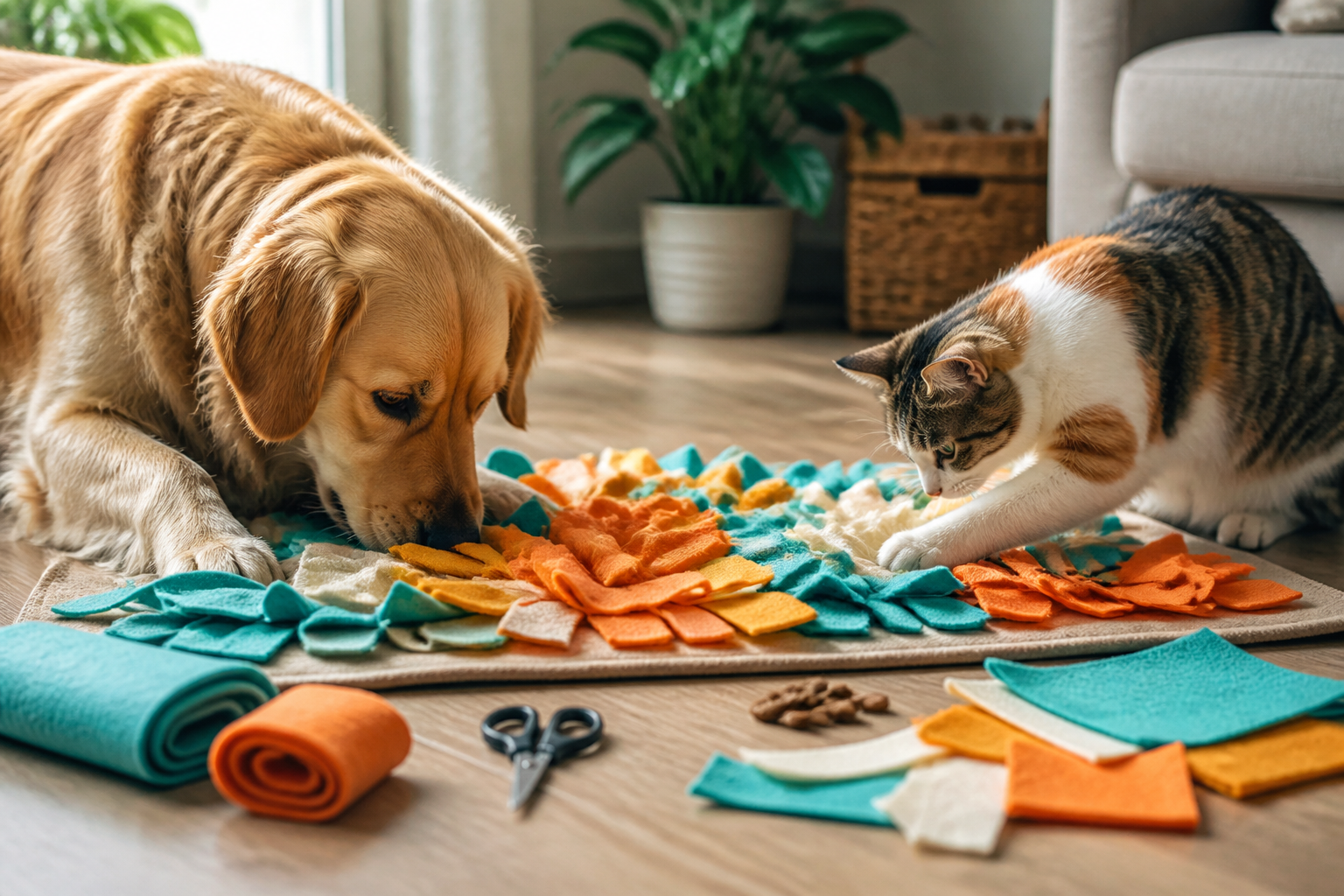
Your dog just finished dinner in fourteen seconds flat. You hear the frantic clatter of the metal bowl across the kitchen floor as they lick the last molecules of fat from the stainless steel. It is a common scene for many pet owners. Here at BaxterBoo, we believe that mealtime should be more than just a race to the bottom of the bowl. A snuffle mat is a simple, effective tool that turns a quick snack into a rewarding foraging game. This post covers the specific supplies you need to build your own enrichment toy at home. We will look at fabric choices, sturdy bases, and how these materials support your pet's natural instincts. Making your own enrichment gear is a practical way to keep your dog or cat mentally sharp.
Choosing the Right Base Material
The base is the skeleton of your snuffle mat. It provides the weight needed to keep the mat on the floor while your dog or cat roots around for treats. If the base is too light, your pet might just pick the whole thing up and shake it. This defeats the purpose of the foraging exercise.
A plastic or rubber sink mat is the most popular choice for a DIY project. These are usually found in the kitchen section of most hardware or discount stores. They are ideal because they already have a grid of holes. You simply tie your fabric strips through these pre-existing gaps. Look for a mat that is flexible but heavy enough to stay flat. Silicone sink mats are also a great option because they naturally grip the floor.
If you have a very large dog, a standard sink mat might be too small. You can zip-tie two or more sink mats together to create a larger surface area. Just make sure to trim the sharp ends of the zip ties and cover them with fabric. Some owners also use anti-fatigue floor mats with holes or even heavy-duty rubber doormats. These larger options provide a bigger challenge and more space to hide kibble.
Quick Answer: The most common materials for a DIY snuffle mat are a perforated rubber sink mat and approximately one to two yards of anti-pill fleece fabric. These supplies are affordable, washable, and durable enough to withstand a dog's natural foraging behaviors.
Interactive & Treat Dog Toys








Selecting the Best Fabric Strips
While you can technically use many types of fabric, fleece is the gold standard for snuffle mats. There are several reasons why fleece outperforms other materials like cotton or denim.
First, fleece does not fray when you cut it. This is vital for pet safety. If you used a woven cotton, your pet would eventually pull up long strings. These strings can become a choking hazard or cause intestinal blockages if swallowed. Fleece is a non-woven knit, so the edges stay clean even after hundreds of snuffles.
Second, fleece has a bit of "give" or stretch. This makes it much easier to tie tight knots around the plastic base. It also provides a soft, bushy texture that mimics long grass. This texture is what makes the mat effective at hiding small pieces of dry food. We recommend using anti-pill fleece because it stays looking new longer and resists the "pilling" that happens with friction.
Fabric Type Comparison Table
| Fabric Type | Fraying Risk | Durability | Best Use Case |
|---|---|---|---|
| Anti-Pill Fleece | None | High | Everyday use, heavy sniffers |
| Blizzard Fleece | None | Medium | Lighter mats, budget-friendly |
| Cotton T-Shirts | Low | Low | Quick, upcycled temporary mats |
| Flannel | Medium | Medium | Very soft, but may fray slightly |
Essential Tools for the Project
You do not need a workshop full of tools to build a snuffle mat. However, having the right cutting equipment will save you a lot of time. This project involves cutting dozens, or even hundreds, of individual strips.
A sharp pair of fabric scissors is the basic requirement. If your scissors are dull, you will find yourself struggling to cut through the fleece. This can lead to hand fatigue and uneven strips. Many crafters prefer using a rotary cutter and a self-healing cutting mat. This setup allows you to cut multiple layers of fabric at once with high precision.
You will also need a ruler or a measuring tape. While your dog will not care if the strips are exactly the same size, having a consistent length helps the mat look uniform. It also ensures that you have enough fabric to tie a secure knot while leaving enough "tail" for the pet to sniff through.
- Sharp fabric scissors or a rotary cutter
- A self-healing cutting mat (if using a rotary cutter)
- A clear quilting ruler for measuring strip widths
- A sturdy table or flat work surface
Key Takeaway: Using a rotary cutter and a ruler can cut your preparation time in half by allowing you to slice through several layers of fleece at once.
How to Prepare Your Materials
Before you start tying, you need to process your fleece into usable strips. Most snuffle mats require strips that are about one inch wide and six to eight inches long. If the strips are too short, they will be difficult to tie. If they are too long, the mat will become floppy and will not hide the food as well.
Step 1: Lay your fleece flat on your work surface. Fold it over once or twice to create multiple layers for faster cutting.
Step 2: Cut the fleece into long strips that are six to eight inches wide. These will determine the height of your "grass."
Step 3: Take those wide strips and cut them crosswise into one-inch pieces. You will end up with a large pile of small fabric rectangles.
Step 4: Sort your strips by color if you are trying to create a specific pattern. Many people like to mix colors to make the mat more visually appealing, though your pet relies mostly on their nose.
Bottom line: Preparation is the longest part of the process, so cutting all your strips before you begin tying will make the assembly much smoother.
Step-by-Step Assembly Guide
Once your materials are ready, the assembly is repetitive but relaxing. It is a great activity to do while listening to a podcast or watching a movie.
Step 1: Start at one corner of your sink mat. This gives you a clear point of reference as you move across the grid.
Step 2: Push one end of a fleece strip through a hole in the mat. Pull it through the hole immediately next to it. Both ends of the strip should now be on the top side of the mat.
Step 3: Tie the two ends together in a simple overhand knot. You do not usually need a double knot. The friction of the fleece against itself and the plastic will keep it secure. Pull it tight.
Step 4: Continue this process across the entire row. Once you finish a row, start the next one.
Step 5: For a truly dense mat, go back and tie strips diagonally or in the gaps between the rows. This fills in any "bald spots" where treats might fall straight to the floor.
Density and Texture
A good snuffle mat should be dense enough that you cannot see the plastic base through the fabric. When you hold the mat up, the fleece should stand up like thick carpet. If it looks thin, add more strips. At BaxterBoo, we have noticed that dogs spend more time engaged with mats that have a high density of fabric because the treats are harder to find.
The Science of Sniffing and Enrichment
You might wonder why hiding kibble in a piece of fabric is so beneficial. For dogs and cats, the sense of smell is their primary way of processing the world. A dog's nose has up to 300 million olfactory receptors. For comparison, humans have about six million.
When a pet uses their nose to find food, it activates the reward centers in their brain. This is a form of self-directed work. It lowers cortisol levels and can help calm an anxious pet. For many dogs, fifteen minutes of intensive sniffing is as mentally tiring as an hour-long walk. This is why snuffle mats are excellent for rainy days or for pets recovering from surgery who cannot do heavy physical activity.
At BaxterBoo, we see many owners looking for ways to manage high-energy breeds. Scent work is one of the best ways to provide that outlet without needing a massive backyard. It encourages focus and problem-solving, which can improve overall behavior. For more ideas, explore dog brain games and scent-based enrichment activities.
Vet Tip: Scent work is a fantastic low-impact activity for senior pets or those with mobility issues. If your pet is struggling with cognitive decline or physical stiffness, consult your veterinarian about incorporating mental enrichment like snuffle mats into their daily routine.
Snuffle Mats for Weight Management
If your pet is on a weight loss journey, every calorie counts. Fast eaters often do not realize they are full, leading them to beg for more food immediately after finishing a bowl. Using a snuffle mat for their main meals forces them to eat one piece of kibble at a time.
This slow-feeding method allows the brain to catch up with the stomach. It also turns a boring meal into a game that lasts ten to twenty minutes instead of ten seconds. For pets on prescription weight management diets, our dog healthcare selection can help you find supplies to discuss with your veterinarian. Transitioning to a snuffle mat for these specialized diets can make the restricted portions feel more satisfying for your pet.
Safety and Supervision
While DIY snuffle mats are generally safe, you should always supervise your pet during use. This is not a chew toy. It is a puzzle toy. Some dogs, especially puppies or heavy chewers, may decide that the fleece strips are more fun to pull off and eat than the kibble is to find.
If you see your dog starting to tug on the fabric or try to chew the plastic base, gently interrupt them. Direct them back to the sniffing behavior. If they continue to chew, pick up the mat and try again later. Once the treats are gone, it is best to put the mat away. This keeps the item special and prevents the pet from getting bored and destructive with it. You can also review our dog toys collection for structured enrichment options.
- Always inspect the mat for loose strips before and after use.
- Remove the mat once the food has been found.
- Watch for any signs of ingestion of the fabric.
- Replace the mat if the plastic base becomes cracked or broken.
Bottom line: Active supervision ensures that the snuffle mat remains a positive mental exercise rather than a destructive chewing habit.
Cleaning and Maintenance
One of the best features of using fleece and plastic sink mats is that they are relatively easy to clean. Saliva and food dust will eventually make the mat smell and feel grimy. Regular cleaning is necessary to keep your pet's nose happy.
To wash your DIY snuffle mat, you can hand wash it in a sink with warm water and a pet-safe, unscented detergent. Rinse it thoroughly to ensure no soap residue remains. Fleece is highly absorbent, so squeeze out as much water as possible before drying.
We do not recommend putting the mat in a high-heat dryer. The heat can warp or melt the plastic or rubber base. Instead, lay it flat on a drying rack or hang it up to air dry. If you must use a washing machine, place the mat inside a pillowcase or a mesh laundry bag to prevent the strips from getting tangled in the agitator. Use a gentle cycle with cold water.
Upcycling Alternative Materials
If you do not want to buy new fleece, you can upcycle materials from around your home. Old t-shirts, flannel pajamas, or worn-out towels can work. However, you must be more careful with these materials.
Cotton t-shirts are a decent alternative but they are thinner than fleece. You will need many more strips to achieve the same density. Old towels provide great texture, but they fray significantly. If you use towels, you will need to trim the loose threads regularly to prevent your pet from swallowing them.
Flannel is a soft option that holds its shape well. It is warmer than cotton but thinner than fleece. If you are using upcycled clothing, ensure all buttons, zippers, and tags are completely removed. These can be choking hazards or cause injury to your pet's mouth as they forage.
Enhancing the Snuffle Experience
Once your mat is built, you can vary the difficulty. For beginners, sprinkle the treats right on top of the fleece. As your pet gets better at the game, bury the treats deep inside the knots and under the "grass."
You can also use different types of treats to keep things interesting. Small, hard kibble works best because it falls deep into the mat. Freeze-dried liver or small training treats are also excellent choices. Our dog treats collection offers options that can pair with enrichment activities.
If your pet is highly motivated by scent, you can even use the mat to introduce new smells, like a tiny bit of dried catnip for cats or specialized scent drops for dogs. This expands the enrichment beyond just finding food. Cat owners can also browse our cat toy selection for additional play ideas.
Promoting Healthy Habits
A snuffle mat is just one part of a healthy lifestyle. Combining mental enrichment with high-quality nutrition and regular veterinary care is the best way to ensure a long life for your pet. Since 2006, we have been helping owners find the right balance of gear and guidance.
Whether you are building your first mat for a new puppy or looking for ways to engage a senior cat, the effort you put into their mental health pays off in their behavior and happiness. Visit us at BaxterBoo to find the high-value dog treats and supplements that pair perfectly with your new DIY project.
Key Takeaway: Consistent mental enrichment, like using a snuffle mat, can significantly reduce boredom-based behaviors and strengthen the bond between you and your pet.
FAQ
Can I use a snuffle mat for my cat?
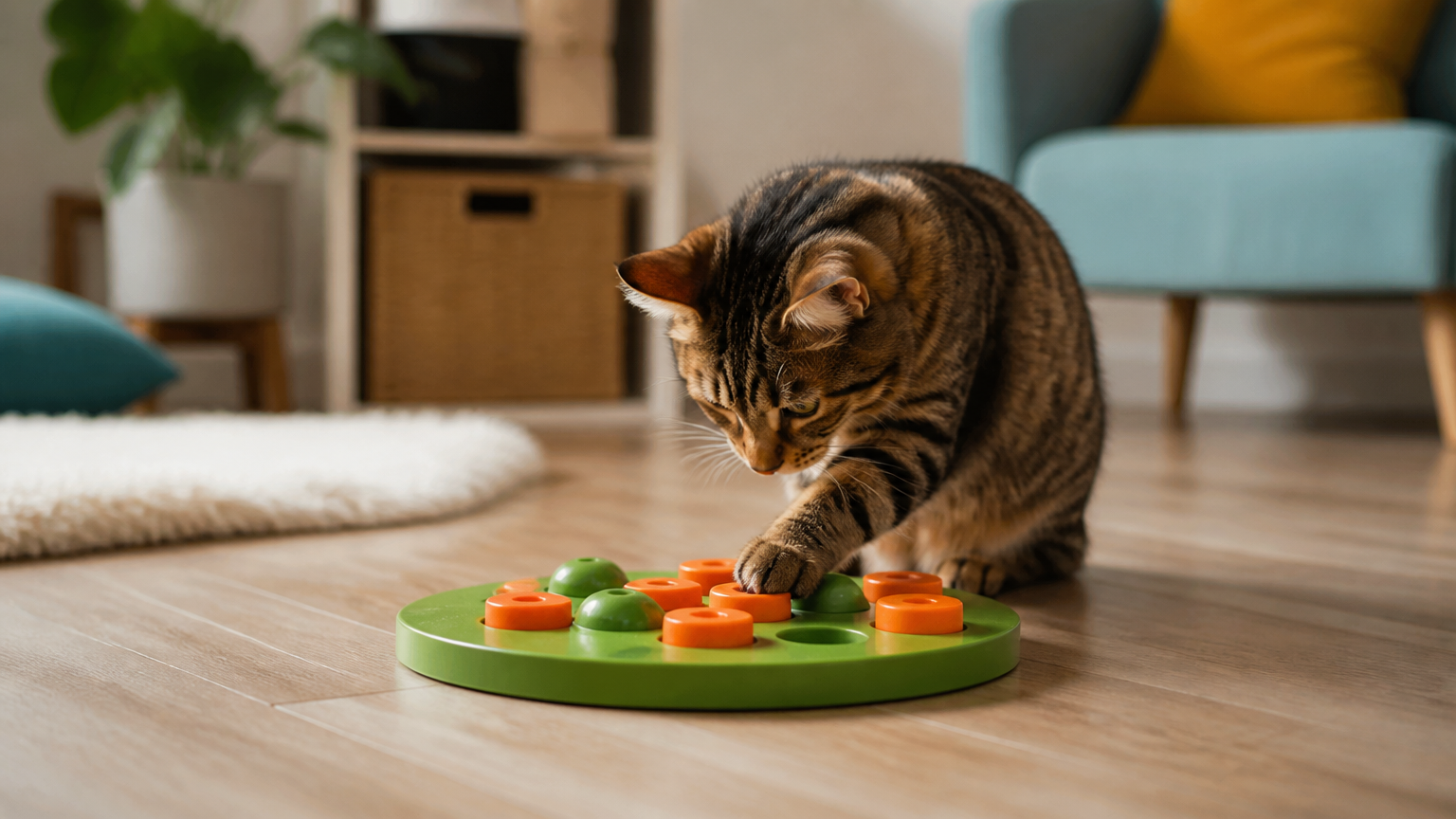
Yes, cats have an incredible sense of smell and naturally love to forage for their prey. You can hide dry cat treats or even a few pieces of high-quality dry food in the mat. It is a great way to encourage a sedentary indoor cat to move around and use their brain.
How much fabric do I actually need for a standard mat?
For a standard 12-inch by 15-inch sink mat, you will usually need about one to one and a half yards of fleece. This allows you to cut enough strips to create a dense, bushy texture. If you want an extra-thick mat, plan for two yards.
Is it safe to leave my dog alone with a snuffle mat?
It is not recommended to leave any pet unsupervised with a snuffle mat. Because the fabric smells like food, a bored dog may decide to chew and swallow the fleece strips. This can lead to serious health issues that require veterinary intervention or surgery.
What should I do if my dog just flips the mat over?
If your dog learns they can just shake the food out, the challenge is gone. You can try using a heavier rubber base or even suction-cupping the mat to a hard floor. Some owners also find that placing the mat in a shallow plastic tray prevents the "flip and eat" strategy.
Conclusion
Building a snuffle mat is an easy and affordable way to improve your pet's quality of life. By using simple materials like a sink mat and fleece, you create a tool that slows down fast eaters and provides vital mental stimulation. This project is accessible for any pet owner and can be customized to fit the size and style of your dog or cat.
- Choose a heavy, perforated base like a rubber sink mat.
- Use anti-pill fleece to prevent fraying and ensure durability.
- Supervise every session to prevent chewing or ingestion of materials.
- Wash the mat regularly to keep it hygienic for your pet’s sensitive nose.
The most important step is getting started. Once you see the focus and satisfaction your pet gets from foraging, you will understand why scent work is such a powerful tool. For more ideas on how to keep your pet healthy and engaged, check out our interactive dog toys and our dog treats.


- Site & Contents BaxterBoo.com. BaxterBoo is located in the United States.
- Privacy & Security
- Terms of Use
- Accessibility Statement
