
 Save 15% on your 1st Autoship learn more

 Email us
 Live Chat
 FAQs
FAQs





Introduction
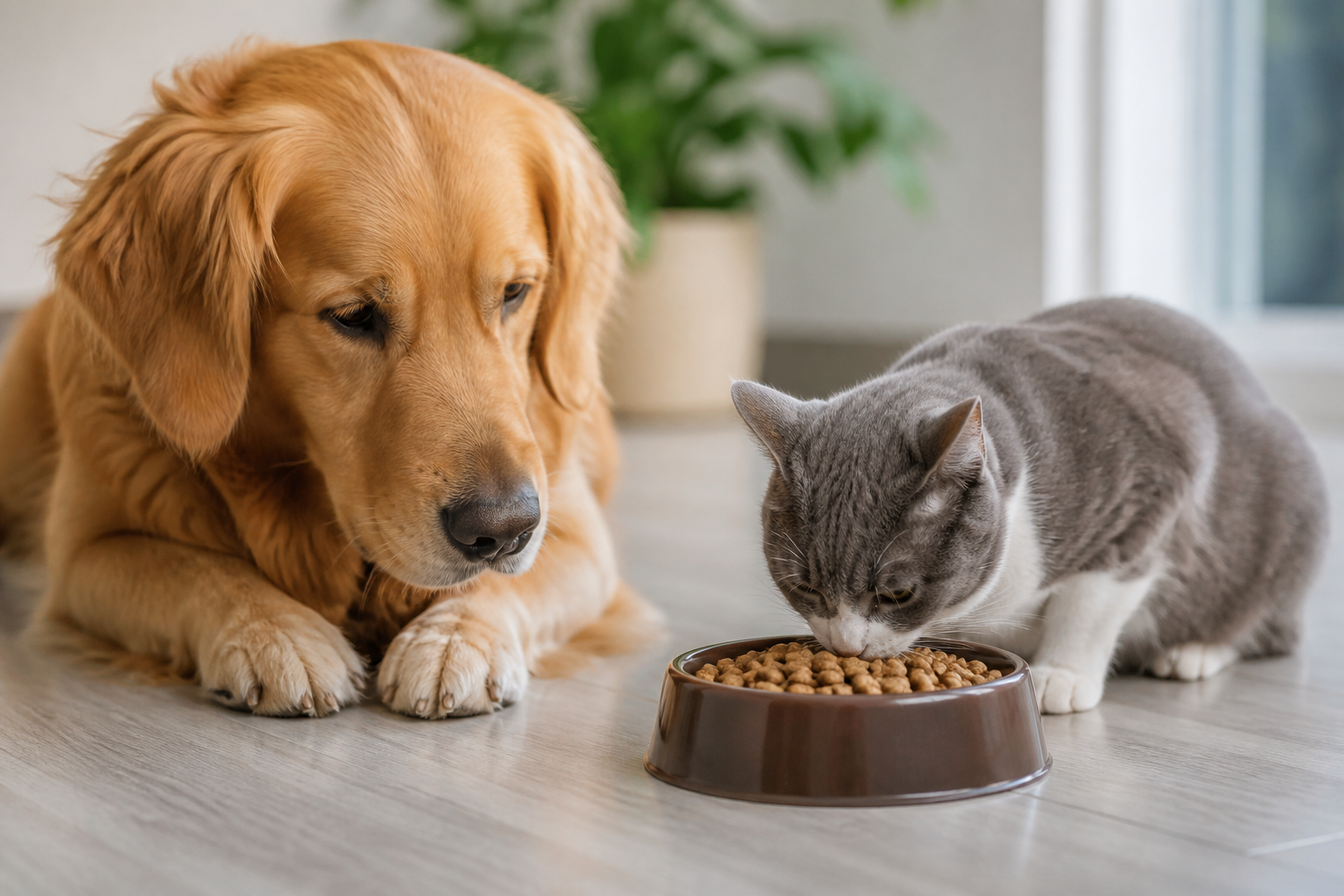
You might be filling your dog's bowl when you notice your cat waiting nearby. Before you can stop them, they have snatched a piece of kibble and crunched it down. This scenario is common in multi-pet households where curiosity often leads cats to explore their roommates' dinner. While a single bite is not cause for alarm, many owners wonder if can cat eat dog dry food as a regular part of their routine. At BaxterBoo, we understand that managing different dietary needs in one home can be a challenge. This article covers the biological differences between cats and dogs, the essential nutrients missing from canine diets, and how to keep your pets in their own bowls. While a small nibble is generally safe, dog food cannot provide the long term nutrition a cat needs to thrive.
The Short Answer on Safety
If you just caught your cat finishing a stray piece of dog kibble, do not panic. Dog food is not toxic to cats. It does not contain ingredients that act as an immediate poison. A few bites will likely result in nothing more than a bit of extra curiosity. Some cats might experience a mild stomach upset or a soft stool if they have a sensitive digestive system. These symptoms usually pass quickly without medical intervention.
However, the situation changes if your cat begins eating dog food as a meal replacement. Short term safety does not equal long term health. Feline bodies are precision machines designed for a very specific type of fuel. If that fuel is replaced by a formula meant for a different species, the machine will eventually start to break down.
Quick Answer: A cat can safely eat a few pieces of dog dry food without immediate harm. However, dog food lacks the specific amino acids and high protein levels cats require to stay healthy. Feeding a cat dog food long term can lead to serious health issues like heart disease or vision loss.
Obligate Carnivores vs. Omnivores
To understand why dog food is insufficient for cats, we have to look at their biological classifications. Dogs are omnivores. This means they can get their nutrients from both animal and plant sources. Their bodies are flexible and can process a variety of grains, vegetables, and meats to create the energy they need.
Cats are obligate carnivores. This term means they are biologically required to eat meat. Their bodies lack the specific enzymes needed to process plant based nutrients as efficiently as dogs do. In the wild, a cat's diet consists almost entirely of small prey. Commercially prepared cat food mimics this by providing high concentrations of animal protein and specific fats. Dog food contains more plant based fillers and carbohydrates which a cat cannot utilize effectively.
The Nutrient Gap
The Association of American Feed Control Officials (AAFCO) sets different standards for dog and cat nutrition. When you compare a bag of cat kibble to a bag of dog kibble, the ingredient list might look similar at first glance. However, the proportions and the synthetic additives are very different.
For formulas designed specifically for felines, explore our cat food collection.
The Importance of Taurine
Taurine is an amino acid that is non-negotiable for feline health. While dogs can synthesize their own taurine, cats cannot. They must get every milligram of it from their diet. Most dog foods do not have taurine added because dogs do not strictly need it supplemented.
If a cat eats dog food consistently, they will develop a taurine deficiency. This leads to a condition called dilated cardiomyopathy, which is a serious weakening of the heart muscle. It can also lead to central retinal degeneration, which eventually results in permanent blindness.
Vitamin A Requirements
Cats also have a unique way of processing Vitamin A. Dogs can take beta carotene from plants like carrots and convert it into active Vitamin A. Cats lack the enzyme to make this conversion. They need preformed Vitamin A, which is found in animal tissues like liver. Because dog food relies on plant sources for some vitamins, it often lacks the high levels of preformed Vitamin A that cats require.
Arachidonic Acid
This is an essential fatty acid that cats must ingest. Dogs can produce it within their own bodies, so it is rarely added to canine formulas. Without enough arachidonic acid, a cat may suffer from poor skin health, a dull coat, and issues with their reproductive system.
Protein Density
Cats require a much higher percentage of protein than dogs. Most standard dog foods contain between 18 and 26 percent protein. For a cat, we generally recommend looking for a diet that contains at least 30 to 35 percent protein. Feeding a cat a lower protein dog diet is essentially putting them on a slow-motion starvation plan for their muscles and organs.
For additional context about feline diets and grain-free formulas, read our guide to grain-free cat food.
Key Takeaway: Cats and dogs have different nutritional profiles because of their biology. Cats require higher protein, preformed Vitamin A, and taurine, all of which are usually lacking or insufficient in dog food.
Symptoms of Nutritional Imbalance
If a cat has been sneaking dog food for a long period, you might start to see physical changes. These signs do not always appear overnight. They often develop slowly as the cat’s internal stores of vitamins and minerals are depleted.
Common signs of a cat suffering from a poor diet include:
- A dull or brittle coat that lacks its usual shine.
- Lethargy or a lack of interest in playing and jumping.
- Weight loss despite having a healthy appetite.
- Frequent digestive issues like vomiting or chronic soft stools.
- Difficulty seeing in low light or bumping into furniture.
Vet Tip: If your cat is consistently avoiding their own food in favor of the dog's bowl, schedule a checkup. This behavior can sometimes indicate dental pain or an underlying health issue that makes their usual kibble hard to eat. A veterinarian can help rule out medical causes and ensure your cat’s nutritional levels are where they should be.
Why Do Cats Want Dog Food?
It can be frustrating when you buy high quality cat food and your pet still heads for the dog's dish. There are several reasons for this behavior. Sometimes it is as simple as novelty. Cats are naturally curious and may find the different smell or texture of dog kibble interesting.
In other cases, it is about social hierarchy. Some cats like to assert dominance by taking what belongs to the dog. If the dog is submissive, the cat may feel they have a right to both bowls. Finally, dog food is often high in fat to make it palatable for canines. Cats are attracted to high fat content, even if the rest of the nutritional profile is not right for them.
Solutions for Multi-Pet Households
Managing mealtime in a home with both species takes a bit of strategy. You want to make sure everyone gets the right nutrients without causing stress. We recommend moving away from free feeding if you have a cat who likes to steal.
For more feeding ideas, see our guide to automatic pet feeders for cats.
Step 1: Set a schedule. / Feed your pets at the same time every day. This prevents one pet from wandering over to an unattended bowl while the other is sleeping.
Step 2: Create physical barriers. / Feed your cat on a high surface like a counter or a sturdy cat tree. Most dogs cannot reach these areas, allowing the cat to eat in peace.
Step 3: Use separate rooms. / If the cat is the aggressor, shut the door while they eat. Open it only after both pets have finished their meals and the bowls are empty.
Step 4: Pick up the bowls. / Do not leave half eaten food on the floor. Once mealtime is over, put the bowls away or wash them to remove the lingering scent of the other pet's food.
Managing Health Through Professional Guidance
If your cat has spent a significant amount of time eating the wrong diet, they may need more than just a switch back to cat kibble. Long term deficiencies sometimes require specialized support to help the body recover.
Our pet pharmacy offers access to FDA approved medications and prescription diets through our partnership with Pet's Choice. If your veterinarian discovers a heart condition or a severe vitamin deficiency, they may prescribe a therapeutic diet. These foods are formulated with higher concentrations of specific nutrients to help repair the damage caused by malnutrition.
We also carry a wide range of supplements that can support a cat’s transition back to a healthy state. This includes items for skin and coat health or taurine supplements if a deficiency is suspected. Always talk to your vet before starting a new supplement routine for a pet with a compromised diet.
Transitioning Back to Cat Food
If your cat has become a dog food addict, you might need to be patient during the transition. You can try mixing a small amount of a very high quality, flavorful cat food into their routine. Brands like Orijen, Acana, or Stella and Chewy's often have a high meat content that is very appealing to cats.
- Try wet food: Sometimes the strong aroma of canned food like Tiki Cat or Fussie Cat can distract them from the dog's dry kibble.
- Add a topper: A freeze dried meat topper can make cat food much more exciting.
- Check the texture: If your cat likes the crunch of dog kibble, make sure their cat food is fresh and not stale.
For cats drawn to aromatic wet meals, browse our selection of Tiki Cat products.
Bottom line: Feeding a cat in a multi-pet home requires active management to prevent the cat from filling up on canine kibble.
High Quality Feline Options
When choosing a food to keep your cat interested, look for labels that mention a named animal protein as the first ingredient. We stock over 500 brands, including Farmina, Royal Canin, and The Honest Kitchen. These companies invest heavily in nutritional research to ensure their formulas meet the strict AAFCO standards for felines.
Using a program like our Autoship can help ensure you never run out of the right food. This prevents those emergency moments where you might be tempted to reach for the dog bag because the cat's bowl is empty. Regular deliveries also earn you a free MVP Rewards membership, providing extra savings on the supplies your pets need.
The Role of Treats
Can cats eat dog treats? Much like dry food, an occasional dog treat is not toxic. However, many dog treats are quite large and could pose a choking hazard for a cat. They also tend to be higher in carbohydrates and lower in the protein cats crave.
It is much better to provide treats specifically made for cats. Brands like PureVita and Vital Essentials offer single ingredient meat treats that satisfy a cat’s carnivore cravings without the fillers found in many dog biscuits. Keeping a stash of high value cat treats can also help you redirect your cat away from the dog’s bowl during mealtime.
Browse our cat treats category for feline-specific options.
Summary of Feeding Habits
A healthy cat is one that eats food designed for their specific biology. While the occasional stolen piece of dog food is a minor event, it should never become a habit. By focusing on high protein, taurine rich diets, you are supporting your cat’s heart, eyes, and overall longevity.
- Ensure your cat food is AAFCO compliant for their life stage.
- Monitor your cat for signs of lethargy or coat changes.
- Use elevated feeding stations to keep dogs away from cat food.
- Consult your veterinarian if your cat refuses feline specific diets.
Key Takeaway: Proper feline nutrition is built on animal protein and essential amino acids like taurine. Dog food is an inadequate substitute that can lead to permanent health damage over time.
Conclusion
Feeding your pets correctly is one of the most impactful ways to support their health. While it might seem convenient to let a cat share the dog's dry food, the biological costs are too high. At BaxterBoo, we believe in providing the expertise and products needed to help every pet thrive. From our expertly curated selection of premium brands to our pharmacy partnership with Pet's Choice, we are here to support your journey as a pet owner. If you have concerns about your cat's nutrition or need help selecting a more enticing feline diet, look through our high protein cat food collection or visit us in Vernon Hills. Ensuring your cat stays in their own bowl is the first step toward a long and healthy life together.
FAQ
Will my cat get sick if they eat one piece of dog kibble?
No, a single piece of dog kibble is not toxic and should not cause any issues. Most cats will process it without any symptoms at all. If your cat has a very sensitive stomach, they might have a single instance of soft stool, but this is rare for such a small amount.
Can I feed my cat dog food in an emergency?
If you have completely run out of cat food and the stores are closed, a single meal of dog food is acceptable. It is better than letting the cat go hungry for the night. However, you should return to a feline specific diet as soon as the stores open the next morning.
Why does my cat prefer the dog's food over their own?
Cats are often drawn to the high fat content used in many dog food formulas. They may also be attracted to the different texture or simply the novelty of eating something new. In some cases, it can be a behavioral issue where the cat is trying to show dominance over the dog.
What nutrients are missing from dog food that cats need?
Dog food typically lacks sufficient taurine, which is vital for a cat’s heart and eye health. It also generally lacks preformed Vitamin A and arachidonic acid. Additionally, the protein levels in dog food are often too low to meet a cat’s high metabolic requirements.






