
 Save 15% on your 1st Autoship learn more

 Email us
 Live Chat
 FAQs
FAQs





Introduction
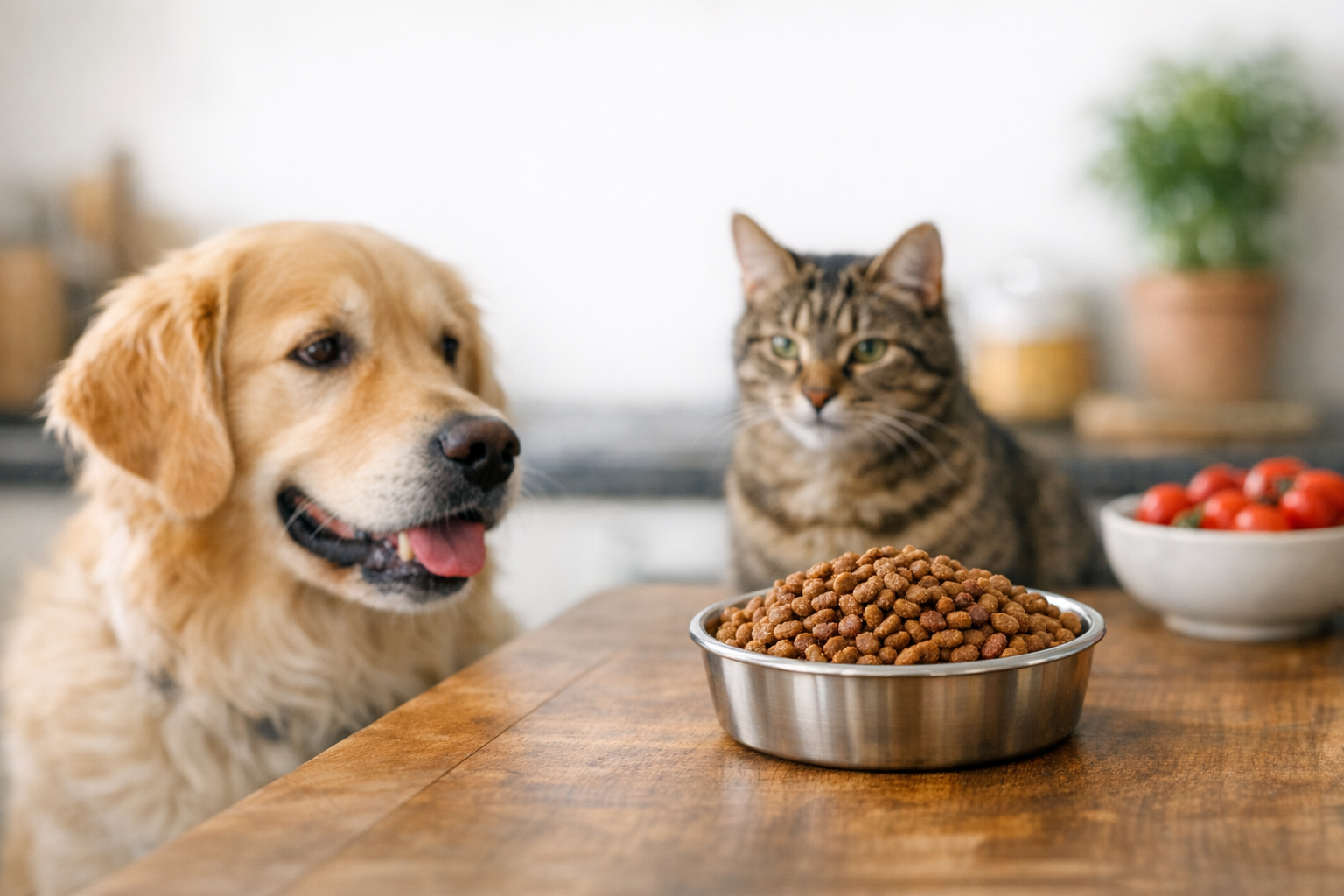
You are likely familiar with the sound of a dog frantically vacuuming up a bowl of cat kibble the moment you turn your back. It happens in many multi-pet households. You might even find yourself reaching for the cat bag when the dog bowl is empty and you forgot to stop at the store. While a stray piece of kibble is rarely a cause for alarm, you may wonder if it is okay to make this a habit. Can dogs eat dry cat food everyday?
At BaxterBoo, we have spent years helping pet parents navigate the unique needs of both dogs and cats. We know that convenience often wins out in a busy home. However, while cat food is not toxic to dogs, it is not a suitable daily meal. This article covers why the nutritional profiles differ and the health risks of daily consumption. We will also provide practical tips for managing a multi-pet kitchen.
Quick Answer: No, dogs should not eat dry cat food every day. While not toxic, cat food is too high in protein and fat for a dog. This can lead to obesity, pancreatitis, and long term nutritional imbalances.
The Nutritional Gap Between Cats and Dogs
To understand why cat food is not suitable for dogs, we must look at how these animals function. Cats and dogs have very different biological requirements. These differences begin at the cellular level and dictate what must go into their food.
Obligate Carnivores vs. Carnivorous Omnivores
Cats are obligate carnivores. This means their bodies require meat to survive. They cannot thrive on a plant-based diet. Their systems are designed to process high levels of animal protein and fat. They also have a very high demand for specific amino acids that are only found in animal tissue.
Dogs are considered carnivorous omnivores. They primarily eat meat but their bodies are highly adapted to processing plant matter. A dog can derive nutrition from grains, vegetables, and fruits. Their digestive tracts are longer than a cat's tract. This allows them more time to break down complex carbohydrates. If you want a broader breakdown of mixed feeding, our guide on should you feed your dog wet and dry food is a helpful next read.
The Role of Taurine and Vitamin A
Cats cannot manufacture their own taurine. This is an essential amino acid for heart and eye health. Therefore, cat food is heavily fortified with it. Dogs can usually synthesize their own taurine from other amino acids. While extra taurine generally does not hurt a dog, the sheer concentration in cat food is designed for a feline's unique inability to produce it.
Similarly, cats cannot convert beta-carotene into Vitamin A. They must eat pre-formed Vitamin A. This is usually found in high amounts in cat food. If a dog eats cat food every day, they may end up with an oversupply of certain vitamins. This can cause issues with liver function over time.
Why Dogs Find Cat Food Irresistible
If you have ever smelled a fresh bag of cat kibble, you know it has a very strong aroma. This is intentional. Cats are notoriously picky eaters. Manufacturers pack cat food with high levels of fats and animal digests to make it smell enticing.
Dogs navigate the world through their noses. To a dog, a bowl of cat food smells like a concentrated, high-energy treat. It is much richer than standard dog kibble. This high fat content makes it taste better. If your dog is a picky eater, they may prefer cat food because it is more palatable. This can create a difficult cycle where the dog refuses their own balanced food in favor of the cat’s "gourmet" option. For more on food texture and palatability, see Is Dry Cat Food Bad for Dogs?.
Key Takeaway: Dogs love cat food because it is denser in fat and protein than their own. This makes it smell and taste like a high-value treat rather than a meal.
The Health Risks of Daily Consumption
Feeding your dog cat food as a staple diet is risky. The short-term effects might just be a bit of gas. However, the long-term consequences can be severe.
Digestive Upset and Gastrointestinal Distress
The most common immediate reaction is an upset stomach. Because cat food is so rich, it can overwhelm a dog's digestive system. This often results in:
- Vomiting
- Diarrhea
- Excessive gas
- Abdominal bloating
If your dog has a sensitive stomach, even a small amount can cause hours of discomfort. If these symptoms persist for more than 24 hours, you should contact your veterinarian.
The Danger of Pancreatitis
Pancreatitis is a serious inflammation of the pancreas. It is often triggered by a sudden intake of high-fat food. Since cat food is significantly higher in fat than dog food, it is a primary culprit for this condition.
Certain breeds are more susceptible to pancreatitis. This includes Miniature Schnauzers, Cocker Spaniels, and Poodles. For these dogs, even one or two days of eating cat food could trigger a medical emergency. Symptoms include severe abdominal pain, a "praying" posture, and repeated vomiting.
Vet Tip: If your dog is prone to weight gain or belongs to a breed at risk for pancreatitis, keep cat food entirely out of reach. High-fat "human" foods or cat foods can cause a painful and expensive flare-up.
Obesity and Weight Gain
Cat food is calorie-dense. A dog eating the same volume of cat food as they do dog food will consume far more calories than they need. This leads to rapid weight gain. Obesity in dogs puts a massive strain on their joints and heart. It can also lead to the development of diabetes.
Kidney and Liver Strain
The high protein content in cat food is another concern. Healthy dogs can usually handle extra protein. However, dogs with underlying or early-stage kidney or liver disease cannot. Their organs must work much harder to process and filter the excess protein. If you have a senior dog, feeding them cat food every day could accelerate the decline of their organ function.
Managing Your Multi-Pet Household
The best way to prevent health issues is to keep the bowls separate. This is easier said than done when you have a determined dog. You need a strategy that works for your specific home layout.
Utilize Vertical Space
Cats are natural climbers. Dogs are generally grounded. Move the cat's feeding station to a high surface. A sturdy counter, a dedicated shelf, or the top of a cat tree works well. This allows the cat to eat in peace. It also removes the temptation for the dog.
Scheduled Feeding vs. Free Feeding
Free feeding is the practice of leaving a bowl of dry food out all day. This is the hardest method to manage in a multi-pet home. It gives the dog 24 hours of opportunity to sneak a snack.
Try switching to scheduled feeding. Put the food down for 20 minutes. If the cat does not finish, pick the bowl up. This ensures the cat is the only one eating the meal. It also helps you monitor exactly how much each pet is consuming. If you want to make that routine easier, our Autoship programme can help keep the right food in rotation.
Technology Solutions
Microchip-activated feeders are a great tool for modern pet owners. These bowls only open when they detect a specific pet's microchip or collar tag. If the dog approaches the bowl, the lid remains closed. This is a highly effective way to manage different diets without having to separate pets into different rooms.
Training the "Leave It" Command
Training is a long-term solution. Teach your dog a strong "Leave it" command. Practice this with treats first. Eventually, you can apply it to the cat's bowl. Consistency is vital. Every time the dog successfully ignores the cat food, reward them with a healthy dog treat.
Bottom line: Physical barriers and scheduled feeding are the most reliable ways to ensure your dog sticks to their own diet.
What to Do in an Emergency
Sometimes you run out of dog food. It happens to everyone. If the stores are closed and your dog is hungry, you might reach for the cat bag.
A single meal of cat food is unlikely to kill a healthy adult dog. However, it is not the best emergency option. If you have plain white rice and unseasoned chicken or turkey, that is a better choice. It is gentler on the stomach. If you need a safer snack option to keep on hand, our dog treats collection is a better place to start.
If you must use cat food, feed a smaller portion than usual. Dilute it with some warm water or a little plain rice. This reduces the fat concentration in a single sitting.
Transitioning Back to Dog Food
If your dog has been sneaking cat food for a while, they might turn their nose up at their own kibble. You will need to transition them back slowly.
Step 1: Stop all access to cat food immediately. Step 2: Offer their regular dog food at a set time. Step 3: If they refuse to eat, wait 15 minutes and take the bowl away. Step 4: Offer the food again at the next scheduled meal time.
Most healthy dogs will not starve themselves. Once they realize the high-fat cat food is no longer an option, they will return to their own food.
Professional Support for Nutritional Health
If your dog has already developed a taste for cat food and is showing signs of weight gain or digestive issues, it is time for a professional plan. At BaxterBoo, we partner with Pet's Choice to provide a full-service pharmacy.
Our pharmacy carries FDA-approved medications and prescription pet foods. If your veterinarian recommends a specific diet for weight management or kidney support, we can help. For dogs who need prescription support, our dog pharmacy offers targeted options for those health needs.
Key Takeaway: Prescription diets from our pharmacy can help reverse the damage caused by improper nutrition, including weight gain and digestive sensitivities.
Choosing the Right Dog Food
The best way to keep your dog out of the cat food is to provide a dog food they actually enjoy. We carry over 500 trusted brands. Look for high-quality proteins and balanced fiber. Brands like our selection of Orijen products, The Honest Kitchen, or Open Farm offer highly palatable options that rival the scent of cat food.
When you choose a food that meets your dog's specific life stage, they are less likely to scavenge. Puppies need growth formulas. Seniors need joint support. Active adults need higher energy.
Our MVP Rewards programme makes it easy to stick to a high-quality diet. You can earn up to 5% back on your purchases. This allows you to invest in premium dog food that keeps your pet satisfied and healthy. We also offer an Autoship programme. This ensures you never run out of dog food, which prevents those late-night emergency reaches for the cat kibble.
Signs Your Dog Needs a Vet Consult
If your dog has eaten cat food and shows the following signs, call your vet:
- Vomiting that lasts more than 24 hours
- Bloody or black, tarry stools
- Extreme lethargy or weakness
- Yellowing of the eyes or gums (jaundice)
- Refusal to drink water
These could be signs of pancreatitis or a severe allergic reaction. A veterinarian can provide the necessary fluids and medications to stabilize your pet.
Conclusion
Sharing a home with both dogs and cats is a joy, but it requires careful management. While dogs can technically eat cat food, doing so every day is a recipe for health problems. The high fat and protein levels that help a cat thrive can lead to obesity, organ strain, and painful pancreatitis in a dog.
Keep bowls separate, use vertical space, and consider a microchip feeder. Ensure your dog is on a high-quality, species-appropriate diet from the start. If you need help managing a health condition related to nutrition, our pharmacy is here to help with prescription diets and medications. To make the switch easier, start by browsing our dog food category.
Next Steps for Your Pet:
- Move the cat bowl to a high shelf today.
- Check your dog's weight and body condition score.
- Sign up for Autoship at BaxterBoo to ensure you never run out of dog food.
- Consult your vet if your dog has chronic digestive issues.
Bottom line: Cat food is for cats and dog food is for dogs; maintaining this boundary is the best way to ensure a long, healthy life for both.
FAQ
Is cat food toxic to dogs?
No, cat food is not toxic to dogs like chocolate or onions. However, it is nutritionally inappropriate for daily use. The main danger is not poisoning, but the long-term development of conditions like pancreatitis or obesity due to the high fat and protein content.
Can cat food cause pancreatitis in dogs?
Yes, cat food is a common trigger for pancreatitis. This is because cat food contains much higher levels of fat than most dogs can safely process in large quantities. This risk is even higher for certain breeds like Miniature Schnauzers or senior dogs with sensitive systems.
What should I do if I run out of dog food?
If you run out of dog food, a better emergency option than cat food is a bland meal of boiled chicken and white rice. If you must use cat food, feed a very small portion mixed with water or rice. Avoid making it a habit and replenish your dog food supply as soon as possible.
Can I use cat food as dog training treats?
Using a few pieces of dry cat kibble as high-value training treats is generally fine for healthy adult dogs. Because it is so smelly and tasty, it works well for focus. However, you must account for those extra calories in their daily total and avoid this if your dog has a sensitive stomach or a history of pancreatitis.






