
 Save 15% on your 1st Autoship learn more

 Email us
 Live Chat
 FAQs
FAQs





Introduction
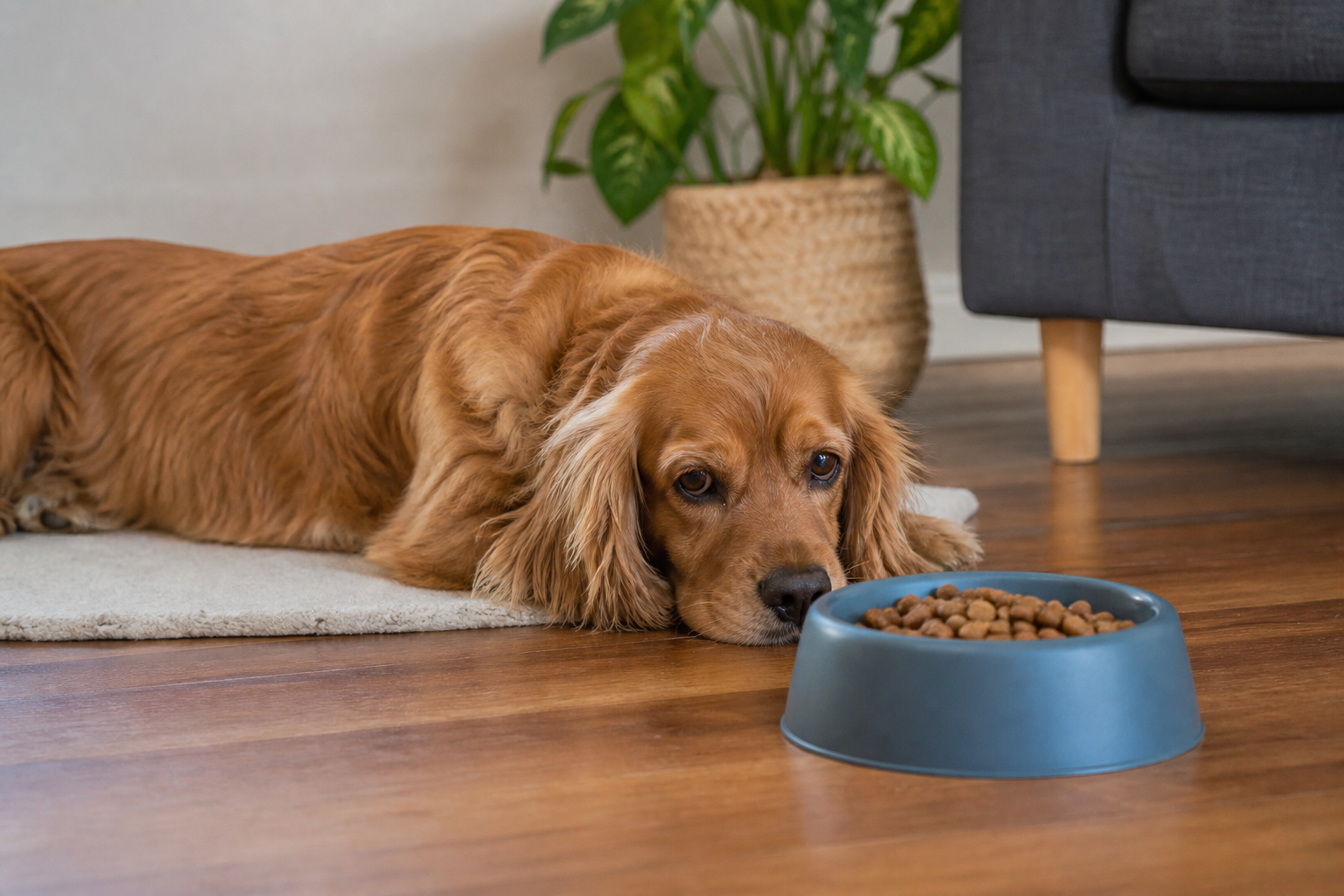
You come home to a messy surprise on the rug and a dog that seems sluggish or uncomfortable. When a dog experiences a sudden bout of loose stools, the first thing most owners look at is the food bowl. Dry kibble is a staple in most American households because it is convenient and shelf-stable, but it can sometimes be the primary cause of gastrointestinal upset. At BaxterBoo, we have spent years talking to pet parents about digestive health and selecting high-quality foods that support sensitive stomachs. This guide will help you understand why dry food might trigger diarrhea, how to identify specific ingredients that cause trouble, and the best ways to manage your dog's diet for better gut health. We want to help you figure out if your dog's kibble is the culprit or if a deeper health issue is at play.
Quick Answer: Yes, dry dog food can cause diarrhea if it contains low-quality fillers, has gone rancid, or is introduced too quickly without a proper transition. Identifying the specific trigger, such as a protein sensitivity or improper storage, is the first step toward restoring firm stools.
The Most Common Reasons Dry Food Triggers Diarrhea
While dry food is designed to be a complete and balanced meal, not every formula works for every dog. Several factors within the manufacturing and composition of kibble can irritate the digestive tract. Identifying these factors helps you narrow down whether you need a different brand or a different storage method.
Low-Quality Ingredients and Fillers
Many commercial dry foods use fillers like corn, wheat, and soy to keep production costs low. While many dogs can process these grains, others lack the enzymes to digest them efficiently. When these ingredients sit in the gut without being properly broken down, they can ferment and pull water into the colon. This process leads to the watery, unformed stools known as diarrhea.
Poor Protein Sources
The type of protein used in dry food matters just as much as the quantity. Some lower-tier foods use meat meal or animal by-products that are less digestible than whole meats. If a dog's system struggles to process these dense or low-quality proteins, the digestive tract may speed up to expel the waste quickly. This results in frequent, urgent bathroom trips.
High Fat Content and Oxidation
Dry food needs fats and oils to be tasty and provide energy. However, these fats are highly susceptible to air and heat. Once a bag of kibble is opened, the fats begin to oxidize. If the food is not stored correctly, it can go rancid. Consuming rancid fats is a very common cause of acute digestive distress in dogs, yet it is often overlooked by owners who assume the food is fine because it still looks the same.
Key Takeaway: The quality of the ingredients and the freshness of the fats are the two most common food-based reasons for a dog to develop loose stools.
The Impact of Sudden Dietary Changes
A dog's digestive system is a finely tuned machine. The gut contains a specific balance of bacteria and enzymes that are accustomed to breaking down the exact nutrient profile of their regular food. When you suddenly switch to a new bag of dry food, especially a different brand or protein source, you can overwhelm this system.
This sudden change causes a shock to the microbiome. The gut cannot adapt fast enough to the new fiber levels or protein structures, leading to rapid transit through the intestines. This is the most frequent cause of diarrhea in otherwise healthy dogs. To avoid this, we always recommend a slow transition over a week or more. For additional guidance, read our guide to switching from dry to wet dog food.
How to Transition Food Safely
If you need to move your dog to a new dry food, follow this schedule to keep their stomach stable:
- Step 1: Days 1 and 2. Mix 25 percent of the new food with 75 percent of the old food.
- Step 2: Days 3 and 4. Mix 50 percent of the new food with 50 percent of the old food.
- Step 3: Days 5 and 6. Mix 75 percent of the new food with 25 percent of the old food.
- Step 4: Day 7 and beyond. Feed 100 percent of the new food.
If your dog shows signs of loose stools at any point during this process, slow down. Stay at the current ratio for an extra few days until the stool firms up. Some sensitive dogs may even need a 14-day transition period rather than 7 days.
Vet Tip: If your dog has a history of severe reactions to new foods, consult your veterinarian about using a prescription transition diet. Our pharmacy carries specialized gastrointestinal foods from brands like Royal Canin and Farmina Vet Life that are formulated to be extra gentle during dietary shifts.
Food Sensitivities and Allergies in Dry Food
A food sensitivity is different from a true food allergy, but both can lead to diarrhea. A sensitivity is a digestive issue where the dog simply cannot process an ingredient well. An allergy is an immune system response. Common triggers in dry food include specific proteins like chicken or beef, or grains like wheat.
Identifying the Symptoms
If the dry food is the cause of a sensitivity or allergy, you will likely see more than just diarrhea. Look for these accompanying signs:
- Excessive gas or bloating after eating
- Chronic itching or red, inflamed skin
- Frequent ear infections
- Licking or chewing at the paws
- Vomiting shortly after meals
Using Limited Ingredient Diets
If you suspect a sensitivity, switching to a limited ingredient diet can help. These foods use a single protein source and a single carbohydrate source, making it much easier to identify what is bothering your dog. Brands like Acana, Orijen, and Stella and Chewy's offer high-protein, limited-ingredient options that remove common fillers and irritants.
Bottom line: Chronic diarrhea paired with skin irritation often points to a specific ingredient allergy that requires a change in protein or a grain-free formula.
How Storage Affects Your Dog's Digestion
The way you store your dry dog food can directly impact its safety. Many pet owners pour their kibble into large plastic bins, which seems like a great way to keep it fresh. However, if you do not wash the bin between every bag, old fats and oils can coat the sides and go rancid. When you pour fresh food on top of those old oils, the new food can spoil much faster.
Moisture is another major concern. If you store food in a garage or a damp pantry, the kibble can absorb moisture and grow microscopic mold. This mold produces mycotoxins that can cause severe diarrhea, vomiting, and even long-term health issues.
- Keep food in its original bag. The bags are designed to provide a barrier against oxygen and moisture.
- Place the entire bag inside a sealed container. This provides double protection.
- Store food in a cool, dry place. Avoid high-heat areas like the laundry room or near the oven.
- Check the "Best By" date. Never feed food that has expired, even if it looks okay.
Key Takeaway: Proper storage prevents the oxidation of fats and the growth of mold, both of which are hidden causes of digestive upset.
Portion Control and Overfeeding
Sometimes the problem isn't the quality of the dry food, but the quantity. Overfeeding is a very common cause of loose stools. When a dog consumes more food than their body can process, the excess nutrients draw water into the large intestine. This creates a type of diarrhea called osmotic diarrhea.
If your dog’s stools start out firm but become soft or liquid toward the end of the day, it is a classic sign of overfeeding. High-quality dry foods are more nutrient-dense than budget brands. If you switch to a premium food like NutriSource or PureVita, you often need to feed a smaller volume than you did with your previous brand.
Monitoring Meal Sizes
Always use a standard measuring cup rather than a random scoop or bowl. Check the feeding guidelines on the back of the bag, but remember these are just starting points. Every dog has a different metabolism. If your dog is consistently having soft stools but seems otherwise healthy, try reducing their daily intake by 10 percent for a few days to see if it makes a difference.
When Diarrhea is a Medical Issue
While food is a frequent culprit, diarrhea can also be a symptom of a serious underlying condition. It is important to know when to stop experimenting with different dry foods and head to the vet. Parasites, bacterial infections like Salmonella, and chronic conditions like Inflammatory Bowel Disease (IBD) all require professional diagnosis and treatment. Our dog healthcare category can help you find related care supplies.
Vet Tip: Always consult your veterinarian if your dog shows signs of dehydration, lethargy, or has blood in their stool. Diarrhea in puppies and senior dogs can become dangerous very quickly due to fluid loss. Your vet can provide a diagnosis and may prescribe a specific medication or diet to manage the condition.
The Role of Prescription Diets
In cases of chronic digestive issues, a standard over-the-counter dry food may not be enough. Your vet might recommend a prescription gastrointestinal diet. These foods are formulated with highly digestible proteins and specific fiber blends to soothe the gut lining. Through our partnership with Pet's Choice, the BaxterBoo pharmacy offers a wide selection of these FDA-approved prescription foods. Whether your dog needs a hydrolyzed protein diet for allergies or a low-fat formula for pancreatitis, we can help you get the right food delivered to your door. Explore our pet pharmacy when your veterinarian recommends a prescription option.
Practical Steps to Stop Diarrhea at Home
If your dog has a mild case of diarrhea but is still acting like themselves, you can take steps to settle their stomach. The goal is to give the digestive tract a rest so it can recover from whatever irritated it.
The Short Fast
For healthy adult dogs, a 12 to 24-hour fast can be helpful. This stops the cycle of irritation and allows the gut to calm down. Always ensure your dog has plenty of fresh, clean water during this time. Do not fast puppies or senior dogs without talking to your vet first, as they lack the reserves to go without food safely.
The Bland Diet
After the fasting period, introduce a bland diet rather than going straight back to dry kibble. A simple mix of boiled white meat chicken and plain white rice is the standard.
- Ratio: 1 part chicken to 2 parts rice.
- Preparation: Boil the chicken until cooked through and drain all fat. Do not add salt, butter, or seasonings.
- Frequency: Feed small meals several times a day rather than one large meal.
Once the stools are firm for at least 24 hours, you can slowly begin mixing their regular dry food back in over the course of three to five days.
Adding Probiotics and Fiber
Supplements can also support a dog's recovery. Probiotics introduce beneficial bacteria back into the gut, which helps crowd out harmful bacteria. We carry brands like Zesty Paws and Honest Paws that offer targeted probiotic support. Fiber, such as plain canned pumpkin (not pie filling), can also help absorb excess water in the colon and firm up stools.
Choosing the Right Dry Food for Sensitive Stomachs
If you find that your current dry food consistently causes issues, it may be time to look for a formula specifically designed for sensitive systems. When shopping for a new food, look for these features:
- Novel Proteins: Ingredients like venison, duck, or lamb that your dog hasn't eaten before.
- Grain-Free or Whole Grains: Depending on your dog's needs, a grain-free option or a gentle grain like oatmeal can be easier to digest.
- Prebiotics and Probiotics: Many high-quality dry foods now include these directly in the recipe.
- Moderate Fat Levels: Avoid very high-fat diets if your dog is prone to loose stools.
Brands like Farmina, The Honest Kitchen, and NutriSource have excellent reputations for creating digestible, high-quality kibble. We carefully curate the selection at BaxterBoo to ensure you have access to brands that prioritize pet health over filler-heavy recipes. Browse our dog food category to compare available formulas.
Protecting Your Dog's Long-Term Health
Maintaining a healthy gut is an ongoing process. Once you find a dry food that works for your dog, stay consistent. Avoid giving too many table scraps, as rich human foods are a major trigger for "garbage gut" and diarrhea. Keep an eye on your dog's stool every day; it is one of the best indicators of their overall health.
If your dog requires ongoing support for a sensitive stomach, consider our Autoship programme. This ensures you never run out of their specific food, preventing the need for a sudden, emergency food switch that could trigger a new bout of diarrhea. Plus, Autoship customers receive additional savings and a free MVP Gold membership.
Bottom line: Consistency in feeding, high-quality ingredients, and proper storage are the three pillars of preventing food-related diarrhea in dogs.
Summary Checklist for Managing Food-Related Diarrhea
If your dog is currently struggling with loose stools, use this checklist to narrow down the cause:
- Did you change their food recently? If yes, go back to the old food and transition more slowly.
- Is the food fresh? Check the expiration date and smell for any signs of rancidity.
- Are you overfeeding? Try reducing the portion size by 10 percent.
- Did they eat something they shouldn't have? Check for missing snacks or raided trash cans.
- Are they showing other symptoms? If they are lethargic or vomiting, call the vet immediately.
Managing your dog's nutrition is a key part of being a responsible pet parent. While it can be frustrating to deal with digestive issues, most cases of diarrhea caused by dry food are easily resolved with a few simple changes to their routine or diet. Our team at BaxterBoo is always here to help you find the right supplies, supplements, and foods to keep your dog happy and healthy.
FAQ
Can a new bag of the same dry food cause diarrhea?
Yes, it is possible if the bag was stored improperly at the store or if the manufacturer changed the recipe slightly. Sometimes, a "bad batch" can occur where the nutrient levels are slightly off. It can also happen if you transition to a new bag but the old oils in your storage bin have gone rancid and contaminated the fresh kibble.
How long does it take for a dog's stomach to adjust to new dry food?
Most dogs take about seven to ten days to fully adjust to a new dry food formula. During this time, their gut bacteria and digestive enzymes are adapting to the new ingredients. If your dog still has loose stools after two weeks of a gradual transition, that specific food may not be a good fit for their system.
Should I stop feeding my dog if they have diarrhea from their food?
For a healthy adult dog, withholding food for 12 to 24 hours is often recommended to let the digestive tract rest. This gives the inflammation time to go down. However, you should never withhold water. For puppies, seniors, or dogs with chronic health conditions, you should always consult your veterinarian before starting a fast.
Is grain-free dry food better for dogs with diarrhea?
Not necessarily, as it depends on the cause of the diarrhea. If your dog has a specific sensitivity to grains like wheat or corn, a grain-free diet can be very helpful. However, many dogs do well on high-quality grains like brown rice or oatmeal. If the diarrhea is caused by a protein allergy or low-quality fats, switching to grain-free won't solve the problem.






