Save 15% on your 1st Autoship learn more

 Email us
 Live Chat
 FAQs
FAQs





Introduction
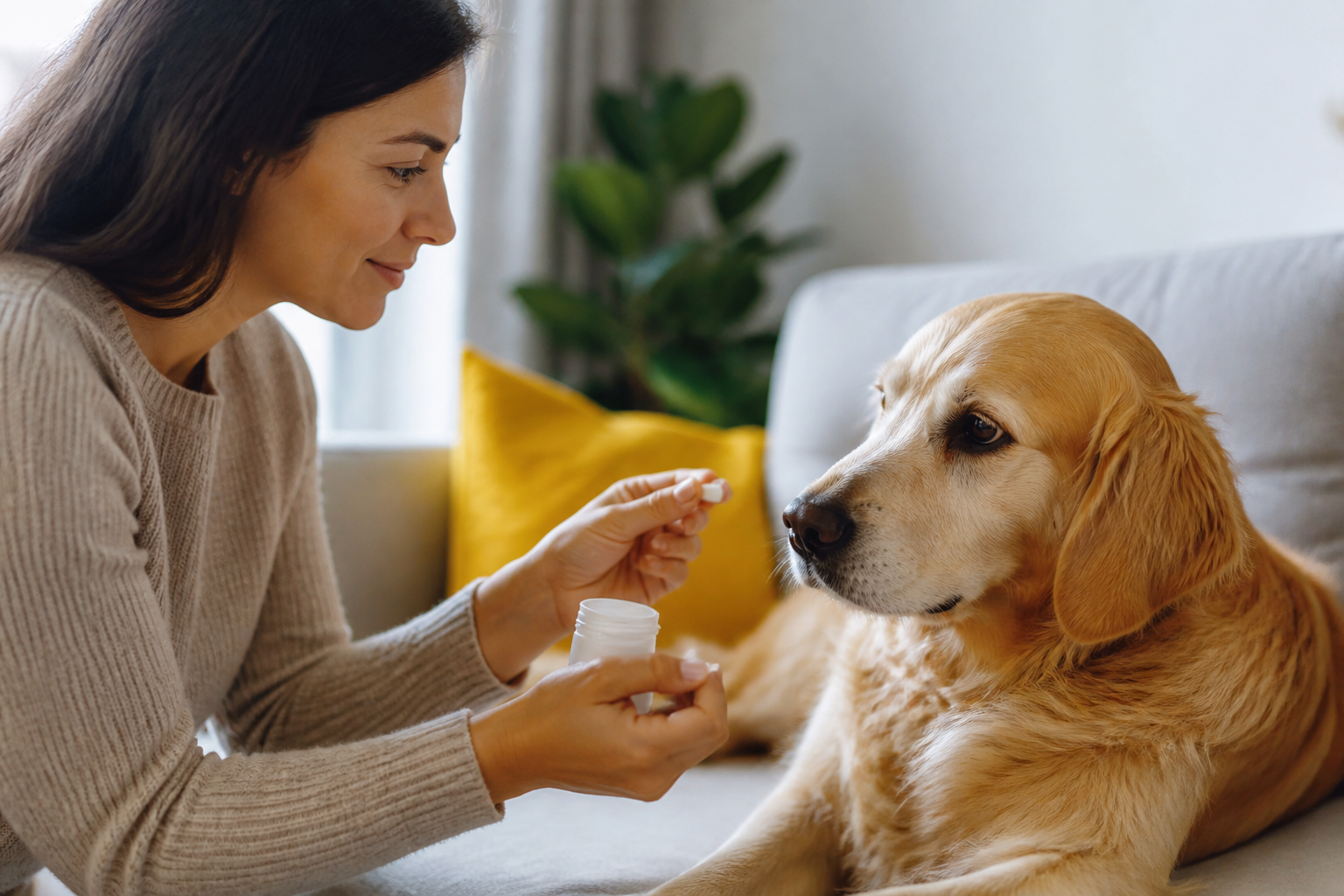
You just arrived home from the vet with a prescription bottle and a dog that is feeling under the weather. Whether it is an ear infection, a skin hot spot, or a urinary tract infection, antibiotics are often a necessary tool to help your dog heal. However, many pet parents worry about the side effects these strong medications can have on a dog's digestive system. You might notice your dog losing their appetite or dealing with loose stools shortly after starting their treatment. At BaxterBoo, we talk to owners every day who want to know if they can use supplements to help their dogs feel better during this process. The answer is yes. You can and should give your dog probiotics while they are on antibiotics. This post will explain how to do it safely, which strains to look for, and how to support your dog's gut health for a faster recovery.
Quick Answer: Yes, you can give your dog probiotics while they are taking antibiotics. It is actually recommended to help prevent diarrhea and nausea, though you must space the doses at least two hours apart to ensure the probiotics remain effective.
The Impact of Antibiotics on Your Dog's Gut
Antibiotics are designed to seek out and destroy harmful bacteria that cause infections. They are life saving medications that have changed veterinary medicine for the better. Common prescriptions like Amoxicillin, Cephalexin, and Doxycycline are vital for clearing up systemic issues that the body cannot fight alone.
The challenge is that antibiotics are not always selective. They act like a scorched earth policy in the digestive tract. While they kill the "bad" bacteria causing the illness, they also wipe out the "good" bacteria that live in your dog's gut. These beneficial microbes are responsible for more than just digestion. They help manage the immune system, produce vitamins, and keep the intestinal lining strong.
When these good bacteria are killed off, the gut falls into a state called dysbiosis. This is simply an imbalance of the microbiome. Without enough beneficial bacteria to keep things in check, harmful bacteria can overgrow. This often leads to the common side effects pet owners see during a course of meds:
- Watery or loose stools
- Excessive gas and bloating
- Vomiting or general nausea
- A noticeable loss of interest in food
The Importance of the Microbiome
The canine microbiome is a complex ecosystem of billions of microorganisms. Roughly 70 percent of a dog's immune system resides in the gut. This means that keeping the gut healthy is not just about avoiding a messy backyard cleanup. It is about making sure your dog's natural defenses stay strong while they fight off an infection.
When antibiotics disrupt this balance, it can take weeks or even months for the gut to return to its natural state. Providing a probiotic supplement during treatment acts as a support system. It helps fill the gaps left by the antibiotics and keeps the digestive environment stable. You can explore our dog digestive health category for supplements and other gut-support products.
Key Takeaway: Antibiotics kill both good and bad bacteria, which often leads to digestive upset. Providing probiotics during treatment helps maintain a healthy balance and supports the immune system.
How to Time Probiotic Doses Properly
The most common mistake pet owners make is giving the antibiotic and the probiotic at the exact same time. If you put both pills in a piece of cheese and feed them together, the antibiotic will likely kill the beneficial bacteria in the probiotic before they can do any good.
To get the most value out of your supplements, you need to follow the timing rule. Most veterinarians recommend waiting at least two hours between the antibiotic dose and the probiotic dose. This window gives the antibiotic time to pass through the stomach and begin absorbing into the bloodstream. By the time the probiotic arrives, the environment in the gut is a bit safer for the new "good" bacteria to settle in.
Creating a Schedule
If your dog takes antibiotics twice a day, your schedule might look like this:
- 8:00 AM: Morning antibiotic dose with a meal.
- 10:30 AM: Morning probiotic supplement.
- 8:00 PM: Evening antibiotic dose with a meal.
- 10:30 PM: Evening probiotic supplement.
This spacing ensures that the probiotic has a chance to survive and colonize the gut. If your dog is particularly sensitive to medication, you might even wait three or four hours. The goal is to avoid the peak concentration of the antibiotic in the digestive tract.
Vet Tip: Always consult your veterinarian before starting any new supplement while your dog is on medication. They can provide specific advice on timing based on the exact type of antibiotic your dog was prescribed.
The Best Probiotic Strains for Antibiotic Support
Not all probiotics are the same. Some are very fragile and easily destroyed by stomach acid or medication. When your dog is taking antibiotics, you want to look for specific strains that are hardy and proven to survive the "medication gauntlet."
Saccharomyces boulardii
This is one of the most important tools for a dog on antibiotics. Saccharomyces boulardii is actually a tropical yeast, not a bacterium. Because it is a yeast, it is naturally resistant to antibiotics. Antibiotics are designed to kill bacteria, so they have no effect on this specific probiotic.
This means you can give S. boulardii even closer to the antibiotic dose if needed, although spacing is still a good practice. It is highly effective at preventing antibiotic-associated diarrhea. It works by neutralizing toxins and preventing harmful pathogens from sticking to the intestinal wall.
Spore-Forming Probiotics (Soil-Based)
Another excellent option is soil-based organisms, often called SBOs. These include strains like Bacillus subtilis and Bacillus coagulans. These bacteria form a protective "spore" or hard shell around themselves. This shell allows them to survive the acidic environment of the stomach and the effects of most antibiotics. Once they reach the lower intestine, they "wake up" and begin supporting the gut.
Traditional Strains
Common strains like Lactobacillus acidophilus and Bifidobacterium animalis are great for everyday maintenance. However, they are more susceptible to being killed by antibiotics. If your supplement contains these, the two-hour spacing rule is absolutely critical. We carry many reputable brands at BaxterBoo, such as Zesty Paws and NutriSource, that offer multi-strain blends to cover all these bases. You can compare options in our dog probiotic selection.
Supporting Your Dog's Appetite and Digestion
It is very common for dogs to stop eating when they are taking antibiotics. The medication can make them feel slightly nauseous or leave a metallic taste in their mouth. However, it is vital that they keep eating so their body has the energy to heal.
Use High-Quality Food Toppers
If your dog is turning their nose up at their bowl, try adding a little extra incentive. A low-sodium bone broth or a small amount of canned food can make a big difference. We often suggest using products from The Honest Kitchen or Caru, as their stews and broths are human-grade and very palatable for sick pups. Our dog food category includes food, toppers, and other mealtime options.
Consider a Bland Diet
If the antibiotics are causing significant diarrhea, your vet might suggest a temporary bland diet. This usually consists of boiled chicken breast and white rice. The goal is to give the digestive system a break while still providing basic nutrients. Once the stools start to firm up, you can slowly transition back to their regular kibble.
Stay Hydrated
Diarrhea can lead to dehydration very quickly. Make sure your dog always has access to fresh, clean water. If they aren't drinking enough, you can add a tablespoon of tuna juice (canned in water, not oil) or a specialized pet rehydration fluid to their water bowl to encourage them.
For additional guidance, read about supporting dogs with diarrhea and digestive upset.
Bottom line: Maintaining a consistent appetite and hydration level is just as important as the medication itself for a full recovery.
Using the BaxterBoo Pharmacy for Prescription Needs
When your vet prescribes an antibiotic, you have choices on where to fill it. Through our pet pharmacy, you can access prescription medications for your dog, including options your veterinarian may recommend for infections.
Managing a sick pet is stressful enough without making multiple trips to different stores. Our pharmacy allows you to get your dog's maintenance meds, prescription food, and recovery supplements all in one place. If your vet recommends a specific prescription-only diet like Royal Canin Veterinary Diet or Farmina Vet Life to help with gut recovery, we can help facilitate that through our pharmacy portal. This ensures you are getting genuine, safe products directly to your door.
The Benefit of Prescription Diets
Sometimes a standard probiotic is not enough. For dogs with chronic issues or severe reactions to medication, a prescription gastrointestinal food may be necessary. These diets are formulated with highly digestible proteins and specific fiber blends to settle an upset stomach. Our team is here to help you navigate these options once you have a script from your vet.
For more information about veterinary diets, see our guide to veterinary diet food.
The Role of Prebiotics in Gut Recovery
If probiotics are the "seeds" you plant in the gut, prebiotics are the "fertilizer" that helps them grow. Prebiotics are types of fiber that dogs cannot digest, but the good bacteria in their gut love to eat. Without prebiotics, the probiotics you give your dog might not be able to thrive or colonize effectively.
Common prebiotics to look for on a label include:
- Inulin (often from chicory root)
- Fructooligosaccharides (FOS)
- Mannan-oligosaccharides (MOS)
- Acacia fiber
Many modern supplements, like those from Honest Paws or Stella and Chewy's, are "synbiotics." This means they contain both probiotics and prebiotics in one serving. Using a synbiotic can simplify your routine and ensure the good bacteria have a food source the moment they arrive in the digestive tract. Products such as Fera Pet Organics Probiotics with Prebiotics combine both types of support.
Natural Sources of Prebiotics
You can also find prebiotics in some common whole foods. Small amounts of steamed pumpkin (not pie filling), sliced bananas, or even dandelion greens can provide natural fiber support. Just be careful not to introduce too much fiber too quickly, as this can actually cause more gas and bloating in a dog that is already feeling sensitive.
Why You Must Finish the Full Antibiotic Course
One of the biggest mistakes pet owners make is stopping the antibiotics early. It is tempting to quit when you see your dog feeling better, especially if the meds are causing a bit of diarrhea. However, stopping early is dangerous for two main reasons.
First, the infection might not be fully cleared. The bacteria that are still alive are the strongest ones. If you stop the meds, these "super" bacteria can multiply, leading to a relapse that is much harder to treat. Second, this contributes to antibiotic resistance. This is a global health concern where bacteria evolve to survive the drugs we use to kill them.
If your dog is having a severe reaction to the medication, do not just stop giving it. Call your vet and explain the symptoms. They may be able to switch you to a different class of antibiotic that is gentler on your dog's specific system. They might also suggest increasing the probiotic dose or adding a prescription anti-nausea medication.
Key Takeaway: Never stop an antibiotic course early without veterinary approval, as this can lead to antibiotic resistance and a return of the infection.
Steps for a Smooth Recovery
When your dog is starting a course of antibiotics, follow these steps to keep their gut in the best possible shape:
Step 1: Check the strain / Look for a probiotic that contains S. boulardii or spore-forming strains like Bacillus subtilis.
Step 2: Set a timer / Ensure there is at least a two-hour gap between the antibiotic and the probiotic.
Step 3: Monitor the bowl / Keep track of your dog's appetite and stool consistency daily.
Step 4: Boost the fiber / Add a prebiotic or a small spoonful of plain pumpkin to help the good bacteria flourish.
Step 5: Finish the bottle / Complete every single dose of the antibiotic as prescribed by your vet.
Signs Your Dog Needs a Vet Visit
While mild diarrhea and a slight decrease in appetite are common with antibiotics, some symptoms are more serious. You should contact your veterinarian if you notice any of the following:
- Bloody stools: This can indicate severe inflammation or a more serious secondary infection.
- Persistent vomiting: If your dog cannot keep their medication or water down, they need immediate medical attention.
- Extreme lethargy: If your dog seems completely unresponsive or unwilling to move, this is a red flag.
- Skin rashes or hives: This could be an allergic reaction to the specific antibiotic.
- Swelling of the face or paws: This is a sign of a potential emergency allergic reaction.
Most dogs handle antibiotics just fine with a little extra support. However, your vet is your best resource for determining if a reaction is within the "normal" range or if the treatment plan needs to be adjusted.
Conclusion
Managing a dog on antibiotics requires a bit of extra effort, but the payoff is a much happier, more comfortable pet. By providing a high-quality probiotic and spacing the doses correctly, you can protect your dog's microbiome from the "scorched earth" effect of these medications. Remember to focus on hardy strains like S. boulardii and support their recovery with prebiotics and hydration.
Our team at BaxterBoo is committed to helping you find the right tools for your dog's wellness journey. From our expertly curated selection of supplements to our pharmacy partnership for prescription needs, we are here to support you every step of the way. If your dog is a frequent traveler to the vet for recurring issues, consider signing up for our Autoship programme. This ensures you never run out of the probiotics and high-quality food your dog needs to stay healthy.
Bottom line: Timing and strain choice are the most important factors when giving your dog probiotics while they are on antibiotics.
FAQ
Is it better to give probiotics during or after antibiotics?
You should do both. Giving probiotics during the treatment helps prevent immediate side effects like diarrhea, while continuing them for several weeks after the course is finished helps fully restore the natural balance of the gut microbiome.
Can I give my dog yogurt instead of a probiotic supplement?
While plain, unsweetened yogurt contains some live cultures, the concentration is usually too low to counteract the effects of a strong antibiotic. Additionally, many dogs are sensitive to the lactose in dairy, which can actually make diarrhea worse during a course of medication.
How long does it take for a dog's gut to recover from antibiotics?
It varies depending on the dog and the strength of the medication, but it often takes between three and four weeks for the gut flora to begin stabilizing. In some cases, it can take several months of consistent probiotic support to reach pre-antibiotic levels of bacterial diversity.
Does the type of antibiotic change how I should give the probiotic?
The two-hour spacing rule applies to almost all oral antibiotics. However, if your dog is receiving an antibiotic injection at the vet's office, you can usually start probiotics immediately without worrying about the two-hour window, as the medication is already in the bloodstream.