
 Save 15% on your 1st Autoship learn more

 Email us
 Live Chat
 FAQs
FAQs





Introduction
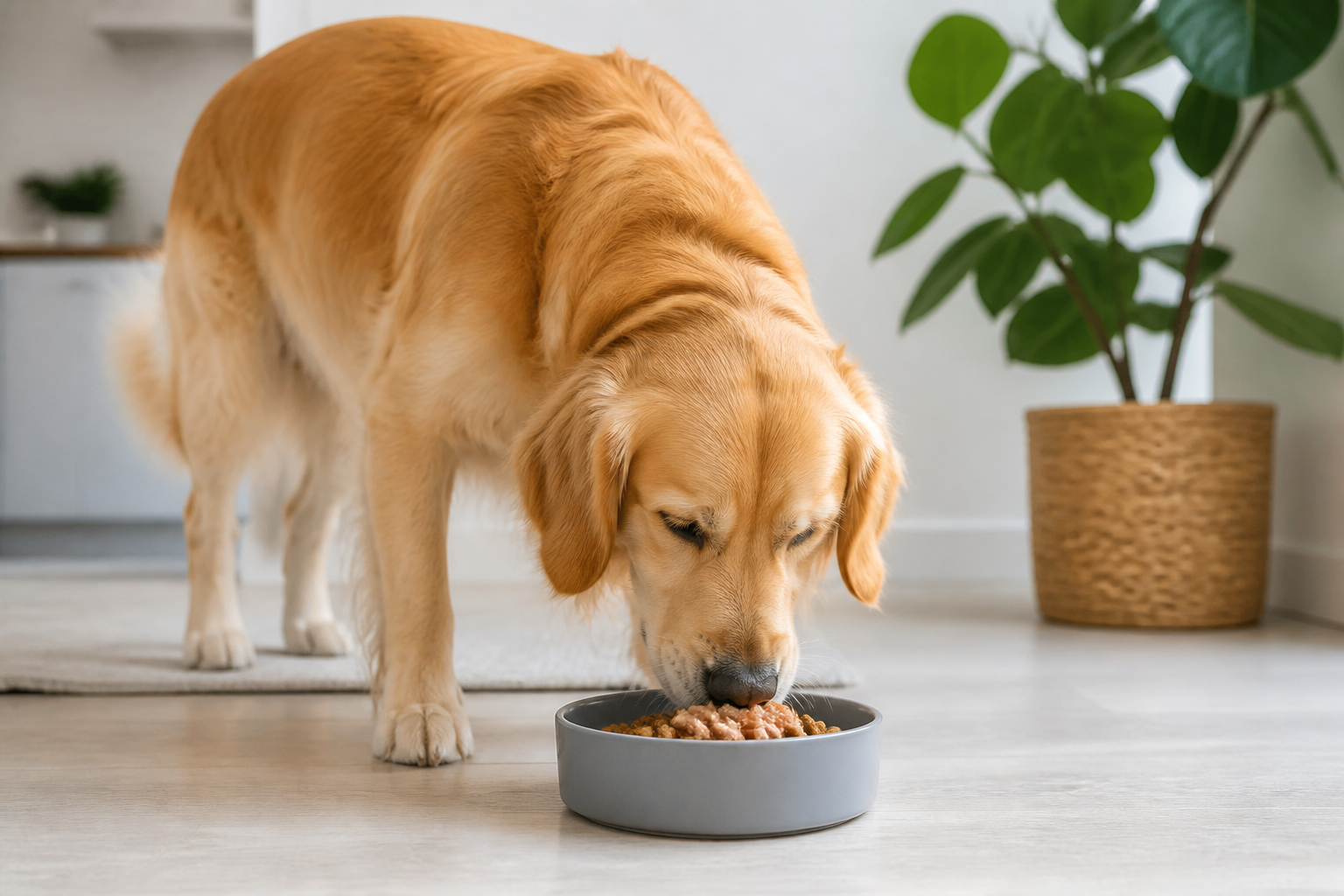
You are standing in the pet food aisle or looking at your screen, wondering if your dog is bored with the same crunchy kibble every night. Maybe your pup has started sniffing the bowl and walking away, or you have noticed they are not drinking as much water as they used to. This leads many pet owners to the same question: can I mix dry dog food with wet? The short answer is yes. Mixing these two textures is a great way to improve your dog's mealtime experience while providing specific health benefits. At BaxterBoo, we see many owners find success by combining the crunch of kibble with the rich aromas of canned food, and you can start comparing options in our dog food category. This post will cover the benefits of mixed feeding, how to calculate the right portions, and how to safely transition your dog to a new routine. We want to help you make mealtime the highlight of your dog's day.
Quick Answer: You can absolutely mix dry and wet dog food as long as both are high-quality and "complete and balanced." This combination provides better hydration and flavor while maintaining the dental benefits and cost-effectiveness of dry kibble.
The Benefits of Mixing Wet and Dry Dog Food
Combining wet and dry food is more than just a culinary upgrade for your dog. It offers a balance between convenience, cost, and nutrition. While dry food is easy to store and serves as the foundation for many diets, wet food brings essential moisture and palatability to the table.
Improved Hydration
Many dogs do not drink enough standing water from their bowls. This is especially true for senior dogs or those with certain health concerns. Wet food typically contains 75 to 80 percent water, whereas dry kibble usually stays below 12 percent. By mixing in a portion of wet food, you are effectively "sneaking" extra moisture into your dog's diet. This supports kidney function and urinary tract health.
Appeal for Picky Eaters
Dogs experience the world through their noses. The cooking process for canned food preserves more of the natural meaty aromas that entice a dog to eat. If you have a dog that has lost interest in plain kibble, adding a spoonful of wet food or a savory topper can jumpstart their appetite. The variety in texture, such as chunks in gravy or a smooth pate, makes the bowl much more interesting.
Weight Management Support
Because wet food has a high water content, it is often less calorie-dense by volume than dry kibble. This means a dog can eat a larger portion of food without consuming more calories. The extra volume helps them feel full and satisfied. This is a helpful strategy for dogs that are always begging for more food but need to maintain a healthy weight.
Better for Dental Health and Small Jaws
Dry kibble provides a mechanical scraping action that can help reduce plaque buildup on the teeth. However, for a senior dog with missing teeth or a small breed with a tiny jaw, hard kibble can be difficult to chew. Mixing wet food with dry helps soften the pieces, making them easier to manage while still providing some of the dental benefits of the crunch.
Key Takeaway: Mixing wet and dry food provides a "best of both worlds" approach by combining the hydration and taste of canned food with the dental benefits and lower cost of kibble.
Understanding the Different Types of Food
Before you start mixing, it is important to understand what is in each bowl. Not all dog foods are created equal, and their roles in a mixed diet can vary.
| Feature | Dry Dog Food (Kibble) | Wet Dog Food (Canned) |
|---|---|---|
| Moisture Content | Low (approx. 10%) | High (approx. 75-80%) |
| Caloric Density | High (more calories per cup) | Low (fewer calories per cup) |
| Shelf Life | Long (even after opening) | Short (24 hours refrigerated) |
| Dental Benefit | Helps scrape plaque | Minimal |
| Palatability | Moderate | Very High |
Complete and Balanced vs. Toppers
When you look at a bag or can of food, check the label for an AAFCO statement. It should say the food is "complete and balanced" for a specific life stage. This means the food contains every nutrient your dog needs in the correct proportions. If you want to read more about mixing formats, this guide to wet and dry dog food is a helpful related read.
Some products are labeled as "toppers," "mix-ins," or "supplemental feeding only." These are designed to add flavor but do not have all the vitamins and minerals a dog needs to survive. If you are mixing a complete dry food with a complete wet food, you do not have to worry about nutrient deficiencies. However, if you use a topper, it should make up no more than 10 percent of the total daily calories. For those kinds of add-ons, our dog food topper collection is a useful place to browse.
Life Stage Consistency
It is usually best to mix foods designed for the same life stage. If you have a puppy, both the wet and dry components should be puppy formulas. Puppies need higher levels of protein, fat, and specific minerals like calcium for bone growth. Mixing an adult wet food into a puppy kibble might dilute those essential nutrients. The same applies to senior dogs who may need lower protein or added joint support.
How to Calculate the Right Proportions
The most common mistake pet owners make when mixing food is overfeeding. It is not as simple as adding a scoop of wet food on top of a full serving of dry food. This can quickly lead to weight gain.
Doing the Calorie Math
To mix food correctly, you need to look at the calories, not just the volume. Every bag and can will list "kcal/kg" or "kcal/cup" and "kcal/can." You need to decide how much of each you want to feed. A common starting point is a 75/25 split. This means your dog gets 75 percent of their daily calories from dry food and 25 percent from wet food.
For example, if your dog needs 800 calories a day:
- 75 percent (600 calories) should come from dry food.
- 25 percent (200 calories) should come from wet food.
You then look at your specific products to see how many cups or cans equal those calorie counts. This prevents the "eyeballing" errors that lead to obesity.
The Measuring Tool Rule
Always use a standard measuring cup or a kitchen scale. A "scoop" or an old coffee mug is not a precise measurement. Small errors every day can add up to significant weight gain over a month. If you are unsure about how many calories your dog needs, your veterinarian can provide a target based on your dog's age, activity level, and body condition score.
Vet Tip: If your dog is currently at an ideal weight, calculate their daily calorie intake from their current dry food. When you introduce wet food, subtract the calories of the wet portion from the dry portion to keep the total count the same.
Step-by-Step: Transitioning to a Mixed Diet
Whenever you change your dog's diet, you must go slowly. A sudden change in protein sources or fat levels can cause upset stomachs, gas, or diarrhea. If you are adjusting a senior dog's bowl, this senior feeding guide offers a useful comparison.
- Step 1: Start with a small amount. / For the first two or three days, replace only about 10 percent of the dry food with a tiny amount of wet food.
- Step 2: Observe your dog. / Watch for signs of digestive upset or changes in stool consistency. If everything looks normal, proceed to the next step.
- Step 3: Increase the ratio. / Over the next five to seven days, gradually increase the amount of wet food while decreasing the dry food until you reach your desired 75/25 or 50/50 balance.
- Step 4: Maintain a schedule. / Try to feed the mixed meals at the same time every day. This helps regulate your dog's digestive system and makes it easier to monitor their appetite.
Special Considerations for Specific Needs
Different dogs have different requirements when it comes to their diet. Mixing food can be tailored to help with specific life stages or health challenges.
Senior Dogs and Mobility
Older dogs often experience a decrease in appetite or have difficulty chewing hard kibble. Mixing wet food into their meals can make eating more comfortable. At our store, we carry many brands like Cosequin and Senilife that offer supplements for seniors. You can easily hide powdered or liquid supplements in the wet portion of a mixed meal, and Open Farm Senior Recipe Dry Dog Food - Turkey & Chicken is one option to compare for this life stage.
Puppies and Growth
Puppies have high energy needs but small stomachs. They might get full before they finish a bowl of plain dry kibble. Adding a little wet puppy food can encourage them to finish their meal, ensuring they get the calories and nutrients required for rapid growth. Brands like NutriSource and Stella and Chewy's offer excellent puppy-specific options in both formats.
Prescription and Therapeutic Diets
If your dog is on a prescription diet for a health condition like kidney disease, skin allergies, or urinary crystals, you must be very careful. Mixing a standard grocery store wet food with a prescription dry food can ruin the effectiveness of the treatment. Prescription diets are formulated with very specific levels of minerals and proteins.
Our pharmacy for dogs provides prescription pet foods and medications through our partnership with Pet's Choice. If your vet has prescribed a specific brand like Royal Canin or Farmina Vet Life, you should only mix the dry version with the wet version of that same prescription line. This ensures the therapeutic benefits remain intact.
Note: Never switch a dog on a therapeutic diet to a mixed plan without consulting your veterinarian first. They can help you find the matching wet formula that complements the prescription dry food.
Hygiene and Storage Tips
One of the challenges of mixing wet food is that it is much more perishable than dry kibble. You must change your handling habits to keep your dog's food safe.
The 30-Minute Rule
Dry kibble can sit in a bowl all day without much issue. Wet food cannot. Once you mix wet food into the bowl, it is prone to bacterial growth. If your dog does not finish the meal within 30 minutes, you should discard the leftovers. Do not leave mixed food sitting out at room temperature for hours.
Storing Opened Cans
An opened can of dog food should be covered with a tight-fitting silicone lid or plastic wrap and stored in the refrigerator. It typically stays fresh for about 24 to 48 hours. If your dog only eats a small amount of wet food each day, consider buying smaller cans or pouches to ensure the food does not spoil before you can use it all.
Warming the Food
If your dog is particularly finicky, you can warm the wet portion for a few seconds in a microwave-safe dish before mixing it with the kibble. This releases even more of the aroma. Just be sure to stir it well and check for "hot spots" that could burn your dog's mouth.
Clean the Bowl Daily
When you feed dry food, it is easy to forget to wash the bowl every day. With mixed food, this is a requirement. The residue from wet food can quickly grow mold and bacteria. Use hot, soapy water after every mixed meal to keep the feeding area sanitary.
Common Myths About Mixing Food
There are several misconceptions about mixing wet and dry food that often confuse pet owners.
Myth: Mixing food causes dental decay. While wet food does not provide the scraping action of kibble, it does not actively cause decay any more than dry food does. The key to dental health is regular brushing and professional cleanings. If you are worried about teeth, you can still feed a high-percentage dry diet and just use wet food as a small enhancer.
Myth: You shouldn't mix different brands. As long as both brands are high-quality and meet AAFCO standards, it is generally safe to mix them. However, for dogs with sensitive stomachs, sticking to the same brand for both wet and dry food can be easier on the digestive system because the ingredient profiles are often similar.
Myth: Dry food is "better" for a dog's health. Neither format is inherently better than the other. Dry food is convenient and calorie-dense, while wet food provides hydration and palatability. The "best" diet is the one that meets your dog's specific nutritional needs and that they enjoy eating.
Bottom line: Safety and hygiene are paramount when mixing food; always discard uneaten portions quickly and store opened wet food in the refrigerator.
Making the Selection: Which Brands to Choose?
When choosing what to mix, quality is the most important factor. Look for recipes where the first ingredient is a named protein like chicken, beef, or lamb. Avoid foods with "meat by-products" or generic "animal fat" listed high on the label.
We carry over 500 trusted brands at BaxterBoo, and many of them offer both wet and dry options that are designed to work together. Brands like Open Farm, Zesty Paws, and Orijen provide high-protein options that many dogs find irresistible. If your dog has allergies, you might look into limited-ingredient diets from brands like Acana or The Honest Kitchen.
Use the Autoship Program
Once you find a combination that works for your dog, you can save time and money by using our Autoship programme. This allows you to set a recurring delivery for both your heavy bags of kibble and your cases of canned food. You may also want to explore the MVP Rewards programme for added savings on future orders.
Conclusion
Mixing dry dog food with wet is a simple way to improve your dog's quality of life. It provides essential hydration, helps picky eaters enjoy their meals, and can even help with weight management. Just remember to calculate the calories carefully to avoid overfeeding and transition to the new mix slowly over a week. Always keep hygiene in mind by discarding leftovers and cleaning bowls daily. If your dog has a chronic health condition, remember that our pharmacy for dogs carries prescription diets through Pet's Choice that are specifically designed for mixed feeding.
- Ensure both foods are labeled "Complete and Balanced" by AAFCO.
- Calculate portions based on calories, not just volume.
- Transition slowly over 7 days to avoid stomach upset.
- Store opened wet food in the fridge and discard bowl leftovers after 30 minutes.
Key Takeaway: Mixed feeding is a practical way to balance cost and nutrition while keeping your dog excited for every meal. Check out our dog food category to find the perfect pairing for your pup's bowl.
FAQ
Is it okay to mix different brands of wet and dry dog food?
Yes, it is generally safe to mix different brands as long as both are high-quality and meet AAFCO standards for being complete and balanced. However, if your dog has a sensitive stomach, you might find more success sticking to one brand to keep the ingredients consistent. If you are using a prescription diet, you should always stay within the same brand and product line to avoid interfering with the therapeutic benefits.
Will mixing wet food into dry food cause my dog to gain weight?
It can if you do not adjust the total amount of food. Because wet food is usually less calorie-dense than dry food, you cannot simply add it on top of a full serving of kibble. You must subtract some dry food to make room for the calories in the wet food. Always measure both portions carefully and monitor your dog's body condition to ensure they stay at a healthy weight.
Can I mix water with dry food instead of wet food?
Yes, adding warm water or a pet-safe bone broth to dry kibble is a great way to add moisture and aroma without adding many calories. This creates a "gravy" that can entice picky eaters and soften the kibble for dogs with dental issues. While it does not offer the same variety of texture as canned food, it is a budget-friendly way to improve hydration.
How long can mixed wet and dry food sit out in the bowl?
Once wet food is mixed with dry kibble, it should not sit out for more than 30 to 60 minutes. The moisture in the wet food creates a breeding ground for bacteria, especially in warm environments. If your dog is a "grazer" who likes to eat small amounts throughout the day, mixed feeding may not be the best option unless you can offer several small meals and pick up the bowl immediately after.






