
 Save 15% on your 1st Autoship learn more

 Email us
 Live Chat
 FAQs
FAQs





Introduction
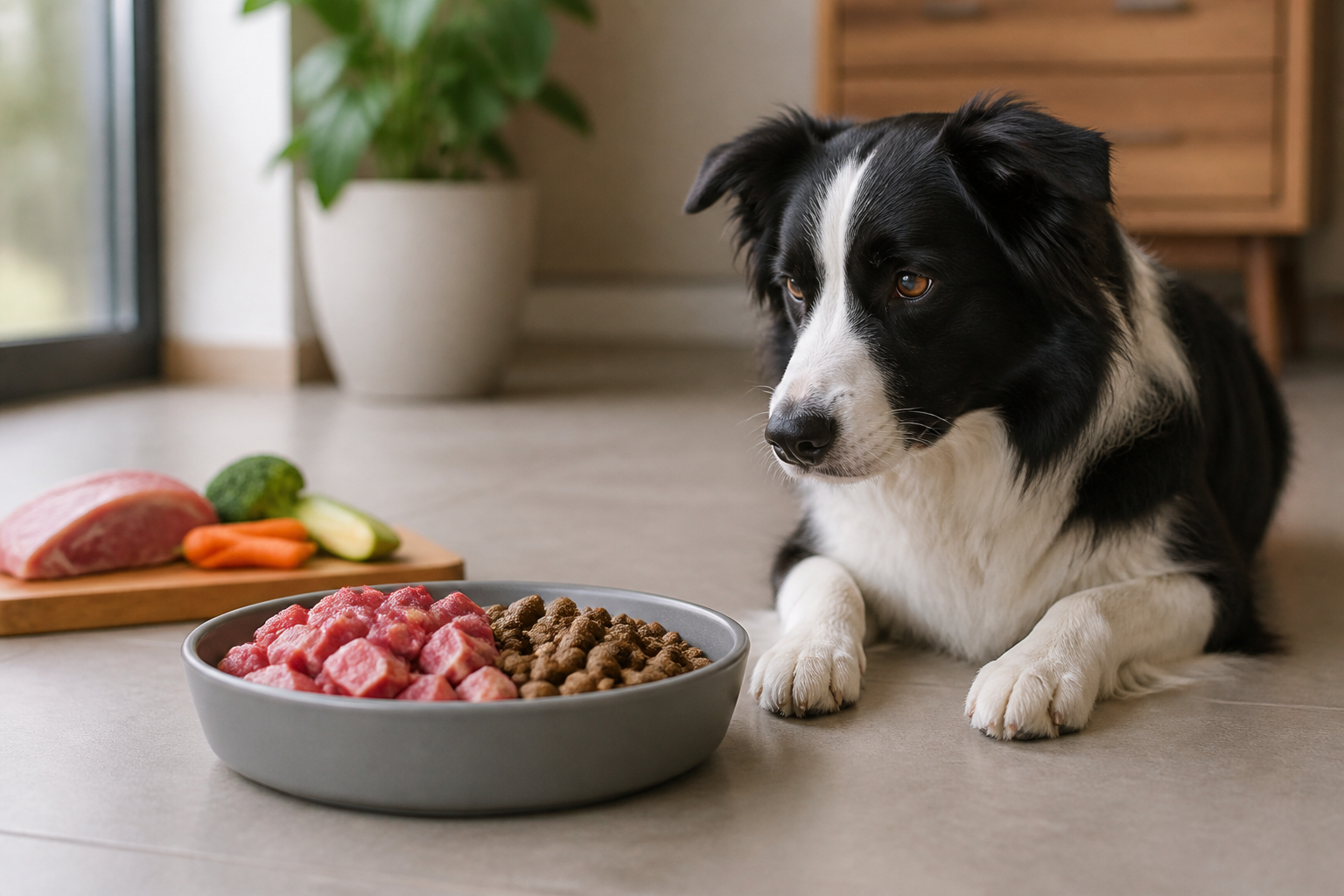
You might be standing in your kitchen with a bag of premium kibble in one hand and a container of fresh, raw beef in the other, wondering if combining them is a stroke of nutritional genius or a recipe for a sensitive stomach. Many of us want to give our dogs the high-protein benefits of a raw diet but find that a 100 percent raw lifestyle does not always fit the budget or the daily schedule. At BaxterBoo, we hear this question frequently from pet parents who visit our Illinois warehouse or chat with us online. The good news is that you do not have to choose between convenience and fresh nutrition. Mixing these two feeding styles is a practical way to boost your dog's health while keeping things manageable. This post covers how to safely blend raw and dry food, the science behind canine digestion, and how to transition your pet without the digestive drama.
The Myth of Digestive Discord
There is a long-standing debate in the pet food world about whether dogs can handle kibble and raw meat in the same meal. Some advocates argue that because dry food is heavy in starches and raw food is high in protein, the stomach cannot process them together. The theory suggests that kibble takes longer to digest, causing the raw meat to "sit" in the gut and potentially lead to bacterial overgrowth. However, modern veterinary science and millions of years of evolution suggest otherwise.
Dogs are opportunistic scavengers and hunters by nature. Their digestive systems are built to handle a variety of textures and nutrient densities. When a wild canine eats, they do not consume only one type of protein or a single texture. Their "metabolic machinery" is designed to secrete various enzymes simultaneously. While it is true that carbohydrates and proteins require different enzymes, the canine pancreas is perfectly capable of releasing what is needed for both at the same time.
Quick Answer: Yes, you can absolutely mix raw and dry dog food. Most healthy dogs can digest both in the same meal without issue, provided you introduce the change slowly and maintain proper hygiene. This hybrid approach is a popular way to improve nutrition without the high cost of a fully raw diet.
The concern about stomach pH is also a common talking point. Some believe that the starch in kibble makes the stomach less acidic, which could theoretically make it harder to kill bacteria found in raw meat. While diet does influence pH, a healthy dog's stomach is naturally very acidic. If you are worried about your dog's specific digestive health, particularly if they have a history of GI issues, it is always wise to chat with your vet.
Why Pet Parents Choose a Mixed Diet
The hybrid diet is often the "sweet spot" for many households. It offers a bridge between the ease of commercial dry food and the nutrient density of fresh, whole ingredients. Here are the primary reasons we see our community moving toward this model.
Nutritional Enhancement
Even the highest quality kibble undergoes a process called extrusion, which uses high heat to create those uniform crunchy pieces. This heat can sometimes reduce the bioavailability of certain vitamins and enzymes. By adding a portion of raw food, you are introducing "living" nutrients, active enzymes, and minimally processed proteins back into the bowl. This can lead to a shinier coat, better skin health, and more consistent energy levels.
Better Hydration
Kibble is notoriously dry, often containing only about 10 percent moisture. Dogs on a strictly dry diet often have to drink massive amounts of water to compensate. Raw food is naturally high in moisture, usually around 70 to 80 percent. When you mix the two, you are naturally increasing your dog's hydration, which supports kidney function and overall urinary tract health.
Budget and Convenience
Feeding a large breed dog, like a Great Dane or a Labrador, a 100 percent raw diet can be quite expensive. Mixing in a high-quality dry food like NutriSource or Acana allows you to stretch your budget while still providing the perks of fresh meat. It is also much easier for pet sitters or for those days when you forgot to thaw the frozen raw patties.
The Golden Rule of Proportions
When you start mixing raw and dry food, the most important thing to remember is the 20 percent rule. If you are adding "unbalanced" raw meat, such as plain ground beef or chicken breast from the grocery store, it should not make up more than 20 percent of your dog's total daily calories.
Commercial dog foods are formulated to be "complete and balanced," meaning they have the exact ratio of vitamins, minerals, and calcium your dog needs. If you add too much plain meat without the proper bone and organ ratios, you risk diluting those essential nutrients. This is especially critical for growing puppies or senior dogs who need precise mineral balances for bone health.
If you want to feed more than 20 percent raw, you should look for "complete" raw diets. Brands like Stella & Chewy's or Vital Essentials offer raw patties and morsels that are already balanced with the necessary organs and minerals. When you use these, you can mix them with kibble at any ratio, such as 50/50 or 75/25, because both parts of the meal are nutritionally complete on their own.
Key Takeaway: Keep "toppers" or plain grocery store meat to less than 20 percent of the total meal. If you want to feed a higher percentage of raw, ensure the raw portion is labeled as "complete and balanced" rather than "for supplemental feeding only."
Safe Handling and Preparation
Mixing raw meat into a dry food routine requires a higher level of hygiene than feeding kibble alone. Raw meat can carry bacteria like Salmonella or E. coli. While a healthy dog's acidic stomach and short digestive tract are designed to handle these, the humans in the house are not.
- Dedicated Equipment: Use stainless steel or ceramic bowls. Plastic bowls can develop tiny scratches where bacteria hide.
- The Two-Hour Rule: If your dog does not finish their mixed meal within two hours, pick it up and throw it away. Do not leave raw meat sitting out at room temperature.
- Storage: Keep frozen raw food in a sealed container in the bottom of the fridge to prevent any juices from dripping onto your own food.
- Surface Cleaning: After preparing the meal, wash your hands, the counters, and any utensils with hot, soapy water.
We also suggest looking into freeze-dried raw options if the "wet" raw handling makes you nervous. Freeze-dried raw offers the same nutritional profile but is shelf-stable and much easier to handle. You just crumble it over the kibble and add a splash of water.
Choosing Between Freeze-Dried and Frozen Raw
At BaxterBoo, we carry both frozen and freeze-dried raw options. Both are excellent choices for mixing with dry food, but they serve different lifestyles.
Frozen Raw
This is the closest you can get to a wild diet. It usually comes in patties, medallions, or chubs. You have to thaw it in the refrigerator before serving. It provides the highest level of moisture and is often the most cost-effective way to buy raw food in bulk. It is great for owners who have extra freezer space and a consistent routine.
Freeze-Dried Raw
This is the ultimate convenience. The moisture is removed through a cold vacuum process, leaving the nutrients intact. It is lightweight and perfect for travel. Many pet owners use freeze-dried morsels as high-value toppers for picky eaters. You can store it in the pantry, and it has a long shelf life. It is usually more expensive per ounce than frozen raw, but the ease of use is a major selling point.
For more guidance on this format, read our article on whether freeze-dried dog food is good for dogs.
Transitioning Your Dog to a Hybrid Diet
If your dog has eaten only dry kibble for years, their gut microbiome is used to processing highly cooked starches. Throwing a large amount of raw meat into the bowl on day one is a recipe for a messy backyard. A slow transition allows the digestive enzymes and beneficial bacteria to adjust.
- Days 1 to 3: Add just a teaspoon or two of raw food to the usual amount of kibble. Watch for any signs of loose stool.
- Days 4 to 7: Increase the raw portion to about 10 percent of the meal, slightly reducing the amount of kibble to keep the calories stable.
- Week 2: If everything looks good, you can move up to the 20 percent mark or your desired balance.
Vet Tip: If your dog experiences any persistent vomiting or diarrhea during a diet change, stop the new food and consult your veterinarian. For dogs with chronic conditions like kidney disease or pancreatitis, a prescription diet might be necessary. Our pharmacy at BaxterBoo can help fulfill these prescription needs once your vet provides the authorization.
Digestive Aids for a Smooth Switch
Sometimes, even with a slow transition, a dog's stomach needs a little extra help. This is where supplements come in handy. Probiotics are especially useful when mixing raw and dry food. They provide "friendly" bacteria that help break down the different food structures and keep the gut environment stable.
Adding a little moisture can also help the transition. If you are mixing dry kibble with raw meat, the dry pieces can sometimes "steal" moisture from the raw meat in the stomach. Adding a splash of goat milk or a pet-safe bone broth can make the whole meal easier to digest. These liquids are packed with electrolytes and minerals that support the digestive lining.
For additional ideas, explore this pet supplement guide.
Checklist for a Successful Mix
- Select a high-quality base kibble with no artificial fillers.
- Choose a "complete" raw product if feeding more than 20 percent.
- Always wash bowls thoroughly after every meal.
- Measure portions carefully to avoid overfeeding and weight gain.
- Add a probiotic supplement to support gut health during the switch.
Understanding Calories and Weight Management
One of the most common mistakes pet parents make when mixing food is overfeeding. Raw food is much more nutrient-dense than kibble. A small patty of raw beef often contains more calories than a full cup of "light" kibble. If you just add raw on top of a full serving of dry food, your dog will likely gain weight.
You must subtract the calories of the raw food from the total daily allowance of the kibble. For example, if you add 100 calories of raw food, you need to remove roughly a quarter-cup of kibble (depending on the brand's calorie count). Keeping your dog at a lean, healthy weight is one of the best ways to protect their joints and long-term health. If you are unsure about the math, your veterinarian can help you calculate the exact caloric needs based on your dog's activity level and age.
The Role of the BaxterBoo Pharmacy
While many dogs thrive on a hybrid diet, some have specific medical needs that require more than just a change in food. Dogs with severe food allergies, inflammatory bowel disease, or recurring urinary crystals may need specialized prescription diets. These diets are formulated to address specific internal issues that a standard raw or dry food might not cover.
Our dog pharmacy provides a convenient way for you to manage these health needs alongside your regular gear and food orders. We carry FDA-approved medications and prescription diets. If your vet decides that a medical-grade food is better for your dog than a hybrid raw diet, we can help you get those supplies delivered right to your door. This integrated approach ensures that whether you are looking for a fun new toy or a vital heart medication, you have a trusted source that knows your pet.
Conclusion
Mixing raw and dry dog food is an excellent way to provide your pet with the benefits of fresh, whole-food nutrition without the full-time commitment or cost of a raw-only diet. By following the 20 percent rule for supplemental toppers, maintaining strict hygiene, and transitioning slowly, you can significantly improve the quality of your dog's bowl. We have seen thousands of dogs at BaxterBoo thrive on this hybrid model, showing improvements in everything from breath to energy levels.
Bottom line: Your dog's diet doesn't have to be all or nothing. A little bit of fresh, raw food can go a long way in supporting a long and healthy life.
If you are ready to start boosting your dog's nutrition, explore our freeze-dried and raw food collection. You can even set up an Autoship order to ensure you never run out of your dog's favorite kibble or toppers, while earning rewards through the MVP Rewards programme.
FAQ
Can I mix raw meat and kibble in the same bowl?
Yes, you can mix them in the same bowl. Most dogs have no trouble digesting both at the same time. If your dog has a very sensitive stomach, you can try feeding them at separate times (kibble in the morning and raw at night), but for the majority of healthy dogs, a combined meal is perfectly safe and often more enticing for picky eaters.
Will mixing raw and dry food cause my dog to get Salmonella?
Healthy dogs are naturally resistant to the bacteria found in raw meat because of their highly acidic stomach environment and short digestive tracts. The primary risk of Salmonella is actually to the humans in the house handling the food. As long as you follow strict hygiene practices, such as washing your hands and disinfecting surfaces after preparation, the risk to your household is very low.
Do I need to add supplements if I mix raw with kibble?
If you are feeding a high-quality, balanced kibble and adding less than 20 percent raw meat, you generally do not need extra supplements. However, adding a probiotic can be very helpful during the transition to support gut health. If you are feeding more than 20 percent raw, ensure the raw portion is labeled as "complete and balanced" so your dog receives the correct ratio of vitamins and minerals.
Is freeze-dried raw as good as frozen raw for mixing?
Freeze-dried raw is an excellent alternative to frozen raw. It retains almost all of the same nutrients and enzymes but is much more convenient to handle and store. It is perfect for mixing with kibble as a "topper." While frozen raw provides more natural moisture, you can simply add a little water or bone broth to freeze-dried raw to achieve the same effect.






