
 Save 15% on your 1st Autoship learn more

 Email us
 Live Chat
 FAQs
FAQs





Introduction
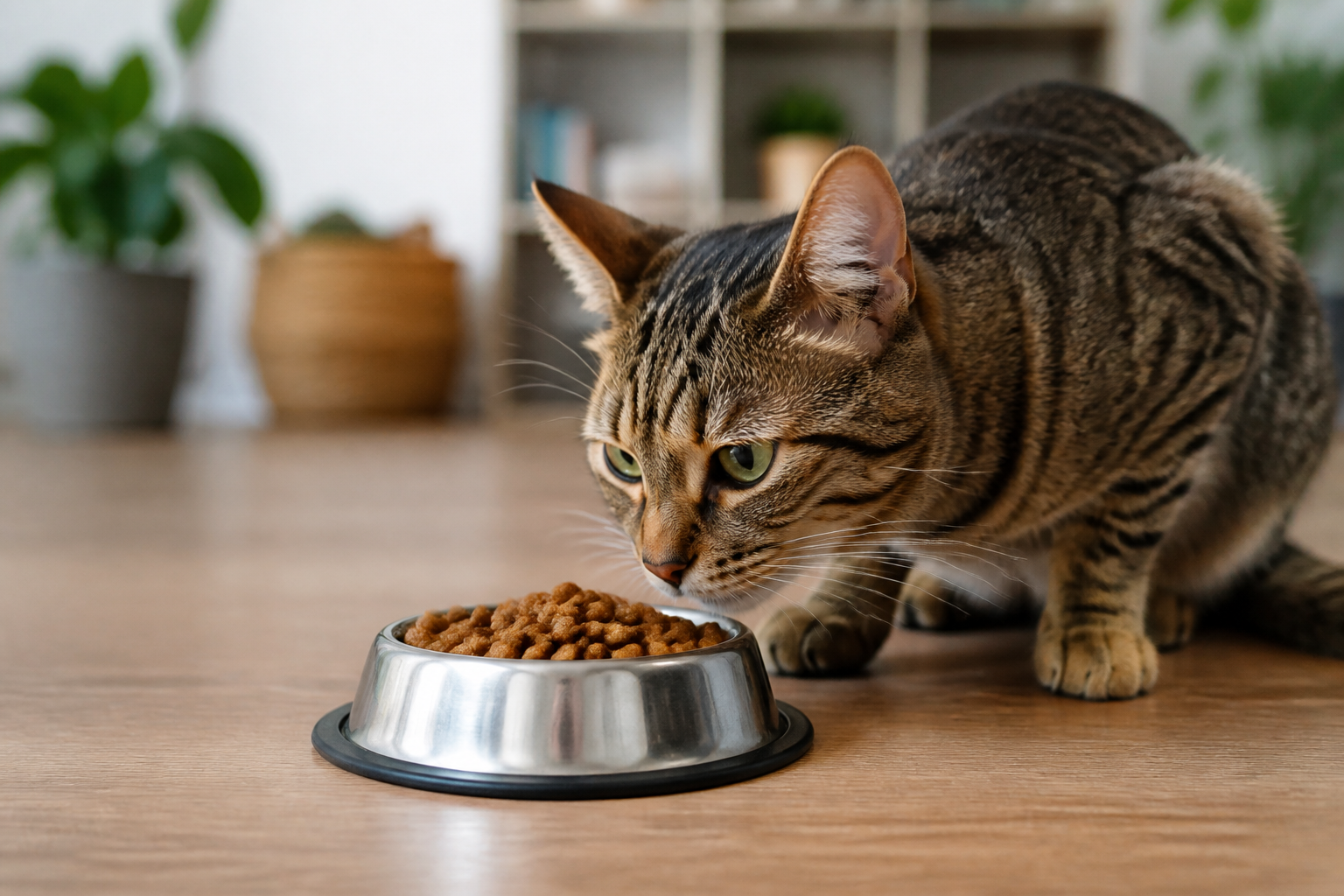
You are standing in the kitchen and watching your cat carefully fish a single piece of kibble out of the dog's bowl. Maybe the dog finished their meal and walked away, or perhaps the cat is simply feeling bold. At BaxterBoo, we hear this question often from pet parents who visit our Vernon Hills warehouse or chat with us online. While a single stray piece of kibble is rarely a cause for immediate panic, making a habit of this behavior can lead to serious health problems. This article explains the nutritional gaps between these two diets and how to keep your cat on the right track. We want to help you understand the biology behind your cat's needs so you can make informed decisions for their long-term wellness.
Quick Answer: A cat can safely eat a few bites of dry dog food as an occasional snack, but it cannot survive on it long term. Dog food lacks essential nutrients like taurine and high protein levels that cats need for heart and eye health.
The Biological Divide: Why Cats Aren't Small Dogs
It is easy to assume that because both animals enjoy kibble, the contents of the bags are interchangeable. However, cats and dogs belong to very different branches of the animal kingdom when it comes to their nutritional requirements. Dogs are classified as omnivores. This means they can stay healthy by eating a mix of animal and plant-based ingredients. Their bodies are flexible enough to process grains, vegetables, and meats into the energy they need.
Cats are obligate carnivores. This term means they must eat meat to survive. Their bodies are biologically designed to process animal protein and fats. In the wild, a cat's ancestors received almost all their nutrients from the prey they caught. Because of this specialized evolution, a cat's internal system has lost the ability to create certain vitamins and amino acids from plant matter. They must get these pre-formed nutrients directly from animal tissue.
If a cat eats dog food consistently, they are essentially eating a diet designed for a different species. Dog food often contains more plant-based fillers and lower concentrations of animal protein. For a cat, this leads to a slow decline in health as their body fails to get the specific "building blocks" it requires for daily function.
Essential Nutrients Missing From Dog Food
To understand why dog food is insufficient for cats, we must look at the specific ingredients that manufacturers add to our dry cat food selection. These additions are not just flavor enhancers. They are vital components that prevent disease.
The Taurine Requirement
Taurine is an amino acid that is non-negotiable for feline health. Dogs can synthesize their own taurine within their bodies. Because dogs make it themselves, many dog food brands do not add extra taurine to their formulas. Cats cannot make taurine. They must ingest it through their food.
If a cat does not get enough taurine, the consequences are severe. A deficiency often leads to a condition called dilated cardiomyopathy. This is a form of heart disease where the heart becomes enlarged and weak. It can also cause central retinal degeneration, which leads to permanent blindness. Because dog food is not required to meet feline taurine standards, it is never a safe primary diet for a cat.
Vitamin A and the Beta-Carotene Problem
Vitamin A is another area where the two species differ. Dogs can take beta-carotene from plants like carrots and turn it into active Vitamin A. Cats do not have the enzyme necessary to make this conversion. They require "pre-formed" Vitamin A, which is found in animal proteins.
Most dog foods rely on the dog's ability to convert plant matter into Vitamin A. If your cat eats only dog food, they will eventually suffer from a Vitamin A deficiency. This often shows up as poor skin and coat quality, but it can also weaken the immune system and cause night blindness.
Arachidonic Acid
Cats also require a specific fatty acid called arachidonic acid. Dogs can produce this fatty acid on their own. Cats must get it from their diet. It is essential for managing the inflammatory response in the body and supporting reproductive health. Since dog food is not formulated with feline requirements in mind, it rarely contains the levels of arachidonic acid a cat needs to thrive.
Key Takeaway: Cats require specific animal-based nutrients like taurine, pre-formed Vitamin A, and arachidonic acid that are often absent or too low in dog food.
What Happens if a Cat Eats Dog Food?
The impact of dog food on a cat depends heavily on the volume and frequency of the snacking. We can break these effects down into short-term reactions and long-term health risks.
Short-Term Consequences
If your cat sneaks a few bites of dog food one afternoon, you likely will not see any major changes. The most common immediate issue is gastrointestinal upset. Dog food has a different balance of fats and fibers than cat food. This sudden change can cause:
- Mild vomiting
- Diarrhea or loose stools
- A temporary decrease in appetite
- Lethargy for a few hours
If these symptoms occur, they usually resolve within 24 to 48 hours as the food passes through the system. However, if your cat has a sensitive stomach or a known food allergy, even a small amount of dog food could trigger a more intense reaction.
Long-Term Risks
The real danger begins when dog food replaces cat food as a daily meal. Over several weeks or months, a cat will begin to show signs of malnutrition. Because dog food is lower in protein, the cat may lose muscle mass even if they appear to be at a healthy weight.
The lack of taurine will slowly damage the heart and eyes. You might not notice these changes until they are quite advanced. This is why regular checkups are so important. If your cat has been eating dog food for an extended period, it is vital to consult a veterinarian.
Vet Tip: If your cat has been consuming dog food regularly, watch for signs of heart trouble like panting or sudden weakness. A veterinarian can perform blood tests and exams to check for nutritional deficiencies.
The Role of Prescription Diets and Pharmacy Support
Sometimes, a cat might develop a taste for dog food because they are seeking out nutrients they feel they are missing. In other cases, eating the wrong food might have already caused a health issue that requires medical intervention.
If your veterinarian discovers a deficiency or a secondary condition like kidney stress or heart issues, they may recommend a prescription diet. These specialized foods, such as those from the Farmina Vet Life range, are formulated to address specific health needs.
Our pet pharmacy offers a streamlined way to access these prescription pet foods and FDA-approved medications through our partnership with Pet's Choice. Whether your cat needs a specific heart medication or a therapeutic diet to recover from a nutritional imbalance, we can help you get those supplies delivered to your door. Managing a chronic condition is easier when you have a reliable source for the exact products your vet recommends.
Why Do Cats Want Dog Food?
It can be frustrating when you buy high-quality cat food like Stella and Chewy's or The Honest Kitchen, yet your cat still insists on eating the dog's kibble. There are several reasons why this happens:
- Aroma and Fat Content: Dog food is often coated in fats to make it appealing to dogs. Cats are highly attracted to the smell of fat. Even if the nutritional profile is wrong for them, the "mouthfeel" and scent can be enticing.
- Curiosity and Boredom: Cats are natural explorers. If they see the dog getting a bowl of something new, they want to investigate. It becomes a game of "what am I missing out on?"
- Social Hierarchy: In some multi-pet homes, a cat might eat from the dog's bowl to assert dominance. By taking the dog's food, they are signaling their status in the household.
- Accessibility: If the dog's bowl is left out all day while the cat's bowl is empty, the cat will naturally go to the available food source.
Strategies for Multi-Pet Households
Stopping a cat from raiding the dog's bowl requires a mix of environmental changes and routine adjustments. If you have both cats and dogs, these steps can help keep their diets separate.
- Establish Scheduled Mealtimes: Avoid "free feeding" where food is left out all day. Set a timer for 15 to 20 minutes. Once the time is up, pick up any leftover food from both the dog and the cat.
- Feed in Separate Rooms: This is the most effective way to prevent theft. Close the door while they eat so each pet can focus on their own meal without feeling the need to compete.
- Utilize Vertical Space: Cats love to climb. Feed your cat on a high counter or a sturdy cat tree where the dog cannot reach. This protects the cat's food and keeps them away from the dog's floor-level bowl.
- Use Microchip Feeders: These smart bowls only open when they sense a specific pet's microchip. This is a great investment for households where one pet is a notorious food thief.
Bottom line: Preventing food theft is easier when you remove the opportunity through scheduled, separated feedings.
Transitioning Back to Proper Nutrition
If you have been using dog food as a temporary fix or if your cat has become addicted to the dog's kibble, you must transition them back carefully. Cats can be notoriously picky, and a sudden change in diet can cause them to go on a "hunger strike." A cat that refuses to eat for more than 24 to 48 hours is at risk for hepatic lipidosis, a serious liver condition.
Step 1: Start by mixing a small amount of high-quality cat food into the dog food they have been eating. / Use a ratio of 25 percent cat food to 75 percent dog food.
Step 2: Gradually increase the amount of cat food every two days. / Watch your cat for any signs of refusal or digestive upset during this period.
Step 3: If the cat is struggling with the transition, try adding a topper. / Brands like Caru or Tiki Cat offer broths and toppers that can make the new food smell more appealing.
Step 4: Complete the transition over seven to ten days. / By the end of the week, your cat should be eating 100 percent feline-appropriate food.
Choosing the Right Cat Food
When selecting a new food to lure your cat away from the dog's bowl, look for brands that prioritize animal protein. Since we know cats crave the meaty scents in dog food, choosing a protein-rich option can help.
We carry a wide variety of trusted brands at BaxterBoo, including Royal Canin, Orijen, and Acana. These manufacturers understand the biological needs of obligate carnivores. If your cat likes the crunch of the dog's dry food, look for a high-protein dry kibble. If they seem to prefer the smell of the dog's wet food, transition them to a premium canned diet like Fussie Cat.
The Importance of Routine and Rewards
Keeping your cat healthy involves more than just the main meal. Treats also play a role. If you are used to tossing a dog treat to both pets, you might be accidentally contributing to the nutritional imbalance.
Always choose treats specifically formulated for cats. Many dog treats contain ingredients like grains or vegetables that are fine for dogs but offer no value to cats. By using high-quality cat treats, you reinforce the idea that their own food is the most rewarding.
To make shopping easier, consider our Autoship programme. This allows you to set a schedule for your favorite cat food and treats so you never run out. Running out of cat food is the number one reason pet owners reach for the dog's bag. Autoship ensures you are always prepared, and it even includes a free MVP Gold membership for extra savings.
Conclusion
While the occasional nibble of dry dog food will not harm your cat, it is not a safe or sustainable diet. The biological differences between cats and dogs are too great to ignore. Cats need the high protein, taurine, and specific vitamins found only in formulas designed for felines. By maintaining separate feeding areas and choosing high-quality food, you protect your cat from long-term heart and eye issues. If you notice any changes in your cat's health after a diet mishap, always consult your veterinarian to ensure their nutritional needs are being met.
- Cats are obligate carnivores and need animal-based nutrients.
- Dog food lacks essential taurine and Vitamin A for cats.
- Long-term dog food consumption can lead to heart disease and blindness.
- Separate feeding areas and scheduled meals prevent food theft.
Key Takeaway: Proper feline nutrition is the foundation of a long, healthy life, and it begins with keeping the cat's bowl filled with the right food.
Check out our full collection of premium cat food and treats to find a flavor your cat will love more than the dog's dinner. You can also explore our guide to tailoring your cat's diet for additional nutrition ideas.
FAQ
Is dry dog food toxic to cats?
No, dry dog food is not inherently toxic or poisonous to cats. If your cat eats a few pieces, they will likely be fine, though they might experience some mild stomach upset or diarrhea. The danger is not in the toxicity of the ingredients but in the absence of the essential nutrients a cat needs to stay alive over time.
Can a cat go blind from eating dog food?
Yes, a cat can eventually go blind if dog food is their primary source of nutrition. This happens because dog food often lacks taurine, an amino acid essential for feline eye health. Without taurine, the retina in a cat's eye slowly degenerates, which leads to permanent vision loss that cannot be reversed.
Why does my cat prefer the dog's food over their own?
Your cat may prefer the dog's food because it is often high in fat, which smells and tastes delicious to them. Additionally, cats are curious and social creatures; they may simply want what the dog is having. In some cases, it is a behavioral way of showing dominance or exploring a new "forbidden" food source.
Can I feed my cat dog food in an emergency?
If you completely run out of cat food and the stores are closed, a single meal of dog food is acceptable. It is better for your cat to eat a small amount of dog food than to go completely hungry, as long as it is only for one or two meals. However, you should return to a proper feline diet as soon as possible to avoid nutritional gaps.






