
 Save 15% on your 1st Autoship learn more

 Email us
 Live Chat
 FAQs
FAQs





Introduction
You might find yourself standing in your kitchen with a bag of high quality kibble in one hand and a container of fresh frozen raw food in the other. Perhaps you want to give your dog the nutritional boost of raw ingredients but need the convenience and cost savings of dry food. Many pet parents wonder if combining these two very different types of food will cause digestive upset or if the different digestion rates will create problems. At BaxterBoo, we hear these questions often from owners who want to improve their dog's bowl without doing a total diet overhaul. This article covers the safety of mixing dry and raw food, the common myths about digestion, and how to transition your dog to a mixed diet. You can safely mix kibble and raw food to provide your dog with a nutrient dense meal that fits your budget and lifestyle.
The Reality of Mixing Raw and Dry Dog Food
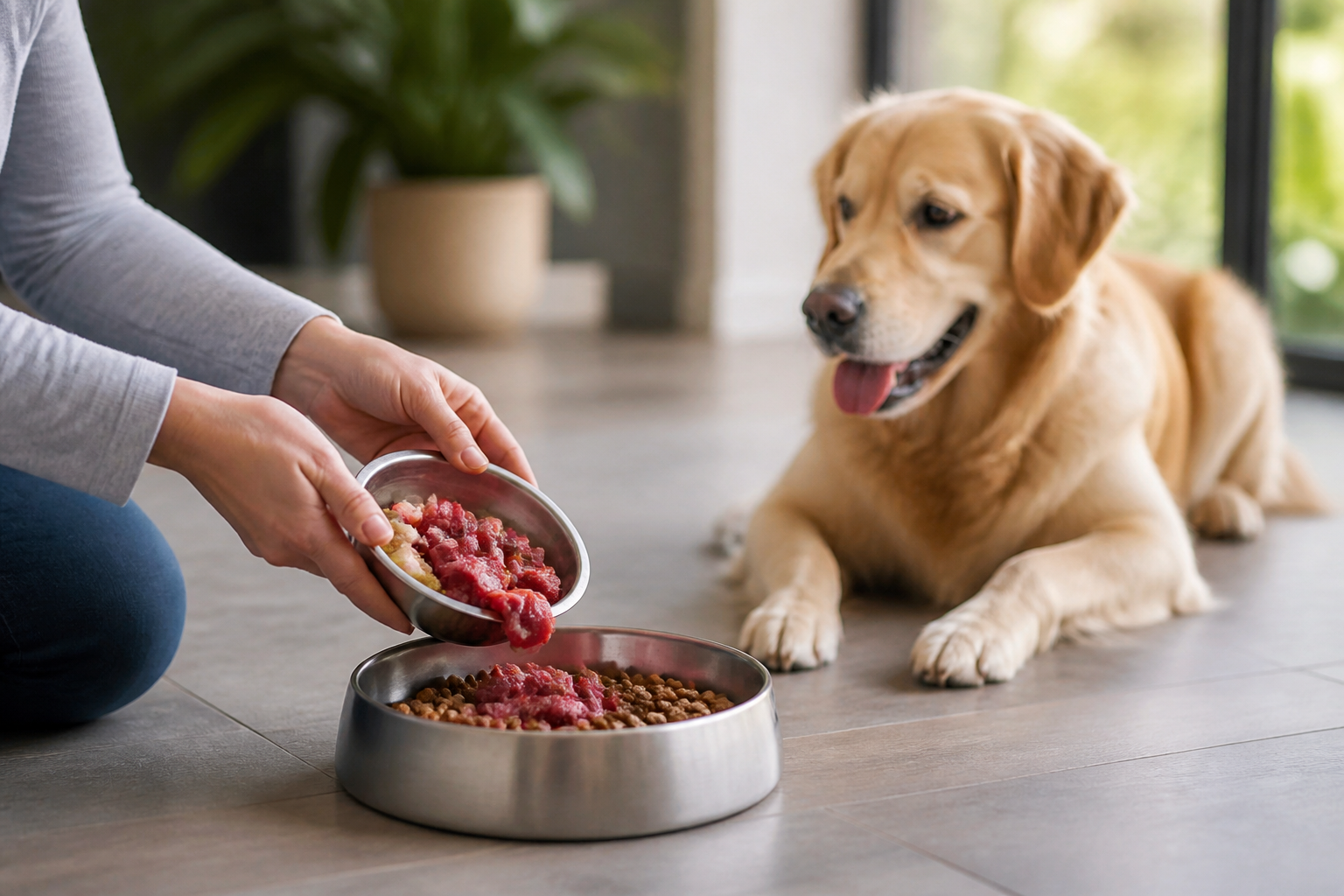
The short answer is yes. You can absolutely mix dry and raw dog food in the same bowl or across different meals. Many owners use raw food as a topper to make kibble more enticing for picky eaters. Others provide a 50/50 split to balance the high cost of premium raw diets with the affordability of dry food.
While the two foods are processed very differently, a healthy dog is designed to handle variety. Dogs have evolved as scavengers and hunters capable of processing various protein sources and textures. The idea that you must choose one or the other is a common misconception in the pet industry.
Quick Answer: Yes, you can mix dry and raw dog food. Most dogs handle the combination well if you introduce the raw portion slowly and maintain proper hygiene.
Mixing these foods allows you to provide fresh enzymes and minimally processed proteins while keeping the convenience of kibble. This approach is often called "half-feeding" or "topper feeding." It is an excellent way to dip your toes into raw feeding without the commitment of a 100 percent raw lifestyle. You can explore our raw dog food collection for commercial options designed for this type of feeding routine.
Understanding the Digestion Process
One of the biggest concerns owners have is the rate of digestion. You may have heard that kibble takes longer to digest than raw food and that mixing them causes food to "sit" in the gut and ferment. Science does not actually support this theory.
Digestion is a complex process involving stomach acid, enzymes, and muscle contractions. Every ingredient in a meal digests at a slightly different speed. A piece of broccoli digests differently than a piece of beef, yet we mix them all the time. Your dog's body is equipped to manage a bolus of food containing different textures and densities.
The Role of Stomach pH
A dog's stomach is naturally very acidic, usually sitting at a pH of around 2. This high acidity is vital for two reasons. First, it triggers the release of enzymes like pepsin which break down proteins. Second, it acts as a barrier against bacteria like Salmonella or E. coli that might be present in raw meat.
Kibble contains starches and carbohydrates required to hold the pellets together. Some experts believe that high levels of starch can temporarily raise the stomach's pH, making it less acidic. If the pH rises too much, it could theoretically make protein digestion less efficient and allow more bacteria to survive. However, most healthy dogs adjust their acid production based on the meal provided.
Enzymes and Bacteria
Raw food is rich in natural enzymes that are often destroyed during the high heat extrusion process of making kibble. By adding raw food to a dry diet, you are introducing these beneficial enzymes back into the digestive tract.
If you are worried about the transition, you can support your dog’s gut with specific additions.
- Probiotics: These help crowd out harmful bacteria and assist in enzyme production.
- Digestive Enzymes: Supplementing with extra enzymes can help break down the starch in kibble more effectively.
- Apple Cider Vinegar: A small amount of organic apple cider vinegar can help maintain a lower, more acidic pH in the stomach.
Key Takeaway: Dogs are biologically capable of digesting different food types simultaneously. The "fermentation" myth is largely unfounded for healthy pets.
Benefits of a Mixed Diet
Feeding a blend of raw and dry food offers a middle ground that captures the best of both worlds. You do not have to be an "all or nothing" feeder to see improvements in your dog's health.
Improved Nutritional Profile
Kibble is a complete and balanced food, but it is heavily processed. Adding raw meat, organs, and bones provides bioavailable vitamins and minerals in their most natural state. Raw heart, for example, is an excellent source of taurine and CoQ10, which support cardiac health. Raw liver provides a massive boost of Vitamin A and B vitamins.
Better Hydration
Dry kibble typically contains only 10 percent moisture. Dogs on a strictly dry diet often live in a state of mild dehydration and must drink large amounts of water to compensate. Raw food is roughly 70 to 80 percent moisture. Adding raw portions to the bowl helps hydrate your dog from the inside out, which supports kidney function and urinary tract health.
Cost and Convenience
Let’s be practical. Feeding a large breed dog a 100 percent raw diet can be very expensive. Mixing in our dog food selection allows you to stretch your budget while still providing the benefits of fresh food. It also makes traveling easier. If your dog is used to a mix, you can easily switch to just kibble for a weekend trip without causing a major digestive rebellion.
| Feature | Dry Kibble | Raw Food | Mixed Diet |
|---|---|---|---|
| Cost | Lowest | Highest | Moderate |
| Convenience | High | Low | Moderate |
| Moisture | Low | High | Moderate to High |
| Nutrient Density | Moderate | Very High | High |
| Shelf Life | Long | Short (Frozen/Refrigerated) | Varies |
How to Safely Transition Your Dog
You should never switch from 100 percent kibble to a 50/50 mix overnight. A sudden change in protein levels and fat content can cause diarrhea or vomiting. For additional guidance on gradual food changes, read our freeze-dried dog food feeding guide.
Step 1: Start with a small amount. / Replace about 10 percent of the kibble with raw food. Do this for two or three days to monitor your dog's stool.
Step 2: Increase the ratio gradually. / If the stool remains firm, move to a 25 percent raw and 75 percent kibble mix. Stay at this level for several days.
Step 3: Reach your target balance. / Gradually move to a 50/50 split or whatever ratio fits your budget and your dog's needs.
Step 4: Watch for signals. / Monitor your dog's energy levels, coat quality, and bathroom habits. If you notice soft stool, scale back to the previous ratio for a few more days.
Vet Tip: Always consult your veterinarian before making significant dietary changes, especially if your dog has a history of pancreatitis, kidney disease, or a compromised immune system.
Choosing the Right Raw Additions
Not all raw food is created equal. If you are mixing raw with kibble, you have two main options: commercial raw diets or home prepared additions.
Commercial Raw Diets
Brands like Stella & Chewy's or Vital Essentials offer "complete and balanced" raw frozen or freeze dried options. These are the safest choice for most owners because the company has already balanced the calcium, phosphorus, and vitamin levels. If the raw portion makes up more than 20 percent of your dog's total daily calories, it must be a balanced product to avoid nutritional deficiencies.
Fresh Toppers and Mix-ins
If you are only adding a small amount of raw food (less than 20 percent of the total diet), you can use simple ingredients from the grocery store.
- Lean Muscle Meat: Ground beef, turkey, or chicken breast are great protein boosters.
- Raw Eggs: An egg is a nutritional powerhouse. The yolk contains biotin, while the white provides high quality protein.
- Fatty Fish: Small amounts of raw salmon or sardines provide essential Omega-3 fatty acids for skin and coat health.
- Organ Meats: Beef liver or chicken hearts should be fed in very small amounts as they are very nutrient dense.
Bottom line: Keep unbalanced "toppers" to less than 20 percent of the total meal to ensure your dog still gets all the necessary nutrients from their kibble.
Safety and Hygiene Practices
Handling raw meat requires a higher level of cleanliness than handling kibble. Bacteria like Salmonella are a concern, though they generally pose a higher risk to the humans in the house than to the dogs.
Always wash your hands, bowls, and countertops with hot, soapy water after preparing a raw meal. We recommend using stainless steel or ceramic bowls, as plastic bowls can develop tiny scratches that harbor bacteria over time.
If your dog does not finish their mixed meal within 20 to 30 minutes, you must pick it up and discard the remains. You cannot leave raw meat sitting out at room temperature the way you might leave a bowl of plain kibble.
Storage Tips
- Thaw frozen raw food in the refrigerator, never on the counter.
- Keep raw food in a sealed, leak proof container to prevent cross contamination with your own food.
- Only thaw enough for two to three days at a time to ensure freshness.
Managing Health Concerns and Special Diets
While mixing food is great for most dogs, some pets require more specialized care. If your dog is managing a chronic condition like allergies, kidney issues, or obesity, their nutritional needs are much stricter.
For dogs with severe environmental or food allergies, we often see owners try a raw transition to eliminate fillers found in kibble. If your dog is on a prescription diet for a medical condition, do not add raw meat without speaking to your vet. Adding extra protein or phosphorus could interfere with the therapeutic goals of the prescription food.
Our pet pharmacy offers a wide range of FDA-approved medications and prescription pet foods through our partnership with Pet's Choice. If your veterinarian has prescribed a specific diet for weight management or urinary health, we can help you get those supplies delivered to your door. We carry brands like Farmina Vet Life and Royal Canin that are formulated for specific health needs.
Key Takeaway: Prescription diets are balanced for specific medical needs. Adding raw toppers to a prescription diet should only be done under veterinary supervision.
Common Myths About Mixing Foods
There is a lot of conflicting information online about raw feeding. Let's clear up some of the most frequent misunderstandings.
Myth 1: The "Different Digestion Times" Danger
As discussed earlier, the idea that kibble and raw food "clash" in the stomach is not supported by canine physiology. Digestion is not a race where one food must finish before the other starts. The stomach processes everything together into a substance called chyme before it moves to the small intestine.
Myth 2: Raw Meat Makes Dogs Aggressive
Diet does not change a dog's fundamental personality. While a dog might become more enthusiastic about mealtime because raw food tastes better, it will not make them "bloodthirsty" or aggressive.
Myth 3: Kibble Kills the Benefits of Raw
Even a little bit of fresh food is better than none at all. You do not lose the benefits of the raw enzymes and moisture just because there is kibble in the bowl. Think of it like a human eating a salad with a side of bread. The bread doesn't negate the vitamins in the spinach.
Using Freeze-Dried Raw as a Middle Ground
If you are nervous about handling raw meat or don't have much freezer space, freeze-dried dog food is an excellent alternative. Brands like Open Farm and Stella and Chewy's offer freeze-dried patties or "meal mixers" that provide the benefits of raw food in a shelf stable format.
You simply add a little warm water to rehydrate the pieces and mix them into the kibble. This provides the moisture and enzymes of raw food without the mess of thawing frozen meat. This is often the easiest way to start a mixed feeding routine. For more ideas, see our guide to feeding freeze-dried dog food.
Checklist for Starting a Mixed Diet:
- Choose a high quality, grain inclusive or grain free kibble as your base.
- Select a commercial raw food or a simple protein like ground turkey.
- Purchase a stainless steel bowl that is easy to sanitize.
- Pick up a probiotic supplement to support the transition.
- Set a consistent feeding schedule to monitor digestion.
Potential Signs of Digestive Upset
Most dogs transition easily, but you should keep an eye out for signs that the mix isn't working. If you see persistent diarrhea, excessive gas, or if your dog seems lethargic, you may be moving too fast or using a protein source that doesn't agree with them.
In some cases, a dog might have a "detox" period where their stools change color or consistency as they adjust to the new nutrient profile. However, this should only last a few days. If symptoms persist, it is time for a checkup.
Vet Tip: If your dog develops severe vomiting or bloody diarrhea during a food transition, stop the new food immediately and contact your veterinarian. This could indicate a sensitivity or an underlying issue like pancreatitis.
Conclusion
Mixing dry and raw dog food is a practical way to boost your dog's nutrition without the high cost or complexity of a full raw diet. By introducing raw ingredients slowly and maintaining strict hygiene, you can provide the benefits of fresh enzymes and better hydration while keeping the convenience of kibble. Whether you use a commercial raw topper or fresh ingredients like eggs and liver, your dog will likely appreciate the variety and flavor.
Our goal at BaxterBoo is to help you find the best path for your pet's unique needs. We offer a huge selection of premium kibble, freeze-dried mixers, and health supplements to make this transition easy. If you are managing a specific health condition, remember that our pharmacy provides easy access to prescription diets and medications through our Pet's Choice partnership.
To start your journey into better nutrition, consider signing up for our Autoship programme. You will save on your first order and earn a free MVP Gold membership, ensuring you never run out of your dog's favorite kibble or raw toppers.
FAQ
Can I mix raw and dry food in the same bowl?
Yes, you can mix them together in one meal or feed them at different times of the day. Many owners find that mixing them in the same bowl encourages picky eaters to finish their kibble. Just ensure you wash the bowl thoroughly after every meal to prevent bacterial growth.
Will mixing kibble and raw food cause my dog to have diarrhea?
It can cause loose stools if you change the diet too quickly. The key is to start with a very small amount of raw food and increase it over one to two weeks. This gives your dog's gut bacteria and stomach acid levels time to adjust to the new protein and fat content.
Do I need to add supplements if I mix raw and kibble?
If you are using a balanced commercial raw food as a topper, you likely do not need extra supplements. However, adding a probiotic can be very helpful during the transition phase. If you are adding unbalanced raw meat, keep it to less than 20 percent of the total diet to maintain nutritional balance.
Is it cheaper to mix raw and dry food?
Feeding a 50/50 mix is significantly more affordable than feeding a 100 percent raw diet. It allows you to provide high quality, fresh nutrition while using kibble to provide bulk and calorie stability. This makes premium nutrition accessible for owners with large dogs or multiple pet households.






