
 Save 15% on your 1st Autoship learn more

 Email us
 Live Chat
 FAQs
FAQs





Introduction
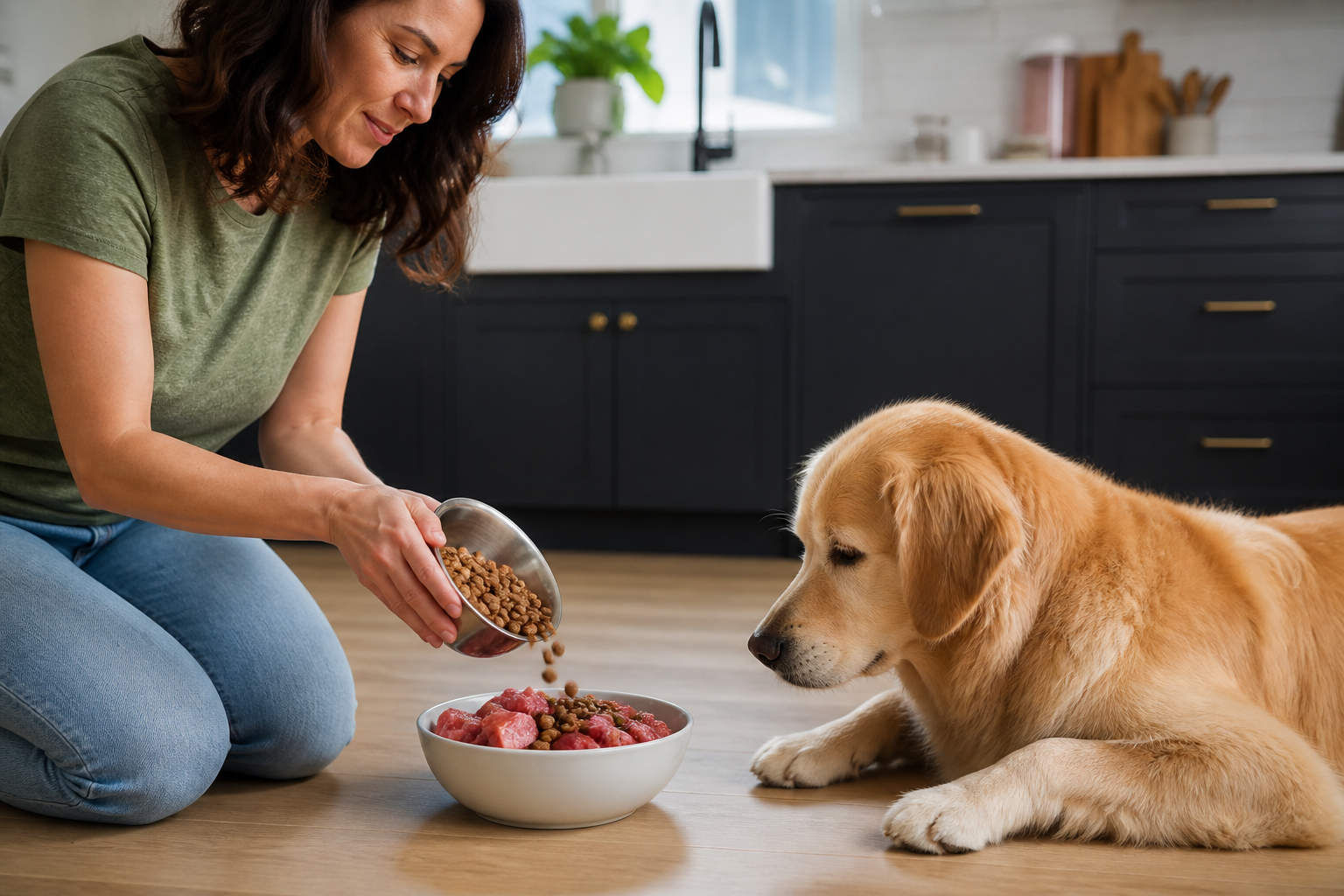
You stand in your kitchen with a scoop of kibble in one hand and a container of fresh raw meat in the other. You want to give your dog the nutritional boost of fresh food without breaking your monthly budget. This is a common crossroads for many pet parents today. At BaxterBoo, we hear from owners every day who want to bridge the gap between the convenience of dry food and the benefits of a raw diet.
There is a lot of conflicting information about whether these two food types belong in the same bowl. Some people worry about digestive speeds while others focus on bacterial safety. This article covers the science of canine digestion, the benefits of mixing food types, and how to do it without causing a bellyache. You can safely combine these diets to provide high quality nutrition for your dog.
Understanding the Digestive Debate
The most common concern about mixing raw and dry food involves the stomach environment. Critics often claim that the starch in kibble changes the pH level of a dog’s stomach. They argue that a higher pH makes it harder for the dog to digest raw meat and bone. While it is true that carbohydrates can influence stomach acidity, a healthy dog is designed to handle variety.
A dog's stomach is naturally very acidic. This acidity helps break down proteins and neutralizes many types of bacteria found in raw meat. When you introduce kibble, the stomach still produces the necessary acids and enzymes. Most dogs move both types of food through their system without significant delay or distress.
The idea that kibble takes much longer to digest than raw food is a common myth. In reality, every ingredient digests at a different rate. A piece of muscle meat, a vegetable, and a grain pellet all follow their own timelines. A healthy canine digestive tract is efficient enough to manage these different rates simultaneously.
Quick Answer: Yes, you can mix dry dog food with raw. Most dogs handle the combination well if you introduce the raw food slowly and maintain proper hygiene during preparation.
The Benefits of a Mixed Diet
Feeding a 100 percent raw diet is a major commitment. It requires significant freezer space and a larger financial investment. Mixing raw food with kibble offers a middle ground that provides several key advantages.
Nutritional Boost
Kibble is a processed food that is cooked at high temperatures. This process can sometimes reduce the levels of natural enzymes and delicate nutrients. By adding a portion of raw food, you introduce live enzymes and unprocessed amino acids. This provides a more diverse nutritional profile for your pet.
Improved Hydration
Dry dog food usually contains only about 10 percent moisture. Dogs on an all-dry diet must drink a lot of water to stay hydrated and support their kidneys. Raw food is naturally high in moisture, often reaching 70 percent or more. Adding raw toppers can help keep your dog hydrated and may support urinary tract health.
Enhanced Palatability
If you have a picky eater, raw food is an excellent motivator. The scent and texture of fresh meat are much more appealing to most dogs than dry pellets. Using raw food as a topper can encourage a reluctant eater to finish their entire meal. We see this often with senior dogs or those recovering from illness.
Cost Effectiveness
Raw feeding for a large breed dog can be expensive. By using high quality kibble as the base and raw food as a supplement, you get the best of both worlds. You provide the health benefits of fresh food while keeping your overall costs manageable. Browse our dog food category to compare kibble options for your dog’s base diet.
Key Takeaway: Adding even a small amount of raw food to a kibble diet can improve hydration, increase nutrient intake, and make meals more exciting for your dog.
How to Start Mixing Safely
You should never switch your dog’s diet overnight. A sudden change from 100 percent kibble to a mixed bowl can lead to gas, bloating, or diarrhea. The digestive system needs time to adjust its enzyme production to handle the new food source. For another gradual-transition approach, read our guide to switching your dog’s food.
The 20 Percent Rule
If you are not using a "complete and balanced" raw product, keep the raw portion small. Unbalanced raw meat or table scraps should not make up more than 20 percent of the total daily calories. If you exceed this amount, you risk causing a nutritional imbalance over time. For larger portions, always use a commercially prepared raw food that meets AAFCO standards.
The Transition Schedule
Start by adding just a spoonful of raw food to the dry kibble. Watch your dog for any signs of digestive upset over the next 24 hours. If their stool remains firm, you can slowly increase the raw portion over a week.
Step 1: Reduce the kibble portion by 10 percent and replace it with a small amount of raw food.
Step 2: Maintain this ratio for two to three days.
Step 3: If your dog is doing well, move to a 25 percent raw and 75 percent kibble mix.
Step 4: Continue adjusting until you reach your desired final ratio.
Vet Tip: If your dog has a history of pancreatitis, inflammatory bowel disease, or a weakened immune system, consult your veterinarian before introducing raw food. Some pets with sensitive health needs may require cooked fresh food or specific prescription diets instead.
Choosing the Right Raw Components
Not all raw food is the same. You have several options depending on your lifestyle and how much prep work you want to do. At BaxterBoo, we carry a variety of brands that make this process easier.
Freeze-Dried Raw
Freeze-dried pet food is one of the most convenient ways to mix diets. It is shelf-stable and does not require a freezer. You can crumble it directly over kibble or rehydrate it with a little water. Brands like Stella & Chewy's products offer freeze-dried patties and mixers specifically designed for this purpose.
Frozen Raw Medallions
Frozen raw food is minimally processed and usually comes in pre-portioned medallions or patties. You simply thaw the portion in the refrigerator overnight. This is the closest option to a traditional raw diet but with the safety and balance of a commercial product.
Raw Toppers and Mixers
Many companies now make raw "boosters" or mixers. These are often smaller bites or shreds of raw meat designed to be sprinkled on top of dry food. This is an excellent entry point for owners who are new to raw feeding.
Fresh Ingredients from the Kitchen
You can also use simple ingredients from your own kitchen. Lean muscle meats, organ meats like liver, and even raw eggs are great additions. Just remember that these are not balanced meals on their own. They should always be used as a supplement to a balanced kibble.
- Lean beef or poultry (no bones)
- Small amounts of beef or chicken liver
- Plain, unsalted sardines in water
- Raw or soft-boiled eggs
Managing Hygiene and Safety
Handling raw meat requires more care than handling dry kibble. Bacteria like Salmonella or E. coli can be present in raw meat. While dogs have short, acidic digestive tracts that handle these bacteria well, humans do not.
Always wash your hands, bowls, and surfaces with hot, soapy water after every feeding. If you have young children or immunocompromised individuals in your home, you must be extra vigilant. Use stainless steel or ceramic bowls for raw food. Plastic bowls can develop small scratches where bacteria can hide.
If you are worried about the bacterial load, consider adding a probiotic supplement. Probiotics help maintain a healthy balance of good bacteria in the gut. This can provide an extra layer of protection against pathogens. Our dog pharmacy offers various digestive supports and supplements through our partnership with Pet's Choice if your dog needs specialized care.
Key Takeaway: Proper sanitation is the most important part of raw feeding. Keep your prep area clean and wash all bowls immediately after your dog finishes eating.
The Role of Stomach Acidity
If you are worried about the starch in kibble affecting your dog's ability to digest raw meat, there are simple solutions. Some owners use organic apple cider vinegar to support a lower pH in the stomach. A small teaspoon added to the meal may help maintain the acidic environment needed for protein digestion.
Hydration also plays a role in acidity. Always ensure your dog has access to plenty of fresh, filtered water. If you are feeding a lot of dry kibble, adding bone broth or water directly to the bowl can help the digestion process. We recommend using pet-safe bone broths that do not contain onions or excessive salt.
Bottom line: While kibble contains starch, most healthy dogs can maintain the necessary stomach acidity to process a mixed diet successfully.
Common Mistakes to Avoid
Even with the best intentions, it is easy to make mistakes when mixing food types. Avoiding these common pitfalls will keep your dog healthy and your kitchen safe.
Overfeeding Calories
Raw food is very nutrient-dense and often higher in fat than kibble. If you add raw food without reducing the amount of kibble, your dog will gain weight. Always check the calorie counts on both packages. If you add 100 calories of raw food, you must remove 100 calories of dry food.
Feeding Too Much Bone
Raw meaty bones are a staple of many raw diets. However, if your dog's stomach pH is not acidic enough, they may struggle to break down large pieces of bone. This can lead to constipation or even a blockage. When mixing with kibble, it is safer to stick to boneless raw meats or ground raw products that contain finely ground bone.
Ignoring the Transition Period
Some owners assume that because their dog has a "stomach of steel," they can switch diets immediately. This often leads to a messy cleanup later. Even if your dog seems fine at first, their internal microbiome needs time to shift. Stick to a slow, one-week transition for the best results.
Using Poor Quality Kibble
The benefits of adding raw food can be cancelled out if the base diet is full of low quality fillers. Look for a high quality kibble from trusted brands like NutriSource, Open Farm, or Acana. A solid base makes the addition of fresh food even more effective.
Monitoring Your Dog's Progress
Once you have established a mixed feeding routine, keep an eye on your dog's condition. You should see positive changes within a few weeks.
- Stool Quality: Your dog's stool should be firm and consistent. If it becomes consistently soft, you may be feeding too much raw food too quickly.
- Coat Condition: A shinier, softer coat is often one of the first signs of improved nutrition.
- Energy Levels: Many owners report that their dogs seem more alert and energetic after adding fresh food.
- Weight: Check your dog's ribs regularly. You should be able to feel them easily without a thick layer of fat, but they should not be sticking out.
If you notice any persistent vomiting, lethargy, or severe diarrhea, stop the raw food and contact your veterinarian. Some dogs have specific sensitivities that make a raw diet unsuitable for them.
Conclusion
Mixing dry dog food with raw is a practical way to improve your pet’s health without the stress of a full dietary overhaul. By following a slow transition and maintaining strict hygiene, you can provide the benefits of fresh enzymes and moisture while keeping the convenience of kibble. We suggest starting with a simple freeze-dried topper to see how your dog reacts.
Our team at BaxterBoo is here to help you find the right balance for your furry friend. Whether you need a high-quality kibble base or a nutrient-rich raw mixer, we have the expert-curated selection you need. For pets with specific medical needs or those requiring prescription diets, our pharmacy provides FDA-approved options through Pet's Choice. You can also save on every order by joining our MVP Rewards programme or setting up our Autoship programme for your favorite foods.
Bottom line: A mixed diet is a flexible, nutritious, and cost-effective way to feed your dog the high-quality food they deserve.
FAQ
Can I mix raw meat and kibble in the same bowl at the same time?
Yes, you can serve raw meat and kibble together in the same meal. While some people believe they should be fed separately due to different digestion rates, most healthy dogs can process both at once without any issues. If your dog has a very sensitive stomach, you can try feeding kibble in the morning and raw in the evening to see if they fare better.
Will mixing raw food with kibble give my dog salmonella?
The risk of salmonella is mostly a concern for the humans handling the food rather than the dogs themselves. Dogs have very short digestive tracts and high stomach acidity, which makes them very resistant to foodborne bacteria. As long as you practice good hygiene, wash your hands, and clean your dog's bowls thoroughly, the risk to your household is minimal.
How do I calculate how much kibble to take out when I add raw food?
The best way to calculate portions is by looking at the calories rather than the volume. Raw food is often more calorie-dense than kibble, so a small amount of raw meat might replace a larger scoop of dry food. Check the feeding guidelines on both packages and try to match the calorie count you are removing with the amount you are adding.
Should I consult a vet before mixing raw and dry food?
It is always a good idea to talk to your vet before making a major change to your dog's diet. This is especially important if your dog has a chronic health condition like kidney disease or a compromised immune system. Your vet can help ensure the diet remains balanced and suggest specific supplements or prescription options from our pharmacy if needed.






