
 Save 15% on your 1st Autoship learn more

 Email us
 Live Chat
 FAQs
FAQs





Introduction
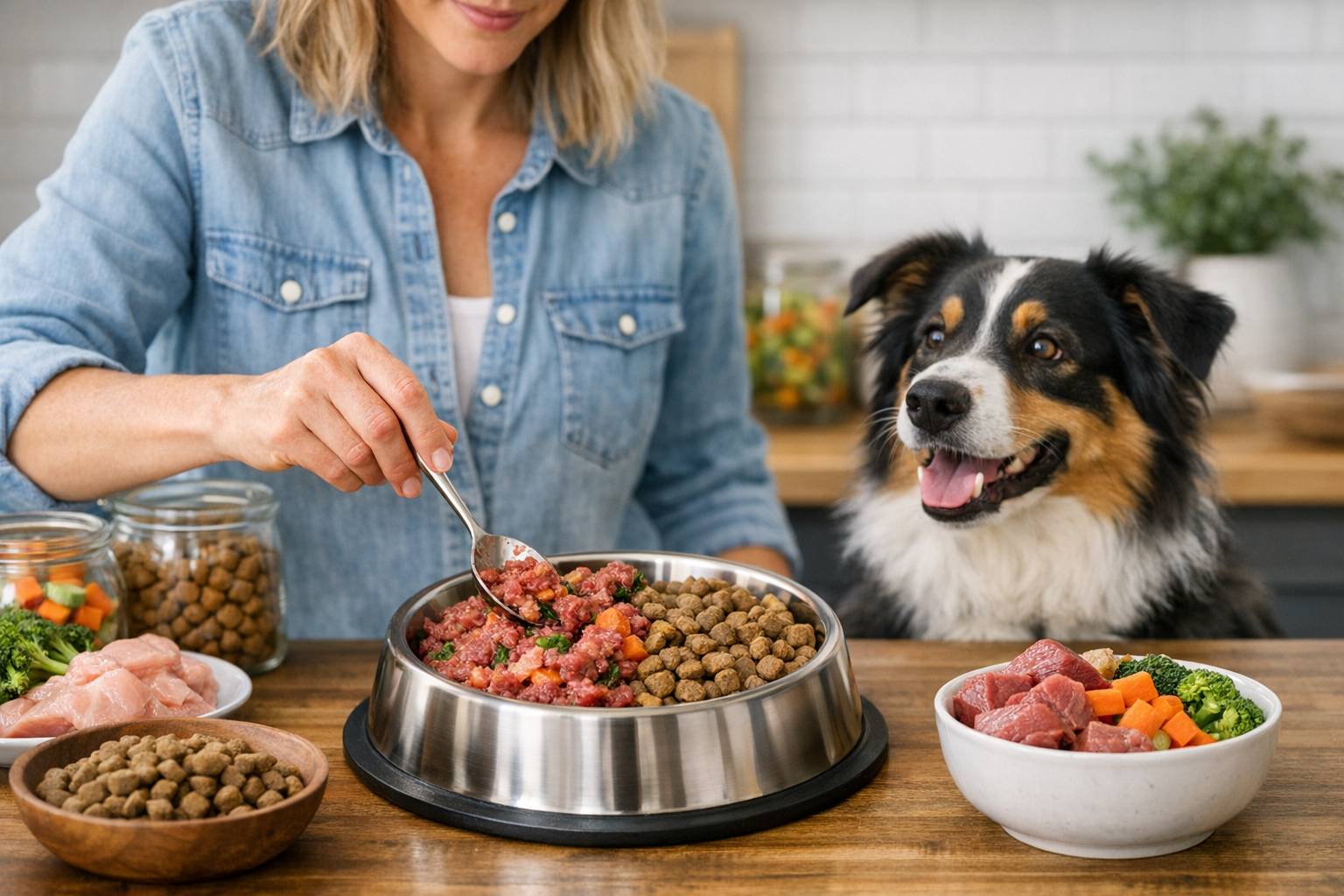
You are standing in the kitchen, looking at a bowl of dry kibble and a package of fresh, raw beef. You want to give your dog the nutritional boost of raw food, but a full raw diet might be tough on your monthly budget or your schedule. You wonder if you can simply combine the two. At BaxterBoo, we hear this question from many pet owners who want the best of both worlds. The short answer is yes. You can absolutely mix raw and dry food to create a hybrid diet that works for your lifestyle. If you want to compare options, start with our dog food category. This post covers the safety of mixing different food types, the best ratios to use, and how to transition your dog without causing an upset stomach. Mixing these foods can provide a significant nutritional upgrade while keeping mealtime manageable.
Quick Answer: Yes, you can mix raw dog food with dry kibble. While some believe different digestion rates cause issues, most healthy dogs handle a hybrid diet very well as long as you transition slowly and maintain proper hygiene.
The Great Digestion Debate
One of the most common concerns about mixing raw and dry food involves digestion. Some people worry that because raw food and kibble digest at different speeds, the mixture will sit in the gut and cause gas, bloating, or bacterial issues. The idea is that kibble takes longer to break down because of the high starch content. People fear this slow-moving kibble blocks the raw food, allowing bacteria like salmonella to multiply.
In reality, a dog's digestive system is highly adaptable. Dogs are scavengers by nature. Their bodies are built to handle a variety of protein sources and textures in a single sitting. While kibble does contain more carbohydrates and starches, a healthy dog's stomach produces strong acids to break down both types of food efficiently.
The acidity of the stomach, known as the pH level, changes based on what the dog eats. High-protein meals usually lead to a more acidic environment. While starch can slightly raise the pH level, it does not typically prevent a healthy dog from processing the raw meat safely.
Vet Tip: If your dog has a history of severe digestive issues, chronic pancreatitis, or a compromised immune system, consult your veterinarian before adding raw food to their diet. They can help you determine if a hybrid approach is safe for your specific pet.
Benefits of a Hybrid Diet
Mixing raw and dry food is a practical way to improve your dog's nutrition without committing to a 100 percent raw lifestyle. It offers a middle ground that balances convenience, cost, and health.
Improved Nutrition
Kibble is highly processed. The high-heat cooking process can sometimes reduce the natural enzymes and vitamins found in the ingredients. By adding raw food, you introduce live enzymes, fresh moisture, and unprocessed proteins. Brands like Stella & Chewy's offer raw options that pair perfectly with high-quality dry food to fill these nutritional gaps.
Budget Management
Feeding a large dog a fully raw diet can be expensive. For many families, the cost of raw muscle meat, organs, and bone is significantly higher than a bag of premium kibble. Mixing the two allows you to stretch your budget. You can provide the benefits of fresh food while the kibble provides the bulk of the calories, and options from NutriSource can be part of that routine.
Better Hydration
Dry kibble usually has a moisture content of around 10 percent. Raw food is much higher, often reaching 70 percent or more. Adding raw food to the bowl helps keep your dog hydrated. This is particularly beneficial for urinary tract health and kidney function.
Key Takeaway: A hybrid diet provides the convenience of kibble with the enzymatic and hydration benefits of fresh, raw food. It is an excellent way to provide high-quality nutrition on a budget.
The 20 Percent Rule for Balance
When you mix raw and dry food, you must consider nutritional balance. Most commercial kibbles are "complete and balanced," meaning they have all the vitamins and minerals a dog needs. Raw food can be different.
If you are using a commercial raw diet that is labeled as "complete and balanced," you can mix any ratio you like. However, if you are adding raw ingredients from the grocery store, like plain ground beef or eggs, you must be careful.
- Keep unbalanced additions to 20 percent or less of the total meal.
- If raw food makes up more than 20 percent of the diet, you must ensure the raw portion is balanced with the correct levels of calcium, organs, and vitamins.
- Excessive unbalanced additions can lead to nutrient deficiencies or toxicities over time.
For most owners, using the raw food as a topper is the easiest method. This ensures the dog still gets the foundational nutrition from the kibble while enjoying the raw boost, especially if you shop from our food topper collection.
How to Calculate Your Ratios
To keep your dog at a healthy weight, you cannot simply add raw food on top of their full serving of kibble. You must subtract some kibble to make room for the new calories.
Since raw food contains a lot of water, it is less calorie-dense by weight than kibble. As a general rule, if you remove one cup of kibble, you will typically replace it with about two cups of raw food. Always check the calorie counts on the packaging to be precise.
| Feeding Goal | Kibble Portion | Raw Portion |
|---|---|---|
| Minor Boost (Topper) | 90% | 10% |
| Budget-Friendly Hybrid | 75% | 25% |
| High-Nutrition Mix | 50% | 50% |
| Mostly Raw | 25% | 75% |
Choosing the Right Raw Ingredients
If you are not using a pre-made commercial raw diet, you can select specific fresh ingredients to add to the bowl. Certain foods offer more "bang for your buck" when it comes to nutrition.
Lean Muscle Meats
Boneless beef, turkey, or chicken muscle meat provides high-quality amino acids. These are the building blocks for your dog's muscles and skin. We recommend choosing lean cuts to avoid digestive upset from too much fat.
Organ Meats
Liver and heart are nutritional powerhouses. Liver is rich in Vitamin A and B vitamins. Heart is a great source of taurine, which supports cardiac health. Because organ meats are so rich, they should only make up a small portion of the raw addition.
Raw Eggs
Eggs are one of the most complete sources of protein. They are affordable and easy to add to a bowl of kibble. You can feed the egg raw, but ensure you include both the white and the yolk to maintain a healthy biotin balance.
Fatty Fish
Small amounts of raw salmon or sardines provide essential Omega-3 fatty acids. These fats support brain health and keep the coat shiny. If you cannot find raw fish, canned sardines in water (with no added salt) are a great alternative.
Bottom line: Selecting nutrient-dense ingredients like organs and eggs provides the most benefit when adding small amounts of raw food to kibble.
The Transition Process
Switching a dog's diet too quickly is the most common cause of diarrhea and vomiting. Your dog’s gut bacteria need time to adjust to the new enzymes and protein structures in raw food.
Step 1: Start with a tiny amount. / Add just a spoonful of raw food to the regular kibble meal for two days.
Step 2: Monitor the stool. / If the dog’s stool remains firm, increase the raw portion to 10 percent of the meal.
Step 3: Gradually shift the ratio. / Over the next 10 to 14 days, slowly increase the raw food while decreasing the kibble until you reach your target ratio.
Step 4: Watch for cues. / If your dog develops gas or loose stools, go back to the previous ratio for a few days before trying to increase it again.
For a deeper look at kibble freshness while you transition, see our post on how long dry dog food lasts.
Using probiotics during this transition can be very helpful. Probiotics help the gut maintain a healthy balance of bacteria, making the switch much smoother for your pet's system.
Safe Handling and Hygiene
The biggest risk of mixing raw and dry food is not the digestion speed, but the potential for bacterial contamination. Raw meat can carry salmonella, listeria, or E. coli. While a dog's stomach is designed to handle these, humans are not.
You must treat your dog's raw food with the same care you use when preparing dinner for your family. Use stainless steel or ceramic bowls, as plastic can develop tiny scratches that harbor bacteria. Wash all bowls, utensils, and surfaces with hot, soapy water immediately after feeding.
If you have young children, elderly family members, or anyone with a compromised immune system in your home, be extra cautious. Do not allow the dog to lick faces immediately after eating raw food.
- Thaw raw food in the refrigerator, never on the counter.
- Only leave raw food out for 15 to 20 minutes; discard any leftovers.
- Store raw food in a dedicated container in the freezer or fridge to prevent leaks.
- Wash your hands thoroughly after handling the food or the dog's bowl.
If you are exploring more minimally processed options, our freeze-dried food category is another place to compare textures and feeding styles.
When to Use the Pharmacy
Some dogs have specific health needs that make a standard raw or kibble diet difficult. Dogs with food allergies, kidney disease, or severe inflammatory bowel disease may require prescription diets.
Our pet pharmacy offers prescription pet foods and medications through our partnership with Pet's Choice. If your veterinarian has prescribed a specific diet for a medical condition, you should talk to them before mixing in raw ingredients. Adding raw protein to a prescription kidney diet, for example, could accidentally increase phosphorus levels and harm your dog.
For dogs needing extra support during a diet change, our pharmacy also carries supplements for digestion and anxiety. Sometimes the stress of a new routine can cause tummy trouble, and a calming supplement or a prescription-strength probiotic can make the difference.
Support for Your Dog's Lifestyle
Transitioning to a hybrid diet is easier when you have the right tools. Beyond the food itself, consider how you serve and store these meals. Slow feeders can be very helpful if your dog gets too excited about the new raw additions and eats too fast.
If you decide to stick with a hybrid diet long-term, our Autoship programme is a great way to save. You can have your favorite kibble brands like Acana delivered on a schedule, ensuring you never run out. Combined with raw toppers, this creates a consistent routine that supports your dog's long-term wellness.
We also recommend looking into the MVP Rewards programme. Since hybrid feeding often involves buying both premium kibble and raw supplements or toppers, earning points on every purchase helps offset the cost of high-quality ingredients.
Conclusion
Mixing raw dog food with dry kibble is a fantastic way to enhance your dog's bowl. It provides essential moisture, live enzymes, and high-quality protein while remaining convenient for your daily schedule. By following the 20 percent rule for unbalanced additions and transitioning slowly, you can avoid the most common digestive pitfalls. Remember that every dog is an individual, so pay close attention to how your pet responds to the change.
- Transition over 10 to 14 days to prevent stomach upset.
- Keep raw additions under 20 percent unless using a balanced commercial raw product.
- Maintain strict hygiene to keep your family safe from bacteria.
- Consult your vet if your dog has underlying health conditions.
Key Takeaway: You do not have to choose between raw and dry food. A hybrid approach is a safe, flexible, and nutritious way to feed your dog.
If you are ready to start adding fresh nutrition to your dog's diet, check out our selection of Acana products and explore our dry food options for your next bowl.
FAQ
Does mixing raw and kibble cause stomach upset?
Stomach upset is usually caused by a sudden change in diet rather than the act of mixing the two foods. If you introduce the raw food gradually over two weeks, most dogs will adjust without any issues. Probiotics can also help support the gut during this transition.
Can I feed raw and kibble in separate meals?
Yes, many owners prefer to feed kibble in the morning for convenience and raw food in the evening when they have more time for cleanup. This is a perfectly safe method and may even be easier for some dogs with sensitive stomachs to process.
Is it okay to mix grocery store meat with kibble?
You can add raw meat from the grocery store, but it should not exceed 20 percent of your dog's total daily calories. Plain meat lacks the calcium and minerals found in a complete diet. For larger amounts, use a commercially prepared raw food designed for dogs.
How do I know if the raw food is making my dog sick?
Watch for signs like persistent diarrhea, vomiting, lethargy, or a refusal to eat. While some mild changes in stool are normal during a transition, severe symptoms require a visit to the veterinarian. Always ensure you are following strict hygiene practices to rule out bacterial contamination.






