
 Save 15% on your 1st Autoship learn more

 Email us
 Live Chat
 FAQs
FAQs





Introduction
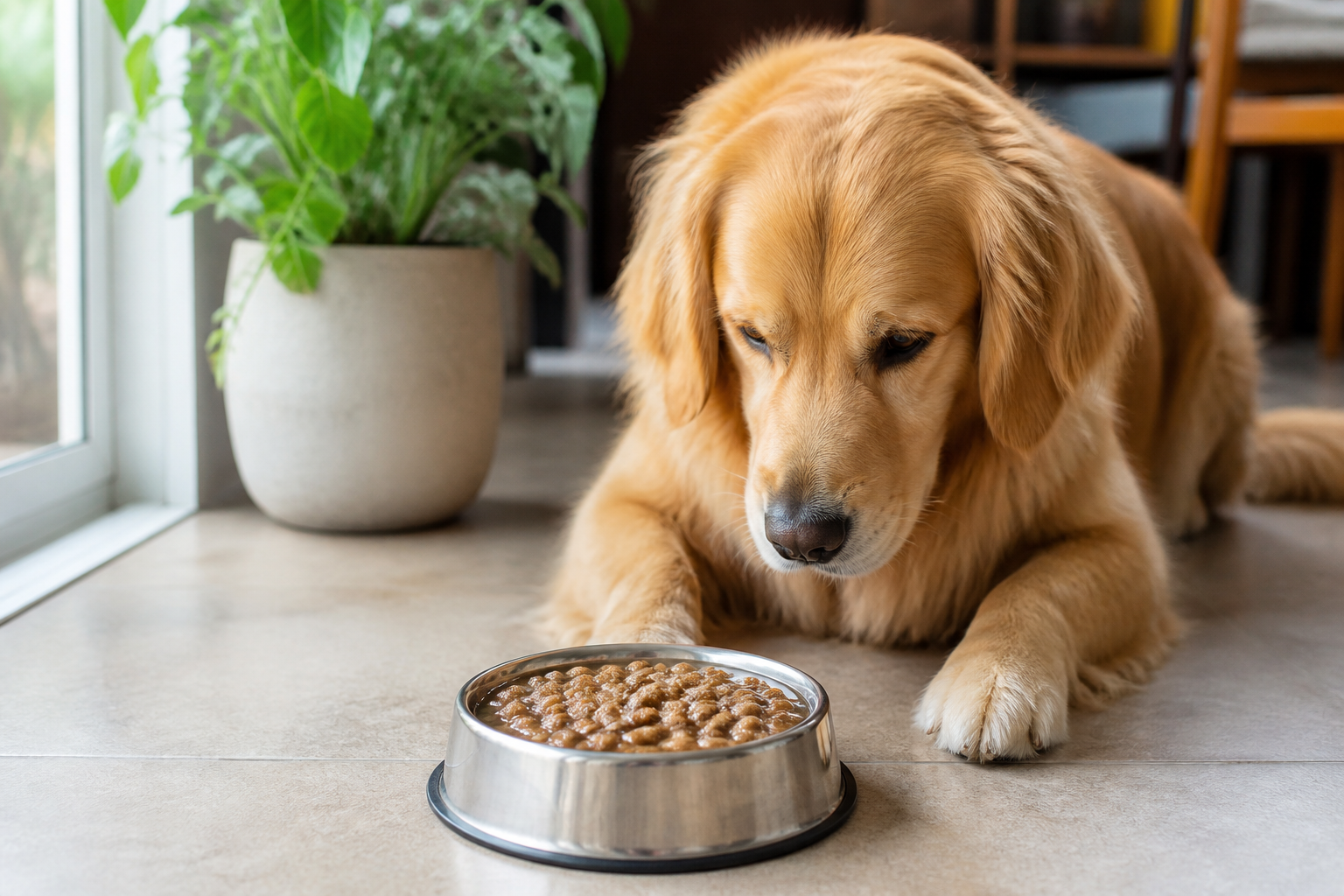
You might find yourself standing over your dog's bowl, watching them struggle to crunch through hard kibble or seeing them bolt their meal down in seconds. It is a common moment for many pet owners. You wonder if a splash of water might make the meal easier to eat or better for their health. At BaxterBoo, we have helped thousands of pet parents find the right feeding solutions since 2006. We carry over 500 trusted brands and see this question often in our Vernon Hills warehouse. This article covers why you might want to soak kibble, the best way to do it, and when it is better to keep the crunch. Our goal is to help you decide if hydration is the right step for your dog's specific needs.
Why Consider Soaking Kibble?
Most dry dog food is very nutrient dense. Manufacturers cook it to remove moisture, which makes it shelf stable and easy to store. However, this lack of moisture means your dog must drink a lot of water to help their body process the meal. Soaking the food can bridge this gap.
Adding liquid to the bowl changes the texture and the experience for your dog. For some, it is about making the food easier to chew. For others, it is about making the meal smell better and taste more like a fresh feast. We see many owners of picky eaters or senior dogs find success with this simple change.
Quick Answer: Yes, you can soak dry dog food in water or dog-safe broth. This practice helps with hydration, improves digestion, and makes meals more appealing to picky eaters or dogs with dental pain.
The Health Benefits of Hydrated Food
Soaking kibble is not just about making the food soft. It can have significant impacts on your dog's internal health.
Improving Satiety and Weight Management
If you have a dog that always seems hungry, soaking food might be the answer. When dry kibble hits water, it expands. It can nearly double in size as it absorbs liquid. When you soak the food before feeding, this expansion happens in the bowl rather than in your dog's stomach.
The increased volume helps your dog feel full faster. They get to eat a larger looking meal without adding extra calories. This is a great strategy for dogs on a weight loss plan. If your dog requires a specific weight management formula, our dog food category offers prescription pet foods through our partnership with Pet's Choice. These specialized diets work well with a soaking routine to keep your dog satisfied.
Boosting Daily Hydration
Some dogs are notorious for not drinking enough water from their bowls. This can lead to issues with their urinary tract or kidneys over time. By adding water directly to their food, you ensure they are getting a significant amount of hydration with every meal.
This is especially helpful during hot Illinois summers or for very active dogs. It takes the guesswork out of their water intake.
Key Takeaway: Soaked kibble expands in the bowl, providing more volume for the same calories. This helps dogs feel fuller and stay better hydrated throughout the day.
Supporting Senior Dogs and Dental Health
As dogs age, their dental needs change. We often see senior dogs in our store that have lost teeth or suffer from sensitive gums. For these dogs, hard kibble can be painful to eat.
Making Meals Pain Free
Softening the food allows a senior dog to "lap up" their meal rather than having to use force to crunch down. It reduces the strain on their jaw and prevents further irritation of the gums. If your senior dog is also managing joint issues or other chronic conditions, they might be on specific medications. Our BaxterBoo pharmacy can help fulfill those prescriptions, including FDA-approved options for pain and mobility.
The Role of Aroma
A dog's sense of smell is closely tied to their appetite. As dogs get older, their senses can dull. Adding warm water to dry food releases the fats and aromas within the kibble. This makes the food much more enticing. It can encourage an older dog who has lost interest in eating to return to their bowl with enthusiasm.
Vet Tip: If your dog suddenly stops eating hard kibble, consult your veterinarian to rule out dental disease or infections. While soaking food helps with comfort, it does not treat the underlying cause of dental pain.
Preventing Digestive Issues and Bloat
One of the most serious concerns for owners of large breed dogs is gastric dilatation-volvulus, commonly known as bloat. This condition occurs when the stomach fills with gas and twists.
Slowing Down Fast Eaters
Dogs that "inhale" their food often gulp air along with their kibble. This increases the risk of gas buildup. Soaked food is harder to bolt down quickly compared to dry pellets. When the food is pre-hydrated, it also prevents the kibble from expanding rapidly inside the stomach after the dog drinks a large amount of water post-meal.
Ease of Digestion
Soaked food acts as a "pre-digested" meal in some ways. The moisture softens the structure of the kibble, making it easier for digestive enzymes in the stomach to break down the nutrients. This can be very helpful for dogs with sensitive stomachs or those prone to occasional bouts of indigestion.
For another perspective on adding moisture to meals, read what can be added to dry dog food.
Bottom line: Pre-soaking kibble may reduce the risk of bloat by preventing rapid expansion in the stomach and slowing down the speed of consumption.
How to Properly Soak Dry Dog Food
To get the best results, you need a consistent routine. It is not just about pouring water in and serving it immediately.
Step-by-Step Soaking Guide
Step 1: Measure the meal. / Use your dog's standard portion of dry food in a clean bowl.
Step 2: Add warm liquid. / Use warm water or dog-safe broth. The ratio should be about one part liquid to two parts kibble.
Step 3: Let it sit. / Wait 10 to 15 minutes for warm water or up to 30 minutes for cool water.
Step 4: Check the temperature. / Ensure the food is not too hot before serving. It should be warm to the touch, not steaming.
Step 5: Stir and serve. / Mix the contents to ensure the moisture is distributed evenly.
Choosing the Right Liquid
While water is the most common choice, you can use other liquids to add nutrition. Low-sodium bone broths made specifically for dogs are excellent options. Brands like Zesty Paws or Honest Paws often have toppers or liquids that work perfectly for this. Avoid human-grade broths that contain onions, garlic, or excessive salt, as these are toxic to dogs.
You can explore our dog food supplement options when looking for toppers and broth-style additions.
Note: Never use boiling water to soak kibble. High heat can damage some of the sensitive vitamins and probiotics found in premium dog foods.
Food Safety and Storage
When you add moisture to dry food, you change its shelf life. Dry kibble can sit in a bowl for a day without spoiling. Once you add water, it becomes a breeding ground for bacteria.
The One Hour Rule
You should never leave soaked food out for more than an hour. If your dog does not finish their meal within 30 to 60 minutes, you must throw it away. Bacteria thrive in warm, moist environments.
Avoid Pre-Soaking Large Batches
It is tempting to soak a whole day's worth of food in the morning to save time. However, this is risky. If you must prepare a meal ahead of time, store it in the refrigerator in a sealed container. Even then, do not keep it for more than 24 hours. Freshly soaked is always the safest and most appetizing option for your pet.
For more guidance on storage and freshness, see how long dry dog food lasts.
When Should You Keep the Crunch?
Soaking is not right for every dog or every situation. There are times when dry food is the better choice.
Dental Scrubbing Myths and Realities
Some people believe that dry kibble cleans a dog's teeth through abrasion. While some specialized dental diets are designed to do this, standard kibble often crumbles too quickly to provide a significant cleaning effect. However, if your dog is on a specific dental health kibble like those from Royal Canin or Hill’s, soaking it will negate the mechanical cleaning properties of the food.
Graze Feeders
If your dog prefers to "graze" throughout the day, taking a few bites every few hours, soaked food will not work. It will spoil long before they finish the bowl. For graze feeders, it is better to provide dry kibble and ensure they have a separate, fresh supply of water nearby.
Travel and Convenience
Soaking food takes time and creates more mess. If you are traveling or hiking, dry kibble is much easier to manage. You can always bring a portable water bowl to ensure they stay hydrated without needing to prep their food.
Transitioning Puppies to Solid Food
Soaking kibble is an essential part of the weaning process. Puppies moving from their mother's milk to solid food cannot handle hard pellets right away.
Between 3 and 4 weeks of age, many breeders start offering a "mush" of soaked kibble. As the puppy grows and their teeth come in, the amount of water is gradually reduced. By the time a puppy is 8 to 12 weeks old, they are usually capable of eating dry food.
If you just brought a new puppy home, ask the breeder or shelter how they were preparing the food. Suddenly switching from soaked to dry can cause stomach upset. Our puppy food selection can help you find an appropriate formula as you navigate this transition.
For additional guidance, read when puppies can eat dry dog food.
Key Takeaway: Puppies need soaked food during weaning to mimic the consistency of milk. Gradually reduce the water over several weeks to help their digestive systems adjust.
Enhancing the Experience with Toppers
If your dog likes the moisture but you want to add more variety, consider toppers. You can mix a small amount of wet canned food into the soaked kibble. This creates a "gravy" that many dogs find irresistible.
Brands like Stella and Chewy's or Open Farm offer freeze-dried raw toppers that can also be rehydrated alongside the kibble. This adds a boost of high-quality protein and flavor. We carry many of these options at BaxterBoo, and they are a great way to use your MVP Rewards points for a special treat.
For another mealtime idea, explore how to mix dry and wet dog food.
Final Thoughts for Dog Owners
Soaking your dog's dry food is a simple, low-cost way to improve their mealtime experience. Whether you are managing a senior dog's dental pain, trying to help a chubby pup feel full, or just want to ensure they stay hydrated, it is a tool worth trying.
Always prioritize food safety by tossing out uneaten portions. If you are dealing with chronic health issues like kidney disease or severe allergies, talk to your vet about prescription diets. Our pharmacy and Pet's Choice partnership make it easy to get those specialized foods delivered right to your door.
For more gear and nutrition options, browse our dog bowls and feeders collection and our dog food category. We are here to help you make every meal the best it can be for your furry friend.
FAQ
How long can I leave soaked dog food in the bowl?
You should remove any uneaten soaked food after 60 minutes. Because moisture encourages bacterial growth, leaving it out longer can lead to spoilage and digestive upset. If your dog is a slow eater, it is better to serve smaller portions more frequently.
Does soaking kibble cause tooth decay?
Soaking food does not directly cause decay, but it does remove the slight abrasive action that hard kibble provides. To maintain oral health, you should still brush your dog's teeth regularly or provide dental chews. Many owners find that the benefits of hydration and digestion outweigh the loss of the "crunch" for dental cleaning.
Can I use milk instead of water to soak my dog's food?
It is generally not recommended to use cow's milk because many dogs are lactose intolerant. Milk can cause diarrhea, gas, and stomach pain for many pets. If you want to use something other than water, stick to a dog-safe bone broth or a specific goat's milk product designed for pets.
Should I soak grain-free kibble differently than grain-inclusive food?
The soaking process is the same regardless of the ingredients. Most kibble types will absorb water at a similar rate based on their density and size. Always follow the same 15 to 30 minute timeline to ensure the core of the kibble is softened without the meal becoming overly fermented or cold.






