
 Save 15% on your 1st Autoship learn more

 Email us
 Live Chat
 FAQs
FAQs





Introduction
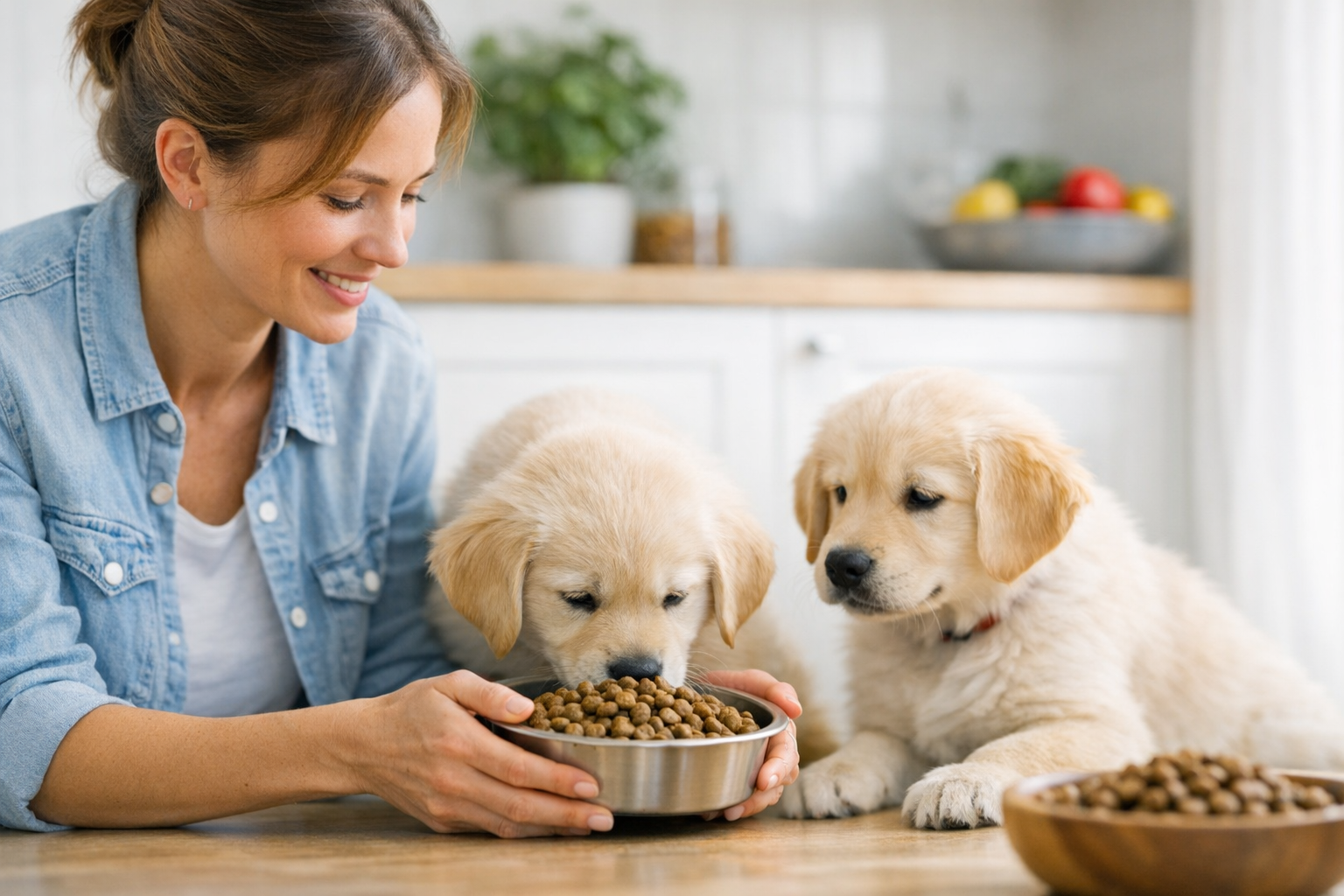
You just brought home a bundle of energy, and suddenly the tiny bowl of milk or wet mush seems like it is not enough. Watching your puppy grow is exciting, but knowing exactly when their little teeth are ready for the crunch of dry kibble can feel like a guessing game. If you are just getting started, our puppy food category is a great place to begin. This article explains the developmental timeline for weaning, how to safely soften dry food, and the signs that your pup is ready for a solid diet. Moving to dry food is a big step for a puppy's development. It sets the foundation for their lifelong health and ensures they get the concentrated calories they need to grow.
The Weaning Timeline: When the Transition Starts
Puppies do not just wake up one day and decide they are ready for a bowl of hard kibble. It is a slow and steady process that usually mirrors their physical development. For the first few weeks of life, a puppy gets everything they need from their mother. Mother's milk is a nutritional powerhouse. It provides antibodies, fats, and proteins that a growing body requires.
Around the three-week mark, things begin to change. You might notice the mother dog spending less time with the litter. She may start to stand up more during nursing or walk away before the puppies are finished. This is the natural start of weaning.
The First Three Weeks
During the first 21 days, puppies are almost entirely focused on sleeping and nursing. They do not have teeth yet. Their digestive systems are not ready to process starches or complex proteins found in solid food. If you are caring for orphaned puppies during this stage, you must use a specific puppy milk replacer. Never use cow's milk or human formula. These do not have the right balance of nutrients and can cause severe stomach upset.
Introducing Solids at Four Weeks
When puppies reach four weeks of age, they usually start to show interest in what the mother is eating. This is the "lap and nibble" phase. Their tiny front teeth, known as deciduous teeth, are starting to poke through the gums. These teeth are sharp but very small. They are not strong enough to crack a hard piece of kibble.
This is the perfect time to introduce a very soft version of puppy food. Most breeders and owners start with a "gruel" or "mash." You take high-quality puppy kibble and soak it until it is the consistency of thin oatmeal. This allows the puppy to lap up the food without needing to chew.
Quick Answer: Most puppies can start eating softened dry food at 4 weeks old and transition to fully dry kibble by 8 to 10 weeks. This process should be gradual to avoid upsetting their developing digestive systems.
How to Soften Dry Food for Tiny Teeth
Softening kibble is not just about making it easier to swallow. It also helps with hydration. Puppies transitioning away from milk are losing a major source of water. Soaking their food ensures they stay hydrated as they learn how to use a water bowl.
Choosing the Right Liquid
Warm water is the most common choice for softening food. It is safe, free, and effectively breaks down the kibble's structure. Some owners choose to use a puppy-safe bone broth or a bit of puppy milk replacer to add extra flavor and calories. If you want a deeper dive into moisture and digestion, our guide to wetting dry dog food is a helpful companion read.
Do not use boiling water. Boiling water can destroy some of the delicate vitamins and minerals added to the kibble. Use warm water that is comfortable to the touch. If it is too hot for your finger, it is too hot for the puppy's mouth.
The Perfect Mush Consistency
The goal for the first week of solids is a soupy texture.
- Measure out the amount of puppy kibble recommended for their weight.
- Add three parts warm liquid for every one part of dry food.
- Let the mixture sit for at least 15 to 20 minutes.
- Use a fork or a potato masher to crush any remaining hard lumps.
- Test the temperature again before serving.
Key Takeaway: Always use warm water, not boiling, to soften puppy food. This preserves the nutritional value while making the texture safe for new teeth.
A Week-By-Week Guide to Ending the Mush
Transitioning to dry food is about more than just teeth. It is about the gut. A puppy's digestive system needs time to adjust to new enzymes and bacteria required to break down solid food. A sudden switch can lead to diarrhea or vomiting.
Step 1: Start with the mush. / During the first week of weaning, the bowl should look like thick soup. Use three parts liquid to one part kibble.
Step 2: Increase the density. / In the second week, reduce the liquid. Try a two-to-one ratio. The food should look more like mashed potatoes than soup.
Step 3: Introduce the crunch. / By the third week, use a one-to-one ratio. Some pieces of kibble will still be somewhat firm in the center. This encourages the puppy to start using their jaws.
Step 4: Go fully dry. / By the fourth week of the transition, which is usually when the puppy is around 7 or 8 weeks old, they should be able to eat dry kibble. You can still add a tiny splash of water for moisture, but it is no longer necessary for chewing.
Vet Tip: If your puppy develops loose stools or seems lethargic during the transition, slow down the process. Reverting to a softer mixture for a few days gives their digestive tract time to catch up. Always consult your veterinarian if digestive issues last more than 24 hours.
Signs Your Puppy is Ready for the Crunch
Every puppy develops at a different rate. A Great Dane puppy and a Chihuahua puppy will have very different needs and timelines. You should look for physical and behavioral cues rather than just following the calendar.
Teeth Development
Open your puppy's mouth gently and look at their gums. By six weeks, most puppies have a full set of those needle-sharp baby teeth. If you see these teeth, the puppy is physically capable of breaking down smaller kibble pieces. If the teeth are still barely visible, keep soaking the food.
Behavioral Cues
Watch how they interact with the softened food. If they are aggressively chewing on the soft lumps rather than just lapping them up, they are looking for something harder. You might also notice them trying to steal a piece of "adult" kibble from another dog's bowl. This curiosity is a great sign that they are ready for the next step.
Drinking Water
A puppy must be able to drink water reliably from a bowl before they move to a 100% dry diet. Since dry kibble only contains about 10% moisture, the puppy needs to make up that difference by drinking. If you do not see your puppy visiting the water bowl, keep adding moisture to their food. If you are shopping for easy feeding solutions, our dog bowls and feeders category can help.
Why Specialized Puppy Kibble Matters
It is tempting to just buy one bag of dog food for every pet in the house. However, puppies have very specific needs that adult food cannot meet. Puppy food is much higher in calories because a young dog can use up twice as much energy as an adult.
The Role of DHA
Most high-quality puppy foods, like those from Stella & Chewy's or The Honest Kitchen, include DHA. This is an Omega-3 fatty acid usually derived from fish oil. It is essential for brain and eye development. Studies have shown that puppies fed diets rich in DHA are easier to train and have better cognitive function.
Calcium and Phosphorus Ratios
This is especially critical for large-breed puppies. If a large dog grows too fast, they can develop serious skeletal issues like hip dysplasia or panosteitis. Puppy food is carefully balanced to ensure bones grow at a healthy, steady rate. Adult food often has too much or too little of these minerals for a growing skeleton.
Bottom line: Feeding a growth-specific puppy formula is the best way to prevent developmental bone diseases and support brain health.
Managing Digestion and Health During the Switch
Not every transition goes perfectly. Some puppies have sensitive stomachs that react poorly to certain proteins or grains. If your puppy is struggling to keep food down or has chronic gas, it might not be the texture of the food. It could be the ingredients.
If your puppy requires a specialized prescription diet for allergies or digestive management, our pharmacy for dogs can help. Your veterinarian can send a prescription directly to us, making it easier to handle ongoing health concerns that require more than standard over-the-counter kibble.
Meal Frequency
Puppies have tiny stomachs but huge energy requirements. They cannot eat enough in one sitting to last the whole day.
- 6 to 12 weeks: 4 meals per day.
- 3 to 6 months: 3 meals per day.
- 6 months and up: 2 meals per day.
Regular meal times also help with house training. Puppies usually need to go to the bathroom about 15 to 30 minutes after eating. A consistent schedule makes your life much easier.
Making the Most of the BaxterBoo Experience
We know that raising a puppy is expensive. Between the toys, the crates, and the constant need for more food, the costs add up fast. We designed our programs to help you save while providing the best for your pet. Our Autoship programme is a favorite for puppy owners. You can set your favorite kibble to arrive every few weeks so you never run out. This also pairs well with the MVP Rewards programme, which earns you rewards on eligible purchases.
If you want to learn more about the convenience of scheduled deliveries, our Autoship overview explains how it works. We carry over 500 brands, so you can find the exact formula your breeder or vet recommends. Whether you prefer raw-coated kibble, grain-free options, or traditional wholesome grains, we have the selection to support your puppy's journey to adulthood.
Supporting Your Puppy's Growth Journey
Transitioning to dry dog food is a major milestone in your puppy's first year. By starting at four weeks with a softened mush and gradually moving to hard kibble by eight weeks, you protect their digestion and support their growing teeth. If you want to explore ingredient quality a little further, our guide to holistic puppy food can help you compare formulas. Always keep an eye on their weight and energy levels during this time. A happy, growing puppy should be playful and have a steady gain in body condition.
- Start weaning at 3 to 4 weeks with a thin gruel.
- Slowly reduce water over a four-week period.
- Ensure they are drinking plenty of fresh water from a bowl.
- Use a high-quality puppy-specific formula for proper development.
Key Takeaway: Success with dry food comes down to patience. Let your puppy's teeth and stomach dictate the pace of the transition.
If you need help selecting the right food or managing a health condition, we are here to help. You can browse our puppy selection or reach out to our pet pharmacy for prescription needs.
FAQ
Can a 6-week-old puppy eat dry food?
At six weeks, most puppies are in the middle of the weaning process and should still be eating softened food. While they might be able to crunch a few pieces of dry kibble, their primary meals should still be moistened to ensure they get enough calories and stay hydrated. A mixture of two parts kibble to one part water is usually appropriate for this age.
What happens if I give my puppy dry food too early?
If you give hard dry food before a puppy's teeth are fully developed, they may struggle to eat enough to maintain their growth. It can also lead to choking hazards or digestive upset, as their stomach is not yet prepared to break down hard, dry pieces. Always wait until at least four weeks to start any solids, and always start with a softened version.
How do I know if my puppy is ready to stop eating softened food?
The best signs are the presence of a full set of sharp baby teeth and the puppy's own behavior. If your puppy is easily crunching on the lumps in their moistened food and drinking water from a bowl regularly, you can begin offering fully dry kibble. Most puppies reach this stage between 8 and 10 weeks of age.
Should I add water to dry puppy food even after they can chew it?
While it is not strictly necessary once they have their teeth, many owners continue to add a splash of water or broth for extra hydration. It can also make the food smell more appealing to picky eaters. As long as your puppy is capable of chewing hard food, adding moisture is a matter of preference rather than a developmental requirement.






