
 Save 15% on your 1st Autoship learn more

 Email us
 Live Chat
 FAQs
FAQs





Introduction
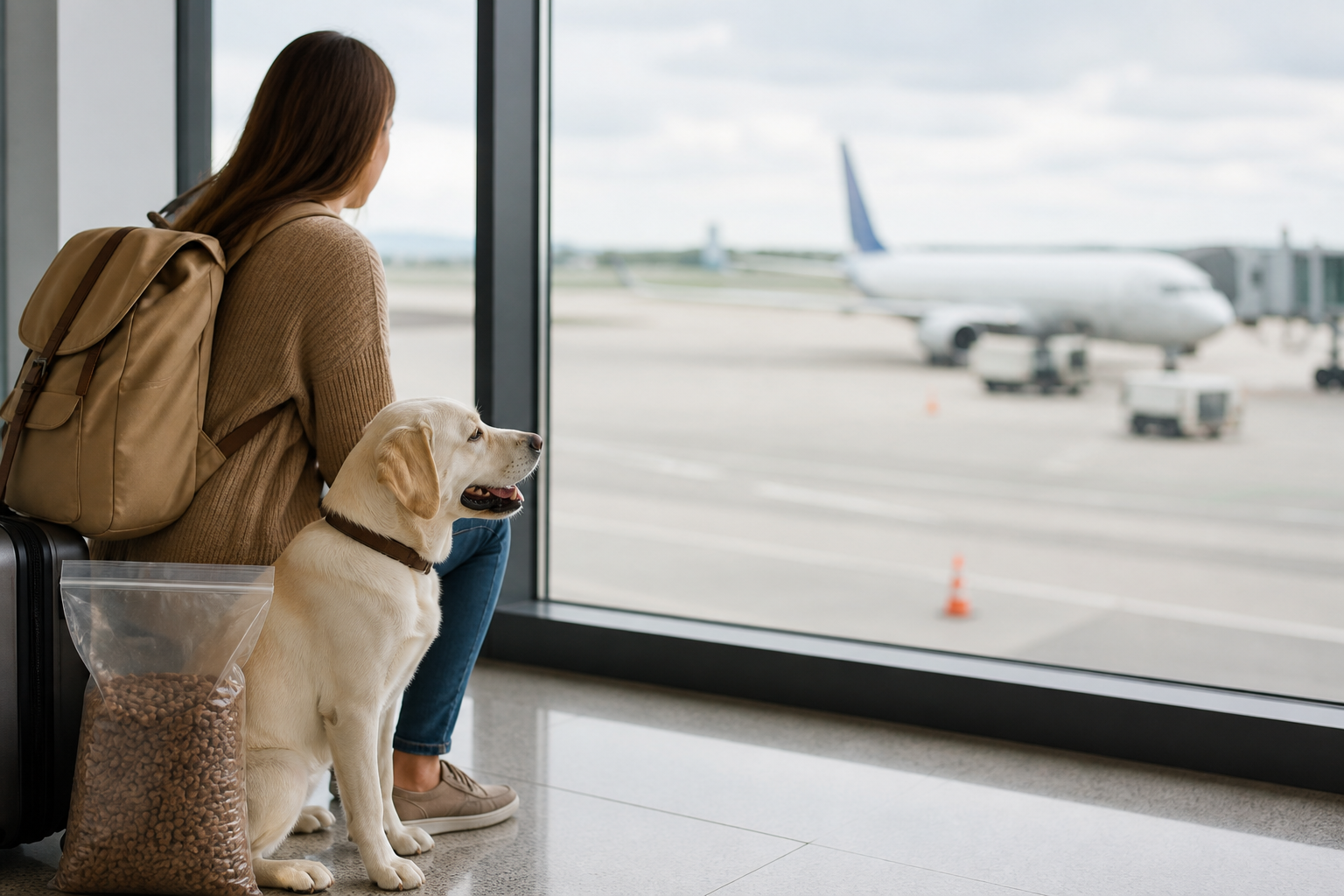
You are standing in your kitchen with an open suitcase and a bag of kibble. The flight is tomorrow. Your dog is already watching you pack with that nervous, excited tilt of the head. You know exactly what they need to stay happy and healthy during the trip. Still, a big question remains: can you take dry dog food on a plane without getting flagged at security? Navigating airport regulations is stressful enough for humans. Adding a pet into the mix brings a new layer of logistics to manage.
At BaxterBoo, we have been helping pet parents prepare for adventures since 2006. We know that keeping your dog on their regular diet is the best way to prevent upset stomachs during travel. This guide will walk you through the current TSA rules for pet food. We will cover the best ways to pack your kibble and how to handle security checkpoints. You will also learn about the specific rules for international travel and prescription diets. Our goal is to help you get through the terminal with confidence.
Quick Answer: Yes, you can bring dry dog food on a plane in both carry-on and checked luggage. The TSA classifies dry kibble as a solid food. It is not subject to the 3-1-1 liquid restrictions, though it may require extra screening.
Understanding TSA Rules for Dry Dog Food
The Transportation Security Administration (TSA) handles the security for all domestic flights in the United States. Their primary goal is safety. They generally view dry dog food as a low-risk item. Because kibble is a solid, you do not have to worry about the small bottle rules that apply to shampoo or water. You can bring a small bag for the flight or a large bag for the entire vacation.
However, dry food can sometimes cause a minor delay. High-density organic materials can occasionally look unusual on an X-ray screen. Many premium dog foods contain high levels of protein and minerals. These dense ingredients might trigger a manual bag check. If this happens, a TSA agent will simply look inside your bag or wipe the outside of the container to test for residue. It is a standard procedure that usually takes less than a minute.
Solid vs. Liquid Pet Foods
It is vital to know the difference between food types before you head to the airport. The TSA treats solids and liquids very differently.
- Dry Kibble: This is a solid. You can pack it in any quantity in both carry-on and checked bags.
- Moist or Semi-Moist Food: Most moist foods are considered solids. These are fine to pack in your carry-on bag.
- Wet or Canned Food: This is considered a liquid or gel. If it is in your carry-on, it must be 3.4 ounces or less. Most cans are larger than this. You should put canned food in your checked luggage to avoid it being confiscated.
- Freeze-Dried Food: Brands like Stella and Chewy's or Vital Essentials are excellent for travel. They are lightweight and classified as solids.
Key Takeaway: Dry dog food is always allowed in your luggage. Pack it in a way that is easy for security agents to see to save time.
Why You Should Pack Your Own Food
It might seem easier to buy a bag of food once you land. This can be a risky move for your dog's health. Dogs have sensitive digestive systems. A sudden change in their diet can lead to gas, lethargy, or diarrhea. These are the last things you want to deal with in a hotel room or at a relative's house.
Traveling is already a stressful experience for most dogs. New smells, loud noises, and different water can all affect their mood. Maintaining a familiar feeding routine provides a sense of security. When your dog sees and smells their usual kibble, it sends a signal that everything is okay. We recommend sticking to trusted brands like NutriSource, Open Farm, or Acana that your dog already enjoys. You can browse our dog food selection when preparing for your trip.
Maintaining Routine on the Road
Consistency is the key to a happy travel companion. Try to feed your dog at their normal times. If you are crossing time zones, gradually adjust their meal times a few days before you leave. This helps their internal clock stay in sync.
Bottom line: Bringing your dog's regular food prevents digestive issues and reduces the stress of being in a new environment.
How to Pack Dry Dog Food for a Flight
Packing kibble involves more than just throwing the bag in your suitcase. You want to keep the food fresh and prevent the bag from bursting under the pressure of other luggage. Follow these steps for a mess-free trip.
Step 1: Calculate your portions.
Count the number of days you will be away. Add two extra days of food to this total. This covers you if your flight is delayed or if your checked luggage goes missing.
Step 2: Use airtight containers or bags.
Air and moisture will make kibble go stale quickly. Heavy-duty freezer bags with a double seal work well. They are flexible and take up less space as they become empty. You can also use BPA-free silicone bags.
Step 3: Label your food clearly.
Write your dog's name and the brand of food on each bag. Include the specific feeding amount. This is very helpful if you are separated from your pet. A clear label helps airline staff or kennel workers know exactly what to do.
Step 4: Pack a 48-hour supply in your carry-on.
Never put all your dog's food in your checked luggage. If the airline loses your bag, your dog still needs to eat. Keeping two days of food with you ensures they stay fed until your bags are located.
The Original Packaging Advantage
If you have space, keeping the food in its original bag is helpful. The original packaging has the ingredient list and the guaranteed analysis. This is particularly important for international travel. Customs agents often want to see exactly what is in the food. If you use a plastic bin, consider taping the label from the original bag onto the side.
For travelers who want to review food storage guidance before packing, read how long you can keep dry dog food fresh.
Vet Tip: If your dog has a sensitive stomach, bring a small amount of canned pumpkin or a probiotic supplement. These can help soothe any digestive upset caused by the stress of flying.
Prescription Diets and the BaxterBoo Pharmacy
If your dog requires a prescription diet, packing becomes even more important. Diets like Farmina Vet Life or Royal Canin Veterinary Care are specifically formulated for health conditions. You cannot simply pick these up at a local grocery store if you run out. These foods are considered medically necessary.
Our pet pharmacy provides access to FDA-approved medications and prescription pet foods through our partnership with Pet's Choice. If your dog is on a therapeutic diet for kidney health, allergies, or weight management, you must ensure you have a sufficient supply for your trip.
Navigating Security with Prescription Food
While the TSA allows prescription food, they may want to see proof of the medical need. Keep a copy of your veterinarian's prescription with the food. You can also bring a letter from your vet explaining why the dog needs this specific diet. This is especially helpful if you are carrying wet prescription food that exceeds the 3.4-ounce limit. While not guaranteed, agents are often more flexible when you have documentation.
Note: Prescription pet foods should always be kept in your carry-on luggage when possible. They are difficult to replace on short notice if your checked bags are delayed.
Navigating the Security Checkpoint
Going through security with a dog is a multi-step process. You will need to remove your dog from their carrier. You will walk through the metal detector while your dog's carrier goes through the X-ray machine. Being prepared with your food items makes this much smoother.
The Bin Strategy
When you reach the front of the line, take your bag of dog food out of your carry-on. Place it in its own bin. This prevents the TSA agent from having to dig through your clothes and personal items. Tell the agent that you have a bag of dry dog food. Being proactive shows that you are an organized traveler. It usually speeds up the entire process.
Powder-Like Substances
In 2018, the TSA implemented new rules for powder-like substances. Some dog foods are very powdery or contain a lot of "kibble dust" at the bottom of the bag. If your food bag contains more than 12 ounces of powder-like material, it may require additional screening. If the agent cannot identify the substance, they may ask you to throw it away. Using a fresh bag of food can help minimize the amount of dust.
International Travel Considerations
Flying to another country is much more complicated than flying within the United States. While the TSA handles the safety of the plane, customs agents handle the safety of their country's environment. Many countries have very strict rules about importing animal products. This includes the meat used in dog food.
Meat-Based Restrictions
Countries like Australia, New Zealand, and some parts of the European Union may confiscate dog food that contains beef, poultry, or pork. This is done to prevent the spread of diseases like Foot and Mouth Disease. Even if the bag is sealed and from a reputable US brand, it might not be allowed across the border.
Before you book your flight, check the official government website of your destination country. Look for the section on "Bringing Pets" or "Importing Animal Products." If your food is prohibited, you will need to research where you can buy a compatible brand as soon as you land.
- Declare Everything: Always declare your dog food on your customs form. If you do not declare it and an agent finds it, you could face heavy fines.
- Original Packaging: Customs agents are much more likely to allow food if it is in an unopened, original bag. They need to see the country of origin and the ingredient list.
- Quantity Limits: Some countries only allow you to bring a small amount, such as 2 kilograms (about 4.4 pounds).
Key Takeaway: For international trips, the rules of the destination country are more important than the airline rules. Research early to avoid having your food confiscated.
Feeding and Hydration on Travel Day
Your dog's feeding schedule on the day of the flight can impact their comfort. A full stomach in a pressurized cabin can sometimes cause nausea. Every dog reacts differently to flying. Some are calm, while others may experience motion sickness.
The Light Meal Rule
Most experts recommend feeding a smaller meal than usual about four to six hours before the flight. This gives your dog enough time to digest the food. It also gives them time to go to the bathroom before they are placed in a carrier. If your dog is a nervous traveler, a heavy meal can lead to an accident in the crate.
In-Flight Hydration
While you should limit food in the air, you must prioritize hydration. Flying is very dehydrating for animals. Bring a collapsible bowl in your carry-on. You can ask the flight attendant for a small amount of water or use water you purchased after passing through security. Offer small sips throughout the flight. Do not let them gulp a large amount at once, as this can lead to bloating or a need to urinate urgently. Pack a collapsible bowl or travel bottle from our dog travel accessories for convenient hydration.
Travel Snacks
If you have a long layover, a few small treats can help keep your dog calm. Use familiar treats like Greenies or Kong easy-treat fillers. Do not introduce new treats on travel day. You want to avoid any surprises with their digestion.
Vet Tip: If your dog experiences severe anxiety during travel, talk to your veterinarian about calming supplements or medications. Our pharmacy carries several options that can help make the journey more peaceful for your pet.
Managing Your Food Supply with Autoship
One of the biggest stresses of travel is realizing you are almost out of food the night before you leave. Planning ahead is essential. We offer an Autoship programme that ensures you always have a fresh bag of kibble ready for your next trip.
When you sign up for Autoship, you get a discount on your first order and a free MVP Gold membership. This helps you earn rewards faster. You can set the frequency of your deliveries so you never have to make a last-minute run to the store. Having a consistent supply of food like Carna4 or Lotus ensures you can pack your travel bags with ease. For a specific option, consider Carna4 Dry Dog Food - Chicken Recipe.
Troubleshooting Common Travel Feeding Issues
Even the most prepared traveler can face challenges. Here is how to handle some common problems that might arise.
My Dog Won't Eat After the Flight
It is common for dogs to skip a meal after a stressful journey. Do not force them to eat. Let them settle into the new environment first. You can try adding a little warm water to their dry food. This releases the aroma and makes it more appetizing. If they skip more than two meals, contact a local veterinarian.
I Forgot My Dog's Food
If you realize you left the food at home, do not panic. Look for a local pet store that carries premium brands. If you cannot find your exact brand, look for a "limited ingredient" diet. This is less likely to cause a reaction. You can also mix a small amount of the new food with plain white rice to help their stomach adjust.
The Food Bag Broke in My Suitcase
Kibble can be greasy and leave a strong smell on your clothes. If a bag breaks, you will need to clean it up immediately. This is why we recommend double-bagging all food in your checked luggage. If you are staying in a hotel, ask for a plastic bin or a thick trash bag to keep the remaining food secure from pests.
Bottom line: A little extra preparation prevents small mishaps from ruining your vacation.
Conclusion
Taking dry dog food on a plane is a straightforward process if you follow the rules. The TSA is generally helpful to pet owners who are organized and transparent. By keeping your kibble in your carry-on and checking the rules for your destination, you can ensure your dog stays healthy throughout the trip. Remember to prioritize your dog's routine. Familiar food is one of the best comforts you can provide while traveling.
- Keep at least two days of food in your carry-on luggage.
- Label all containers with your dog's name and feeding instructions.
- Declare all pet food when traveling internationally.
- Consult your vet if your dog requires a prescription diet or has travel anxiety.
Our pharmacy is here to support your pet's health needs, from prescription diets to allergy medications. We want to make sure every journey you take with your dog is a safe one. For your next trip, check our Medical and Mobility section to find travel-friendly supplies and supplements. You can also explore the MVP Rewards programme for additional value on eligible purchases.
FAQ
Is there a weight limit for dog food in checked bags?
The weight limit for dog food is the same as the weight limit for your suitcase. Most airlines allow bags up to 50 pounds before charging extra fees. As long as you stay within the airline's baggage policy, you can pack as much dry food as you need.
Can I bring wet dog food in my carry-on luggage?
Yes, but it must follow the 3-1-1 rule for liquids. Each container must be 3.4 ounces or less and fit inside a one-quart clear bag. Since most dog food cans are larger than this, it is usually better to put wet food in your checked luggage or buy it when you arrive.
Should I keep my dog's food in its original bag?
Keeping food in its original bag is highly recommended, especially for international travel. It allows customs agents to see the ingredients and the country of origin. If you must use a different container, try to bring the original label with you to avoid confusion at security.
Does dog food count as a carry-on item?
No, the bag of food itself does not count as a separate item, but it must fit inside your allowed carry-on or personal item. If you are bringing a very large bag of food, you may need to check it or ensure your carry-on bag is large enough to hold it along with your other essentials.






