Save 15% on your 1st Autoship learn more

 Email us
 Live Chat
 FAQs
FAQs





Introduction
You are running a brush through your cat’s beautiful, long fur when you notice a dusting of white flakes near the base of the tail. It is a common sight for owners of Maine Coons, Persians, or Ragdolls. While cats are famous for being meticulous groomers, even the most dedicated self-washers can struggle with skin issues. At BaxterBoo, we know that a flaky coat is often the first sign that something in your cat’s routine or environment needs to change. This guide covers why long haired cats are particularly prone to these flakes and how you can restore their coat to its natural shine. We will look at environmental triggers, grooming habits, and when a trip to the vet is the best course of action. Managing dandruff requires a mix of the right tools, proper nutrition, and a bit of detective work to find the root cause.
Quick Answer: Cat dandruff is the visible buildup of dead skin cells that often gets trapped in a long haired cat’s dense undercoat. It can be caused by low humidity, poor grooming, nutritional gaps, or underlying medical issues like parasites or allergies.
Understanding Feline Dandruff vs Dander
Many pet owners use the terms dandruff and dander interchangeably, but they are quite different. Every cat produces dander. It consists of microscopic skin cells that shed naturally as part of the body’s normal renewal process. Because these cells are so small, you generally cannot see them with the naked eye. Dander is also the primary carrier of the Fel d 1 protein, which is what triggers allergies in humans.
Dandruff is much more obvious. It appears as larger, visible white or gray flakes that cling to the hair shafts or settle on the skin’s surface. In a long haired cat, these flakes often get tangled in the long guard hairs or the thick undercoat. This makes the dandruff look much worse than it might be on a short haired cat. While dander is healthy and normal, dandruff is a sign that the skin is shedding cells too quickly or that the cat is unable to clear them away.
Key Takeaway: If you can see the white flakes in your cat's fur, you are looking at dandruff, which indicates a disruption in their skin health or grooming routine.
Why Long Haired Cats Struggle More
Long haired cats face unique challenges when it comes to skin health. Their coat is usually composed of two layers: a long, silky outer coat and a dense, woolly undercoat. This structure is excellent for insulation, but it also acts as a trap for debris. Dead skin cells that would normally fall off a short haired cat get caught in the thick secondary layer of a long haired cat.
If the undercoat is not brushed out regularly, it can become compacted. This prevents air from reaching the skin and traps moisture and oils close to the body. This environment can lead to skin irritation and an increase in flakiness. Furthermore, long haired cats have more "real estate" to groom. If a cat is feeling a bit tired, stiff, or is carrying extra weight, they may give up on grooming the hard to reach spots on their back or haunches. This is where you will usually see the most dandruff.
The Role of Humidity and Environment
The air inside your home plays a significant role in your cat’s skin health. During the winter months, indoor heating systems strip moisture from the air. This dry environment can cause a cat’s skin to lose its natural elasticity and begin to flake.
Long haired cats can be particularly sensitive to these changes. Their thick fur can hold onto static electricity in dry air, which further irritates the skin. You might notice that the dandruff is worse when the heater is running constantly. Using a humidifier in the rooms where your cat spends the most time can provide significant relief for their dry skin.
Common Causes of Flaky Skin
Dandruff is a symptom rather than a disease itself. To clear up the flakes, we have to identify what is causing the skin to react. For many long haired cats, the cause is a combination of environmental factors and grooming habits. However, there are times when the cause is more clinical.
Ineffective Grooming Habits
If your cat has stopped grooming as effectively as they once did, dandruff will build up quickly. This often happens as cats age. Senior cats managing joint stiffness or arthritis may find it painful to twist and reach their lower back or tail base. Since long hair requires more flexibility to maintain, these cats are the first to show signs of a dull, flaky coat.
Obesity is another major factor. A cat that is overweight simply cannot reach every part of their body. The area at the base of the spine is usually the first to suffer. If you notice your cat has a "greasy" look along the spine accompanied by dandruff, it is a sign that they need help with their daily maintenance.
Nutritional Gaps
Skin is the largest organ of the body, and it requires a lot of energy and nutrients to stay healthy. A diet that is low in essential fatty acids is a frequent cause of dry skin in cats. Omega-3 and Omega-6 fatty acids are crucial for maintaining the skin’s moisture barrier.
Many commercial dry foods are processed at high heat, which can degrade these sensitive fats. If your cat’s diet lacks these nutrients, their skin may become brittle and prone to flaking. Adding a high quality supplement or switching to a premium food can make a visible difference in just a few weeks.
Parasites and Walking Dandruff
Not all dandruff is just dry skin. There is a specific parasite called the Cheyletiella mite that causes a condition known as walking dandruff. These mites are large enough to be seen with a magnifying glass and look like moving white specks. This condition is highly contagious between pets and can even cause itchy red bumps on humans.
Regular fleas can also cause dandruff. When a cat has a flea allergy, their skin becomes inflamed and itchy. The constant scratching and biting at the skin cause it to flake and scab. Keeping your cat on a year round preventive is the best way to rule out parasites as a cause of their dandruff. For additional guidance, review this overview of flea and tick prevention products.
Vet Tip: If the dandruff appears to be moving or if your cat is scratching intensely, consult your veterinarian immediately. These could be signs of Cheyletiella mites or a flea allergy that requires prescription treatment from a pharmacy.
Step-by-Step Grooming for Long Haired Cats
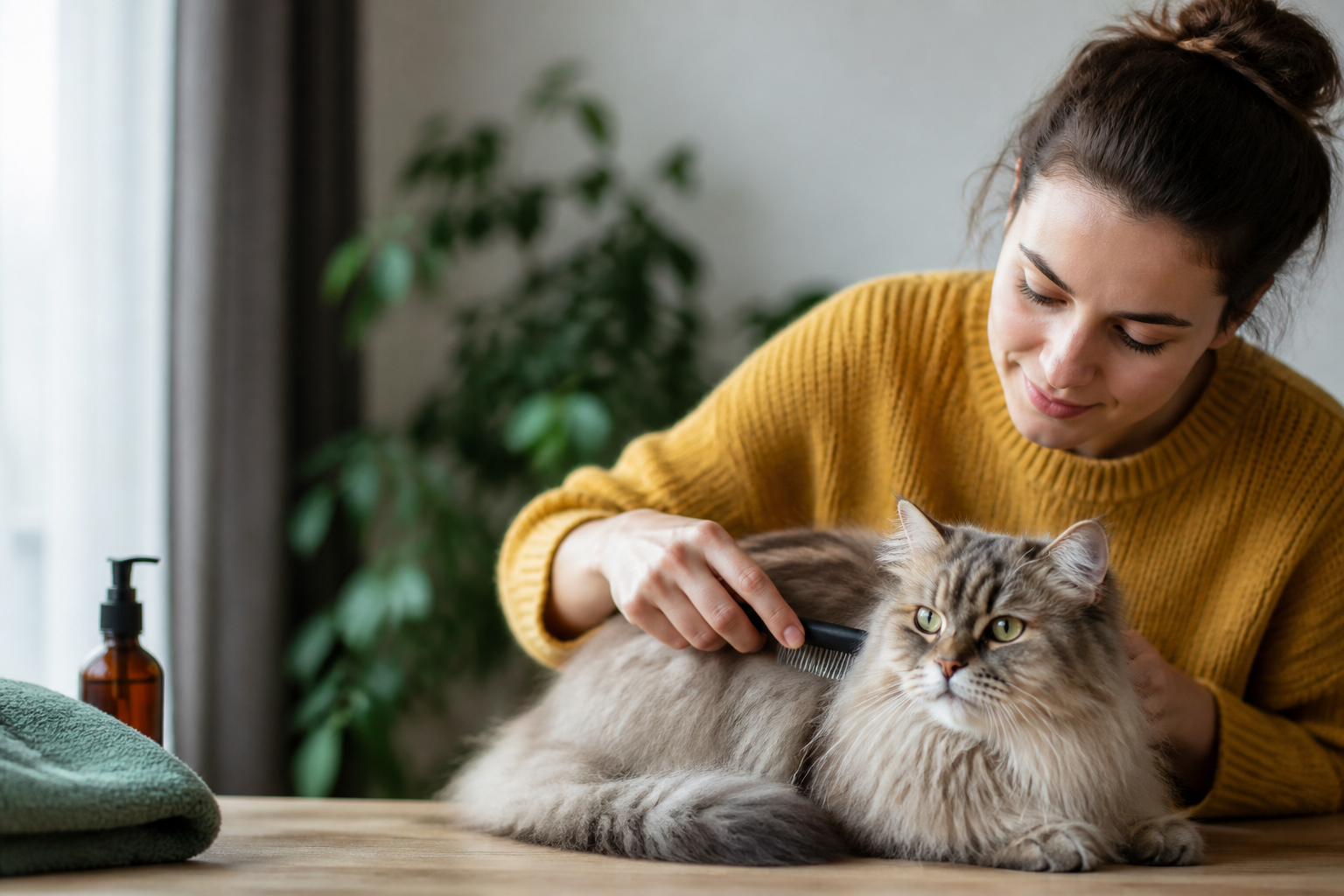
Because long haired cats cannot always manage their coats alone, we have to step in. A consistent grooming routine is the most effective way to manage dandruff at home. It is not just about removing the flakes; it is about stimulating the skin to produce healthy oils. You can find brushes, combs, and coat-care products in our cat grooming collection.
Step 1: Choose the right tools. / Use a stainless steel comb and a slicker brush. A slicker brush, like those made by Kong, is excellent for lifting loose hair and dander from the top layer of the coat.
Step 2: Reach the undercoat. / Use an undercoat rake to gently reach through the guard hairs. This breaks up compacted fur and allows the skin to breathe.
Step 3: Brush in sections. / Do not just run the brush over the top. Part the hair and brush from the skin outward to ensure you are removing dead skin cells from the source.
Step 4: Distribute natural oils. / Finish with a soft bristle brush. This helps move the skin's natural sebum down the hair shaft, providing a natural shine and moisture barrier.
Step 5: Reward your cat. / Use a high value treat, such as Greenies feline treats, to make grooming a positive experience. This ensures your cat will let you help them stay flake-free in the future.
| Tool Type | Purpose | Frequency |
|---|---|---|
| Slicker Brush | Removes loose surface hair and visible flakes | Daily |
| Undercoat Rake | Prevents matting and clears trapped debris | 2-3 times per week |
| Stainless Steel Comb | Checks for mats and flea dirt | Daily |
| Bristle Brush | Smooths coat and distributes oils | Daily |
Bottom line: Daily grooming is essential for long haired cats to prevent skin cells from becoming trapped and turning into visible dandruff.
The Role of Diet and Supplements
What goes into your cat is just as important as how you treat their fur from the outside. If the skin is not getting the nutrients it needs, no amount of brushing will stop the flaking. At BaxterBoo, we carry several brands that focus on skin and coat health. Explore our cat skin and coat care selection for supplements and topical care products.
High Quality Proteins
Cats are obligate carnivores, and their skin and hair are made almost entirely of protein. If their food is full of fillers and low quality protein sources, their coat will be the first thing to suffer. Look for foods like Farmina or Royal Canin, which use high quality animal proteins that are easily digestible. A healthy coat starts with a healthy gut.
Omega Fatty Acids
As mentioned earlier, Omega-3 and Omega-6 fatty acids are the building blocks of healthy skin. If your cat has chronic dandruff, they may benefit from a targeted supplement. Fish oil is a popular choice because it is rich in EPA and DHA. You can often find these in easy to use pumps or soft chews from brands like Zesty Paws or Honest Paws. These supplements support the skin's moisture barrier from the inside out. One option is the Pet Honesty Skin & Coat Health cat supplement.
Hydration and Wet Food
Dehydration is a hidden cause of dry skin. Cats naturally have a low thirst drive and often do not drink enough water from a bowl. If a cat eats only dry kibble, they may live in a state of mild, chronic dehydration. This leads to dry, inelastic skin. Incorporating wet food into their diet—from brands like Tiki Cat or Fussie Cat—increases their moisture intake significantly. This extra hydration helps keep the skin cells plump and healthy.
Key Takeaway: A combination of high protein food, Omega-3 supplements, and increased moisture intake is often the "secret sauce" for eliminating stubborn cat dandruff.
When Dandruff Indicates a Medical Problem
While most cases of dandruff are related to grooming or dry air, sometimes the flakes are a warning sign of a deeper health issue. It is important to look at the "big picture" of your cat's health. If the dandruff is accompanied by other changes, it is time to call the vet. For broader feline wellness context, see this guide to building a healthy feline immune system.
Metabolic and Hormonal Conditions
Diseases like diabetes mellitus and hyperthyroidism can change the quality of a cat's skin. In both cases, the body's metabolism is disrupted, which often leads to a greasy, unkempt coat and excessive dandruff. You might also notice increased thirst, changes in appetite, or weight loss.
Kidney disease is another condition that affects the skin. As the kidneys struggle to filter toxins, the skin can become dry and thin. If you notice your cat is spending more time at the water bowl or the litter box than usual, the dandruff could be a secondary symptom of an internal struggle.
Allergies and Infections
Cats can develop allergies to their food or things in their environment like dust and mold. An allergic reaction often manifests as itchy, red, and flaky skin. Bacterial and fungal infections, such as ringworm, can also cause localized patches of dandruff and hair loss. Ringworm is a fungus that is zoonotic, meaning it can spread to you and your other pets.
Vet Tip: If you notice circular patches of hair loss, red sores, or if your cat is grooming so much they are creating bald spots, seek veterinary advice. These symptoms often require diagnostic tests like skin scrapes or fungal cultures.
How the BaxterBoo Pharmacy Can Help
Managing chronic skin conditions often requires more than just a new brush. If your veterinarian diagnoses your cat with a specific condition like a flea allergy, an infection, or a metabolic disease, you may need access to prescription medications or specialized diets.
Through our partnership with Pet's Choice, our pet pharmacy offers a range of FDA-approved medications and prescription pet foods. Whether your cat needs a prescription flea preventive like NexGard or a specialized diet like Farmina Vet Life for weight management, our pharmacy provides a convenient way to get these essentials delivered to your door. We understand that managing a health condition can be stressful, and we are here to make the process of getting the right medicine easier for you.
Environmental Management at Home
Beyond grooming and diet, you can make changes to your home environment to help your cat’s skin. Small adjustments can reduce the frequency of flare-ups and keep your cat comfortable year round.
Control the Air Quality
Using a humidifier is a great start, but you should also be mindful of scents and chemicals. Strong perfumes, scented candles, and harsh floor cleaners can irritate a cat’s sensitive skin. If your long haired cat is prone to dandruff, try switching to unscented or natural cleaning products. This reduces the number of allergens the cat is exposed to while they are lounging on the floor or grooming their fur.
Manage Stress
Stress can actually lead to skin problems in cats. When a cat is stressed, they may over-groom or stop grooming altogether. Both behaviors lead to skin issues. If there have been recent changes in your home, such as a new pet or a move, your cat might need extra support. Calming aids like those from Jackson Galaxy or Honest Paws can help soothe an anxious cat, allowing their grooming habits to return to normal.
Bottom line: A holistic approach that includes a clean environment and a stress-free home supports the work you are doing with grooming and nutrition.
Summary of Care for Flaky Felines
Taking care of a long haired cat with dandruff is a multi-step process that requires patience. By understanding that those white flakes are a signal from the body, you can take the necessary steps to improve your cat's quality of life.
- Brush your long haired cat daily using a slicker brush and undercoat rake.
- Ensure their diet includes high quality protein and Omega fatty acids.
- Increase hydration by offering wet food and fresh water.
- Monitor for signs of parasites like fleas or walking dandruff.
- Use a humidifier during the dry winter months.
- Consult a veterinarian if you notice red skin, hair loss, or changes in behavior.
At BaxterBoo, we have been helping pet owners since 2006 with expertly curated products and a commitment to pet health. Whether you need a better brush, a skin supplement, or a prescription from our pharmacy, we are here to support you and your cat. Replenish regularly used care items through our Autoship programme.
Key Takeaway: Dandruff is manageable when you address the combination of grooming needs, nutritional health, and environmental comfort.
FAQ
Is it normal for long haired cats to have a little dandruff?
A few occasional flakes can be normal, especially during the change of seasons or in very dry weather. However, if the dandruff is constant, covers a large area of the body, or is accompanied by itching, it usually indicates an underlying issue. Long haired cats are more likely to show dandruff because their thick coats trap dead skin cells that would otherwise fall away.
Can I use human dandruff shampoo on my cat?
No, you should never use human dandruff shampoo on a cat. These products are formulated for the pH levels of human skin and often contain ingredients that are toxic to cats if ingested during grooming. Always use a shampoo specifically designed for felines or consult your vet for a medicated topical treatment if the dandruff is severe.
How do I know if the dandruff is caused by an allergy?
Allergy-related dandruff is usually accompanied by other signs of irritation. If your cat is scratching excessively, has red or inflamed skin, or is developing scabs and bald patches, an allergy is a likely culprit. This could be a reaction to food, environmental triggers like pollen, or flea saliva. Your vet can help identify the specific allergen through testing.
Will brushing my cat more often get rid of the dandruff?
Brushing is one of the most effective ways to manage dandruff because it removes the dead skin cells and prevents them from clumping in the fur. For a long haired cat, daily brushing also stimulates the production of natural oils that moisturize the skin. While brushing solves the visible problem, you should still look into diet and environment to ensure the skin stays healthy from the inside.